The Complete Florida Homeowner’s Guide to Electrical Safety and Home Protection
Table of Contents
- Understanding Your Home’s Electrical System
- Why Florida Homes Face Unique Electrical Challenges
- Common Electrical Warning Signs Every Homeowner Should Never Ignore
- How to Protect Your Home’s Electrical System
- Essential Home Electrical Safety Checklist
Owning a home in Florida comes with unique electrical challenges that many homeowners do not realize until a problem occurs. Between intense summer storms, hurricane season, high humidity, salt air near the coast, and increasing electrical demands from modern appliances, electric vehicles, and smart home technology, your home’s electrical system works harder than ever.
The good news is that many electrical hazards can be prevented with the right knowledge and regular maintenance. Understanding how your home’s electrical system works, and knowing the warning signs of potential problems, can help you avoid costly repairs, reduce safety risks, and protect your family and property.
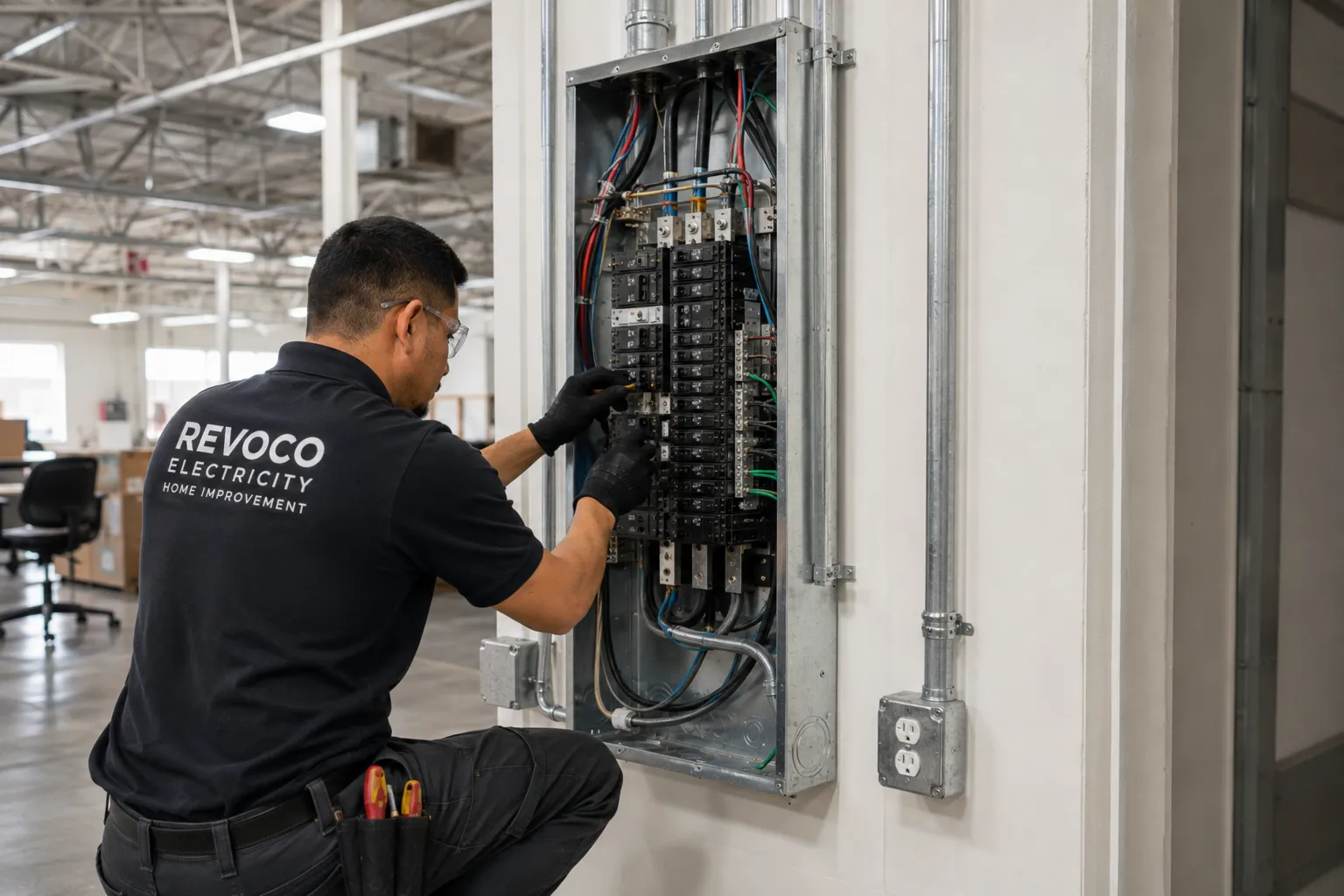
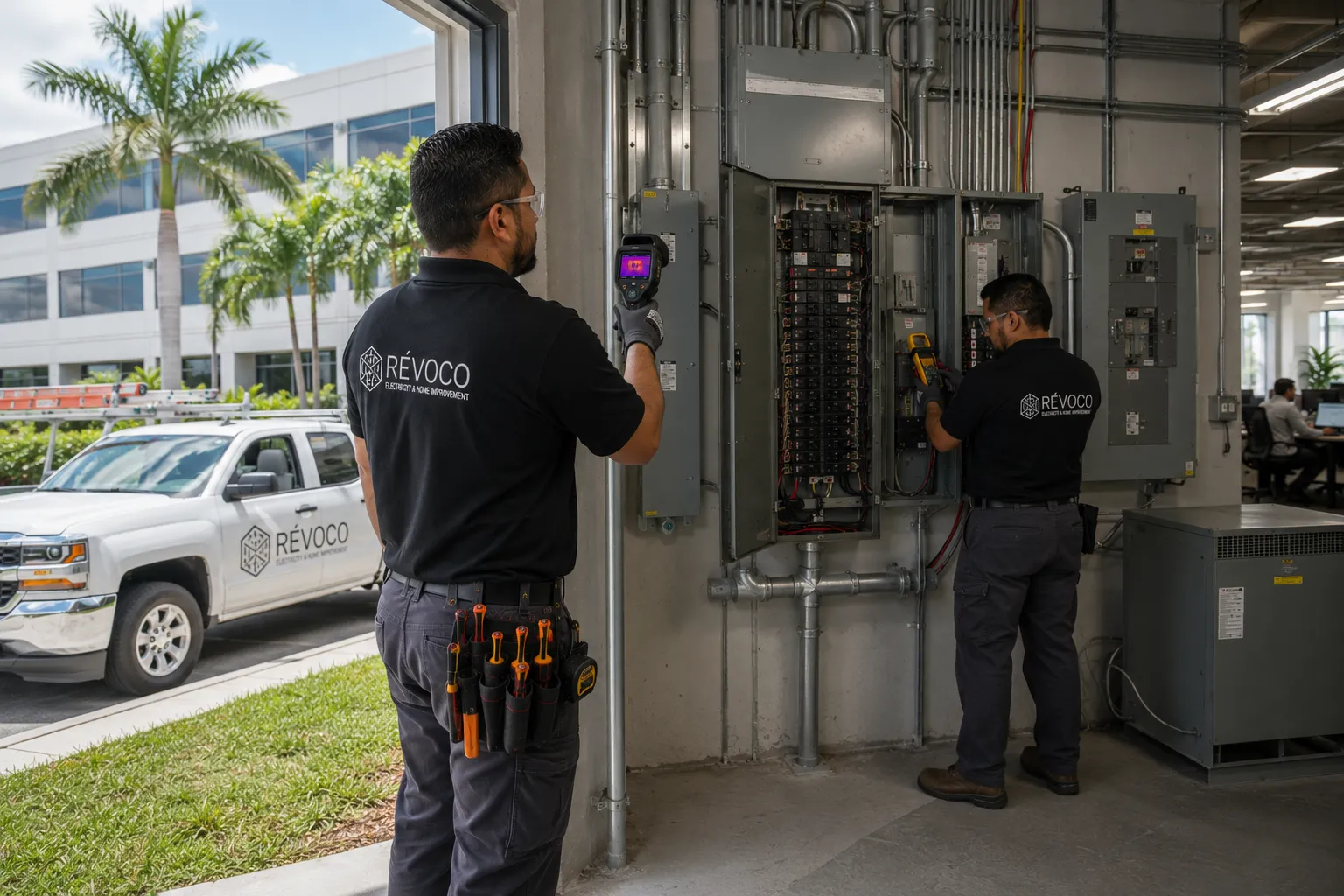
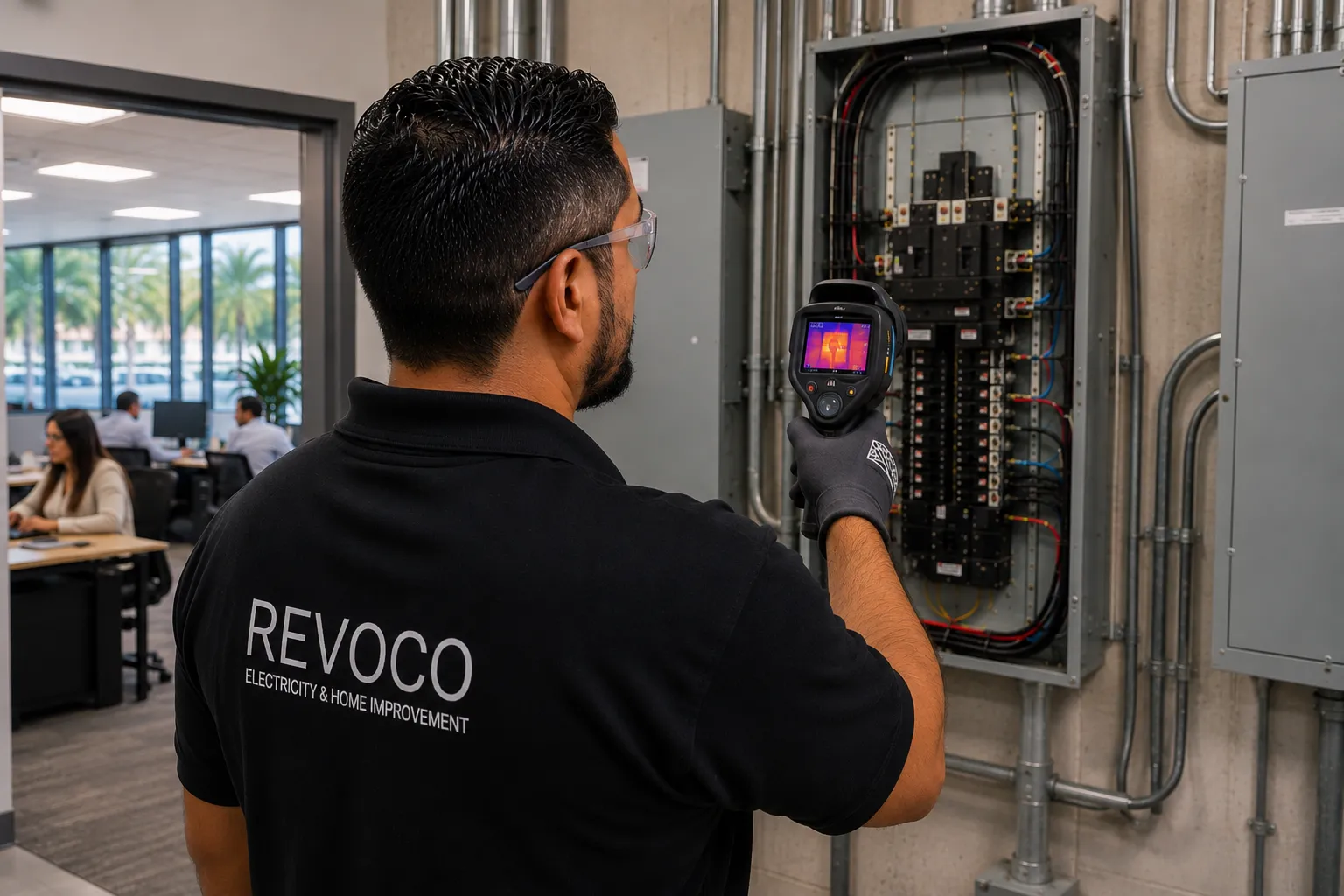
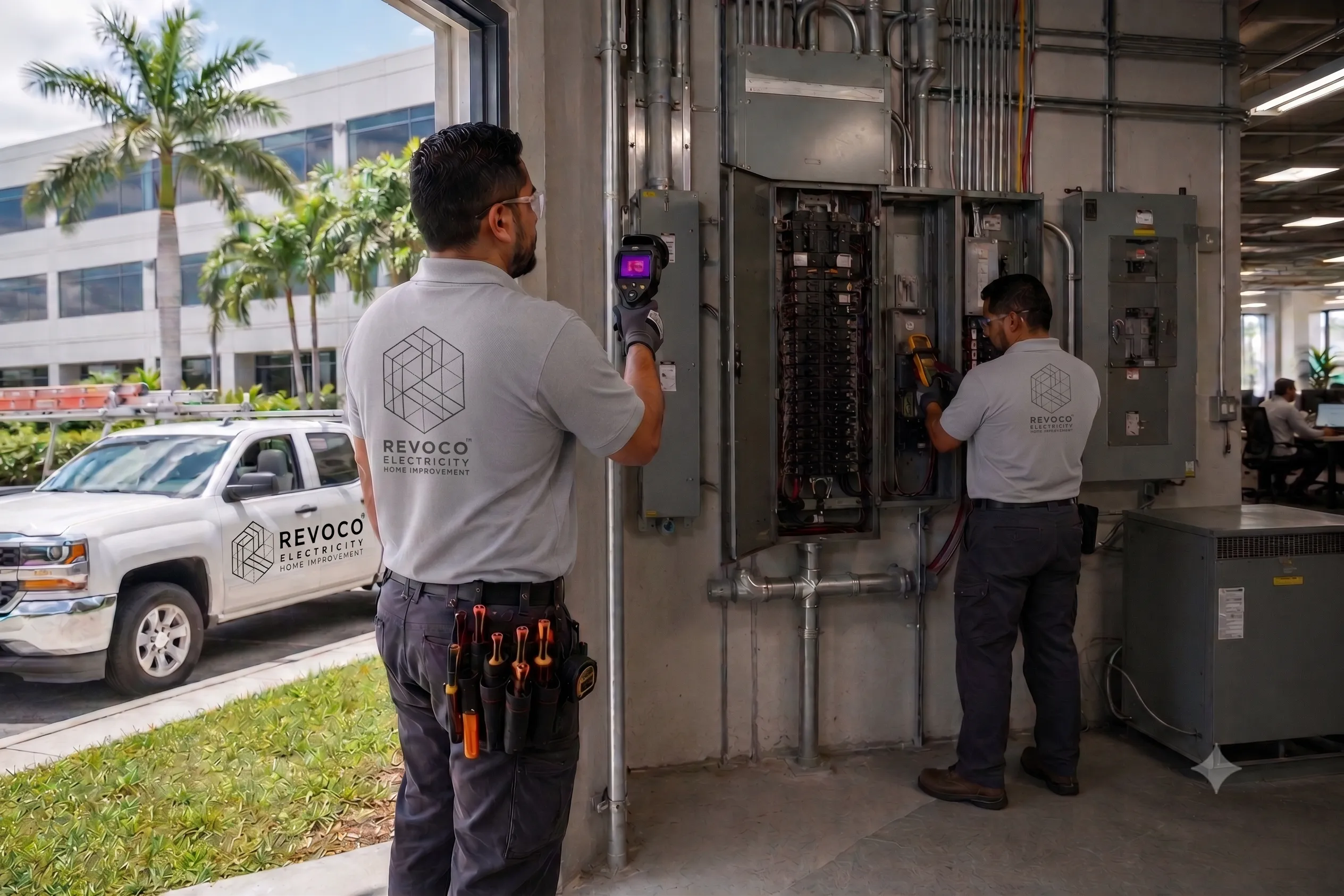
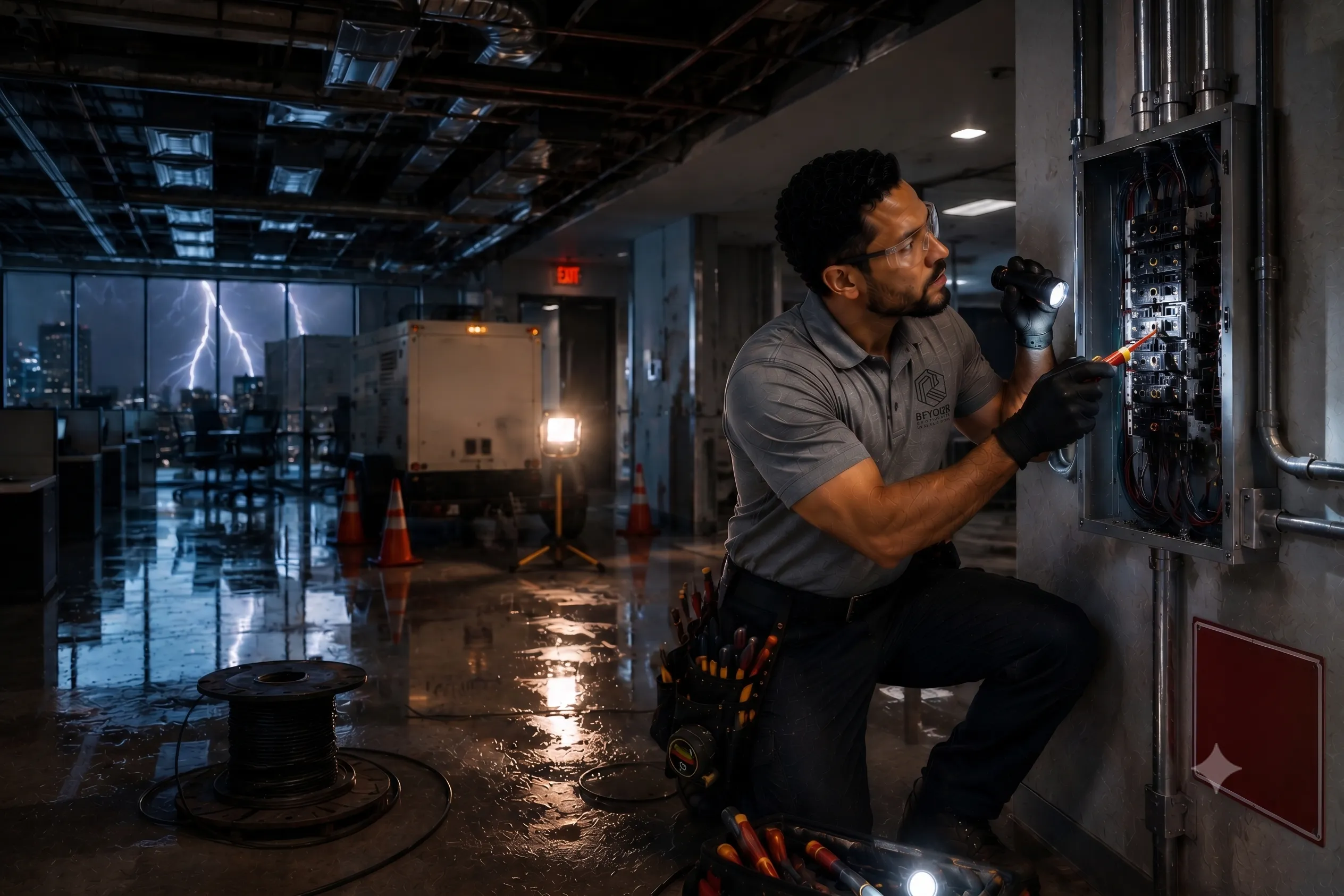
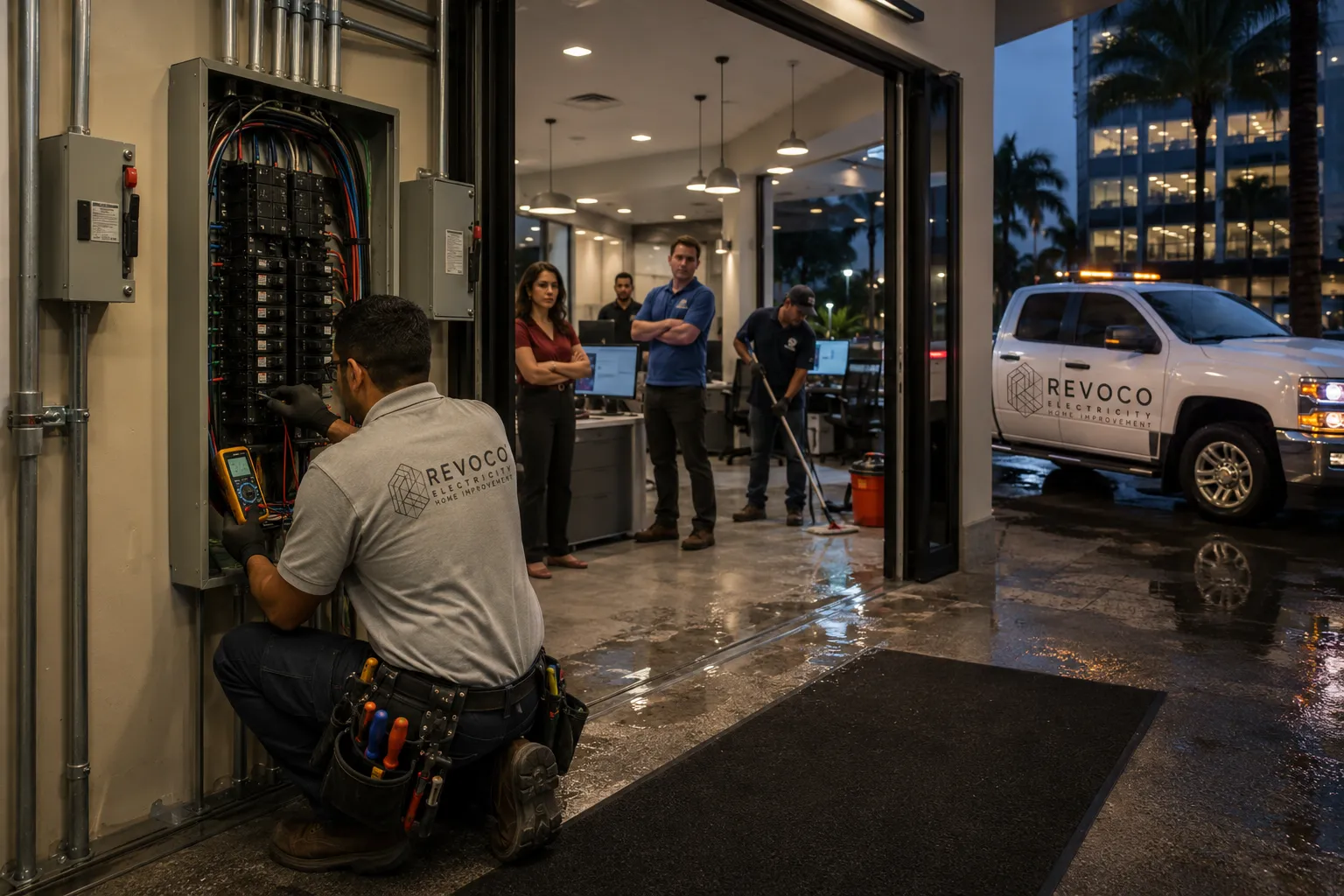
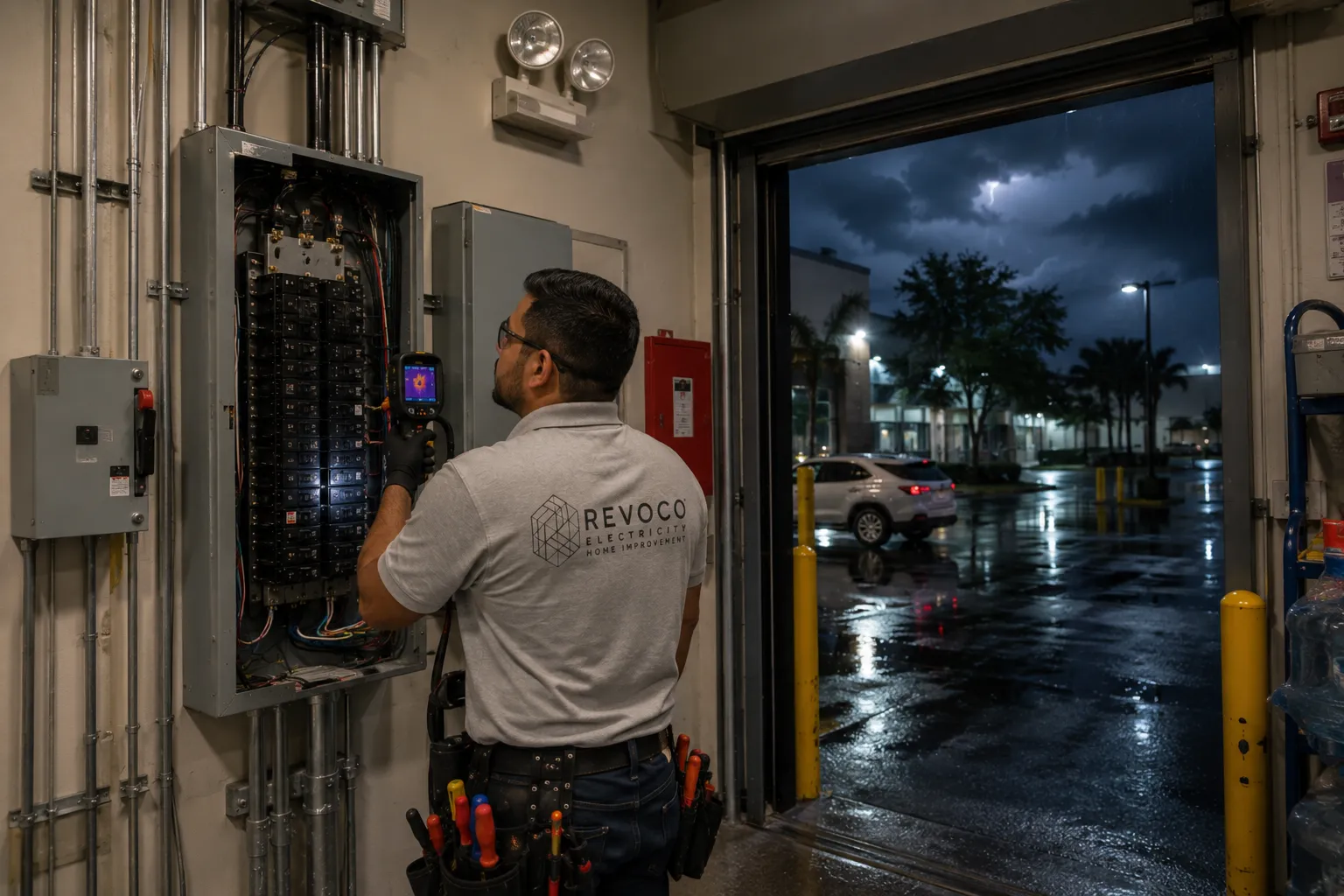
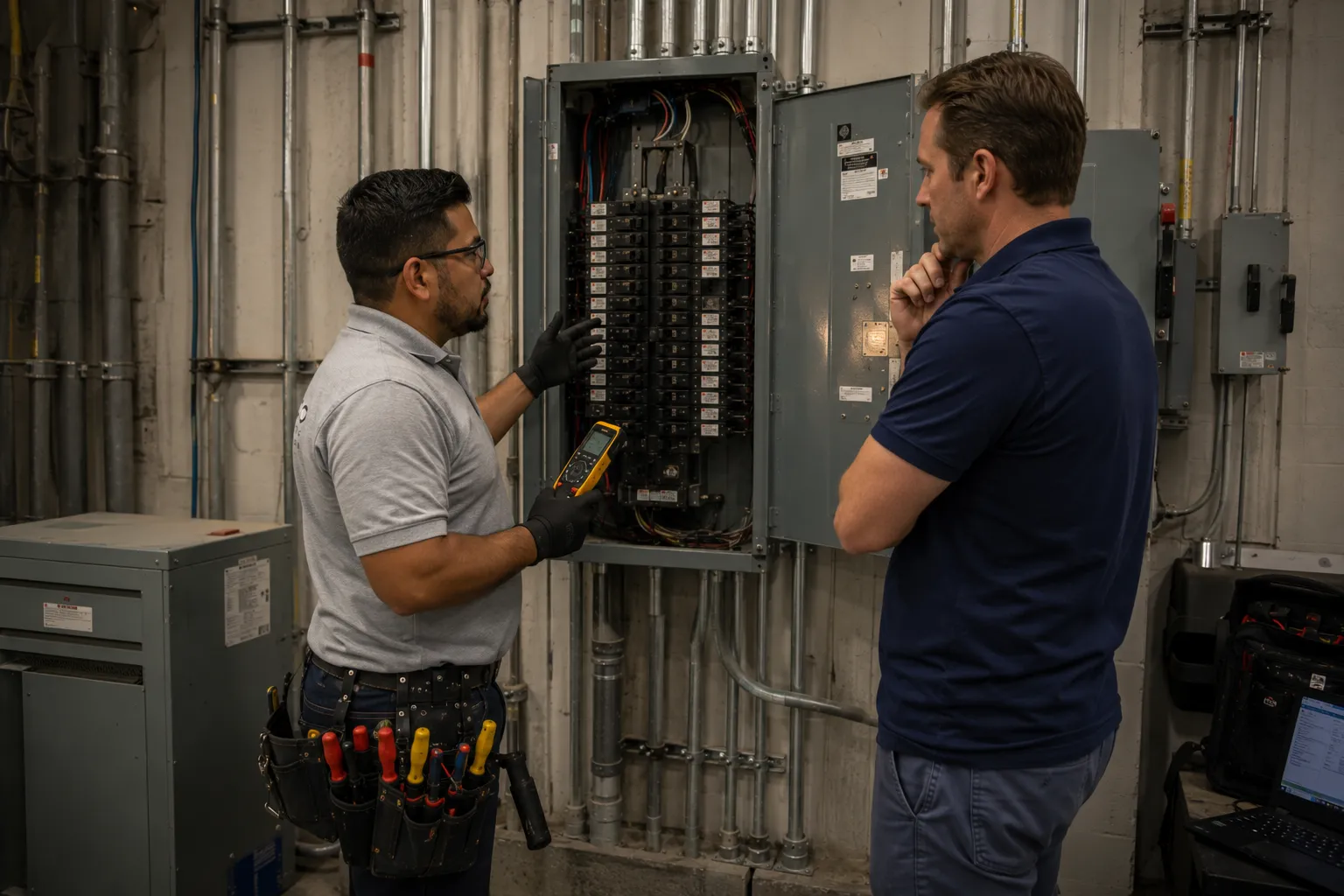
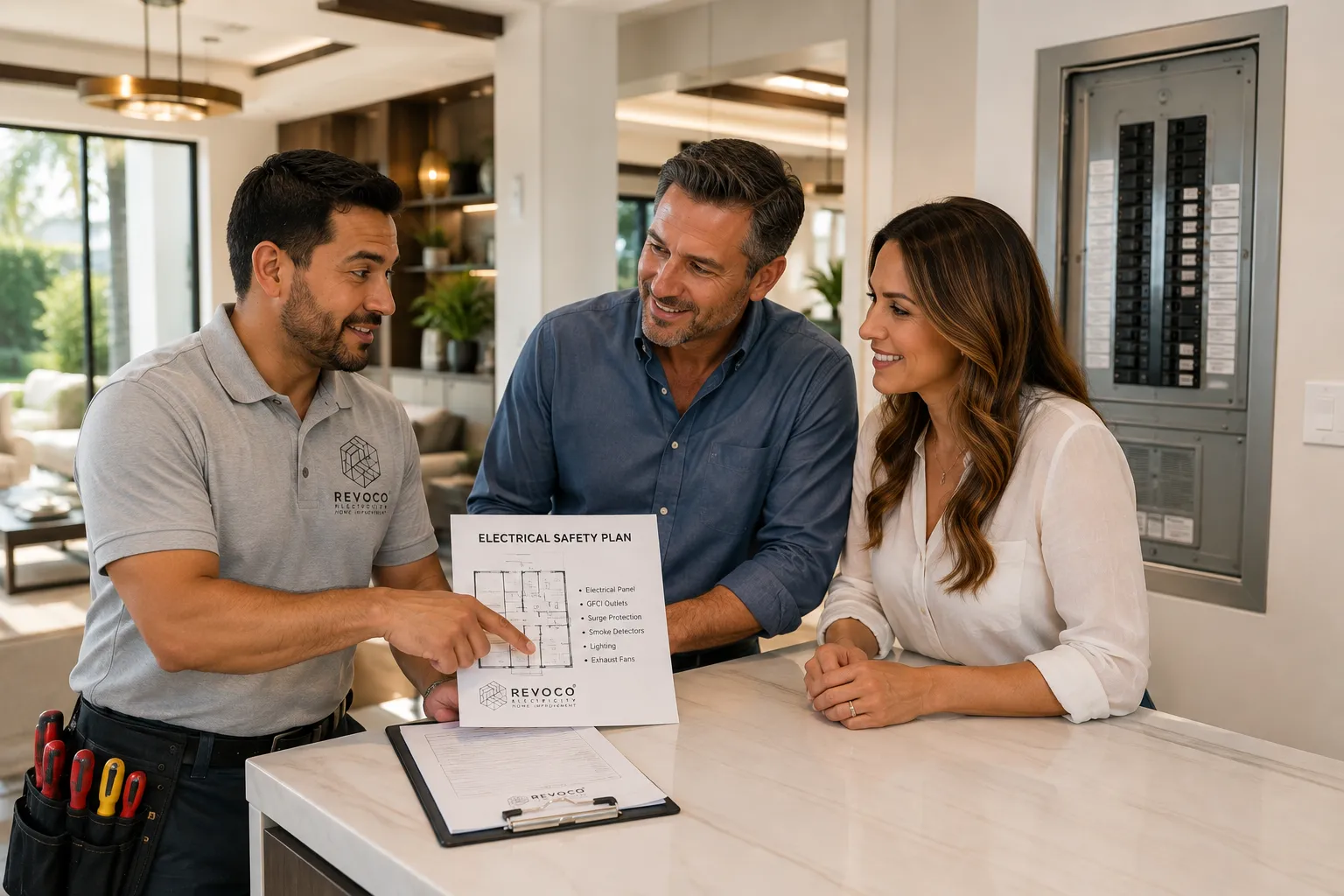
In this guide, the electrical professionals at Revoco Electricity & Home Improvement share practical tips, safety recommendations, and preventive maintenance advice specifically for Florida homeowners. Whether you have recently purchased a home or have lived in the same property for years, this guide will help you make informed decisions about your home’s electrical safety and long-term reliability.
Your home’s electrical system is one of the most essential—and often overlooked—parts of your property. It powers everything from your lights and appliances to your air conditioning, security systems, and modern technology. Yet, many homeowners don’t think about their electrical system until something goes wrong.
In Florida, maintaining a safe electrical system is even more important. Our homes face unique environmental challenges such as high humidity, frequent lightning storms, hurricane season, salt air in coastal communities, and increasing homeowners insurance requirements. These factors can place additional stress on electrical systems and increase the importance of regular inspections and preventive maintenance.
Whether you’ve recently purchased a home, have lived in your property for years, or simply want to better understand how your home’s electrical system works, this guide will help you make informed decisions to protect your investment and keep your family safe.
Rather than waiting for an electrical emergency, understanding the basics of your home’s electrical system can help you recognize warning signs early, avoid unnecessary expenses, and know when it’s time to call a licensed professional.
What You’ll Learn in This Guide
In this guide, you’ll discover:
- How your home’s electrical system works.
- Why Florida homes require special electrical attention.
- Common warning signs homeowners should never ignore.
- How to protect your home from electrical hazards.
- Preventive maintenance tips for every season.
- How to prepare your electrical system before hurricane season.
- When it is time to contact a licensed electrician.
Our goal is simple: to provide clear, practical information that helps Florida homeowners better understand their electrical systems and make confident decisions about their home’s safety.
Why Electrical Safety Matters More in Florida
Living in Florida offers many advantages, but it also presents unique challenges for residential electrical systems.
Every year, thousands of homeowners experience electrical problems caused by:
- Lightning strikes.
- Severe thunderstorms.
- Hurricane-related power surges.
- High humidity.
- Salt air corrosion in coastal communities.
- Aging electrical infrastructure.
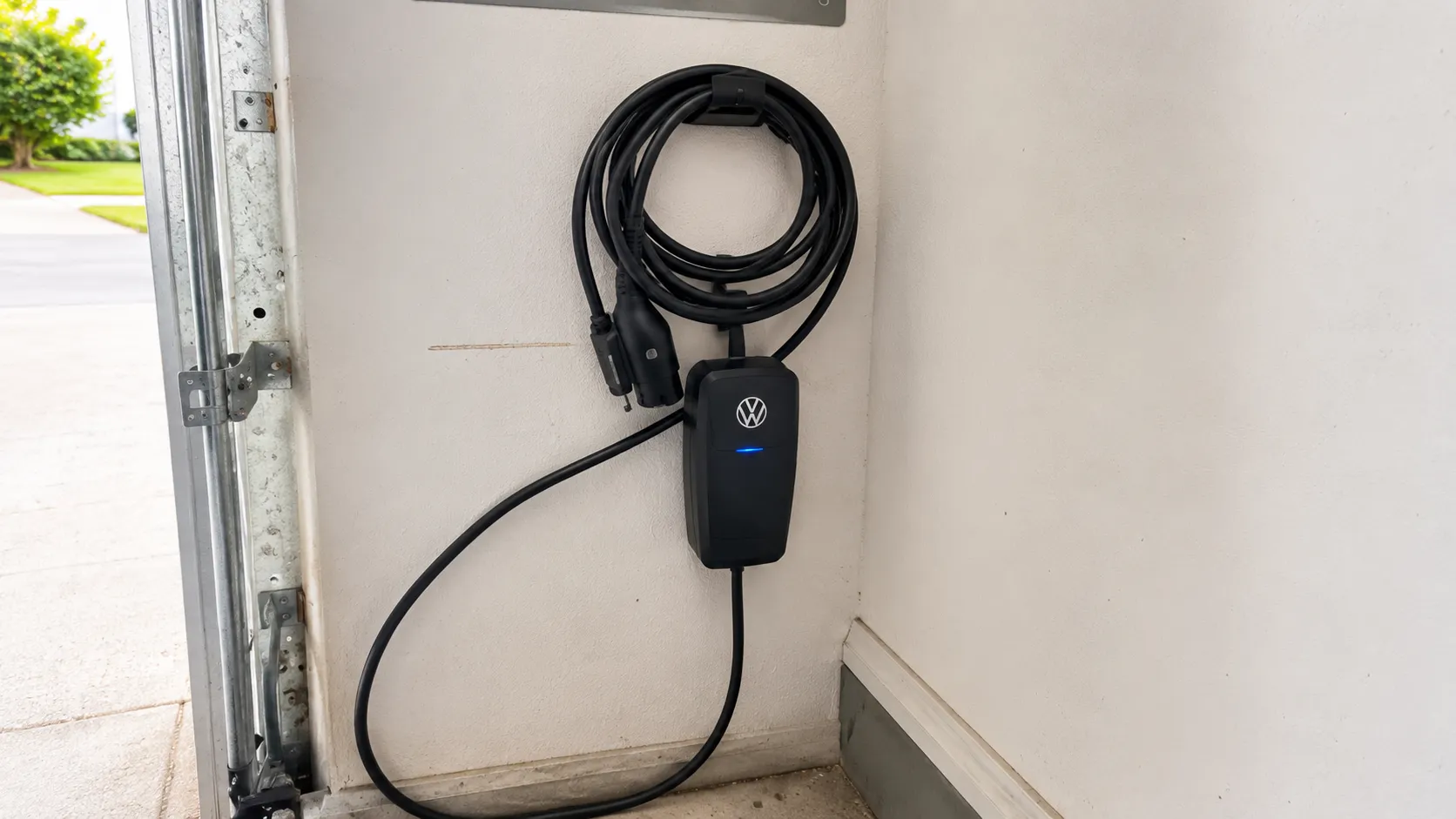
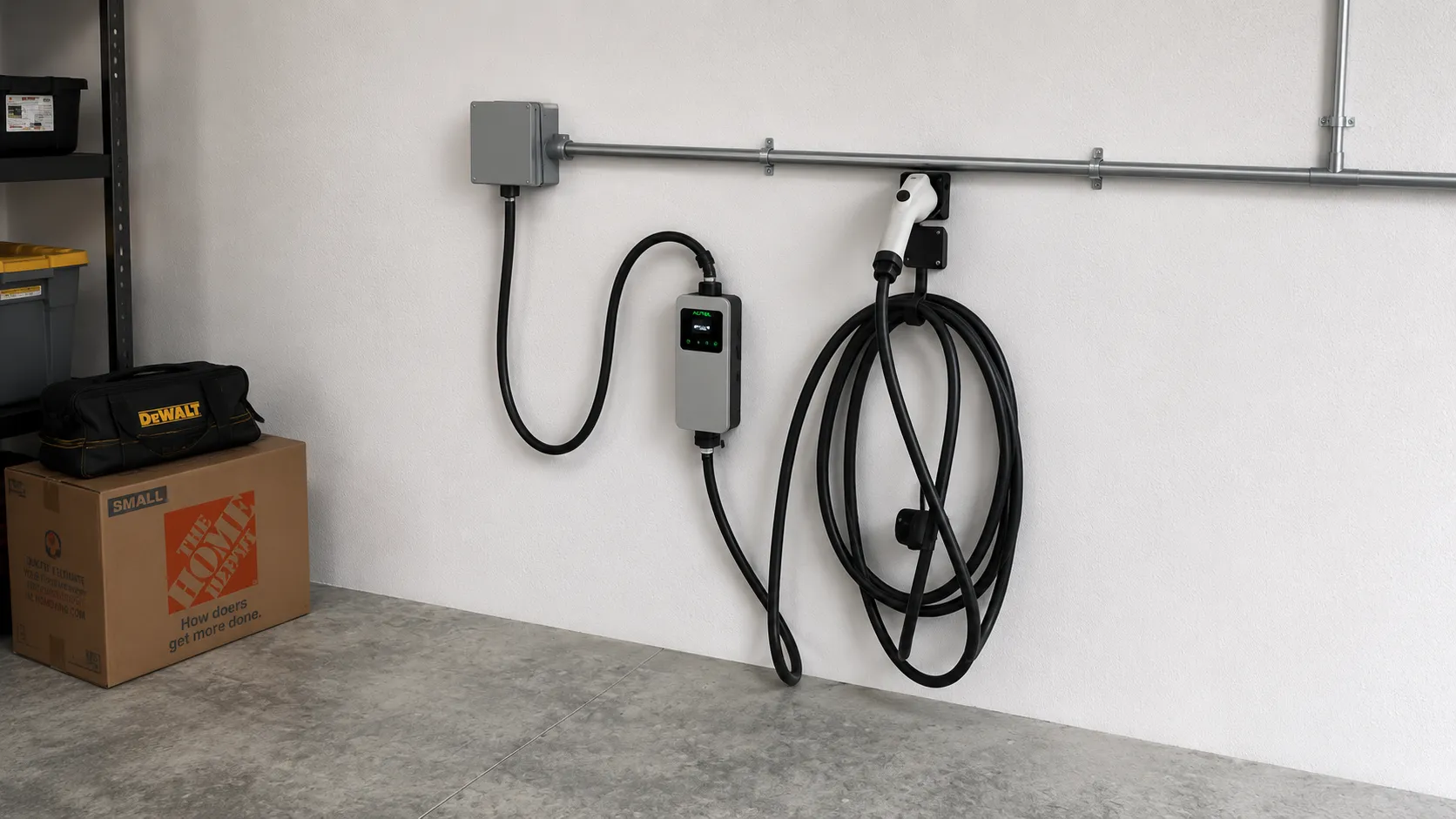
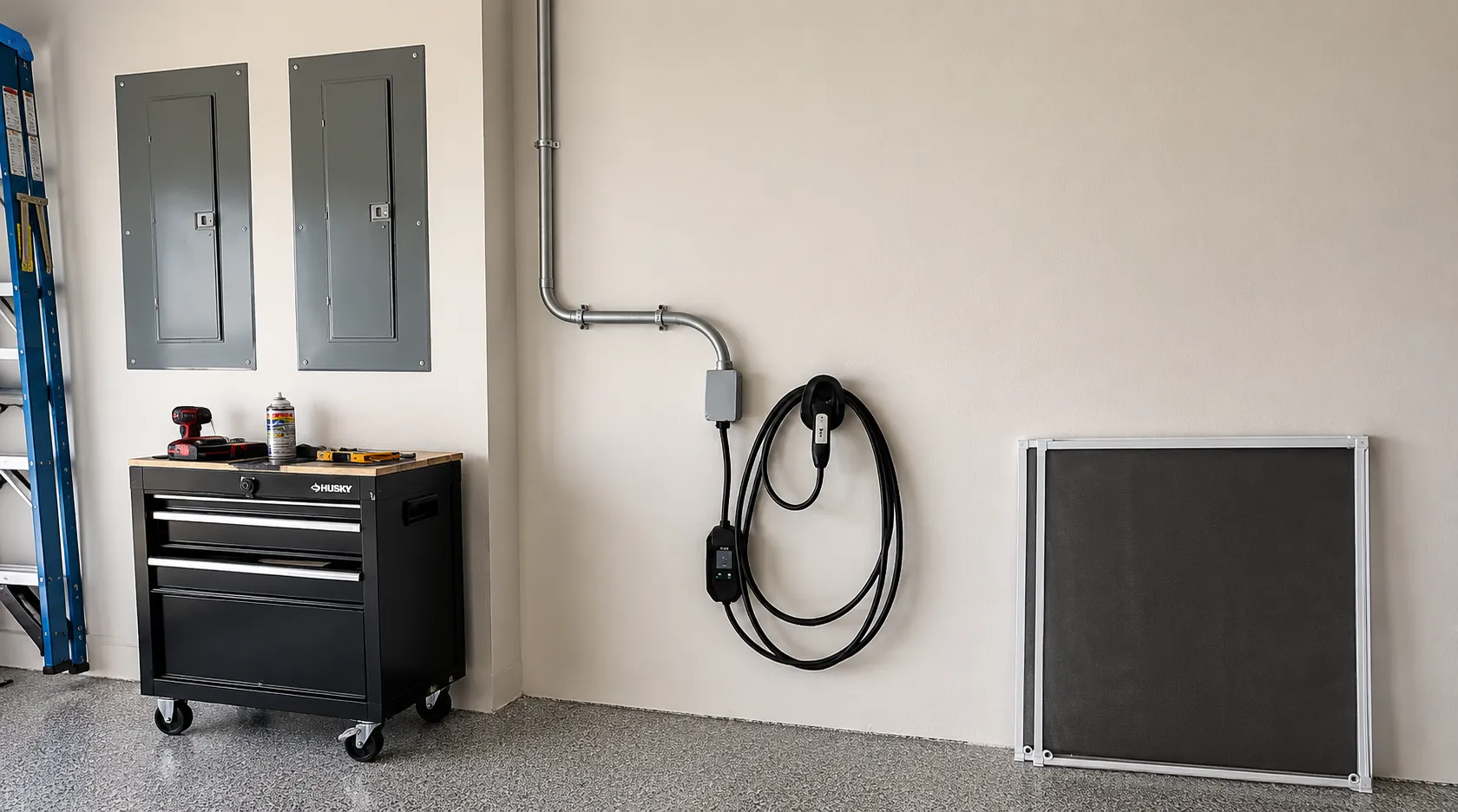
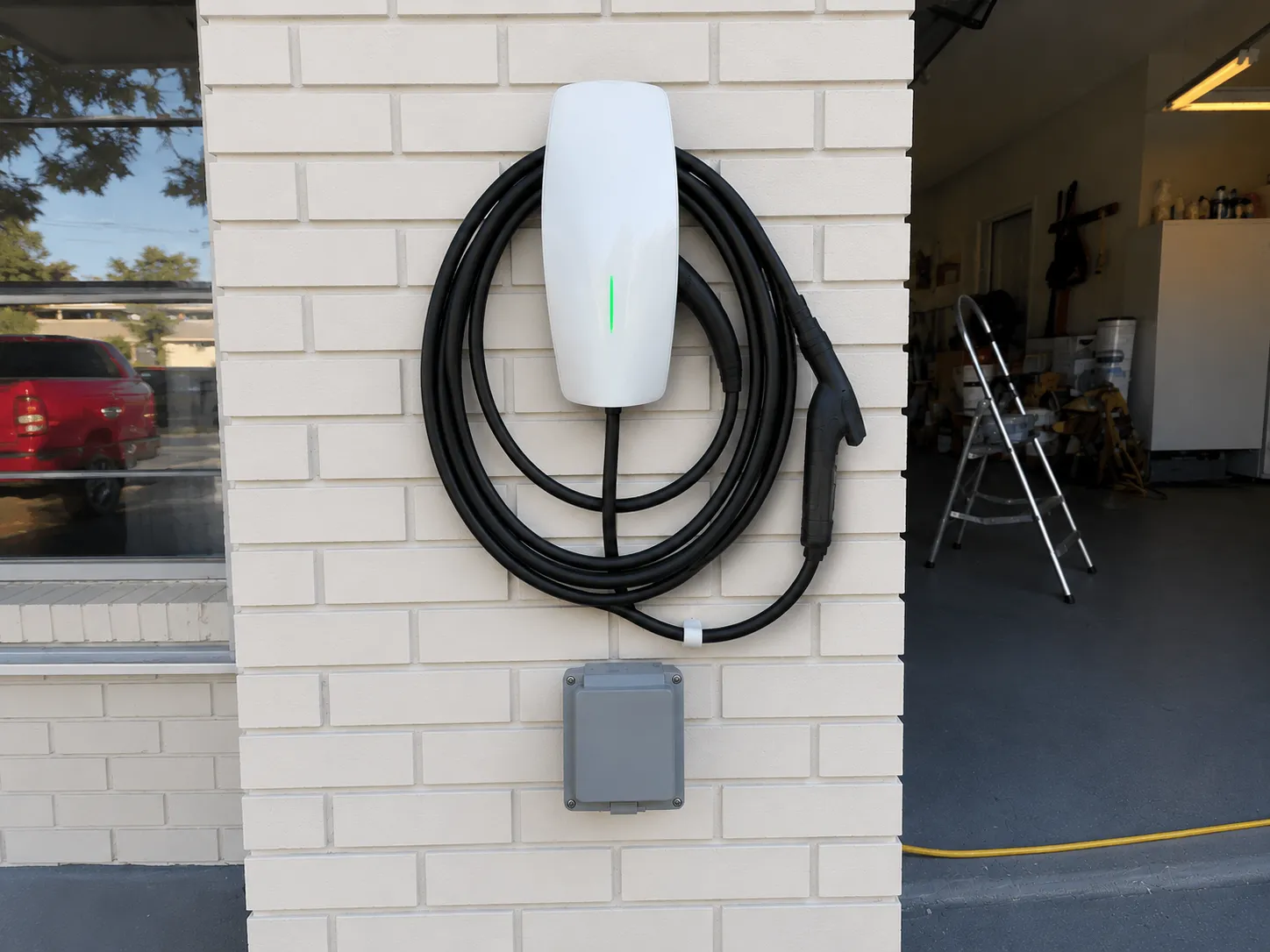
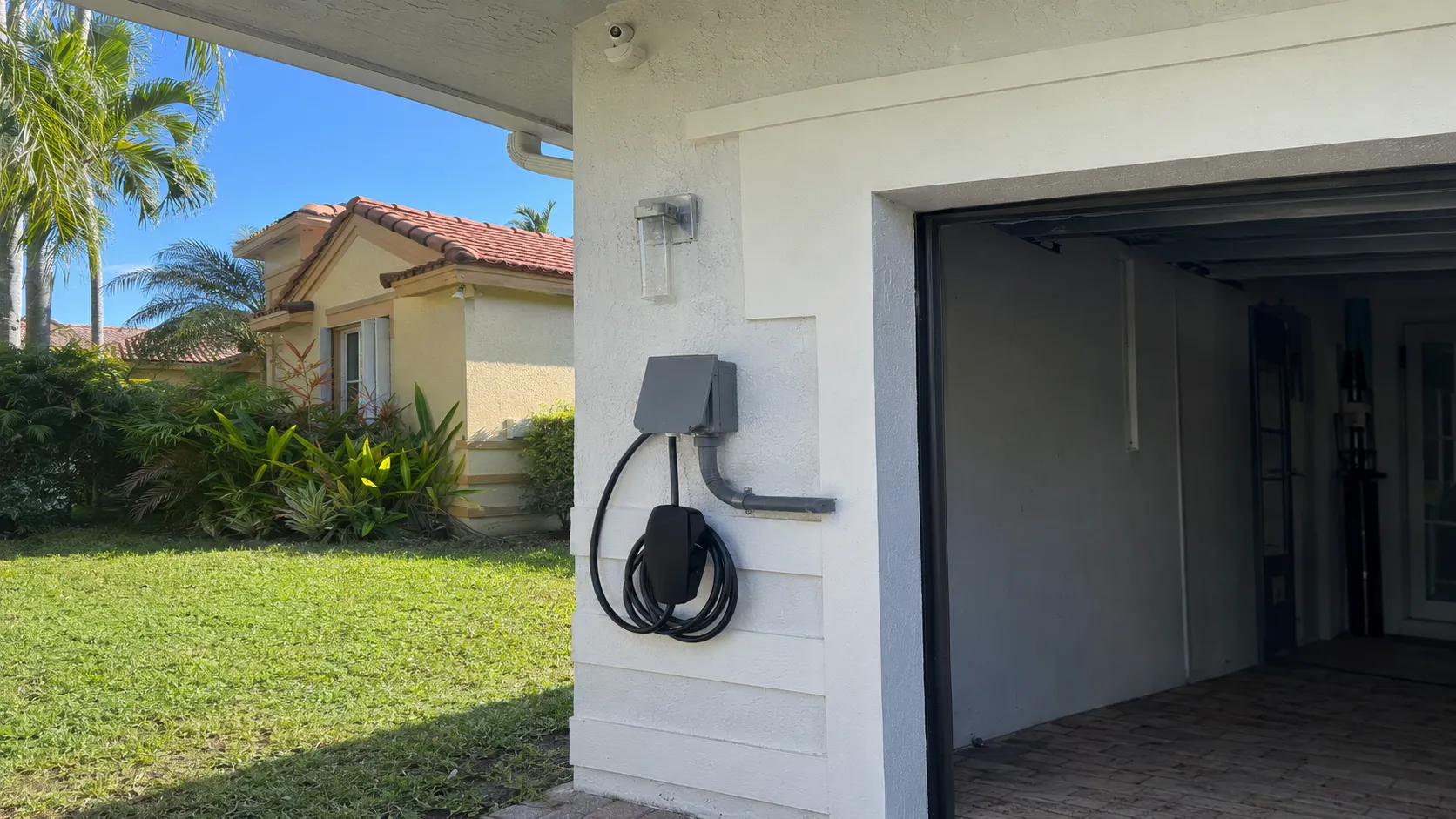
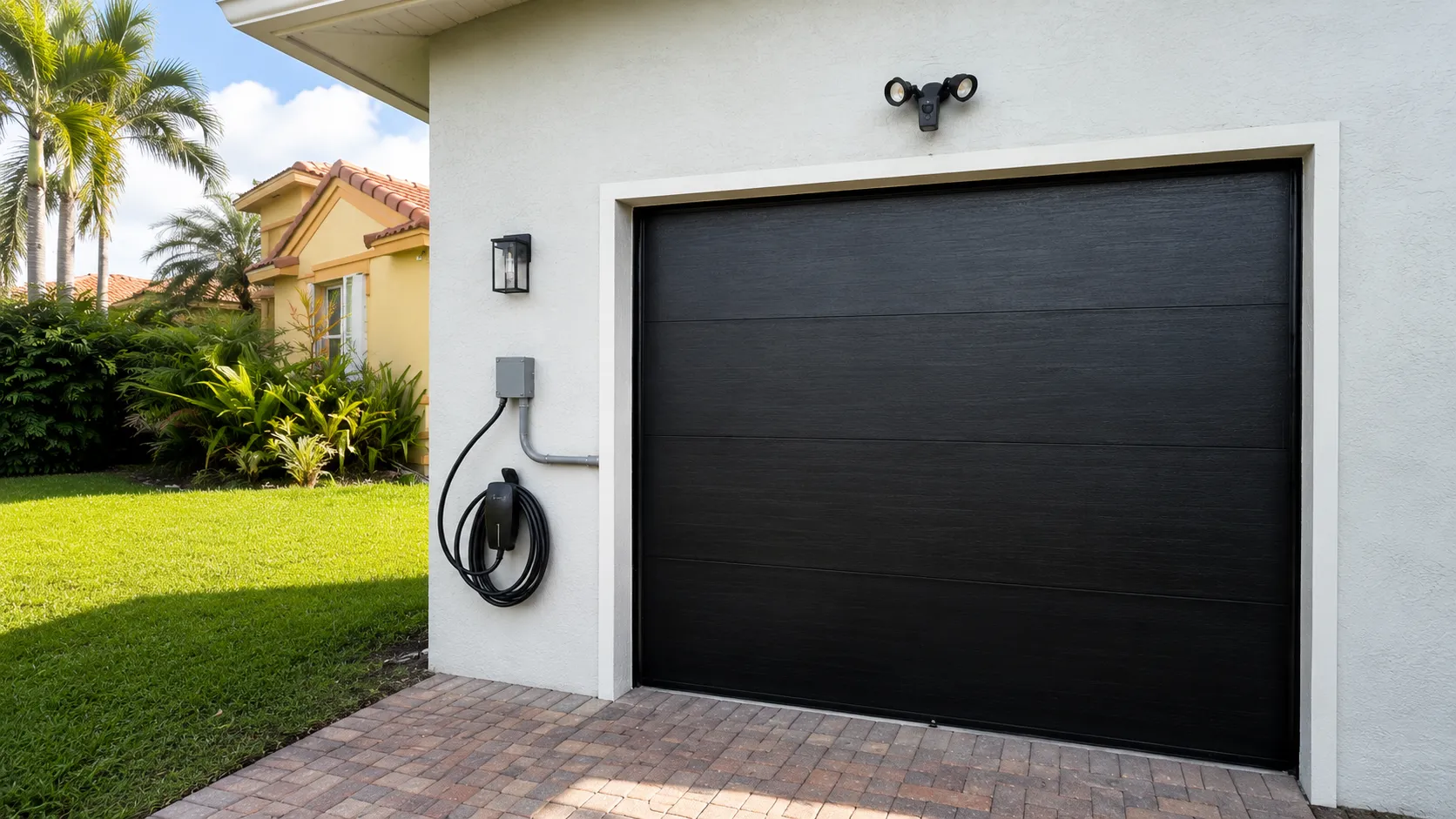
- Increased demand from modern appliances and electric vehicle chargers.
In addition, many insurance companies now require electrical inspections before issuing or renewing homeowners insurance policies, particularly for older homes.
Because of these factors, preventive electrical maintenance is no longer optional. It has become an important part of protecting your home, your family, and your investment.
Why Homeowners Trust Revoco Electricity & Home Improvement
At Revoco Electricity & Home Improvement, we believe informed homeowners make better decisions.
That is why we created this educational resource: to help you understand your home’s electrical system without confusing technical language or unnecessary sales pressure.
Whether you need electrical repairs, a panel upgrade, surge protection, lighting installation, or simply want to learn more about keeping your home safe, our goal is to provide honest information you can trust.
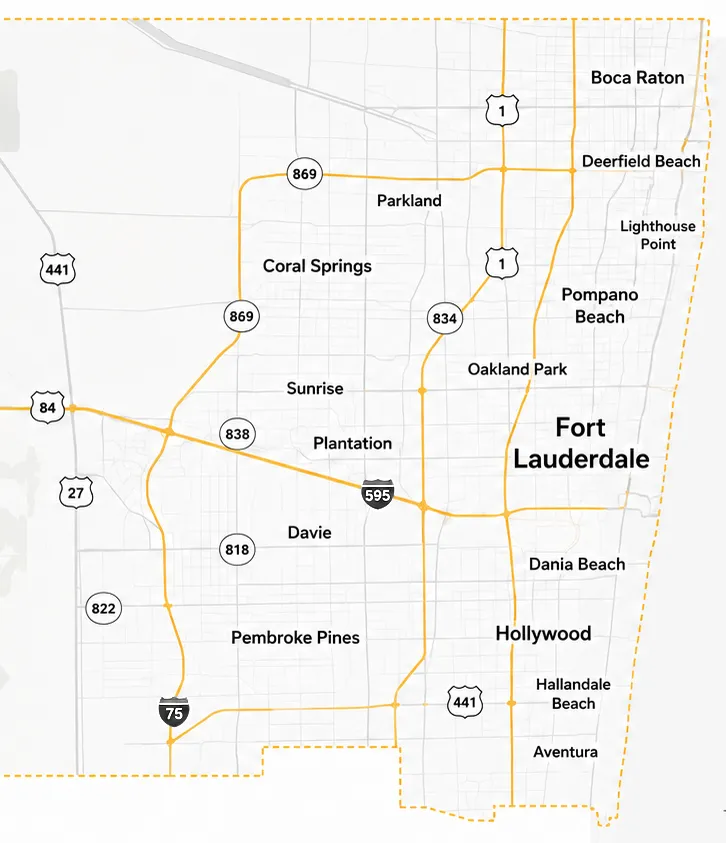
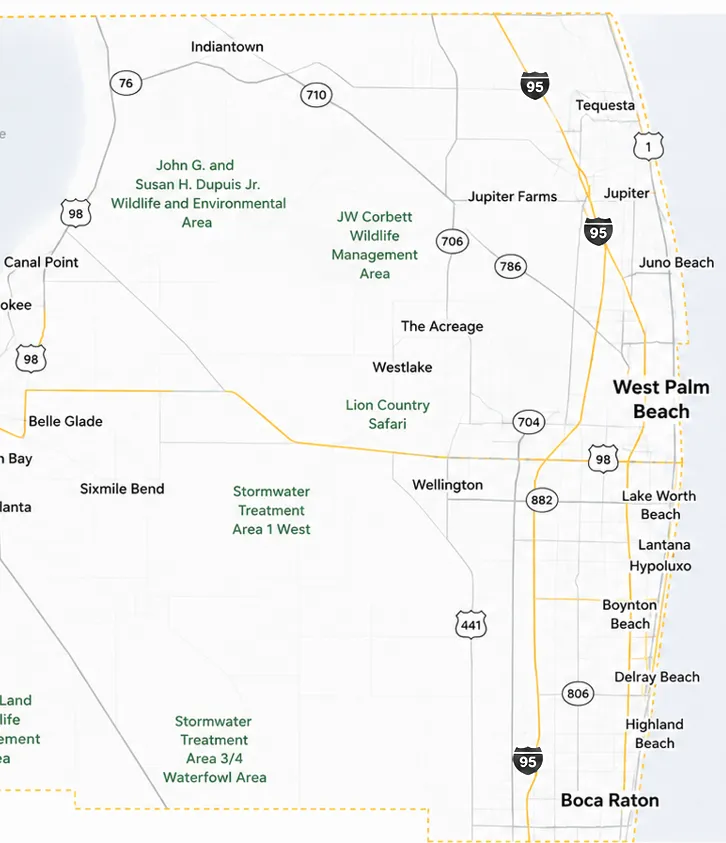
We proudly serve homeowners throughout Broward County and Palm Beach County with dependable residential electrical solutions focused on safety, quality workmanship, and long-term reliability.
Understanding Your Home’s Electrical System
Your home’s electrical system is one of the most essential, and often overlooked, parts of your property. It powers everything from your lights and appliances to your air conditioning, security systems, and modern technology. Yet many homeowners do not think about their electrical system until something goes wrong.
In Florida, maintaining a safe electrical system is even more important. Homes here face high humidity, frequent lightning storms, hurricane season, salt air in coastal communities, and increasing insurance requirements. These factors place additional stress on electrical systems and increase the importance of regular inspections and preventive maintenance.
Before learning how to identify electrical problems, it helps to understand how electricity travels through your home. Although it may seem complicated, every residential electrical system follows the same basic path, from the utility company to the devices you use every day.
1. The Utility Service
Electricity begins outside your home.
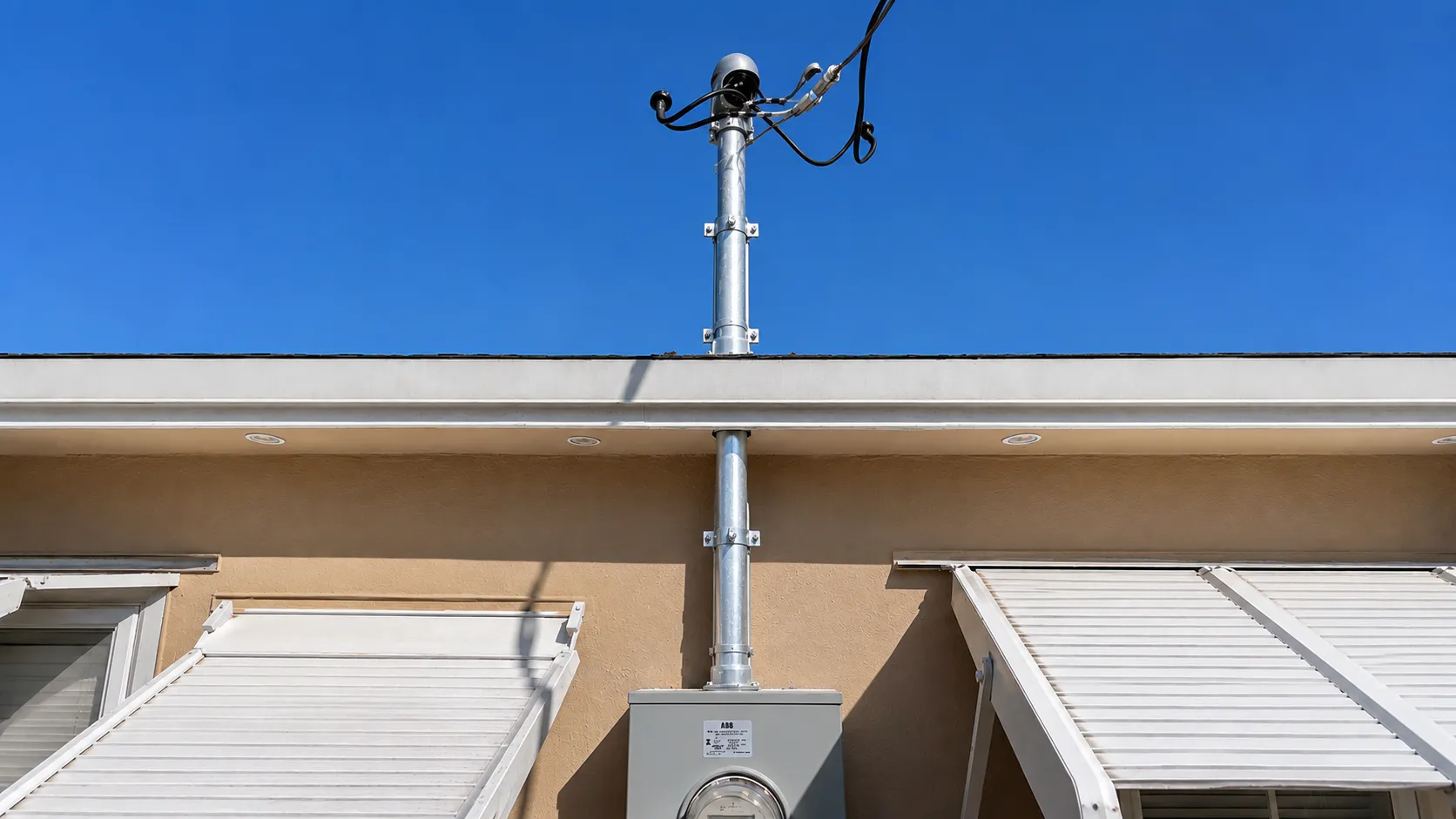
Power is delivered from your local utility company through overhead or underground lines until it reaches your property. This incoming electrical service provides the energy your home needs to operate everything from your refrigerator and air conditioner to your lighting and electronic devices.
Although homeowners rarely need to interact with this portion of the system, understanding where electricity enters your property helps explain how the rest of the system functions.
2. The Electric Meter
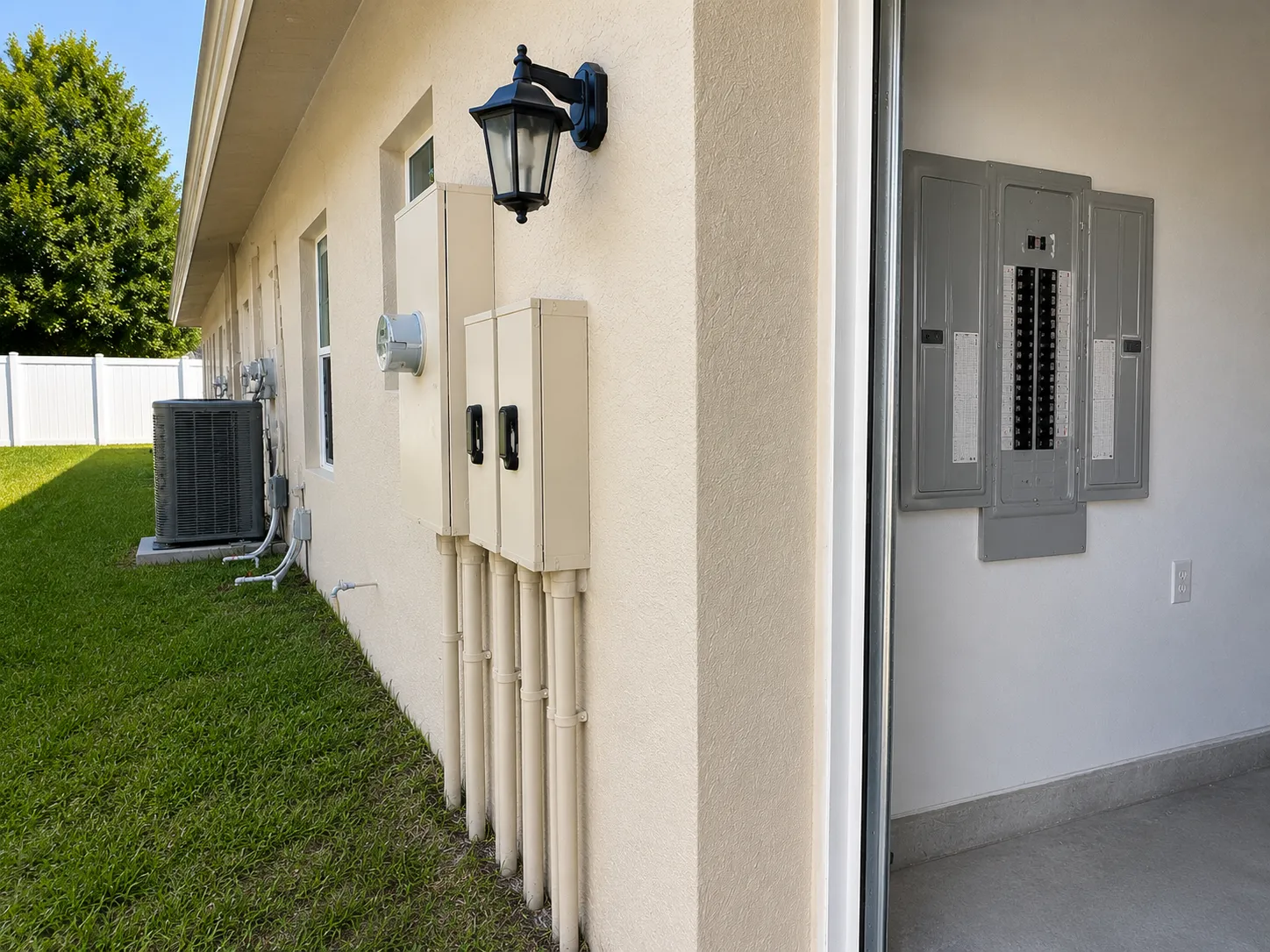
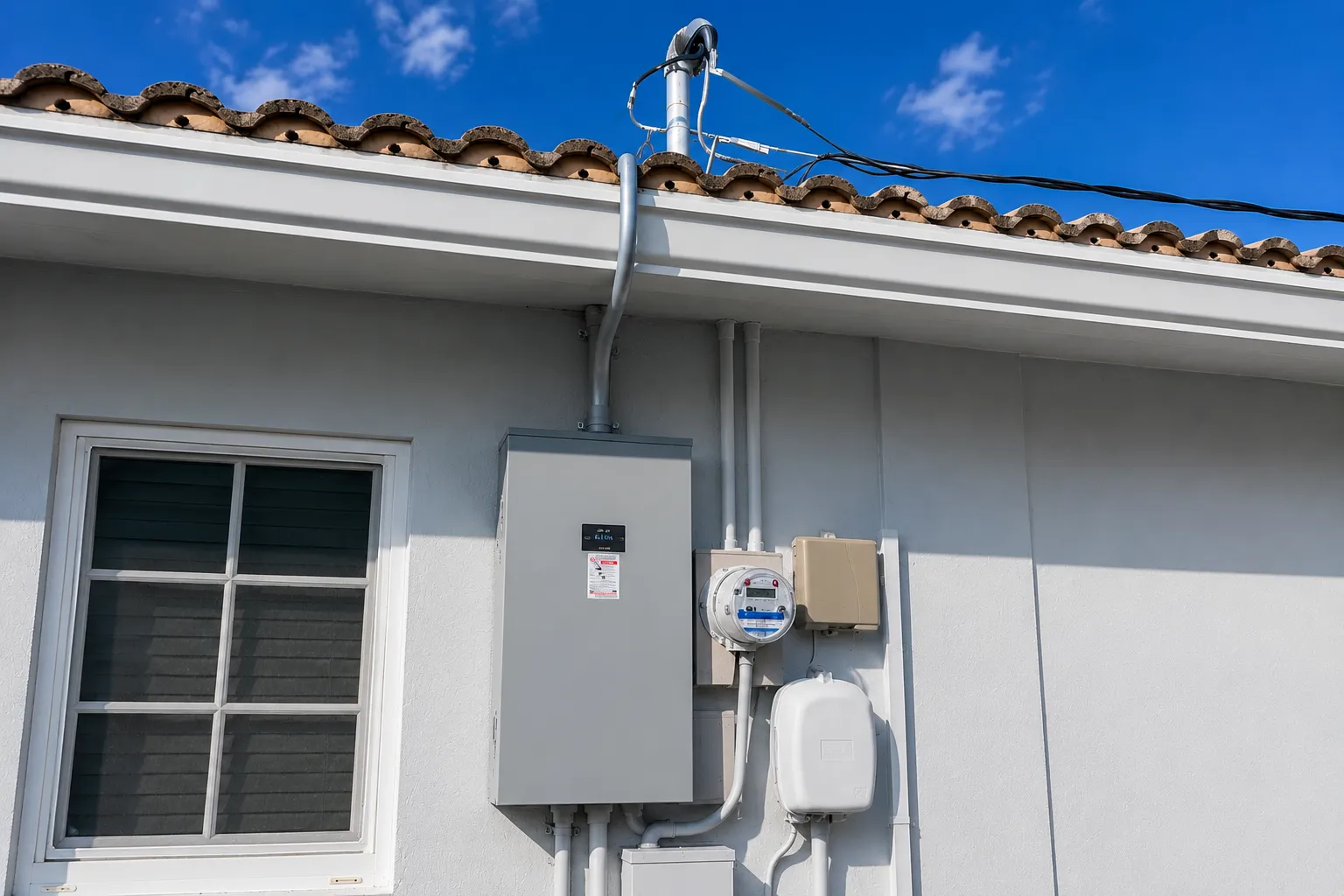
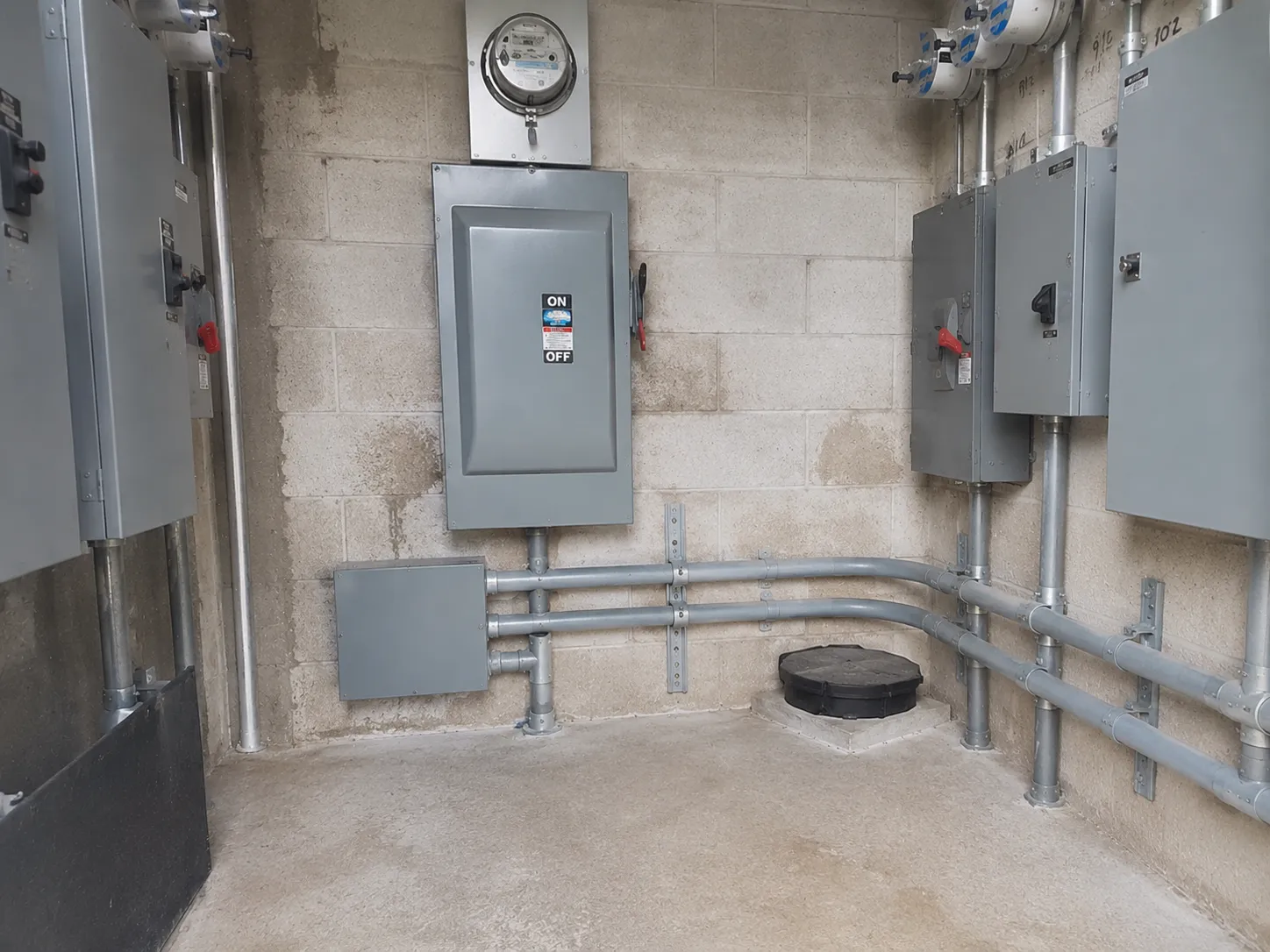
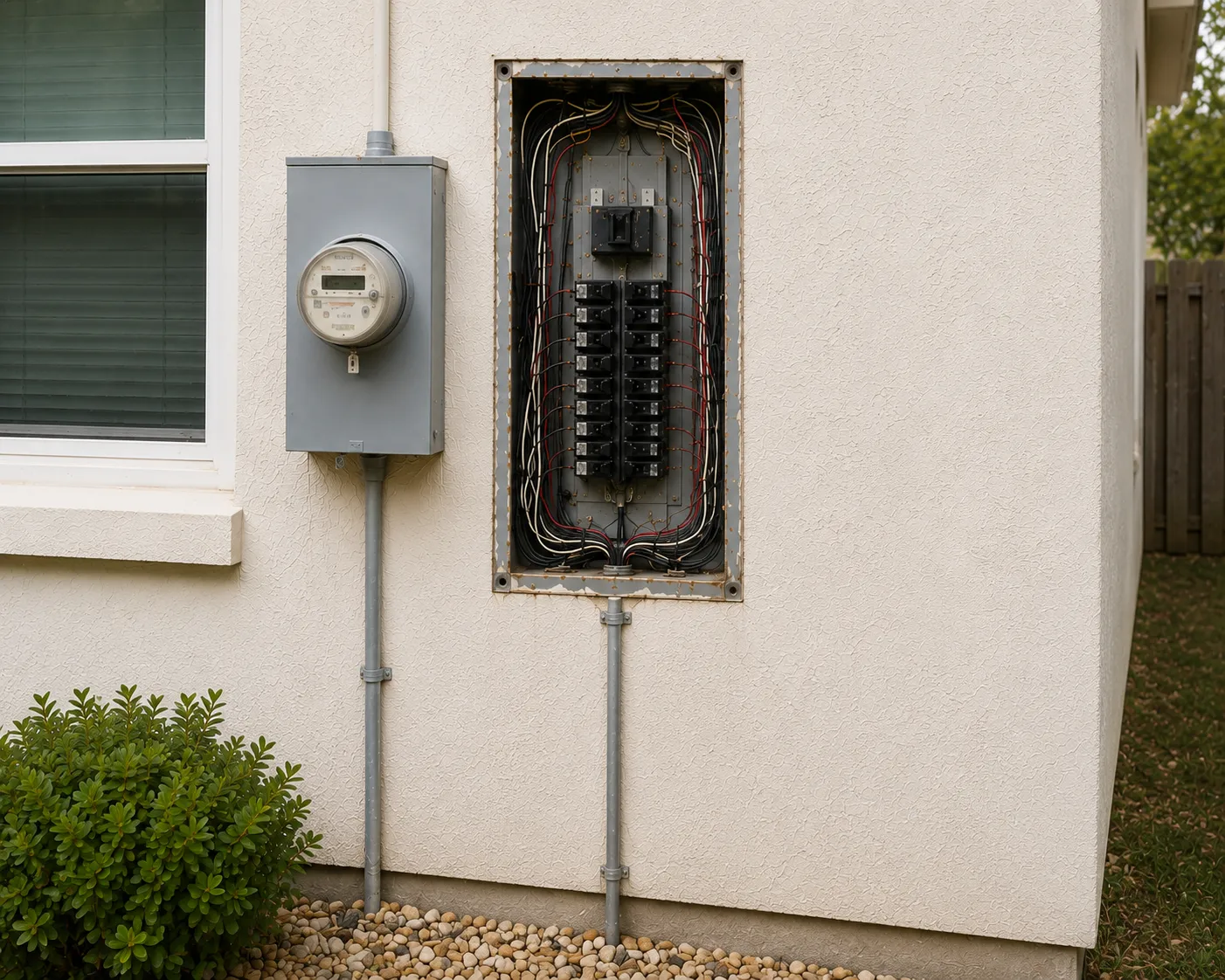
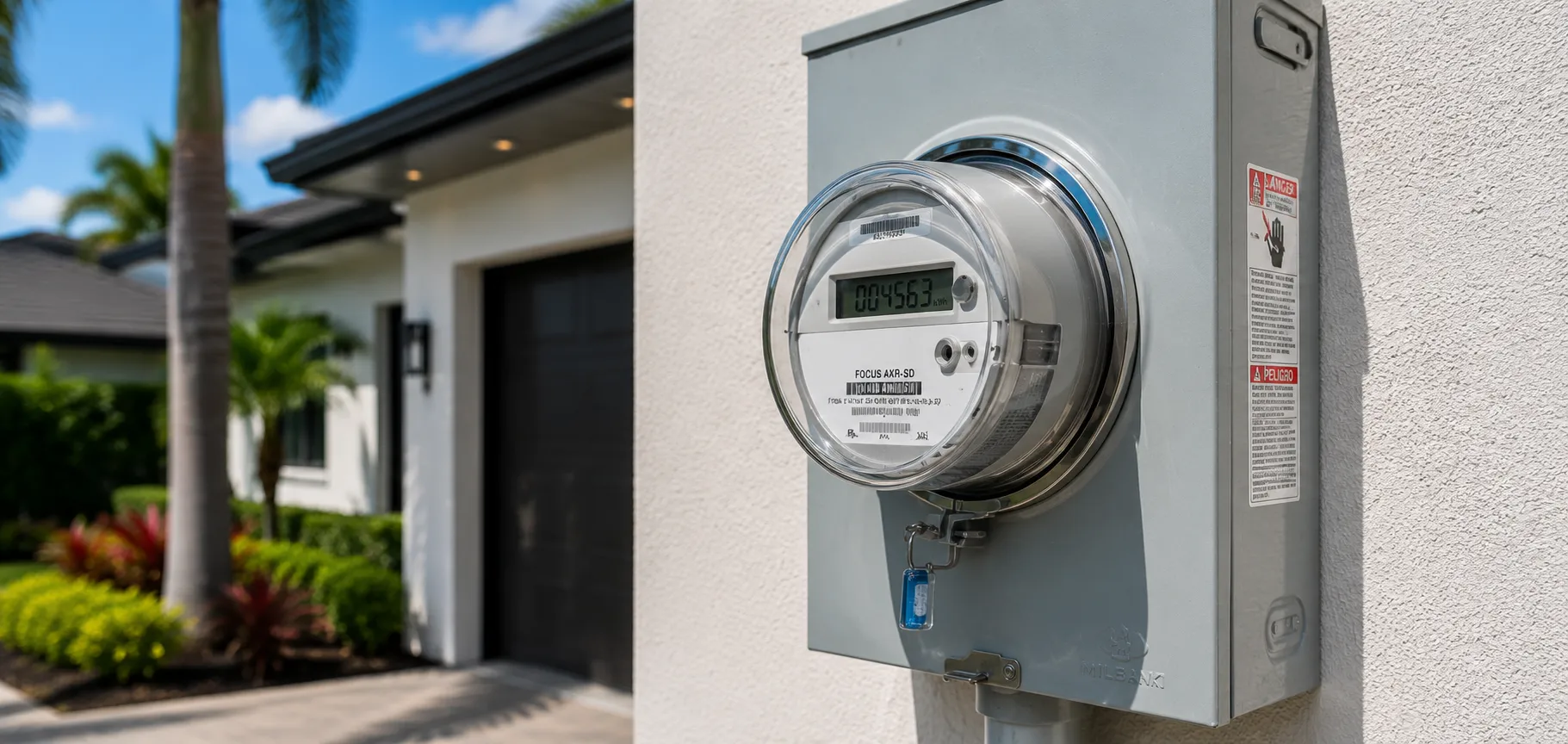
Before electricity enters your home’s electrical panel, it passes through the electric meter.
The meter records the amount of electricity your household consumes each month so your utility company can calculate your energy usage. Modern digital meters automatically transmit this information, while older homes may still have traditional analog meters.
Although homeowners generally do not need to maintain the meter themselves, it is important to keep the area around it accessible and free from damage.
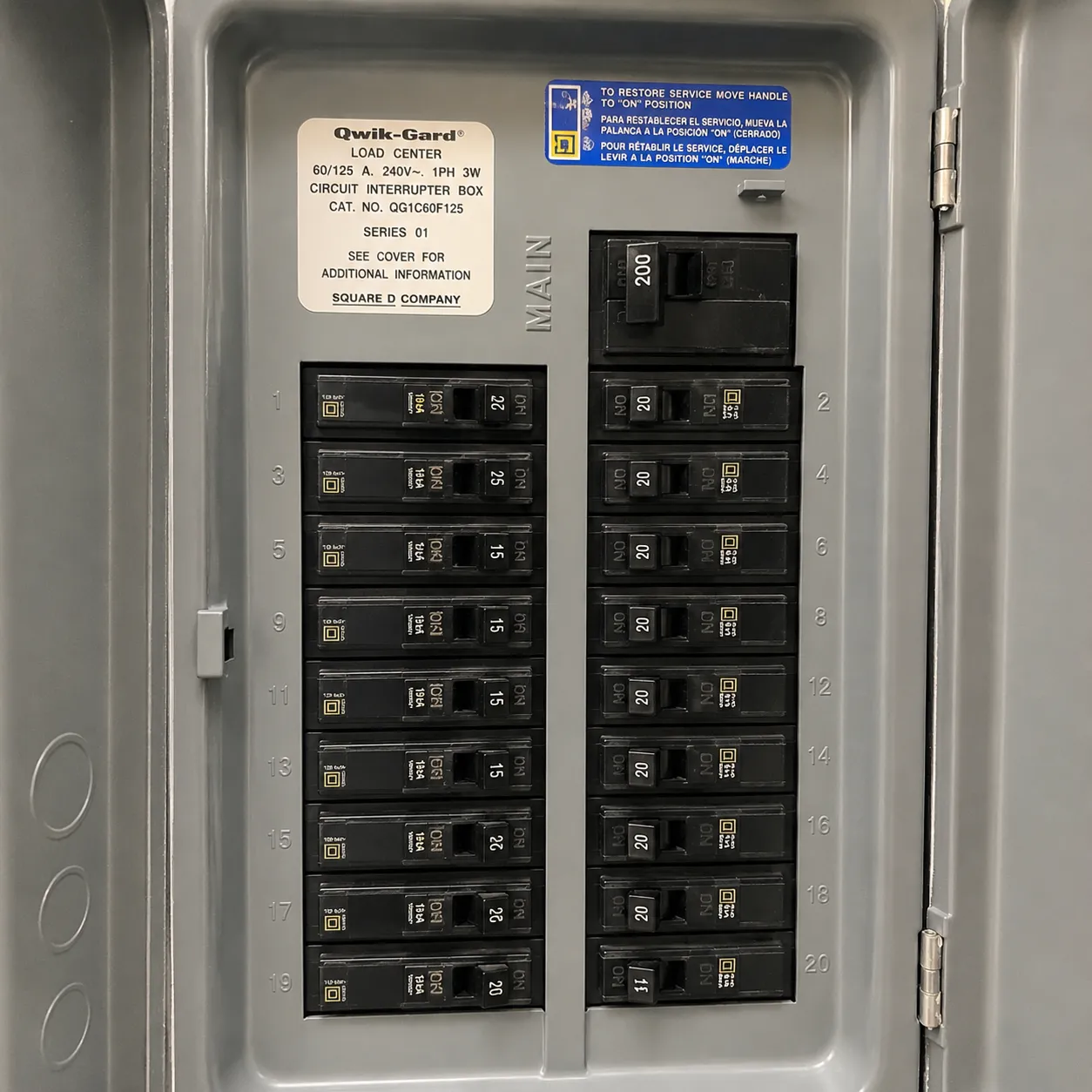
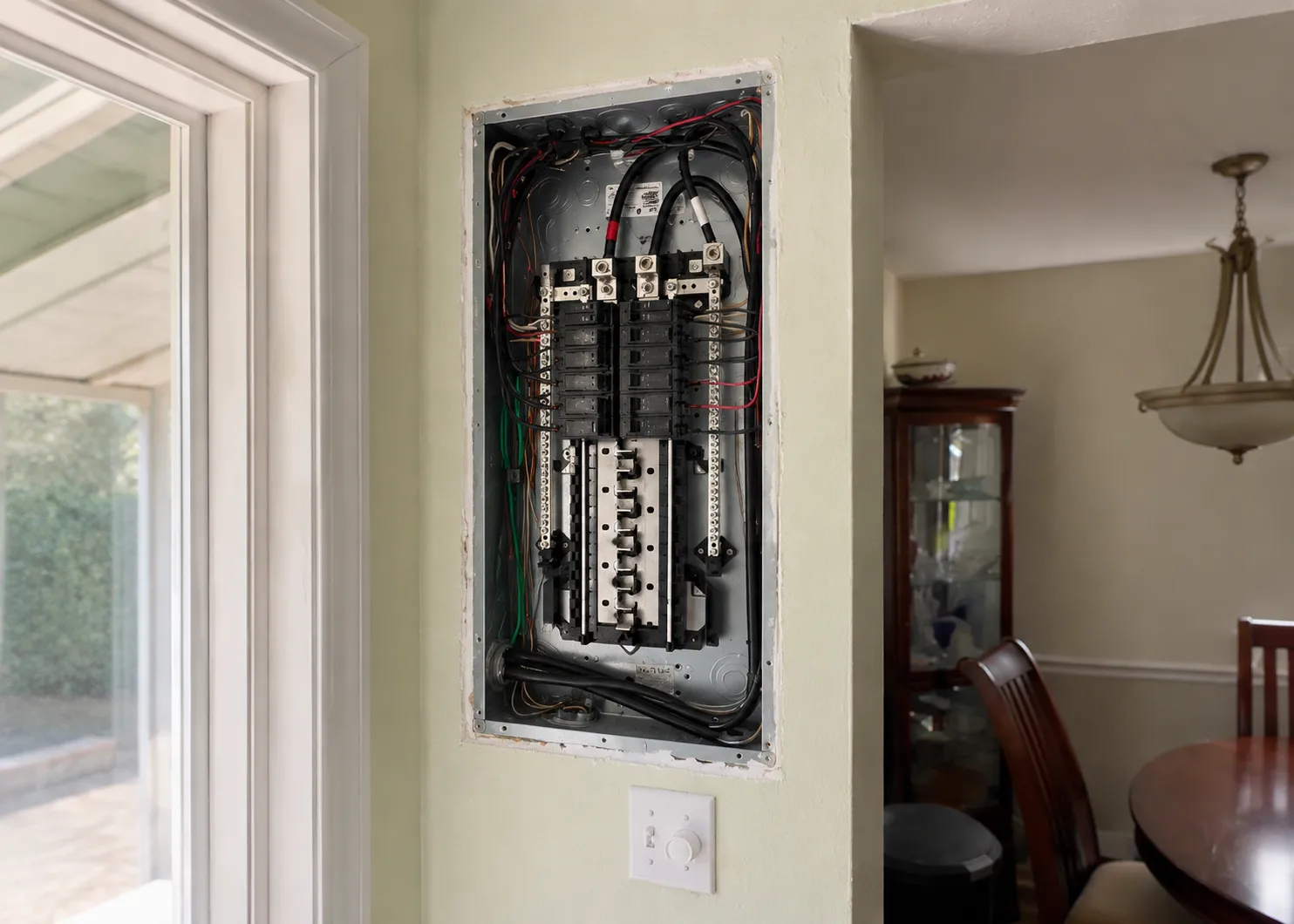
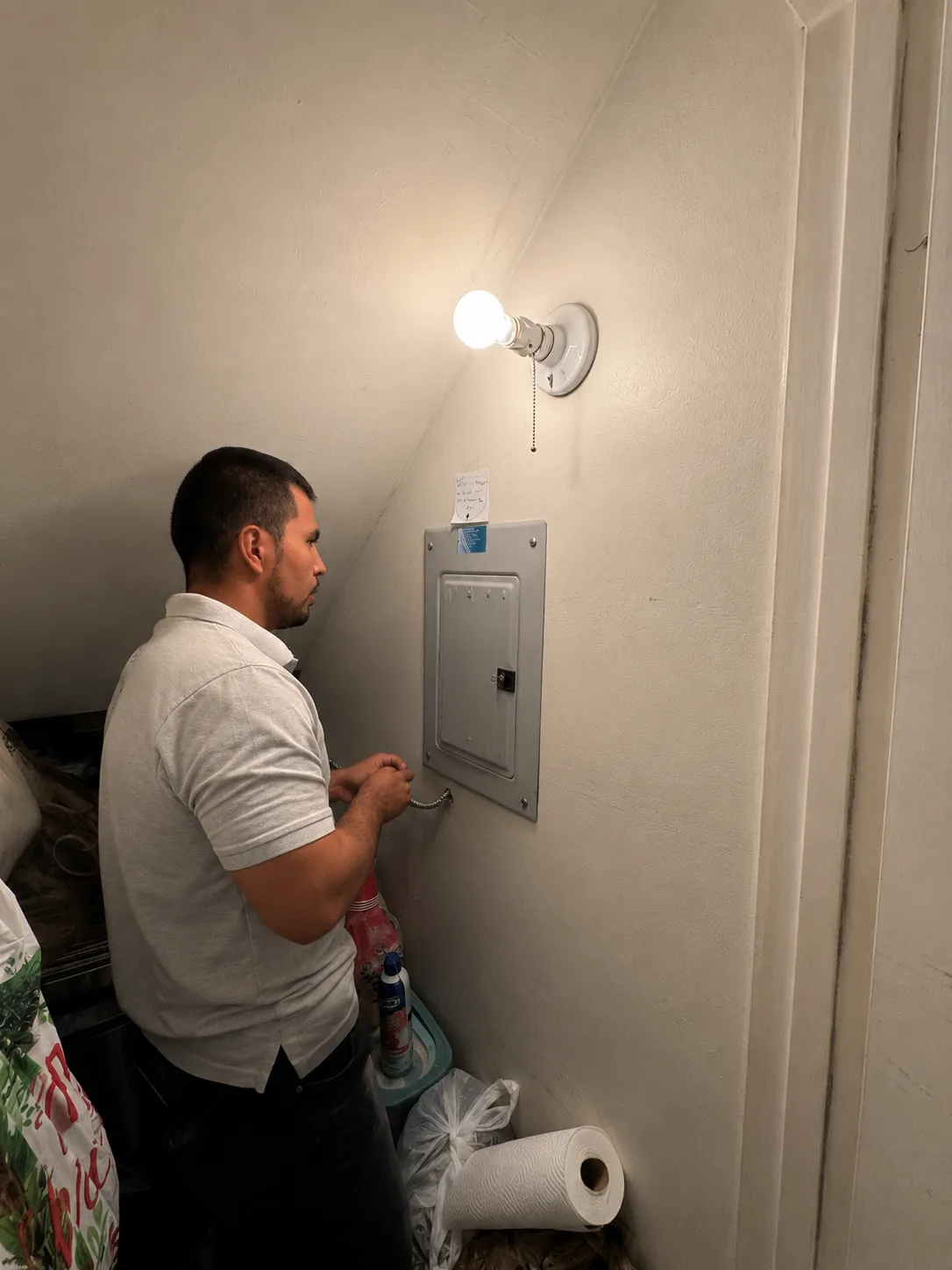
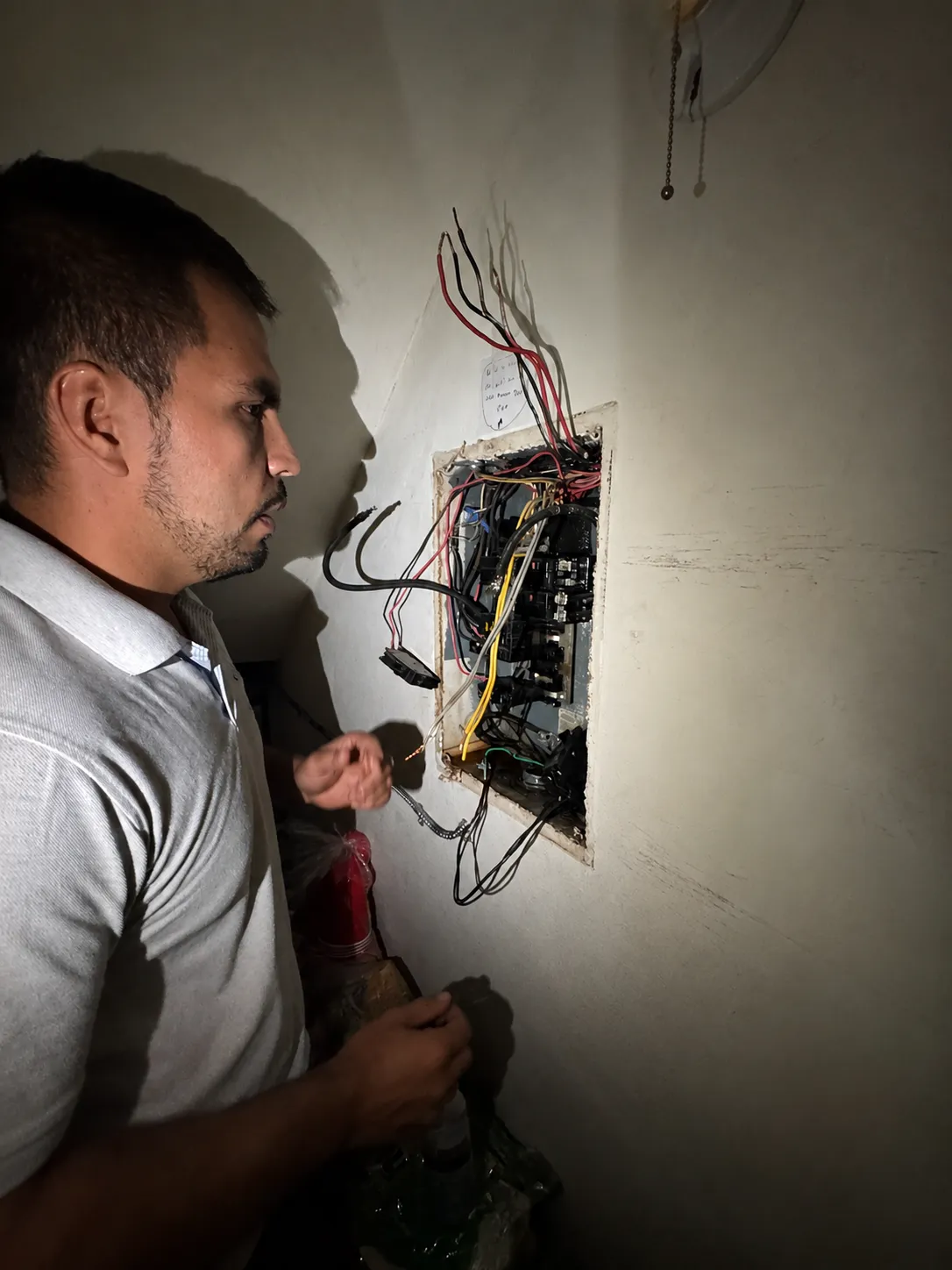
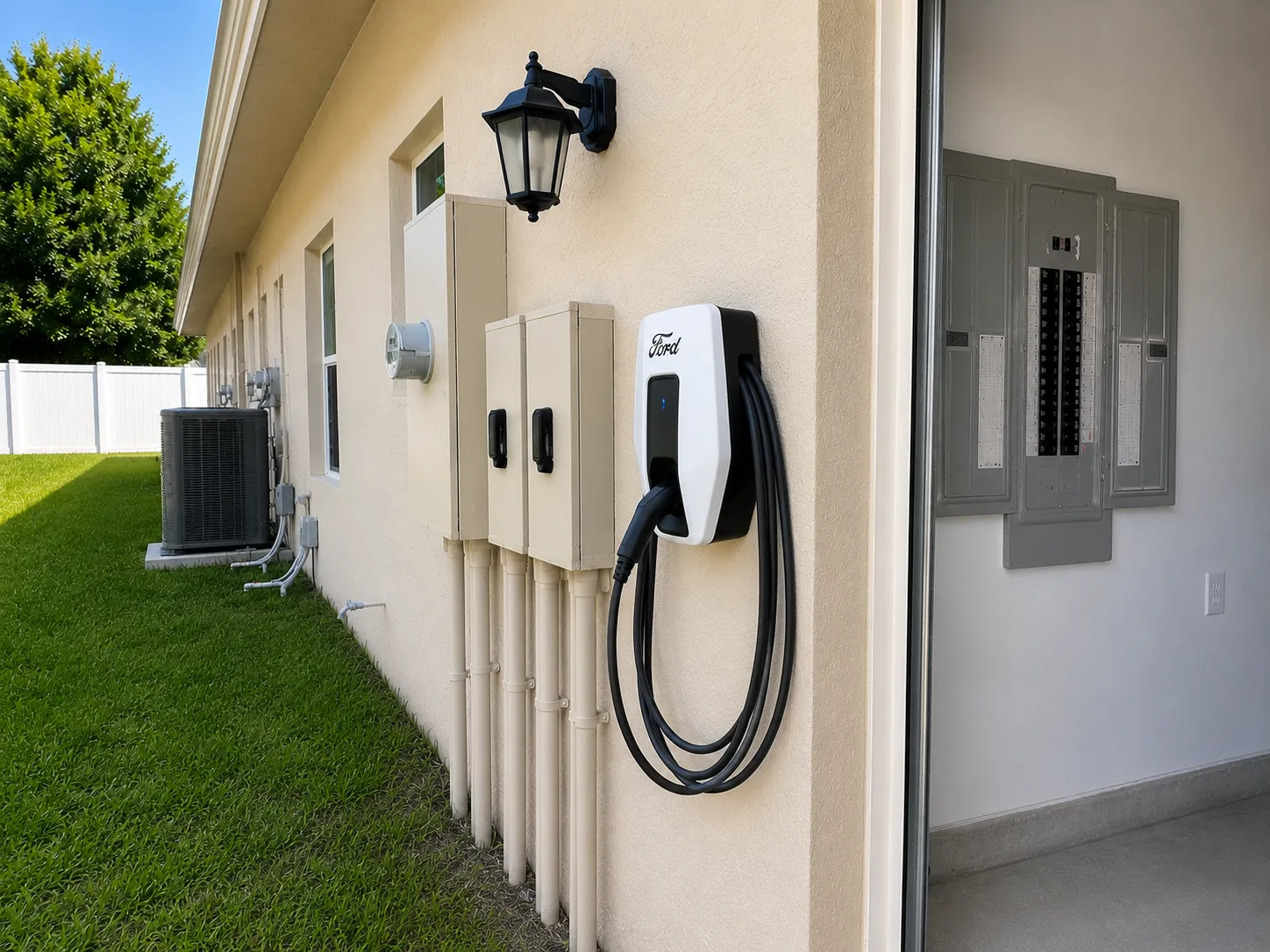
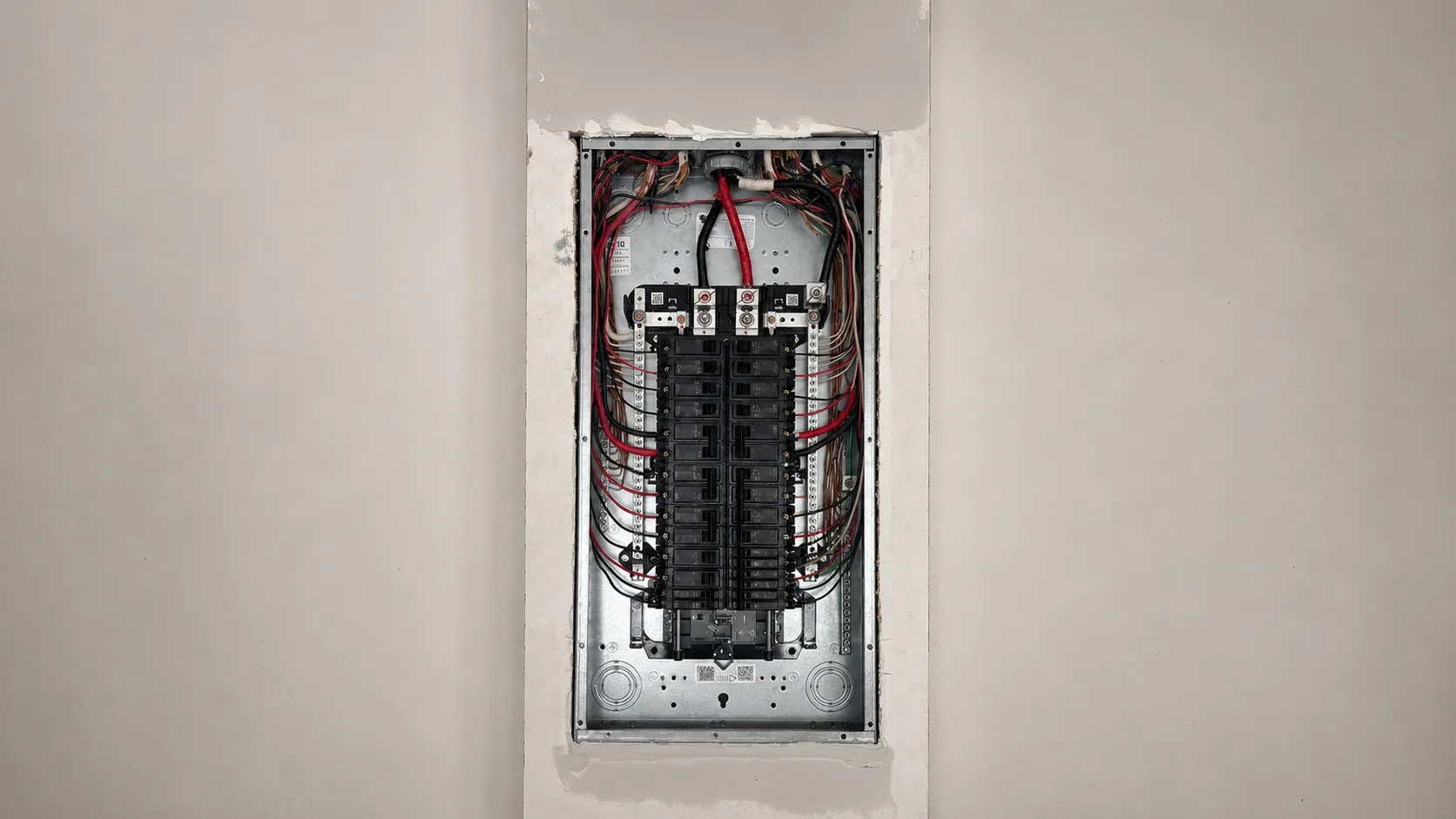
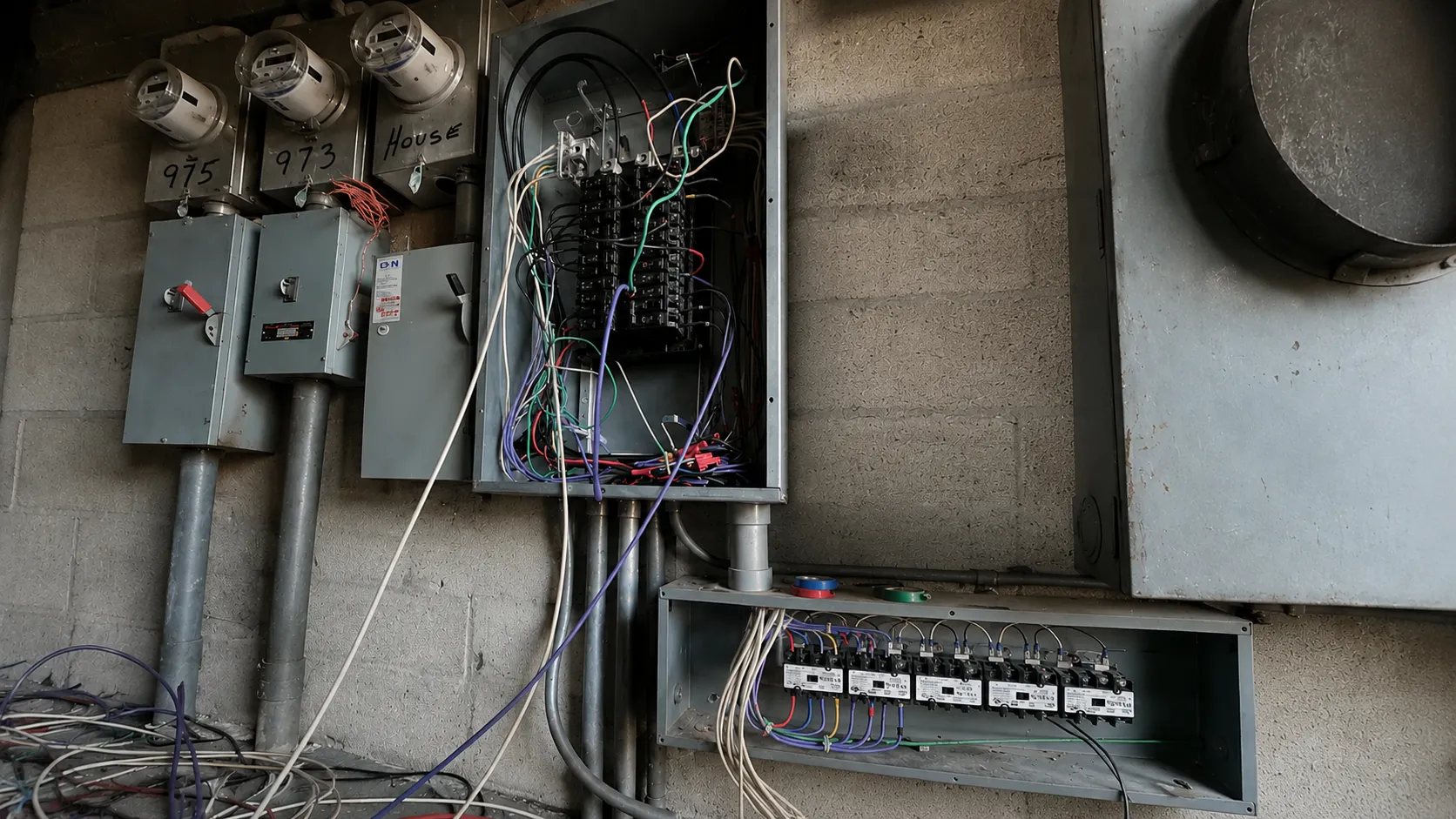
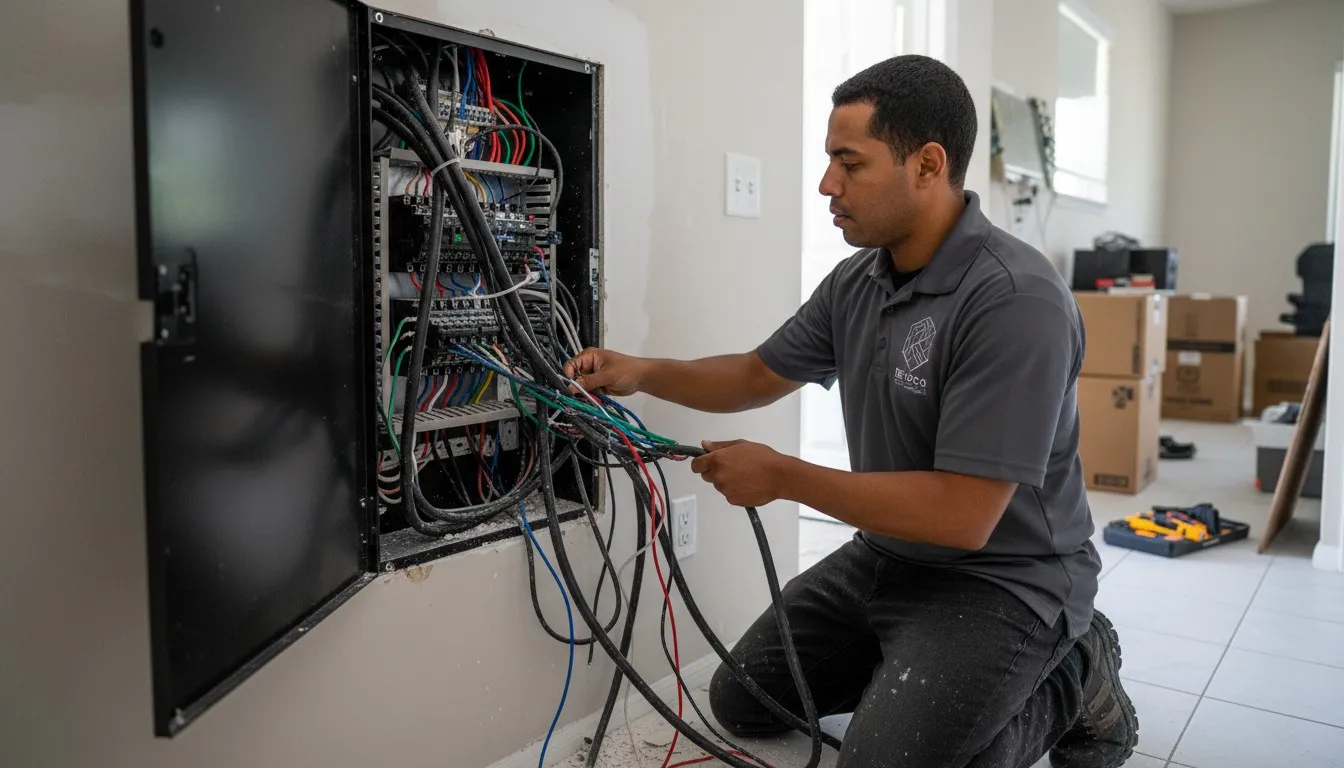
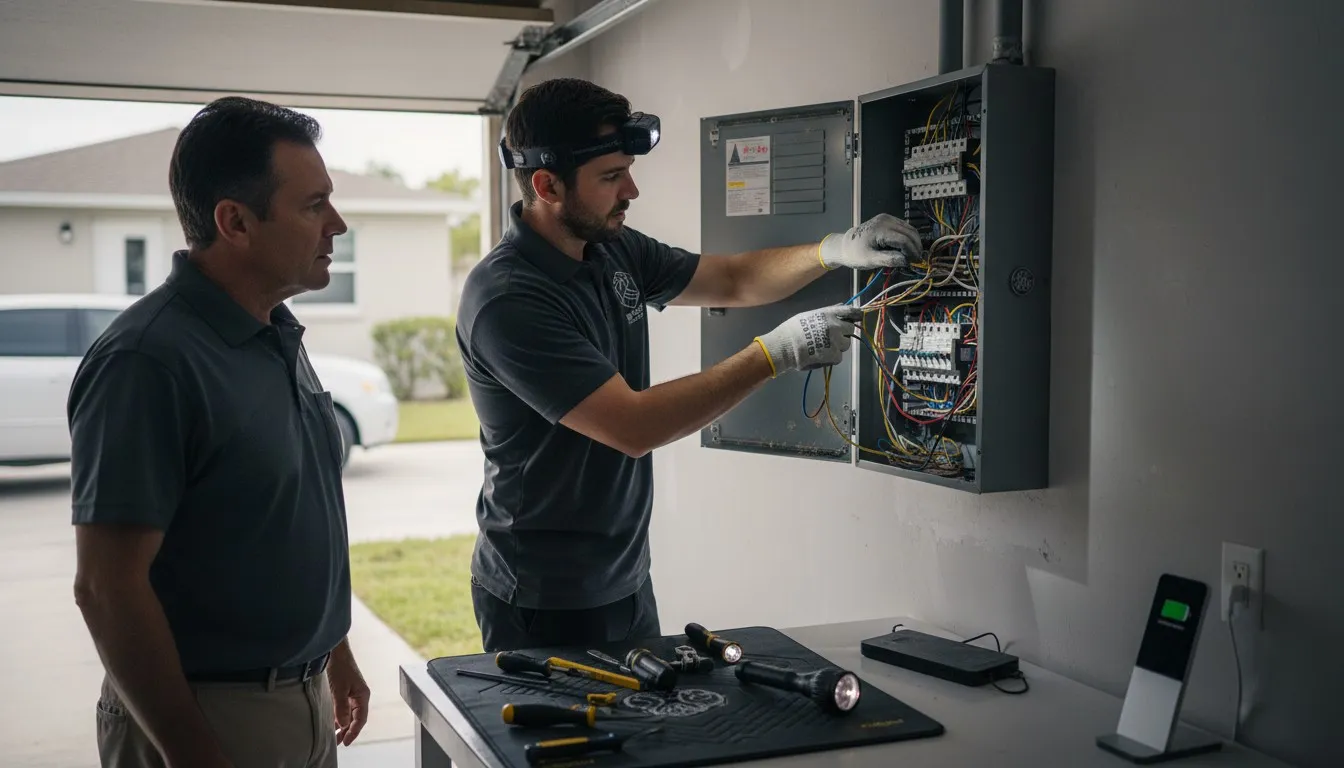
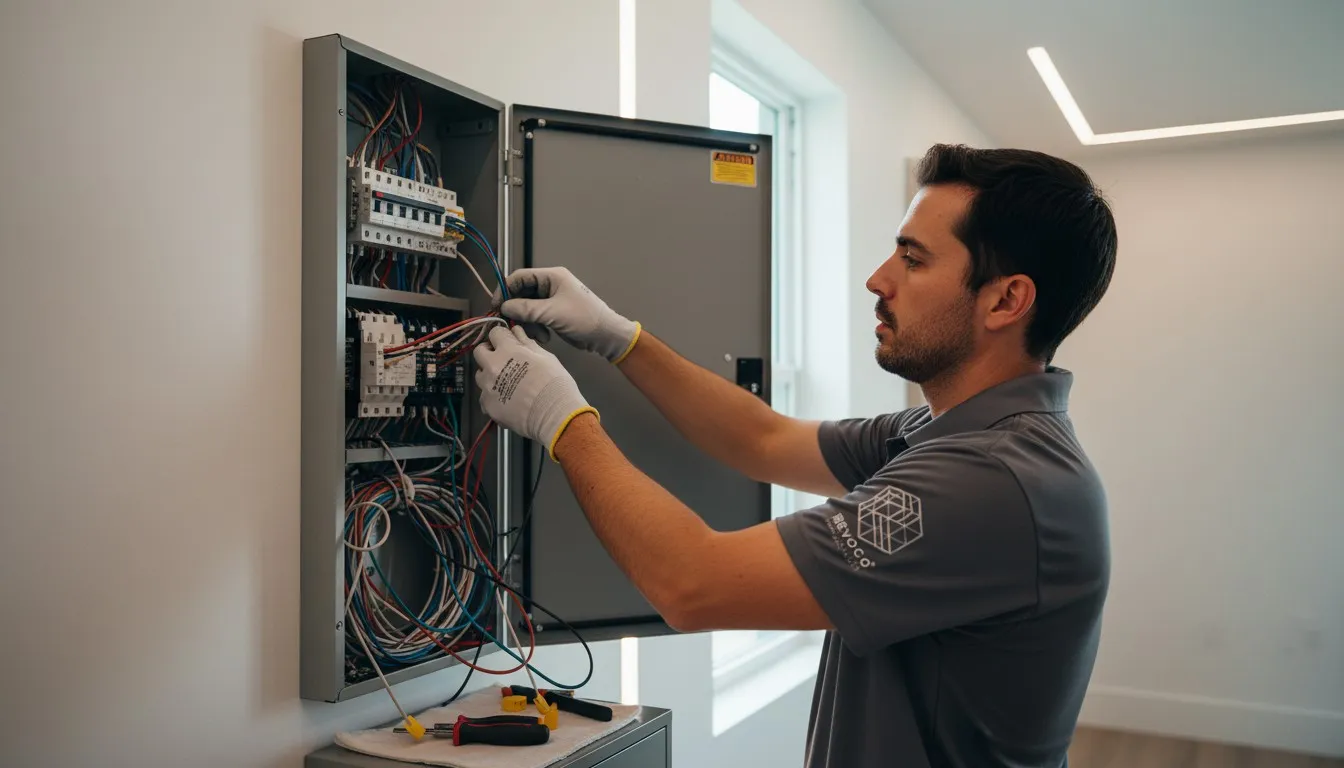
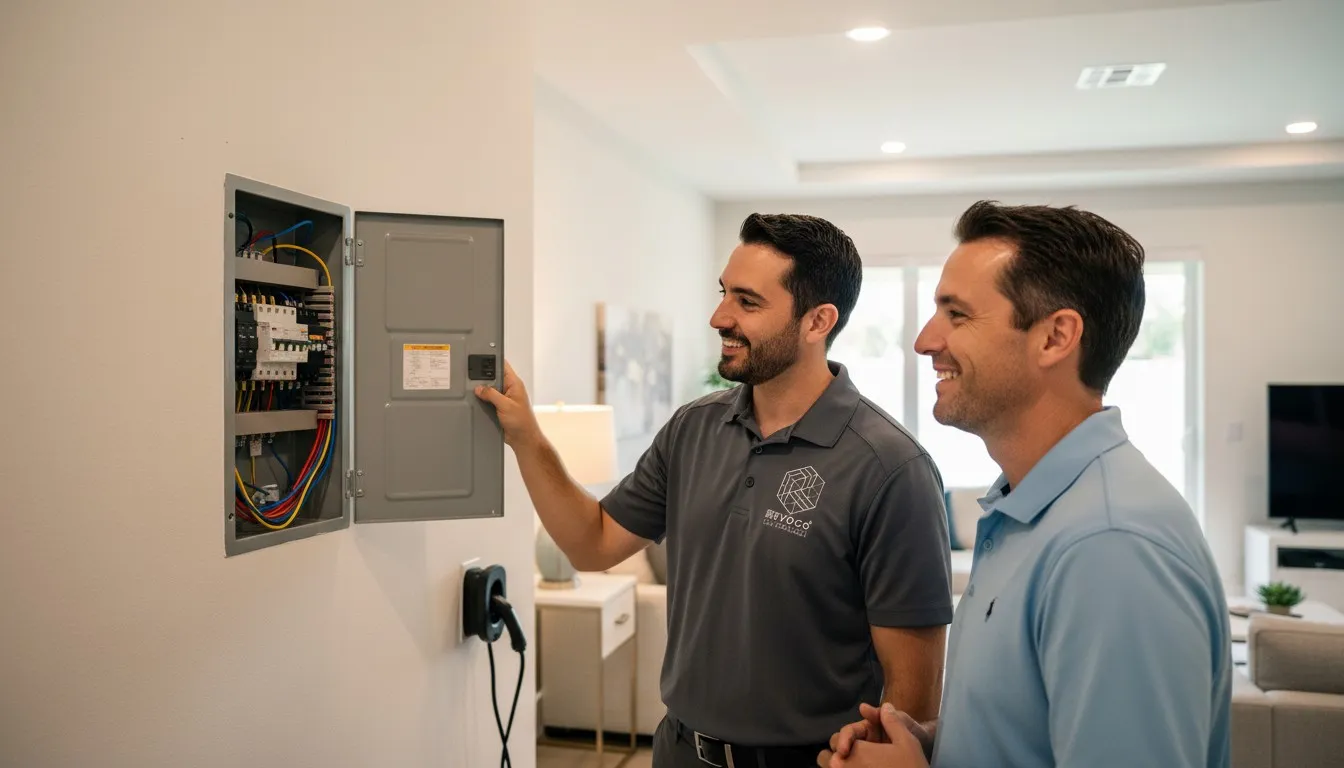
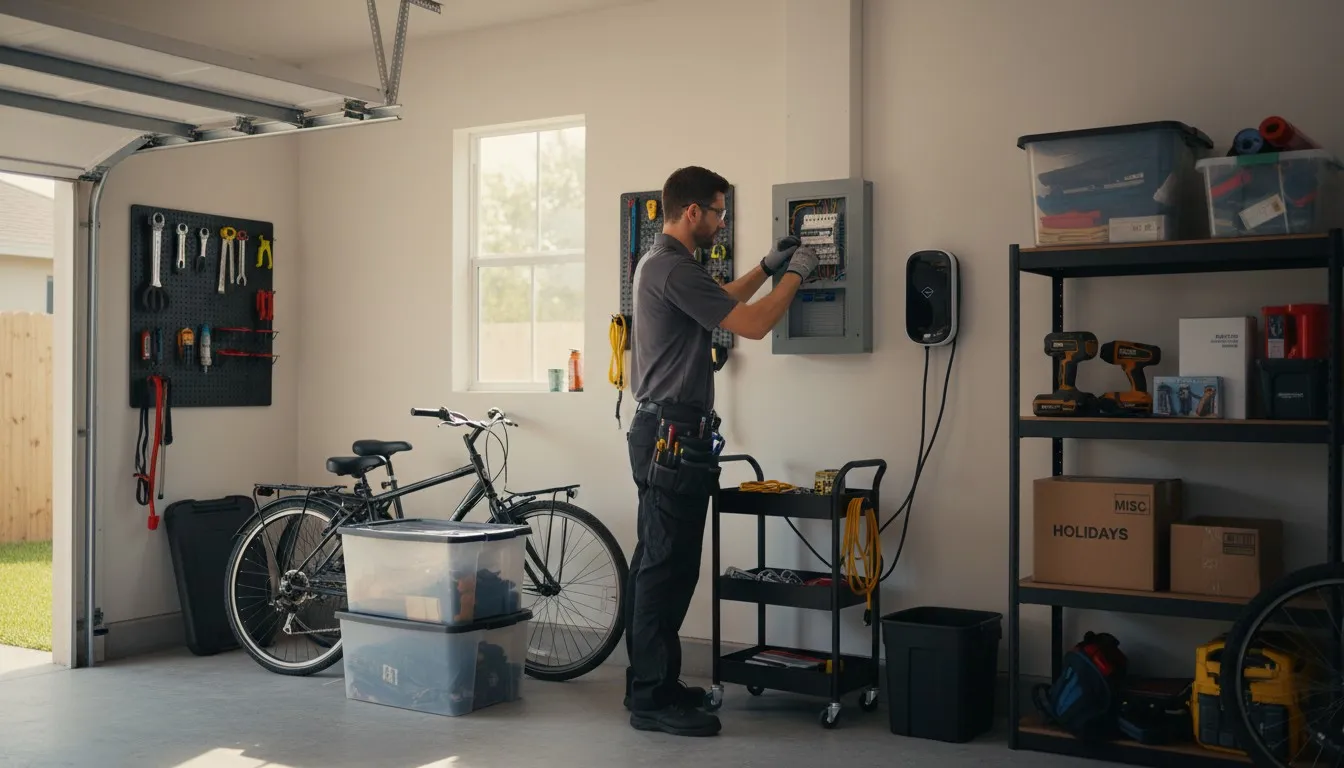
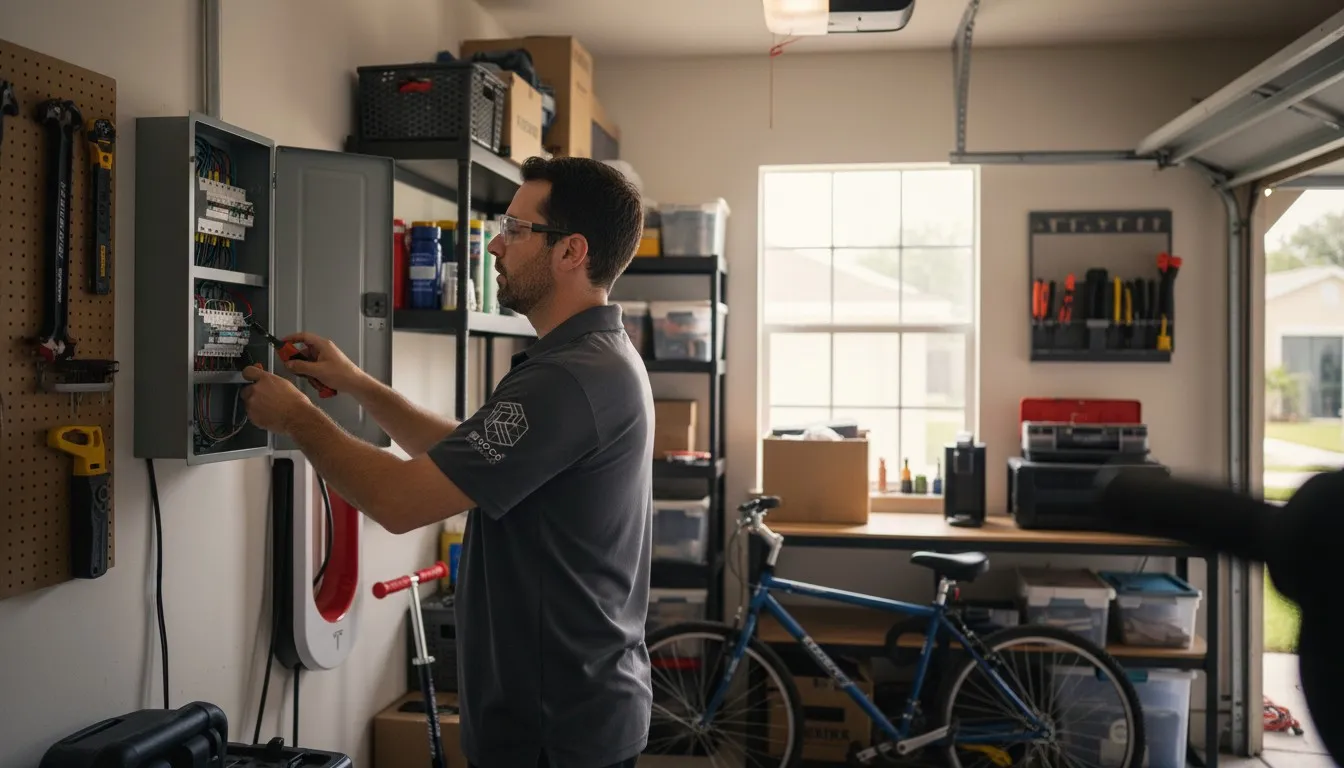
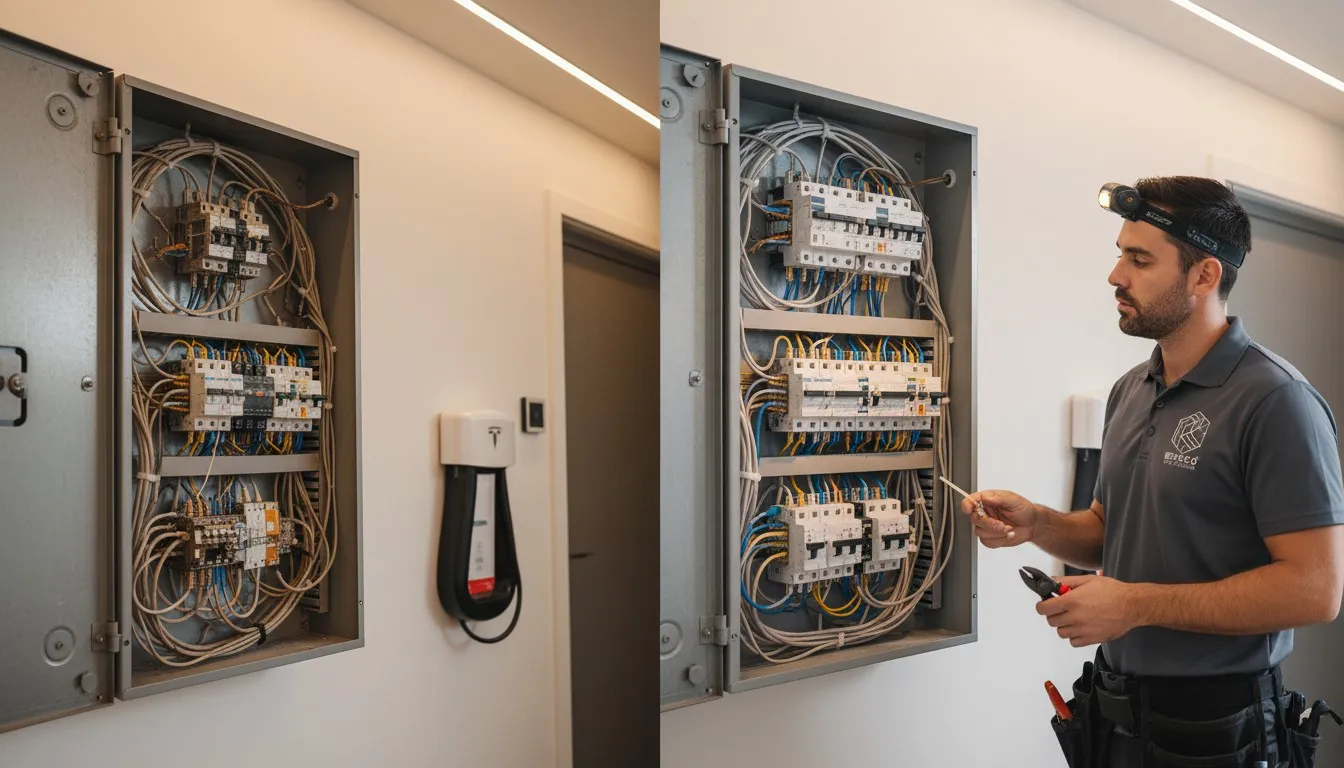
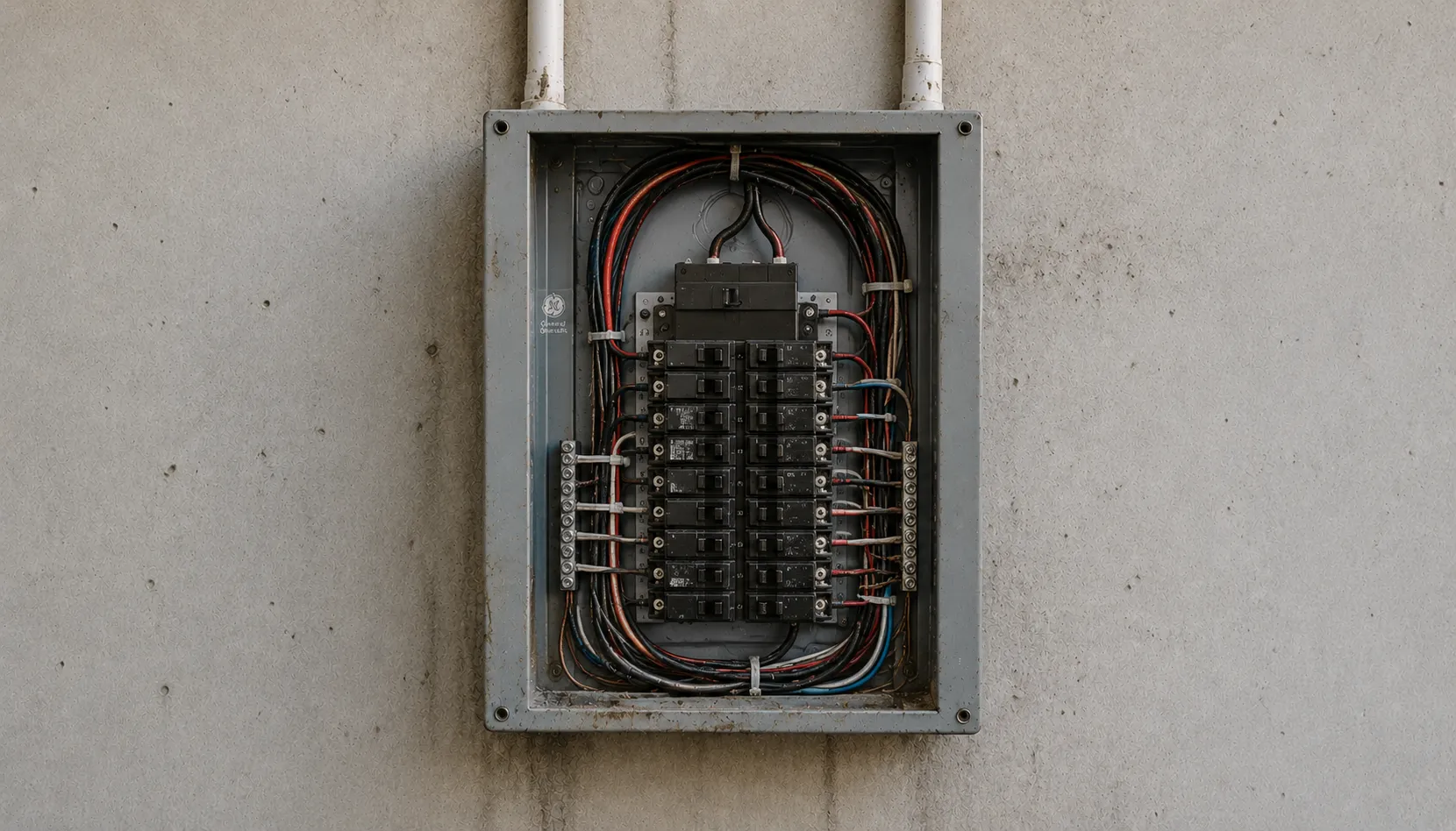
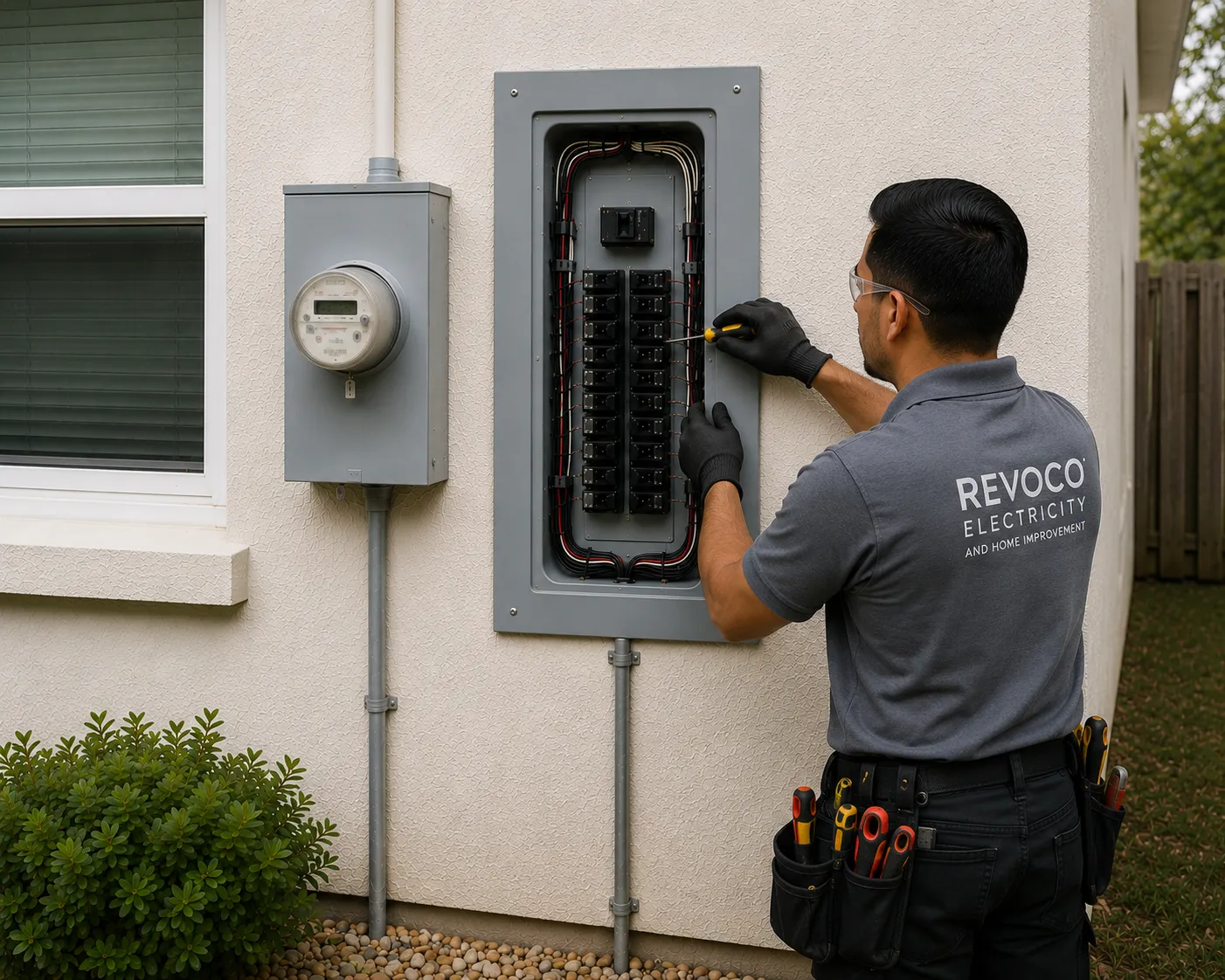
3. The Main Electrical Panel
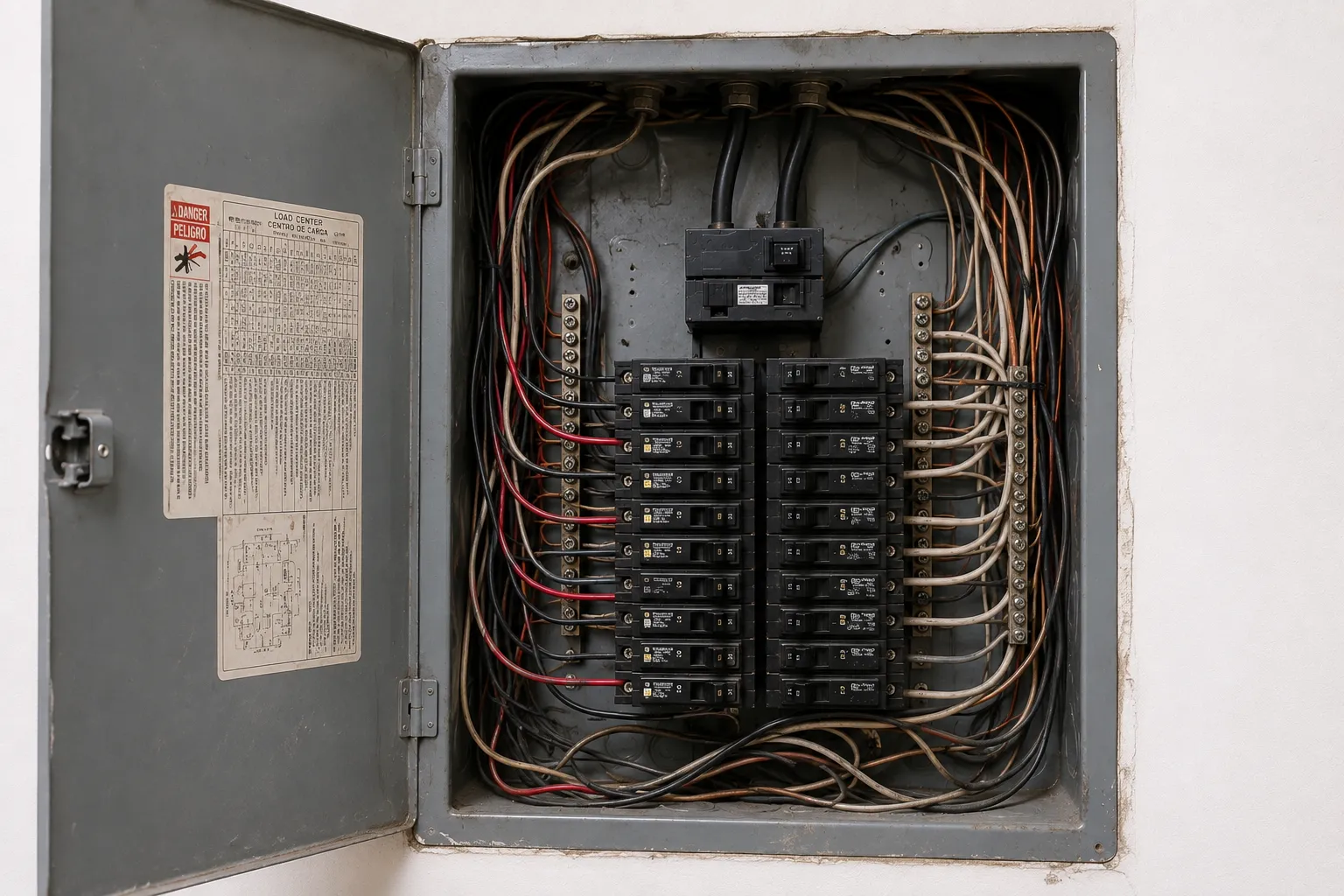
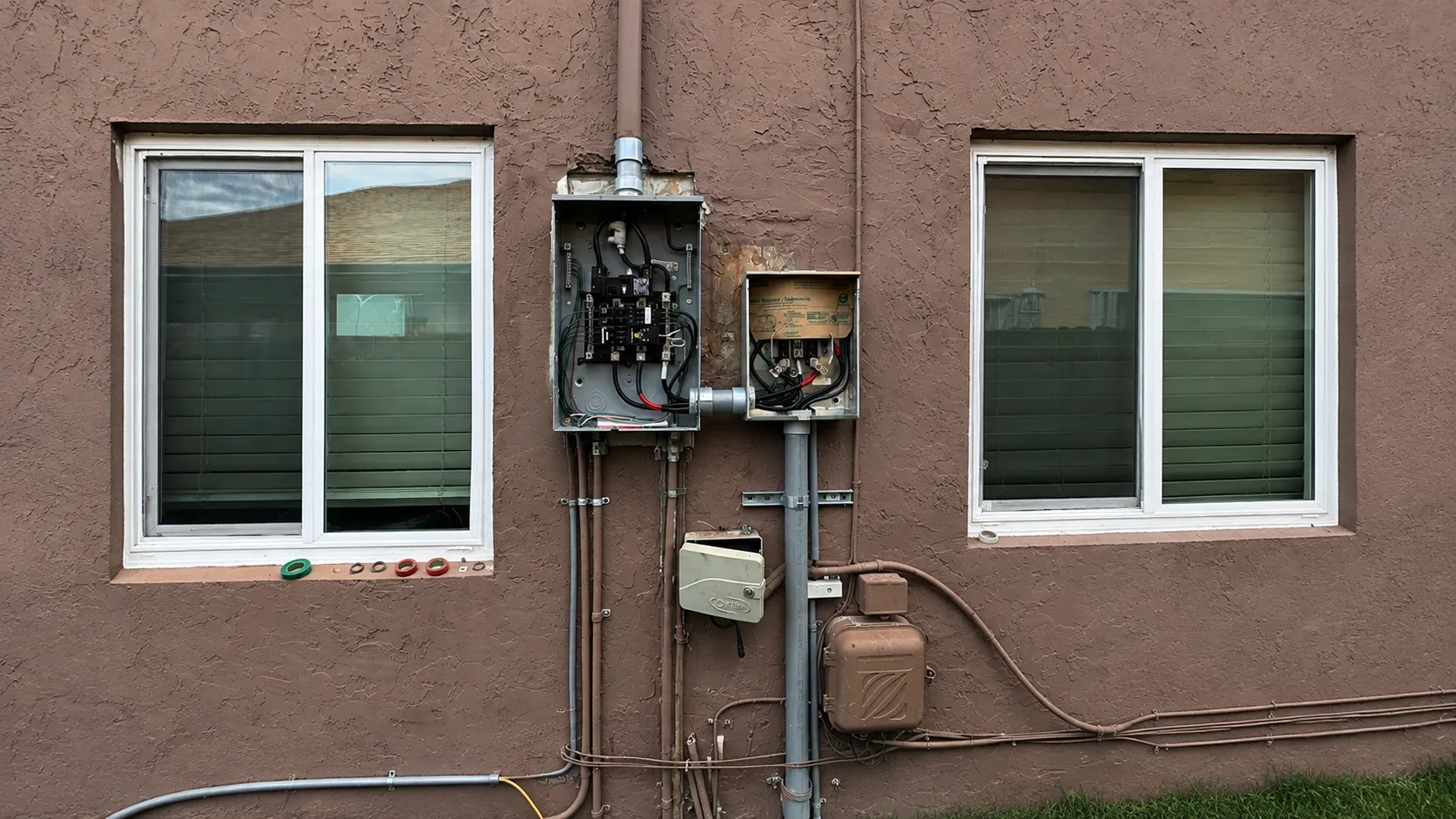
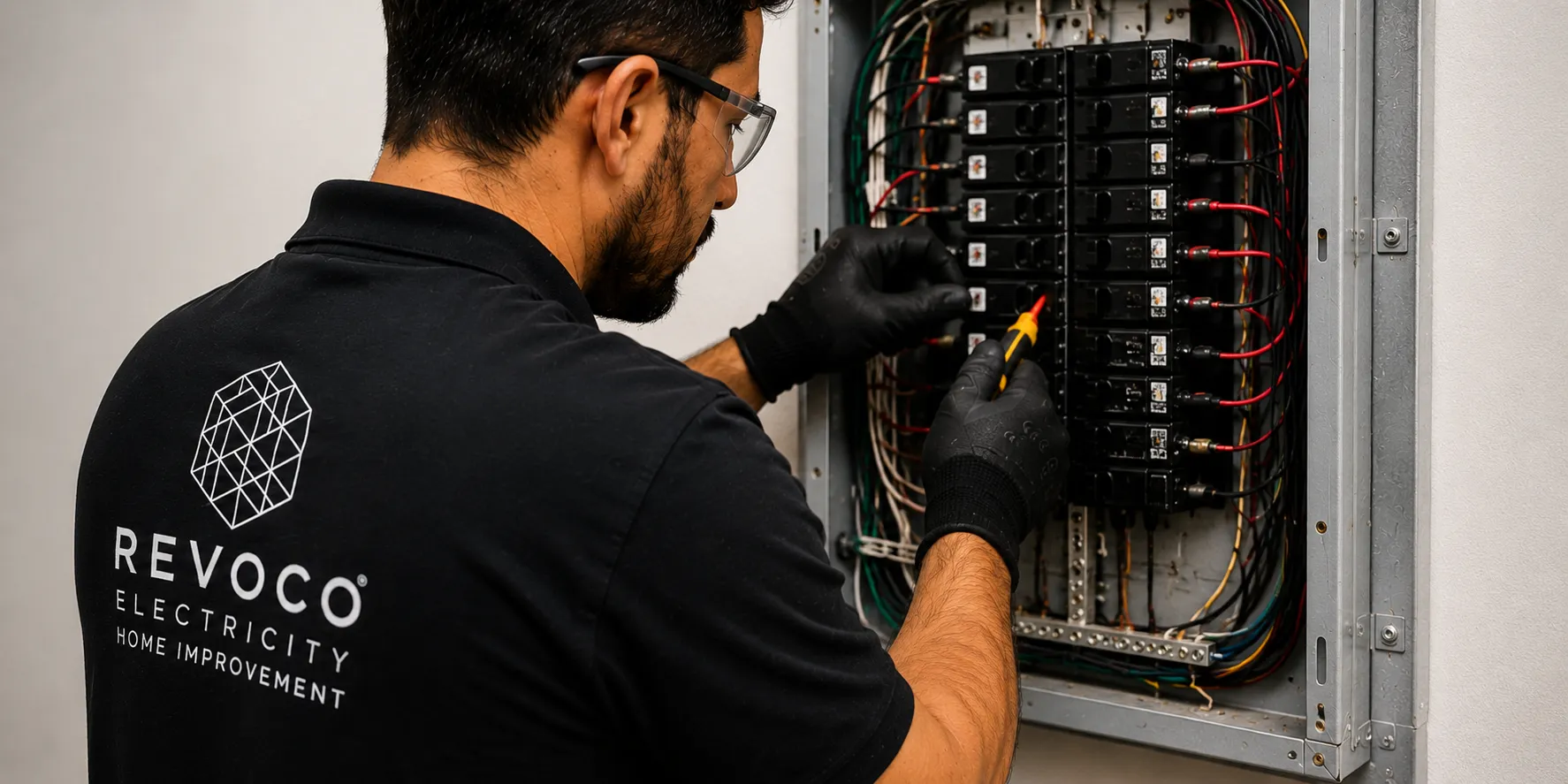
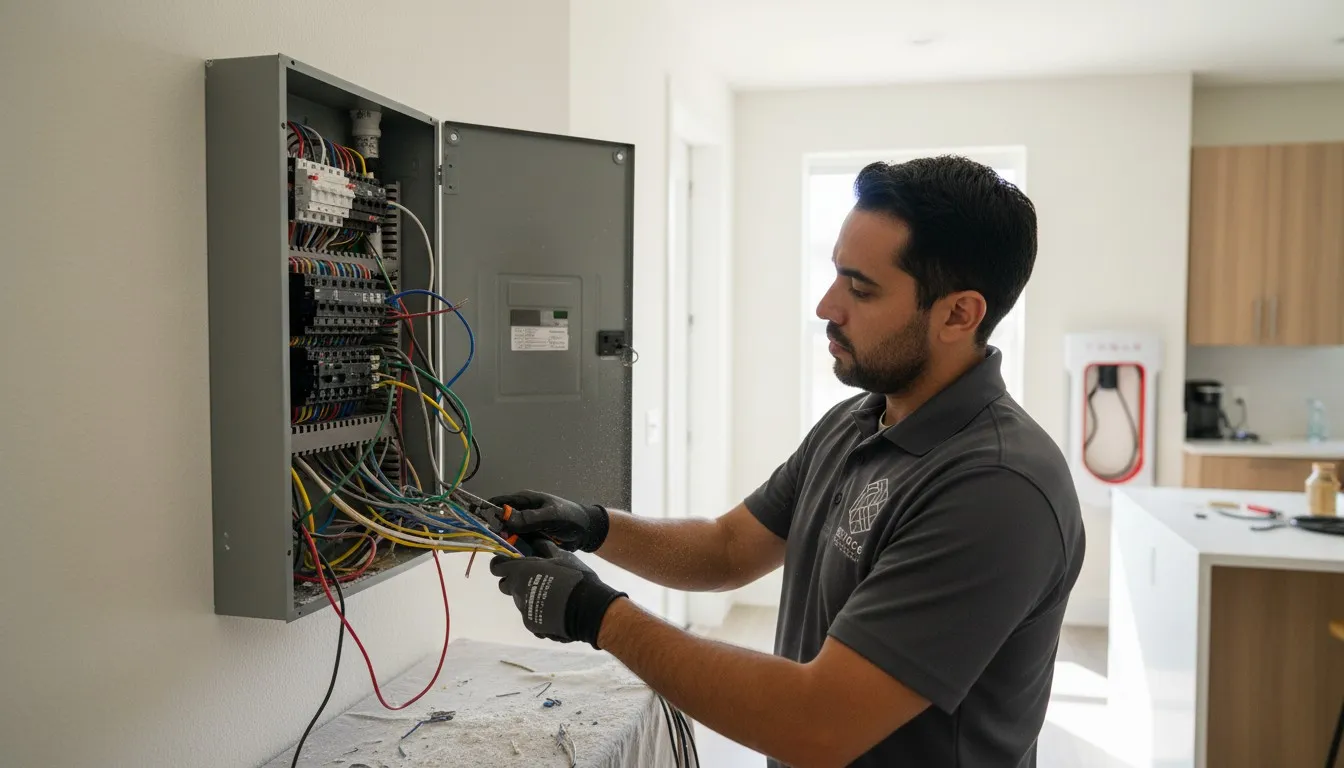
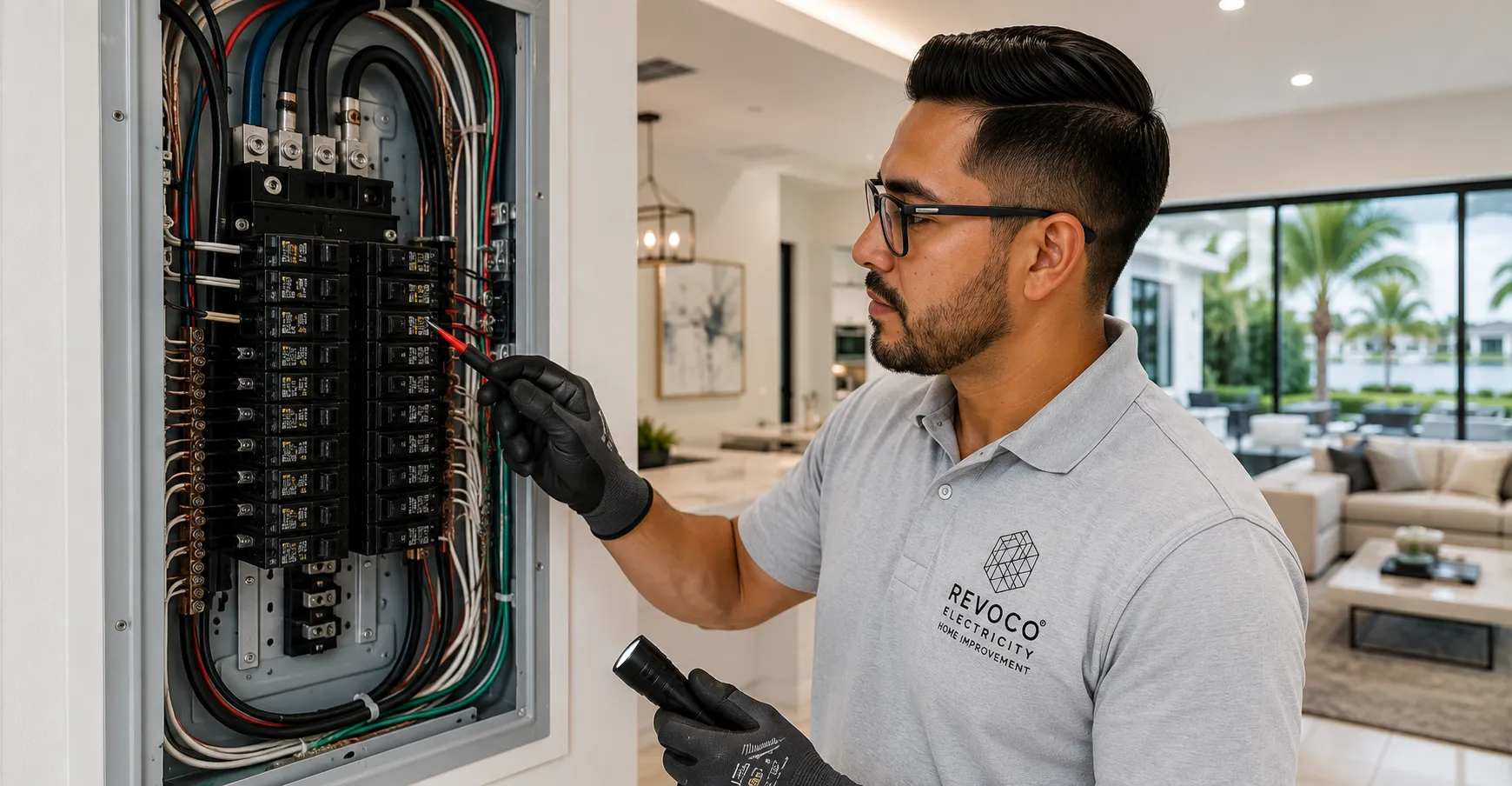
Often called the heart of your home’s electrical system, the main electrical panel is responsible for distributing electricity safely throughout your house.
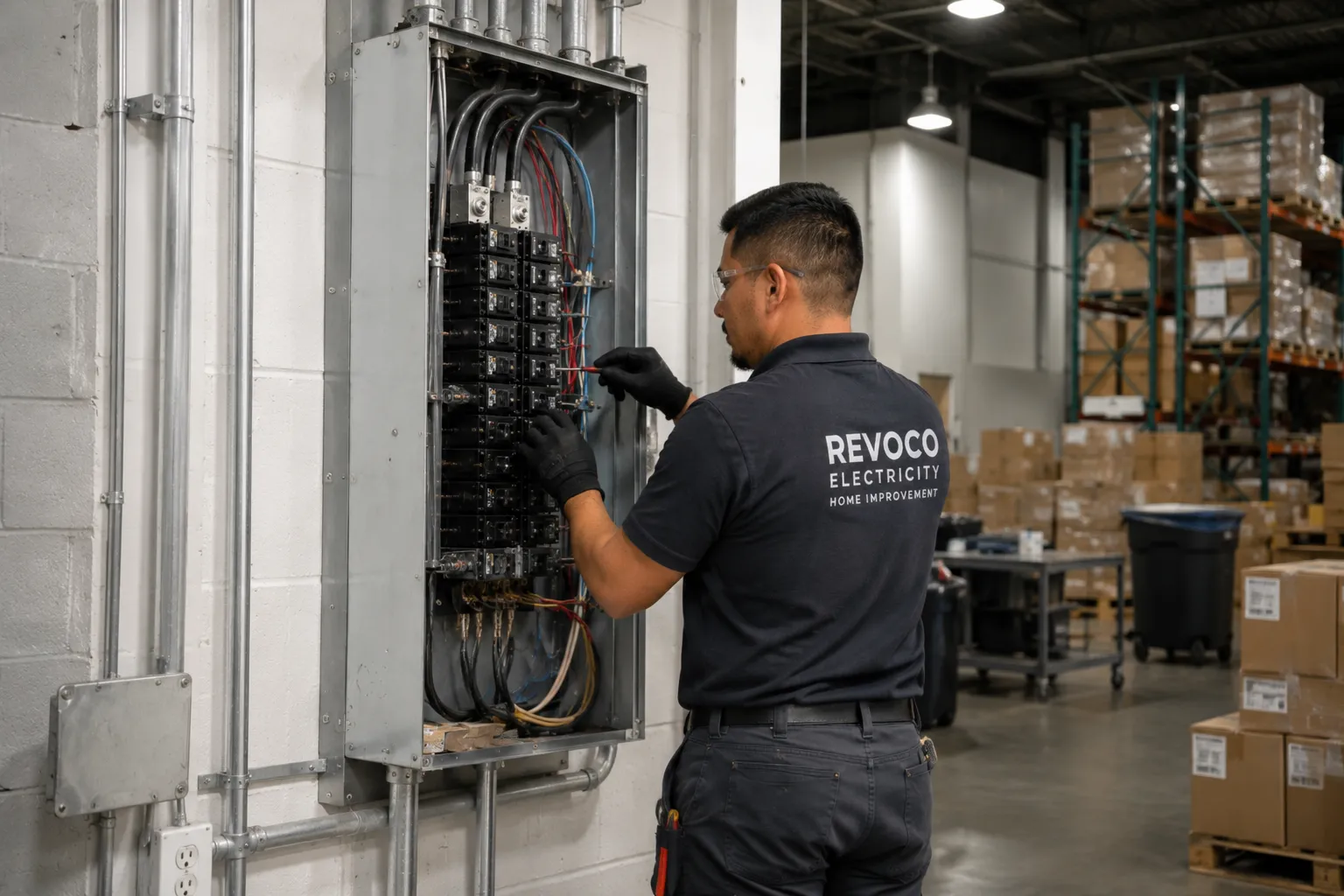
Inside the panel, electricity is divided into separate circuits that supply power to different areas and appliances. Each circuit is protected by an individual circuit breaker designed to shut off power if an overload or electrical fault occurs.
A properly functioning electrical panel helps protect your home from electrical hazards while ensuring reliable power distribution.
Why the Electrical Panel Matters
As homes become more dependent on technology, today’s electrical demands are much greater than they were decades ago.
Modern households often include:
- Multiple televisions.
- High-efficiency HVAC systems.
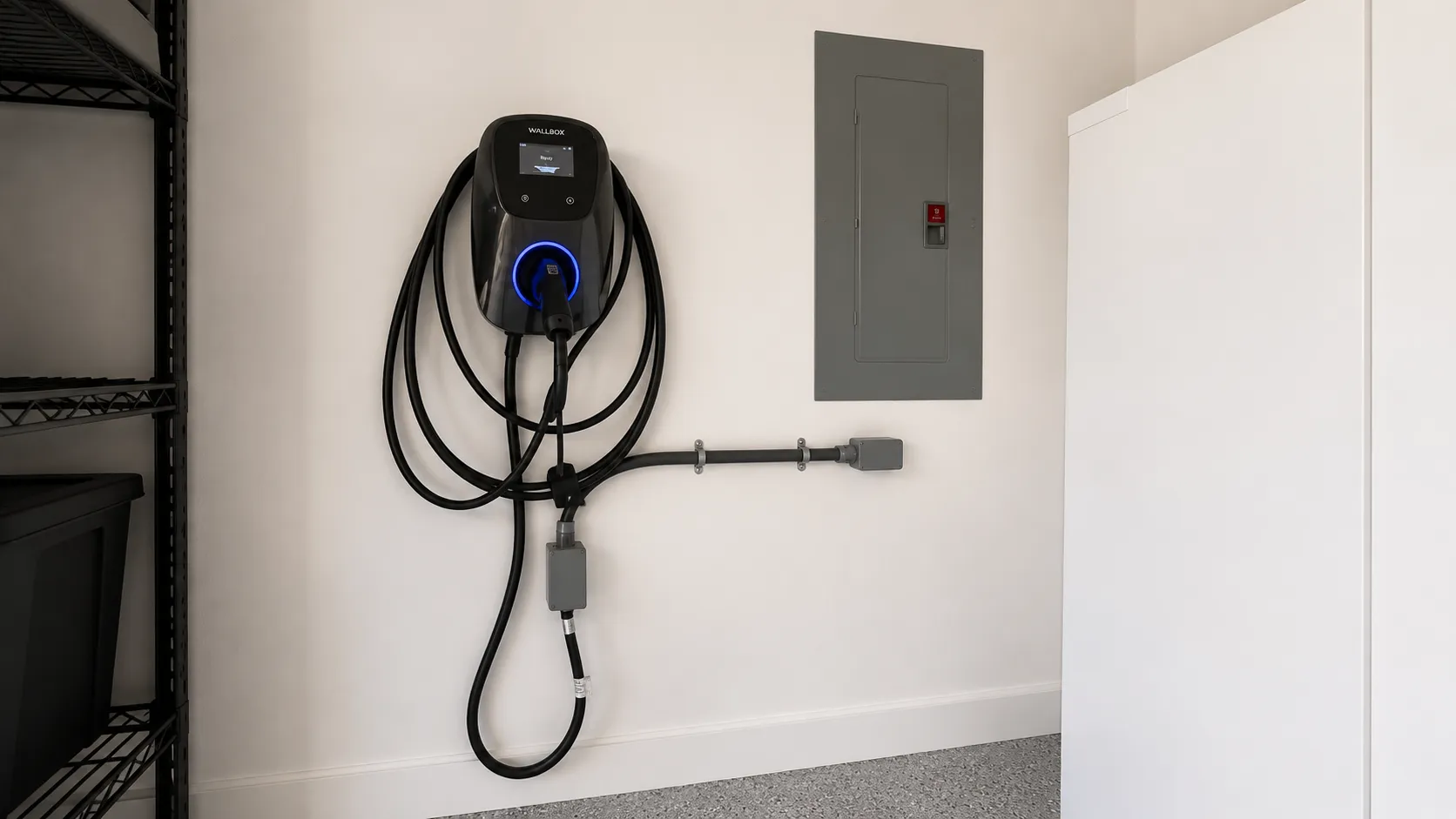
- Electric vehicle chargers.
- Smart home devices.
- Home offices.
- Large kitchen appliances.
- Pool equipment.
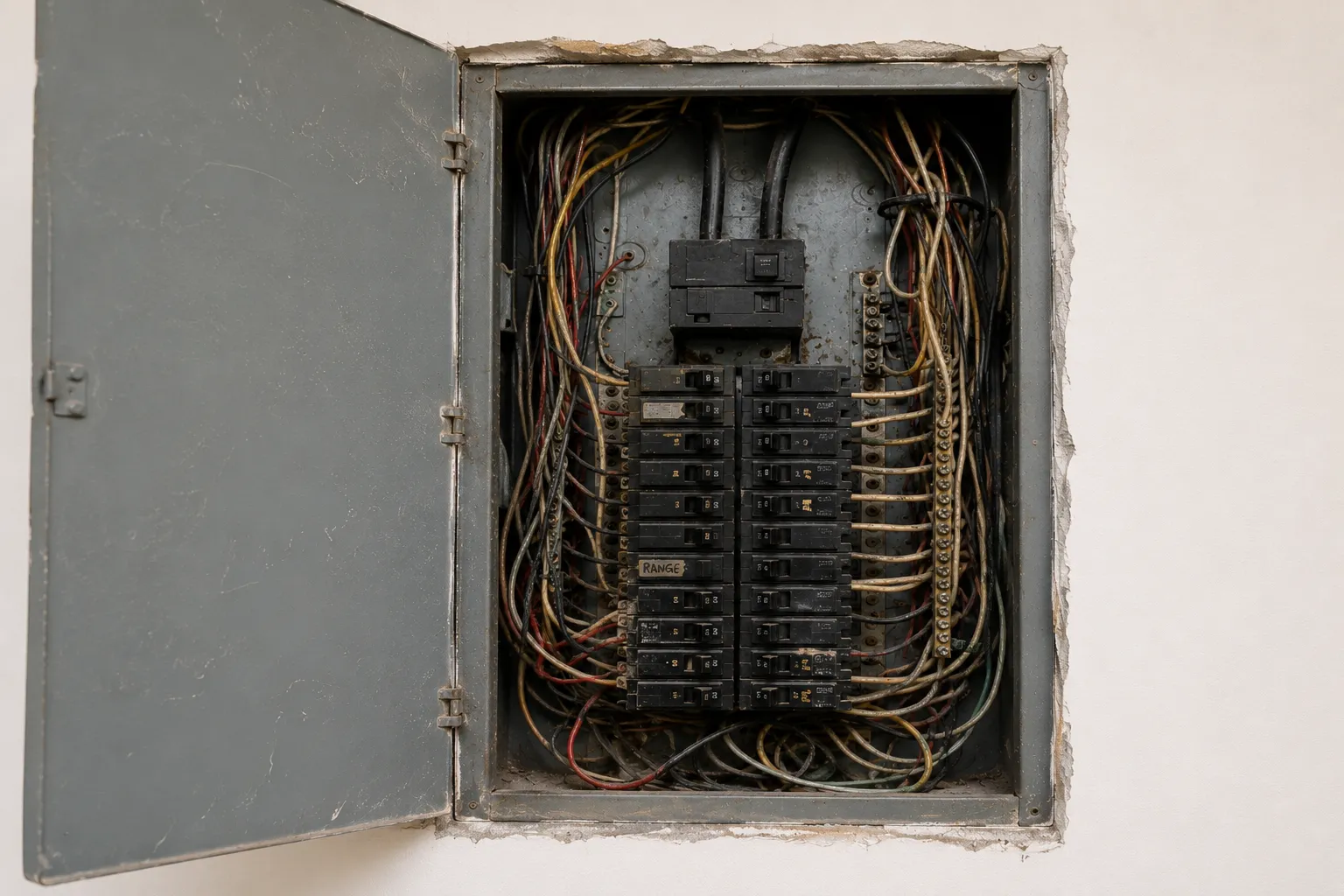
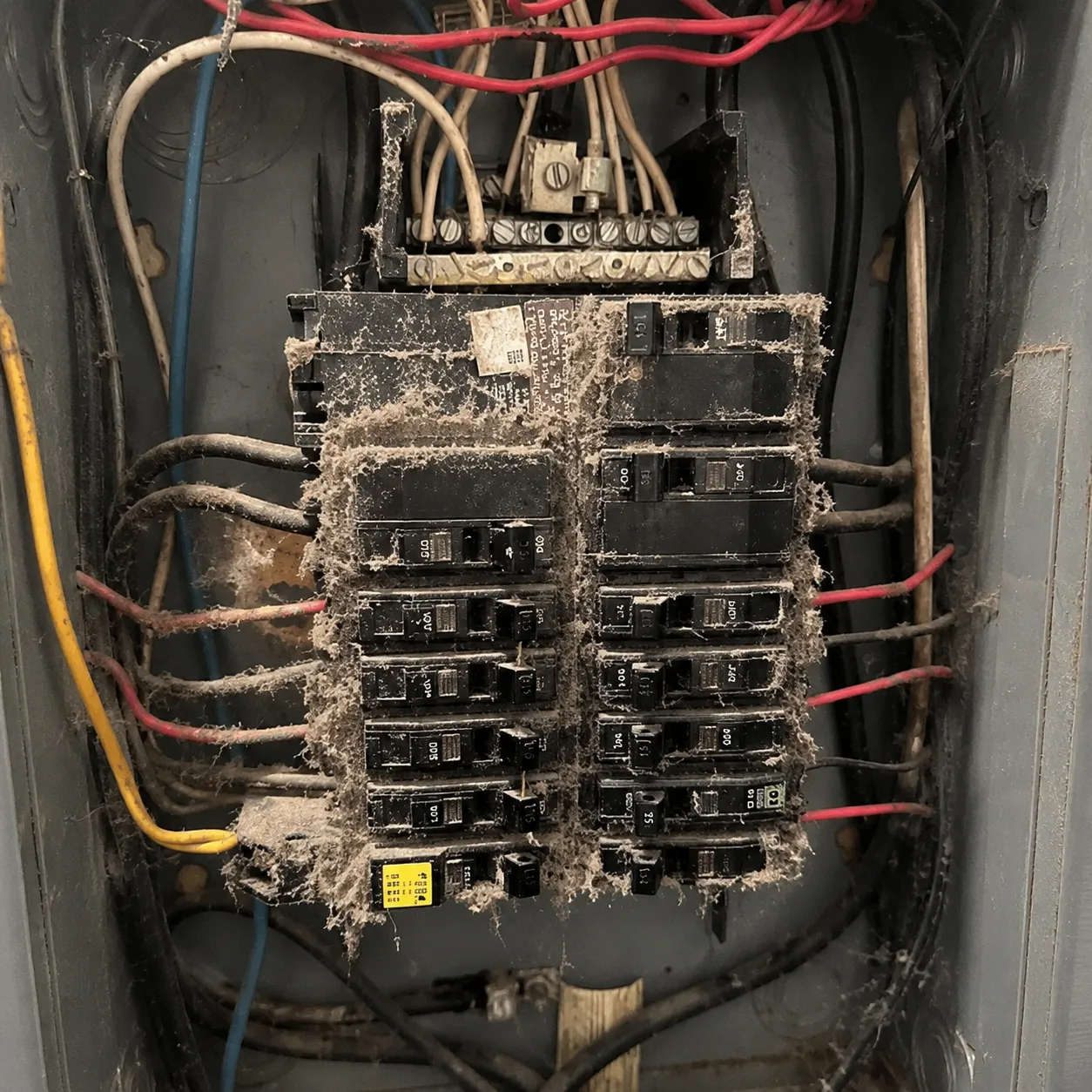
Older electrical panels may not have been designed to handle these increased loads safely.
4. Circuit Breakers
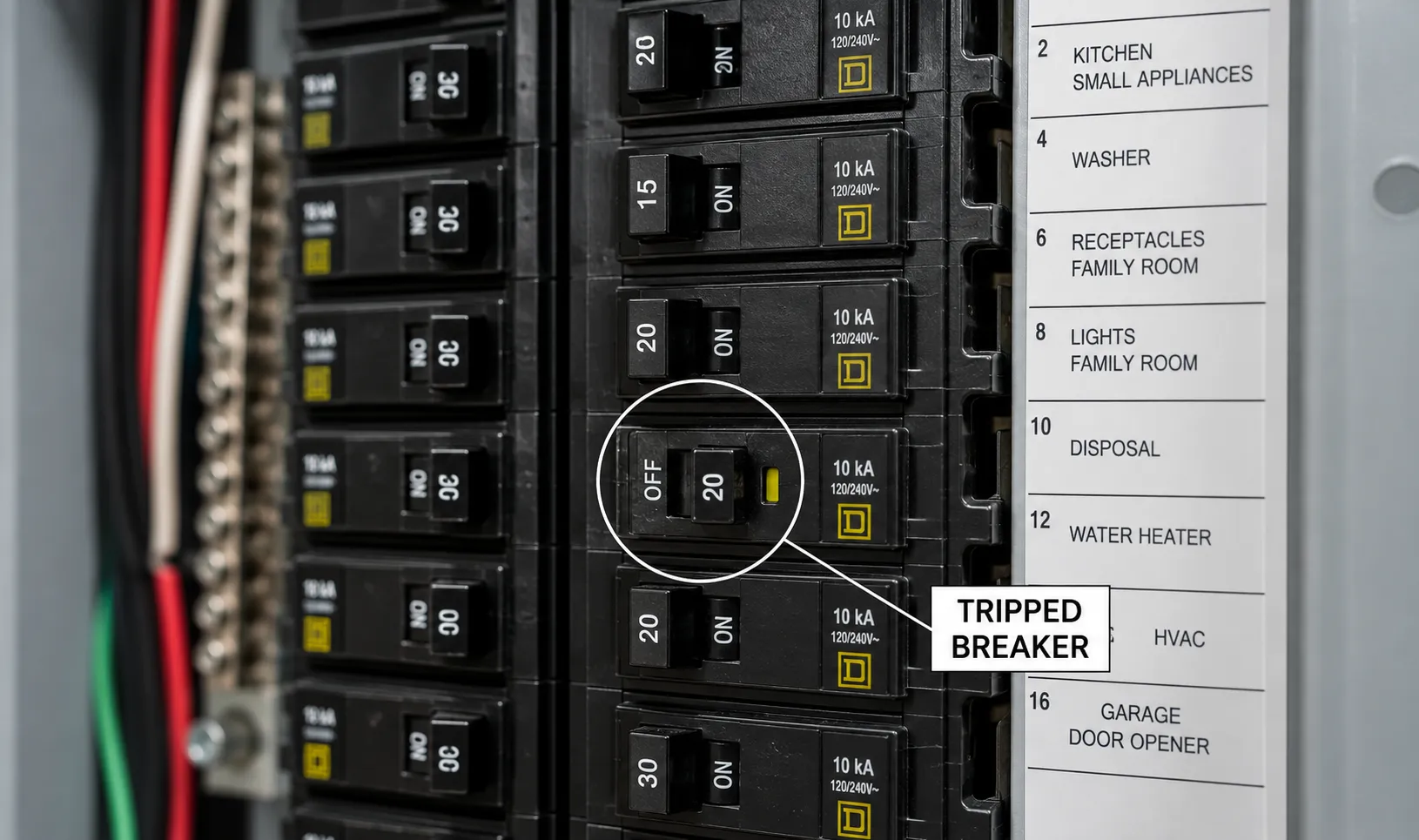
Each breaker inside your electrical panel protects a specific electrical circuit.
If too much electricity flows through a circuit, or if a dangerous fault occurs, the breaker automatically switches off to help prevent overheating and reduce the risk of electrical fires.
A breaker that trips occasionally is not always a cause for concern. However, if the same breaker trips repeatedly, it may indicate:
- An overloaded circuit.
- Damaged wiring.
- A faulty appliance.
- An electrical short.
- An outdated electrical panel.
Repeated breaker trips should never be ignored. They are often your home’s way of warning that something requires professional attention.
5. Electrical Circuits
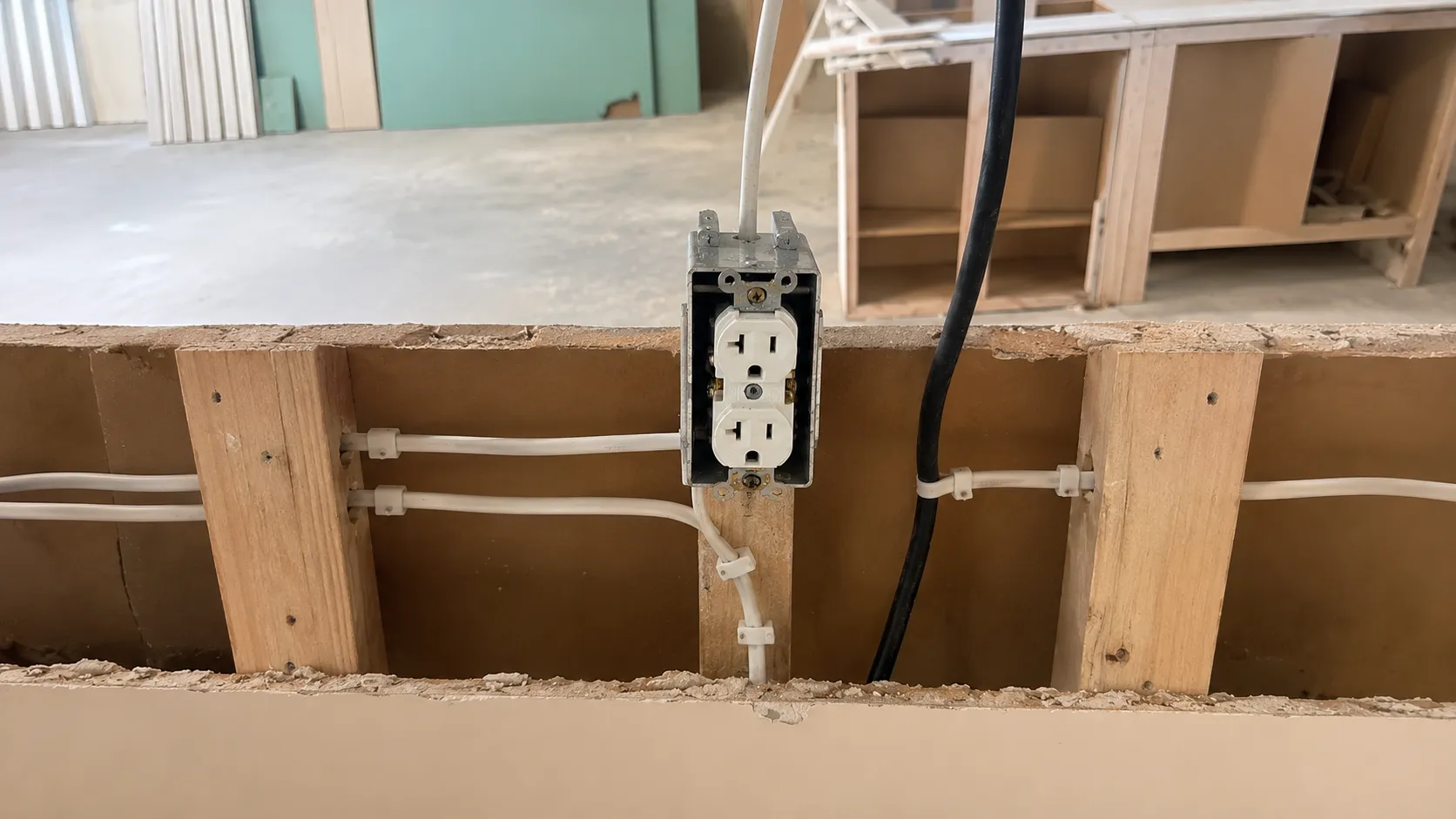
Every room in your home receives electricity through individual electrical circuits.
Some circuits power lighting. Others serve wall outlets. Larger appliances such as ovens, air conditioners, dryers, and water heaters typically operate on dedicated circuits designed specifically for their electrical requirements.
Keeping electrical loads properly balanced across these circuits helps improve both safety and system performance.
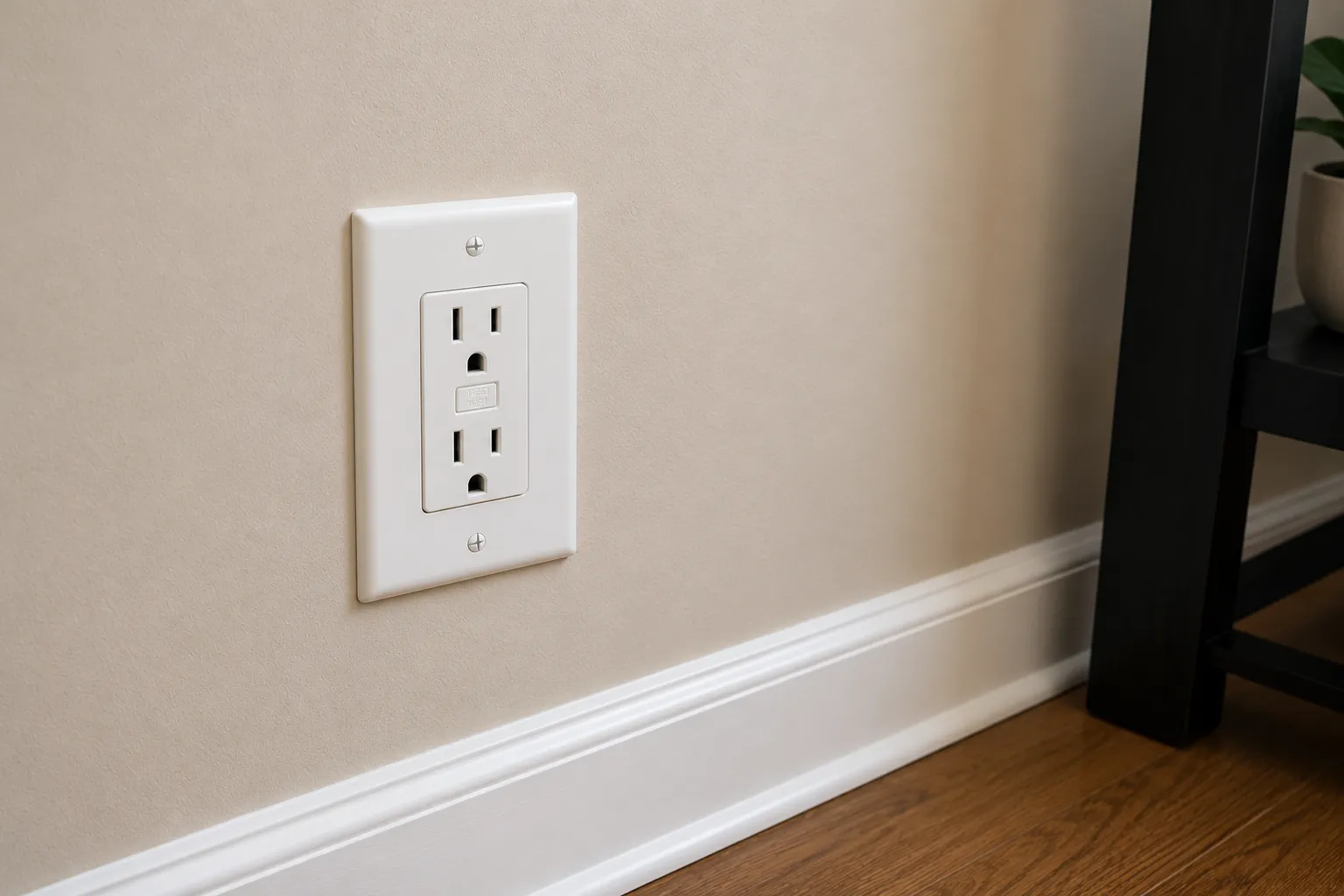
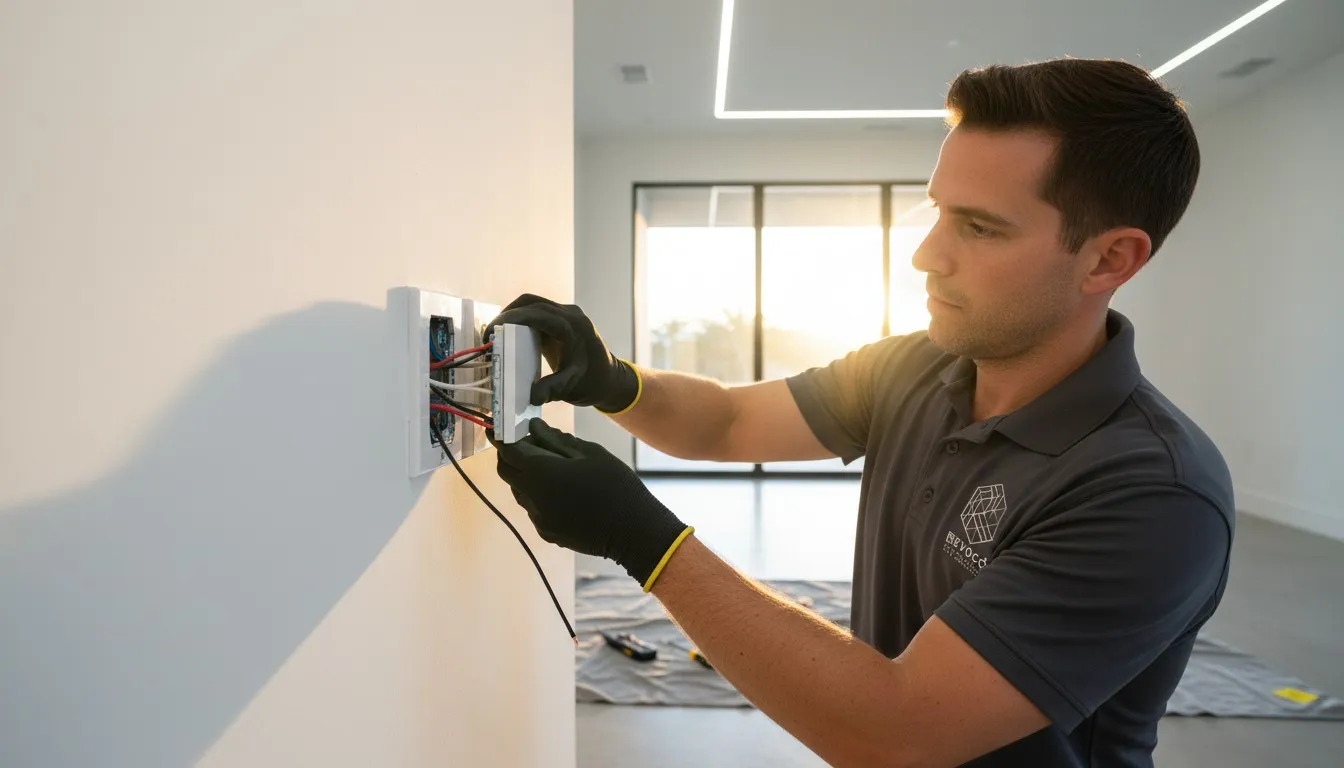
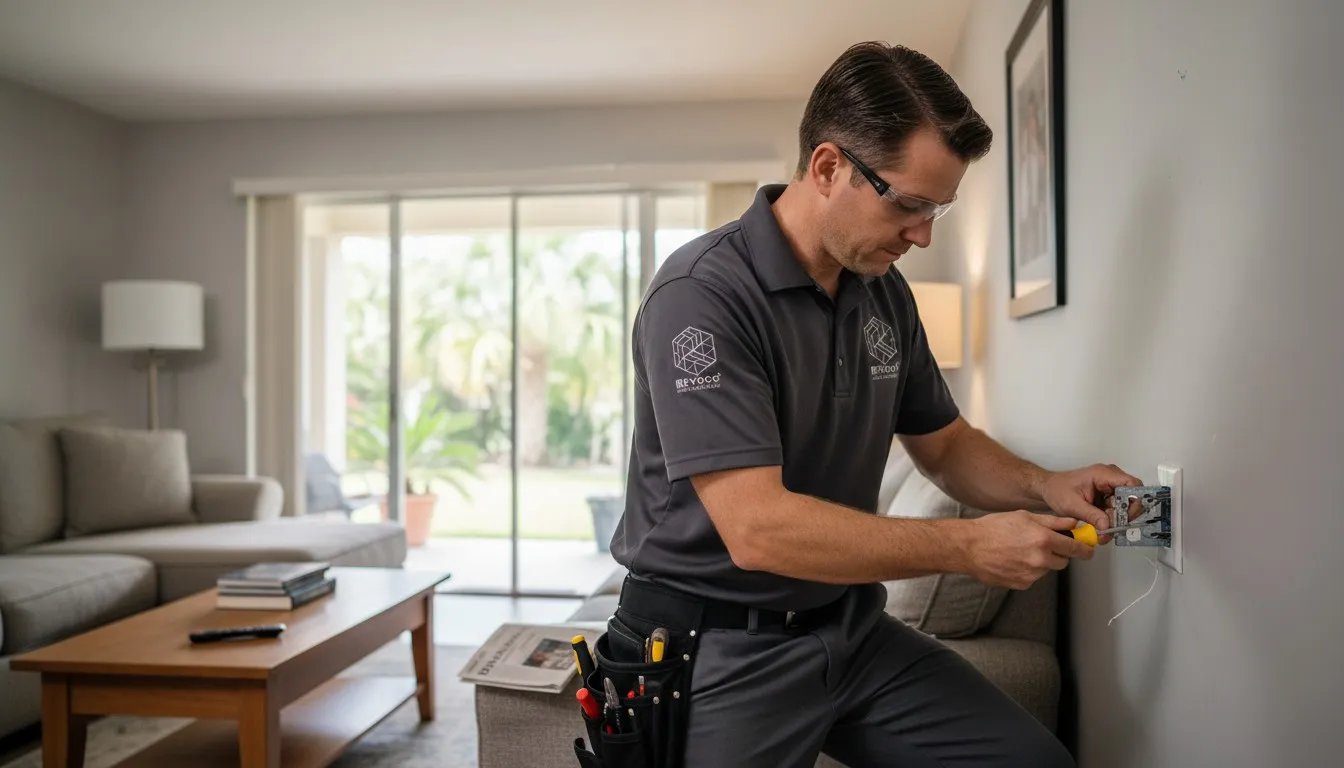
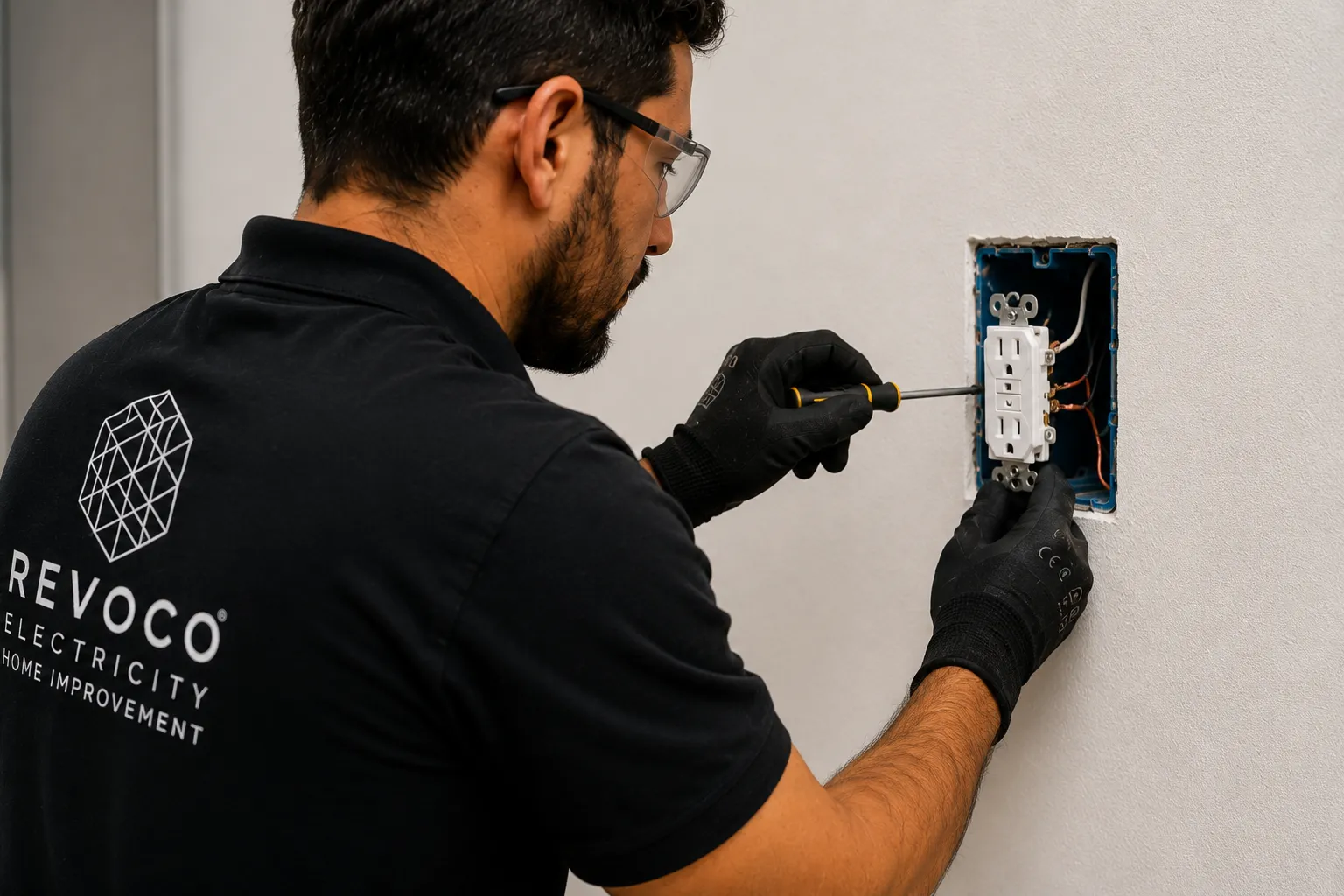
6. Outlets and Switches
Outlets and switches are the parts of the electrical system homeowners interact with every day.
Although they seem simple, they play an essential role in delivering electricity safely throughout your home.
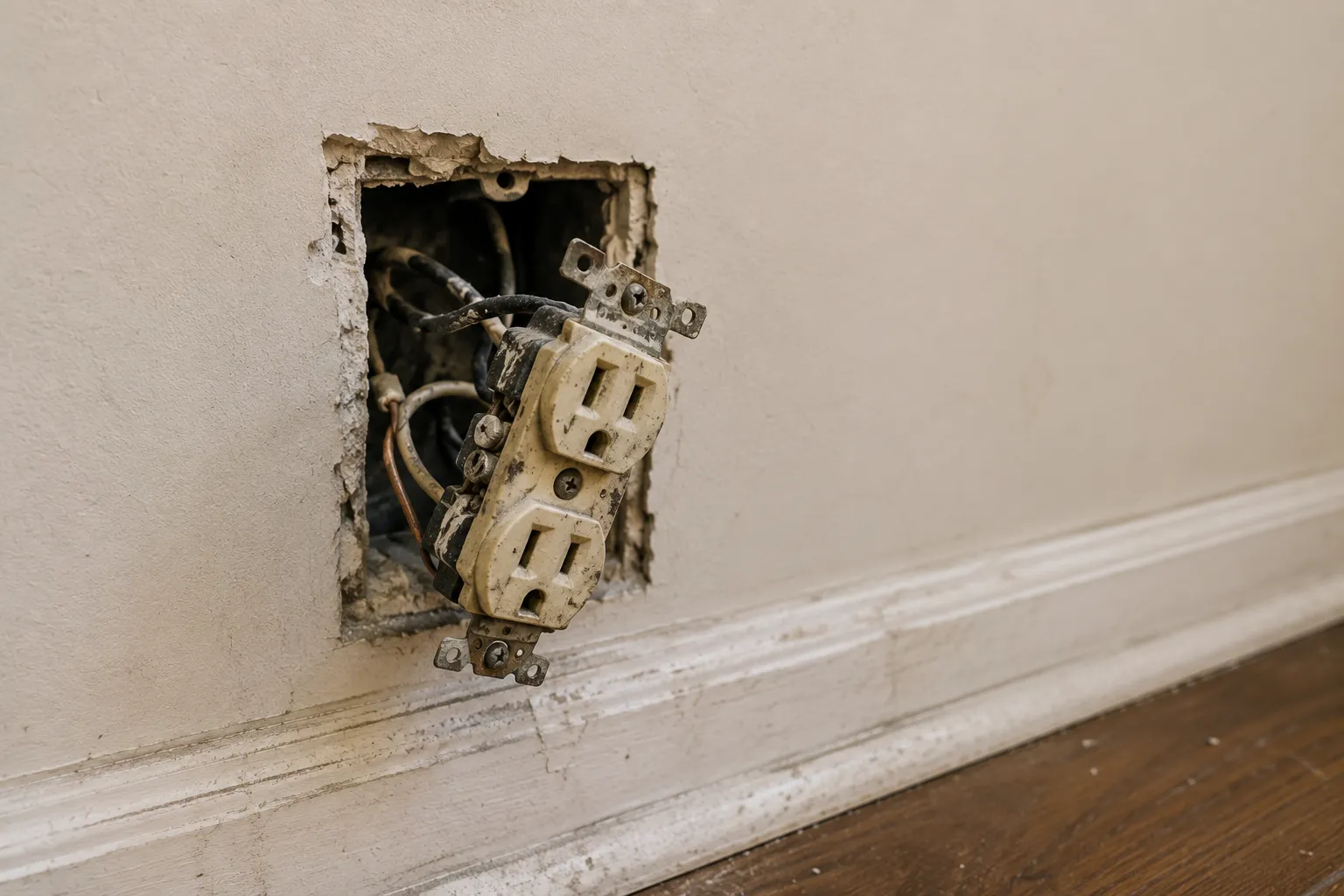
If you notice any of the following, it is important to have them inspected:
- Loose outlets.
- Warm outlet covers.
- Buzzing sounds.
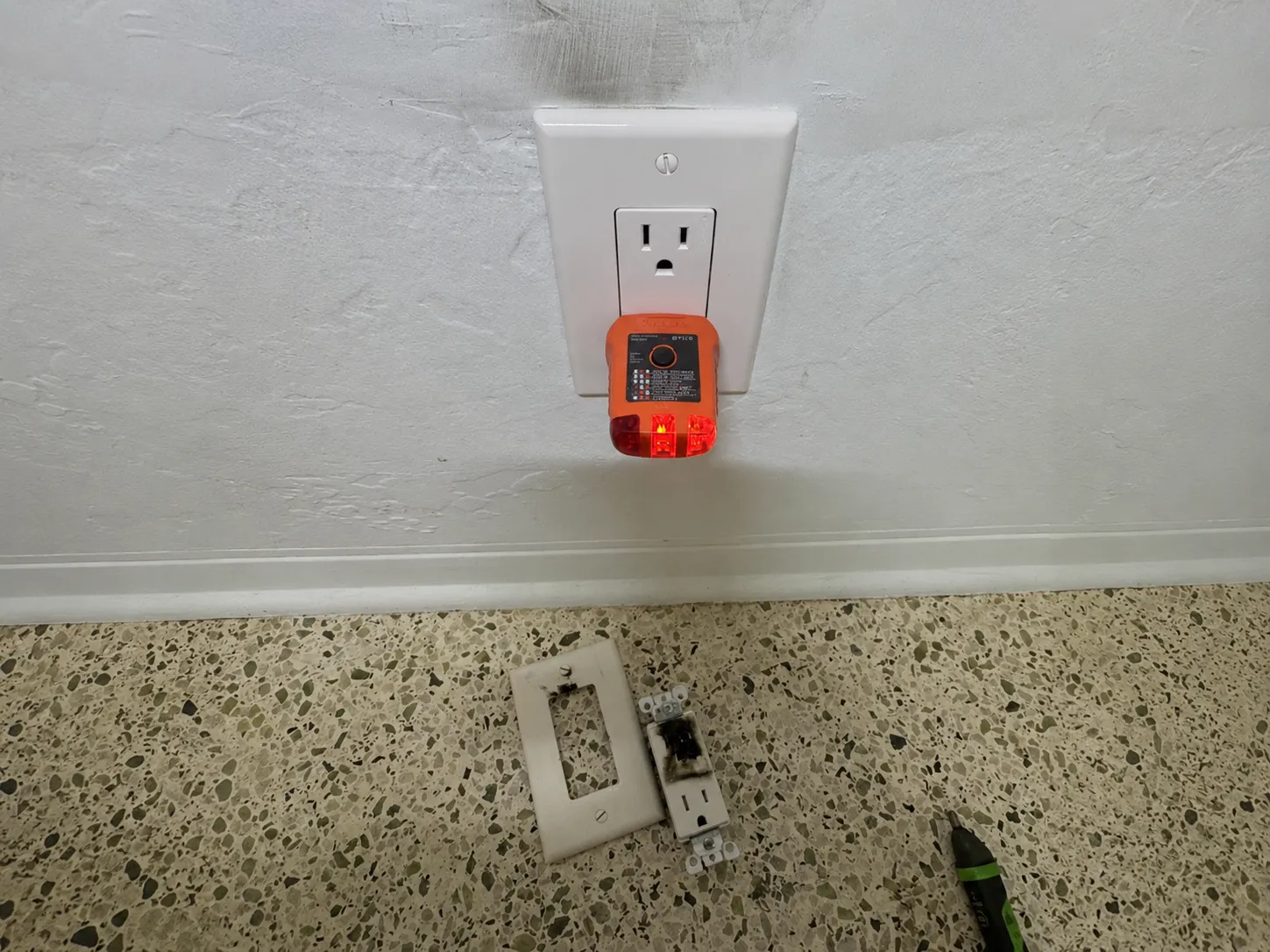
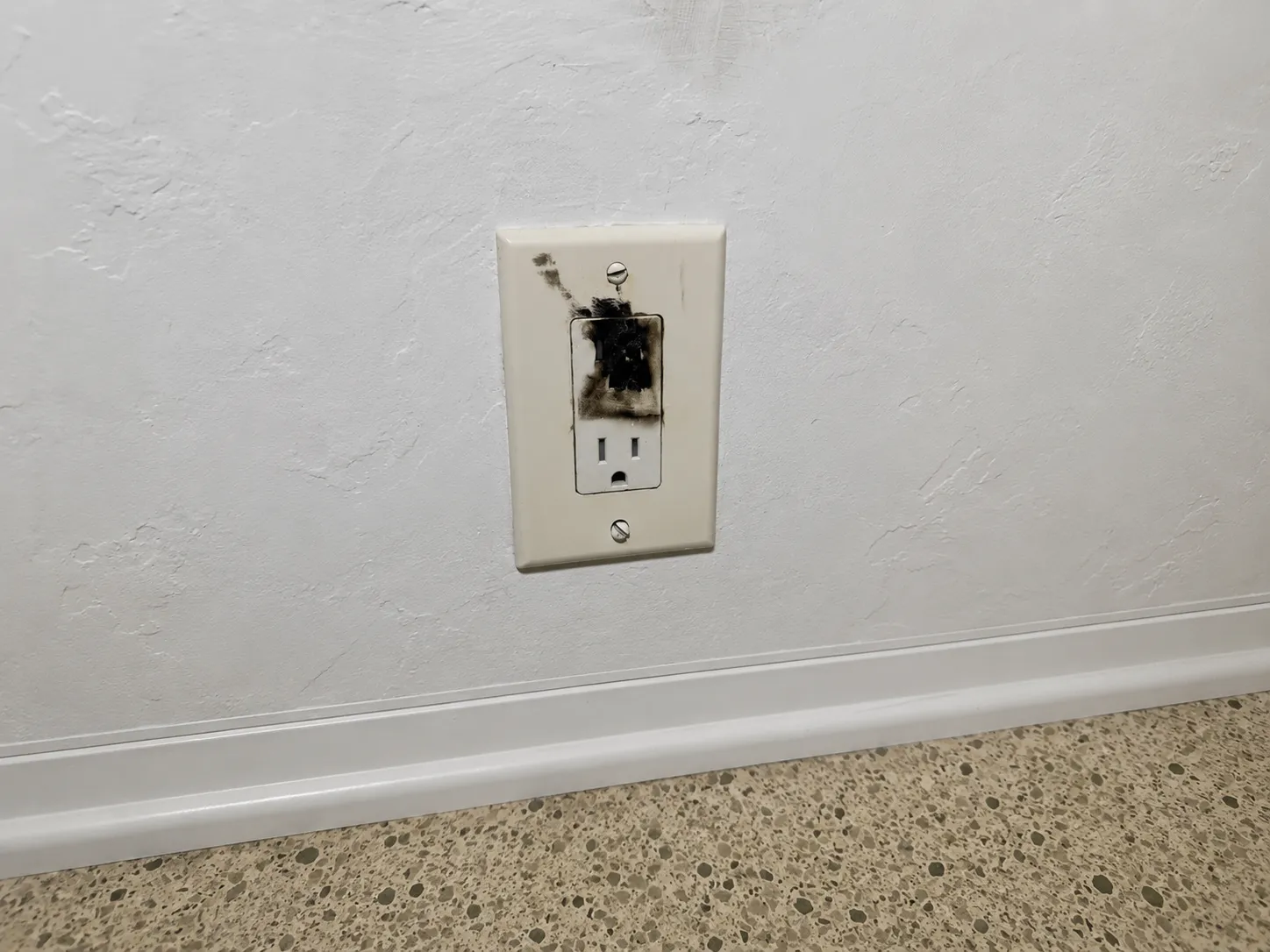
- Burn marks.
- Frequent sparking.
- Switches that feel hot.
These warning signs may indicate underlying electrical problems that require professional evaluation.
Understanding the basic components of your electrical system allows you to recognize potential warning signs before they become expensive repairs or serious safety hazards.
Why Florida Homes Face Unique Electrical Challenges
Owning a home in Florida comes with many advantages, but Florida’s climate also creates unique challenges that can significantly impact the safety, performance, and lifespan of your home’s electrical system.
Unlike homes in many other states, Florida properties are exposed to extreme weather conditions that place additional stress on electrical equipment throughout the year. High humidity, frequent thunderstorms, hurricane-force winds, salt air, intense heat, and increasing electrical demands all contribute to faster wear and greater risks if a home’s electrical system is not properly maintained.
1. Florida Experiences More Lightning Than Almost Anywhere Else in the United States
Florida is often referred to as the Lightning Capital of the United States because of its exceptionally high number of lightning strikes each year.
Even when lightning does not strike your home directly, it can send powerful electrical surges through nearby power lines. These sudden spikes in voltage can damage:
- Televisions.
- Computers.
- Refrigerators.
- Air conditioning systems.
- Smart home devices.
- Garage door openers.
- Home security systems.
- Internet equipment.
Many homeowners do not realize that repeated small power surges can slowly shorten the lifespan of expensive electronics without causing immediate failure.
How to Protect Your Home
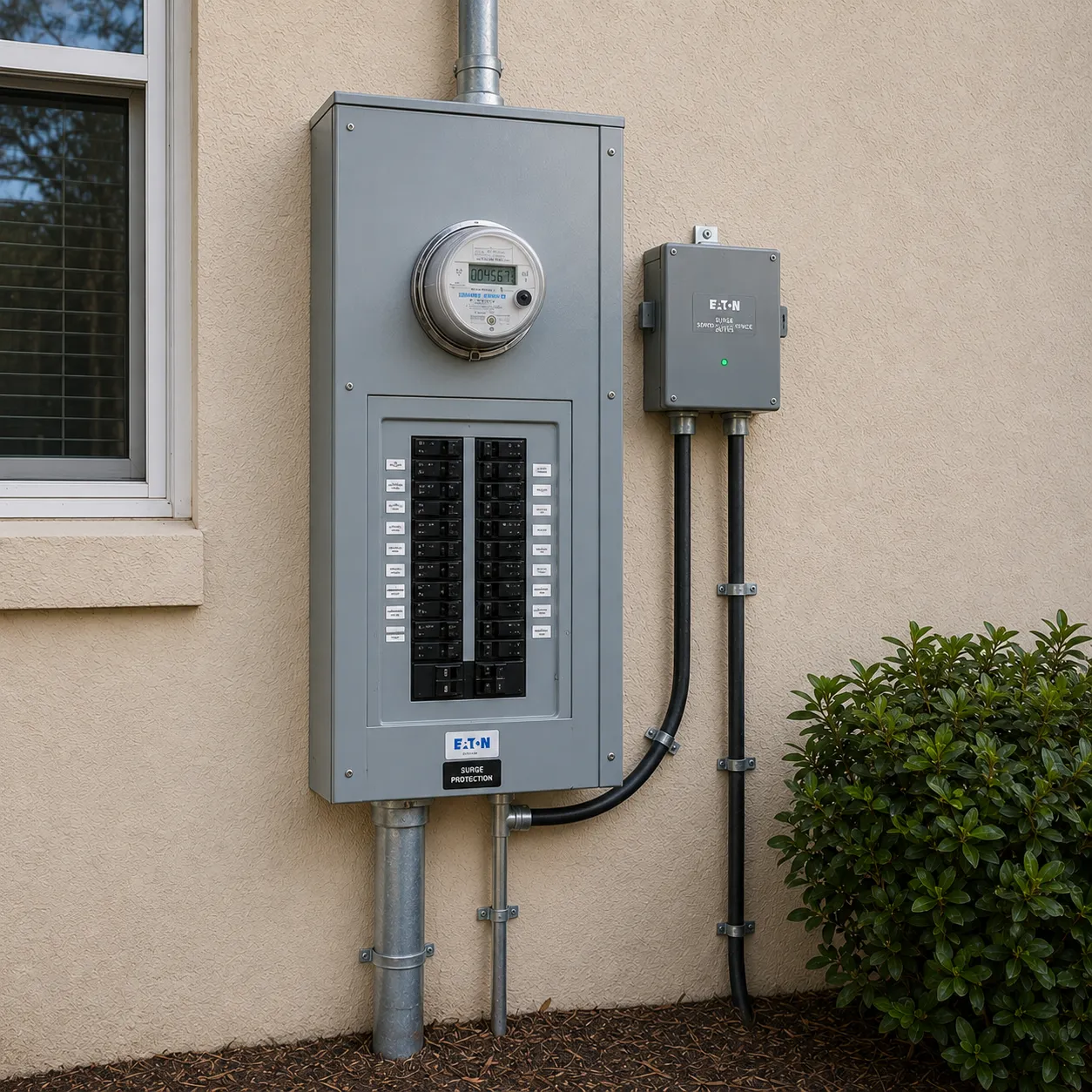
One of the most effective ways to reduce this risk is by installing a whole-home surge protection system. Unlike standard power strips, whole-home surge protection helps safeguard your entire electrical system and many of the appliances connected to it.
2. Hurricane Season Places Extra Stress on Electrical Systems
Every year, Florida homeowners prepare for hurricane season by securing windows, stocking emergency supplies, and monitoring weather forecasts. However, many overlook one of the most important systems in their home: the electrical system.
Strong winds, heavy rain, flooding, and extended power outages can all affect electrical components.
Common hurricane-related electrical risks include:
- Power surges after utility restoration.
- Water intrusion into electrical equipment.
- Damaged outdoor electrical connections.
- Fallen power lines.
- Generator misuse.
- Damaged service entrances.
Preparing your electrical system before hurricane season can help minimize damage and improve safety during severe weather.
3. High Humidity Can Slowly Damage Electrical Components
Florida’s humid climate affects more than just comfort. It can also impact your home’s electrical system over time.
Excess moisture may contribute to:
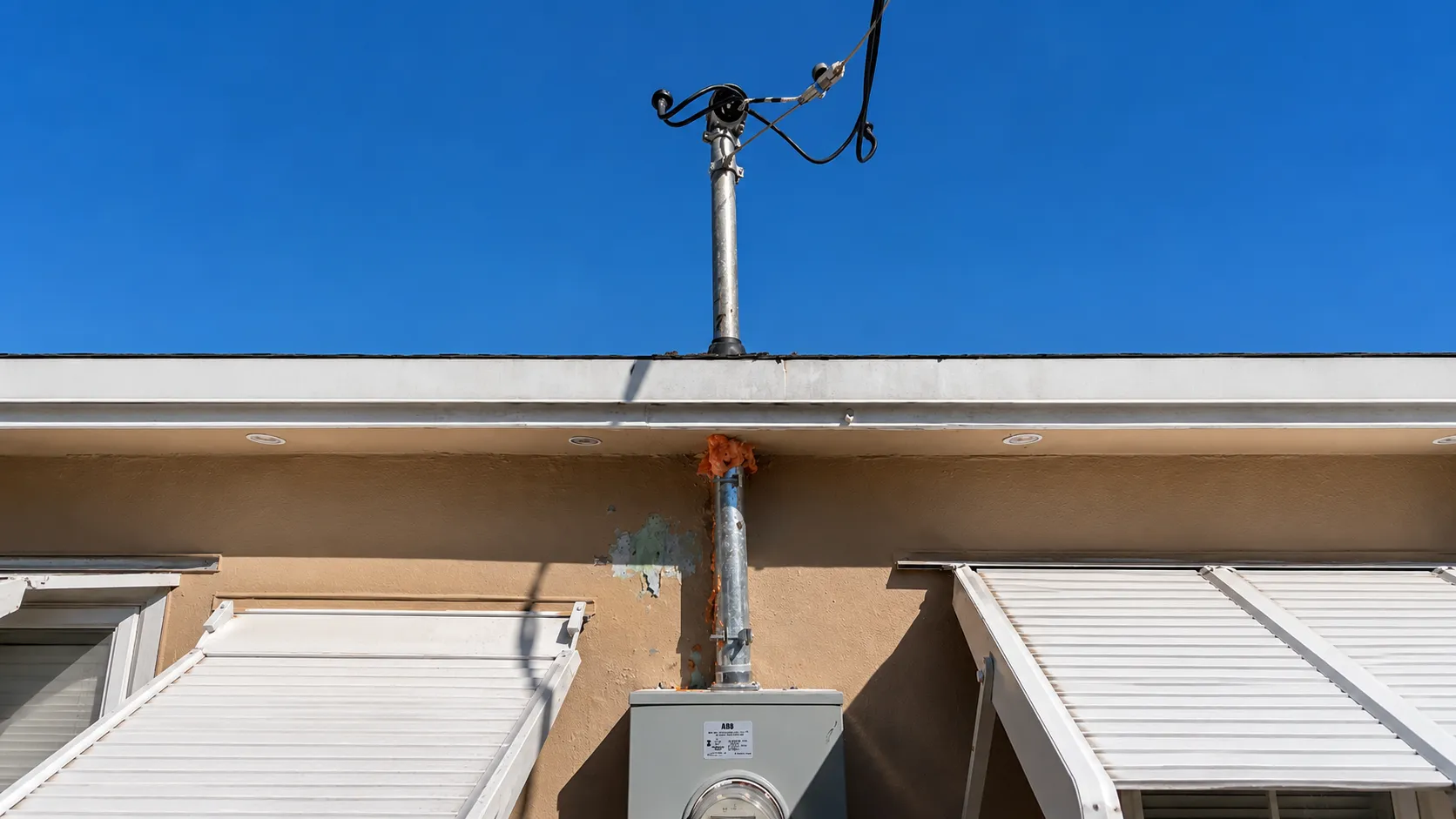
- Corrosion on electrical connections.
- Rust inside outdoor electrical equipment.
- Reduced lifespan of certain electrical devices.
- Increased wear on exterior outlets and switches.
Homes located near the coast often experience even greater exposure due to salt-laden air. Routine inspections help identify these issues before they develop into more expensive repairs.
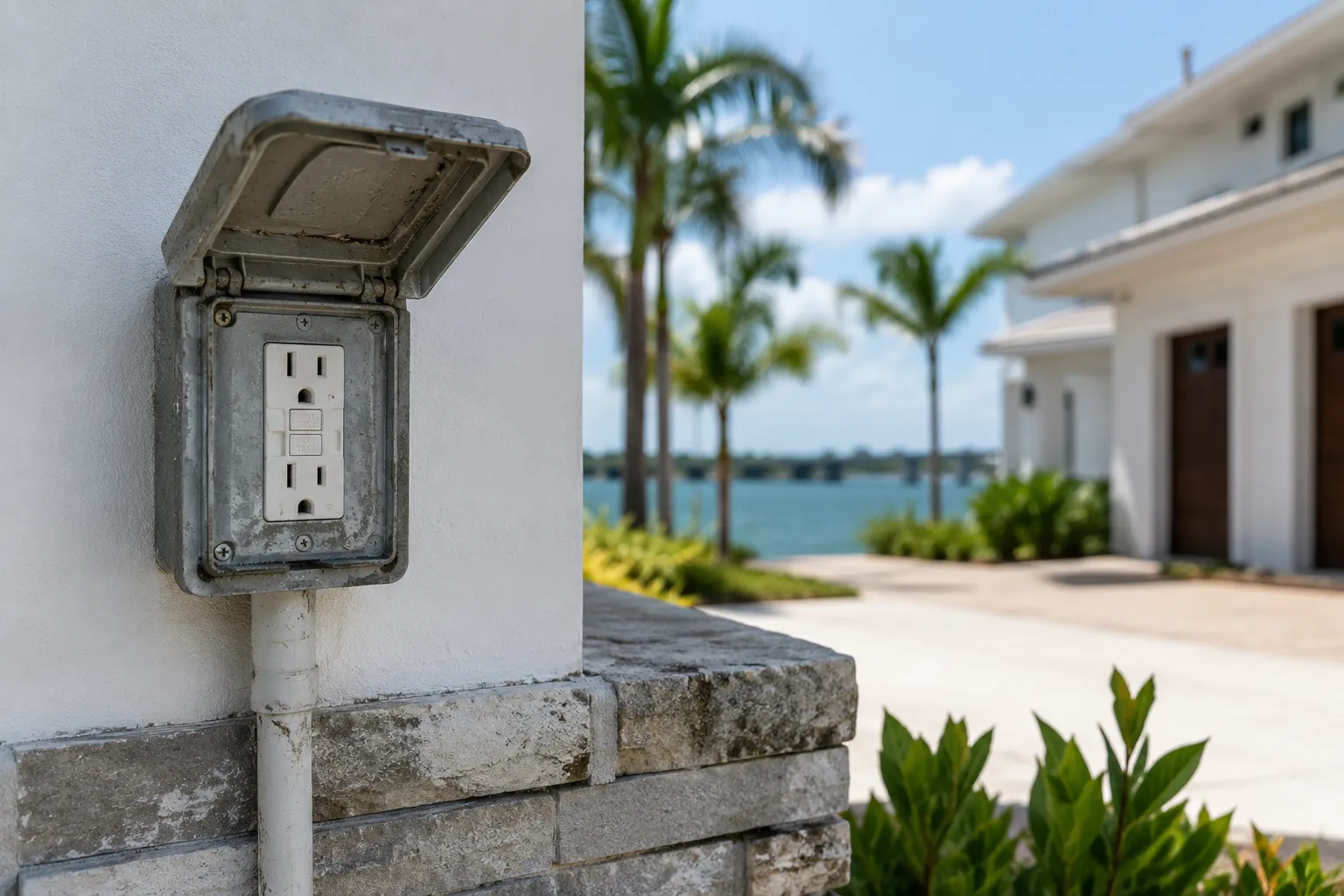
4. Salt Air Accelerates Corrosion in Coastal Communities
Homeowners living near Florida’s coastline face an additional challenge.
Salt particles carried by ocean breezes gradually settle on outdoor electrical equipment, accelerating corrosion of metal components.
This may affect:
- Outdoor outlets.
- Electrical disconnects.
- Air conditioning disconnect boxes.
- Exterior lighting.
- Pool equipment.
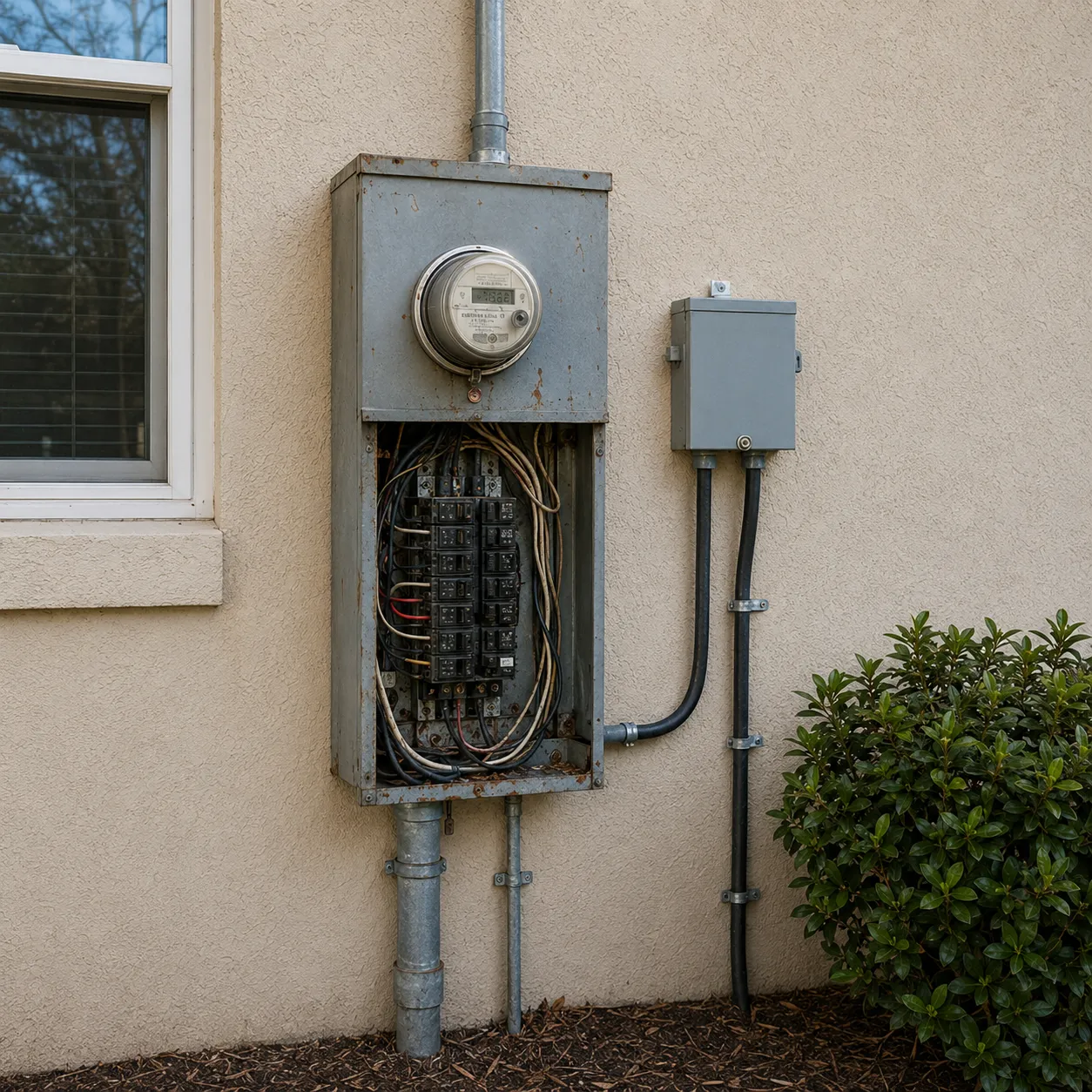
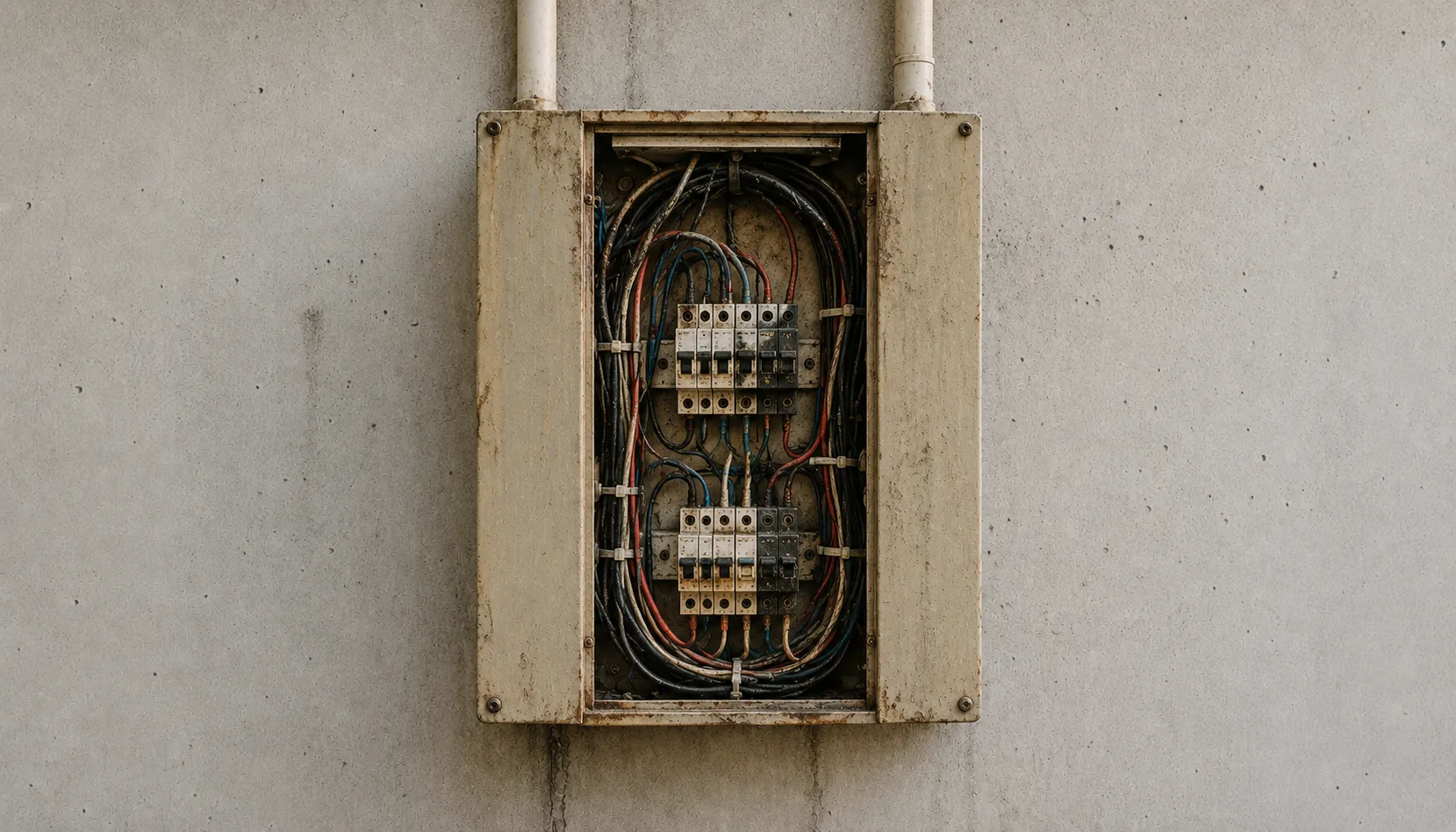
- Electrical panels installed outdoors.
Over time, corrosion can reduce reliability and increase maintenance needs if it is not properly addressed. For coastal homes, periodic inspections become even more important.
5. Today’s Homes Use More Electricity Than Ever Before
Many Florida homes were built decades ago, long before modern electrical demands existed.
Today’s households commonly include:
- Multiple large-screen TVs.
- Home offices.
- High-efficiency HVAC systems.
- Smart appliances.
- Electric vehicle chargers.
- Pool equipment.
- Outdoor kitchens.
- Home automation systems.
These additions place significantly greater demands on electrical panels and circuits than older systems were originally designed to handle.
If your home frequently experiences tripped breakers, flickering lights, or overloaded circuits, it may be a sign that your electrical system needs professional evaluation.
6. Older Homes Often Require Additional Attention
Many beautiful homes throughout South Florida were built several decades ago.
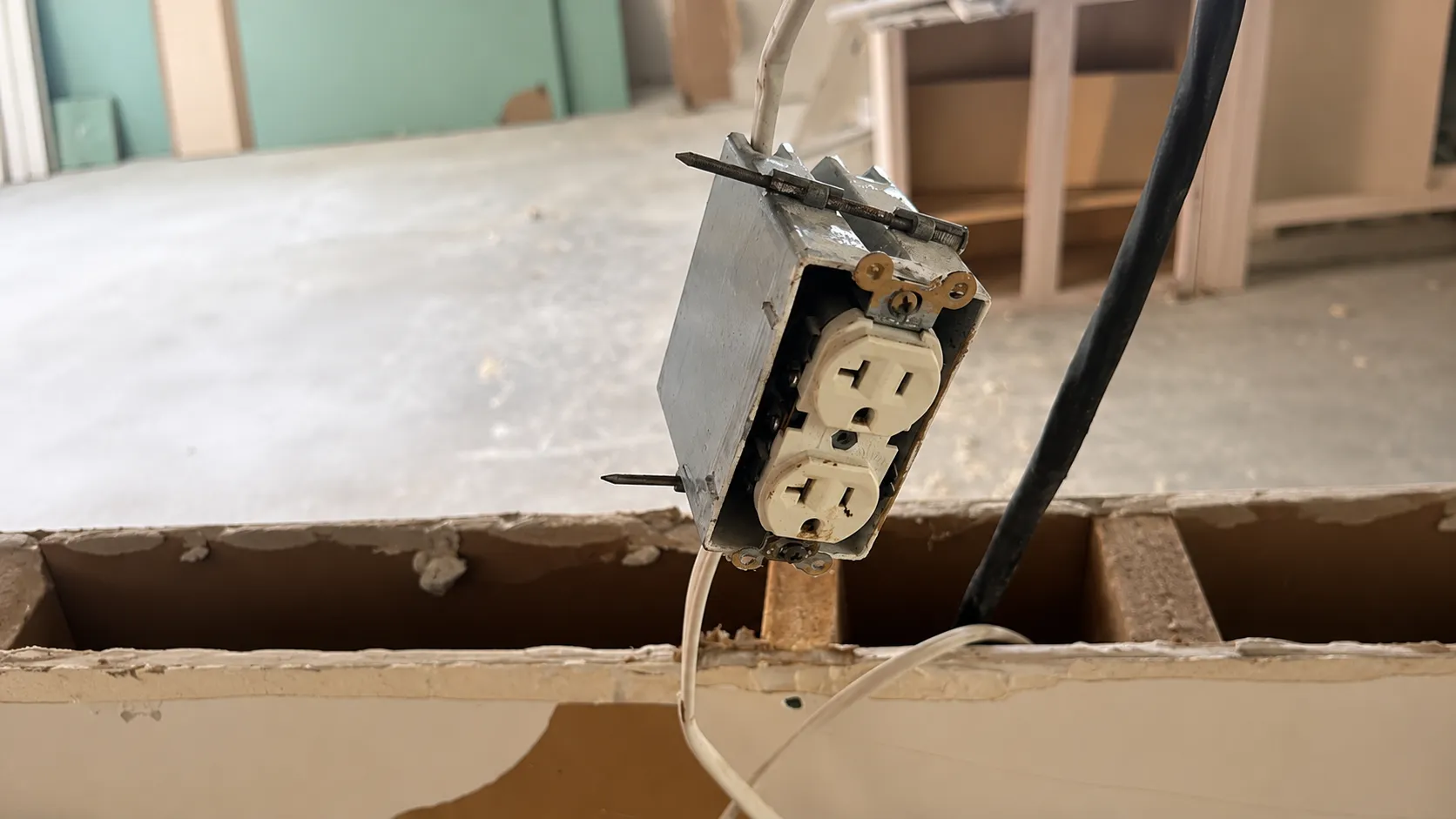
While these homes often have excellent construction and character, some may still contain electrical systems that no longer meet today’s safety standards or electrical demands.
Depending on the home’s age, older properties may benefit from:
- Electrical panel evaluations.
- Wiring inspections.
- Outlet upgrades.
- Surge protection.
- GFCI protection.
- AFCI protection.
Regular inspections help identify opportunities to improve both safety and reliability while supporting the needs of modern living.
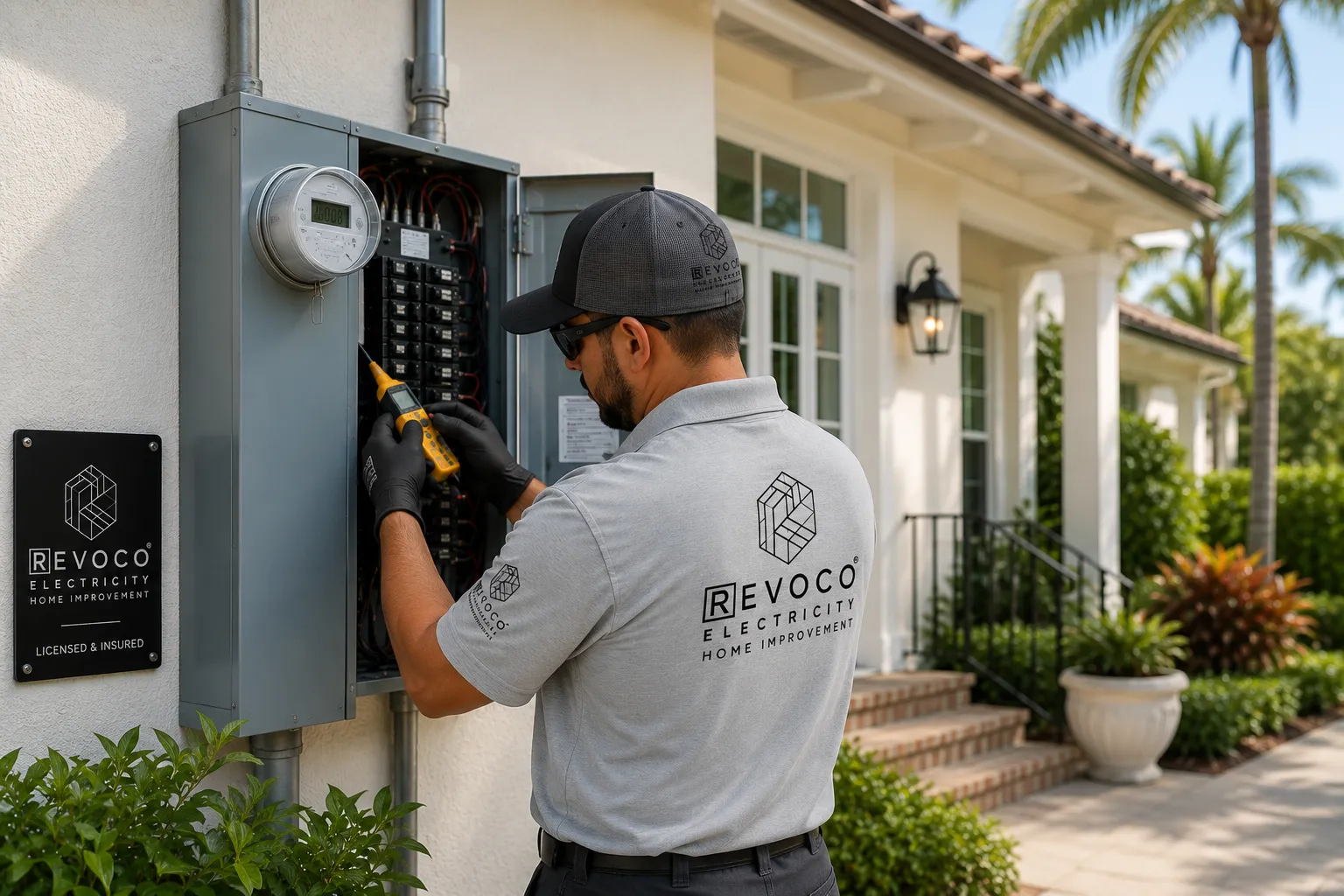
Florida homeowners face electrical challenges that are very different from those in many other parts of the country. The good news is that many electrical problems can be identified early through regular inspections and proactive upgrades, helping homeowners improve safety, reduce unexpected repairs, and protect the long-term value of their property.
Common Electrical Warning Signs Every Homeowner Should Never Ignore
Most electrical problems do not happen overnight.
In many cases, your home’s electrical system begins showing small warning signs long before a serious failure occurs. Learning to recognize these signs early can help prevent expensive repairs, reduce the risk of electrical fires, and keep your family safe.
Here are some of the most common electrical warning signs every Florida homeowner should know.
1. Circuit Breakers That Trip Frequently
Circuit breakers are designed to protect your home by shutting off power when they detect an overload or electrical fault.
An occasional trip may happen if too many devices are running on the same circuit. However, if the same breaker trips repeatedly, it should never be ignored.
Frequent breaker trips may indicate:
- Overloaded electrical circuits.
- Faulty appliances.
- Loose electrical connections.
- Damaged wiring.
- An outdated electrical panel.
- Short circuits.
If a breaker trips multiple times within a short period or immediately trips after being reset, it is time to schedule a professional electrical inspection.
2. Flickering or Dimming Lights
Lights that flicker occasionally during severe weather may not always indicate a problem. However, lights that flicker regularly, especially when appliances turn on, can be a sign that your electrical system is struggling to meet demand.
Possible causes include:
- Loose electrical connections.
- Overloaded circuits.
- Voltage fluctuations.
- Aging electrical wiring.
- An undersized electrical panel.
Ignoring these symptoms may eventually lead to equipment damage or more extensive electrical repairs.
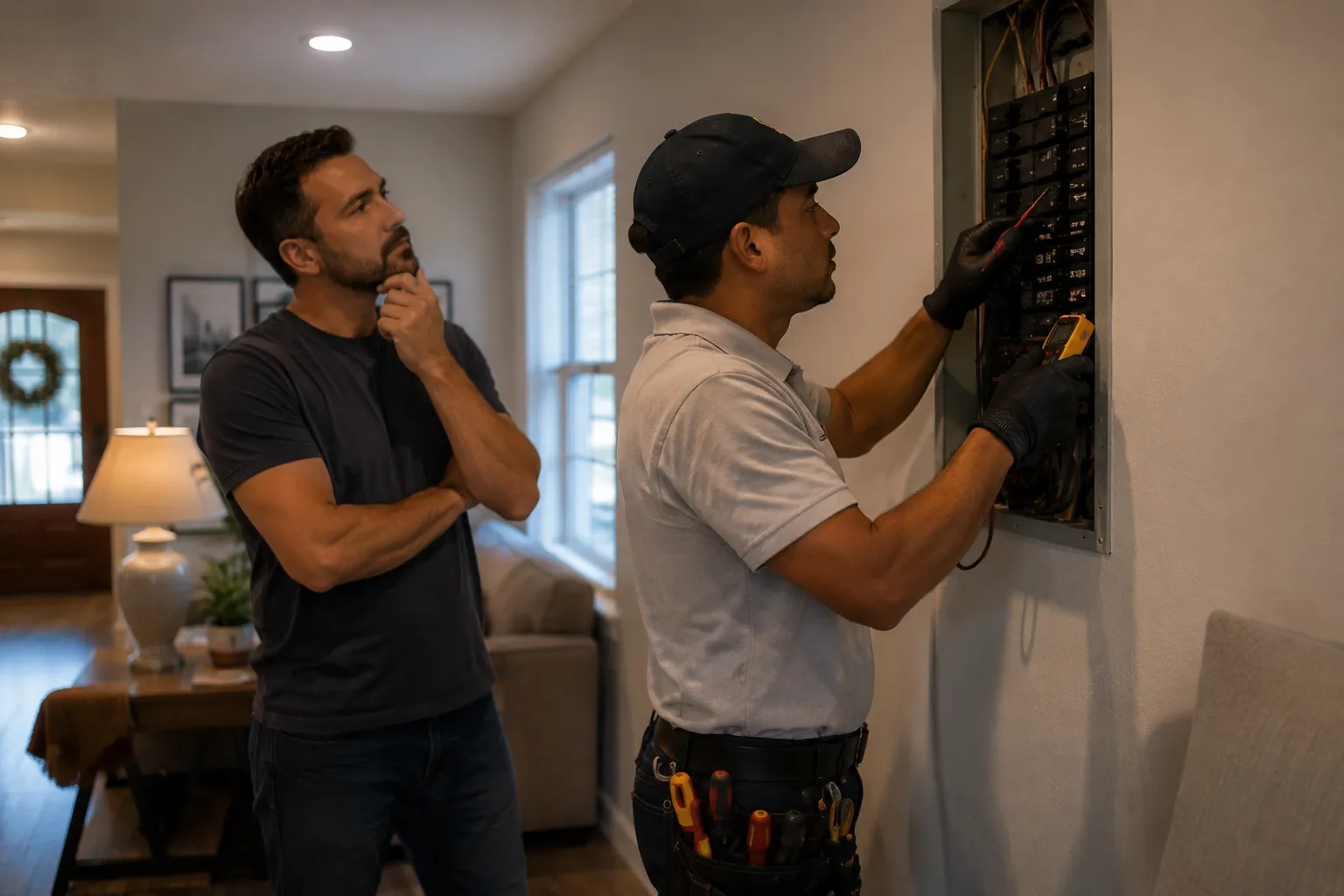
3. Warm or Discolored Electrical Outlets
Electrical outlets should never feel hot to the touch.
If an outlet becomes warm, changes color, develops burn marks, or produces a burning smell, stop using it immediately.
These symptoms may indicate:
- Loose wiring.
- Internal electrical arcing.
- Overloaded circuits.
- Damaged receptacles.
- Poor electrical connections.
Because overheating increases the risk of electrical fires, these problems should be evaluated as soon as possible.
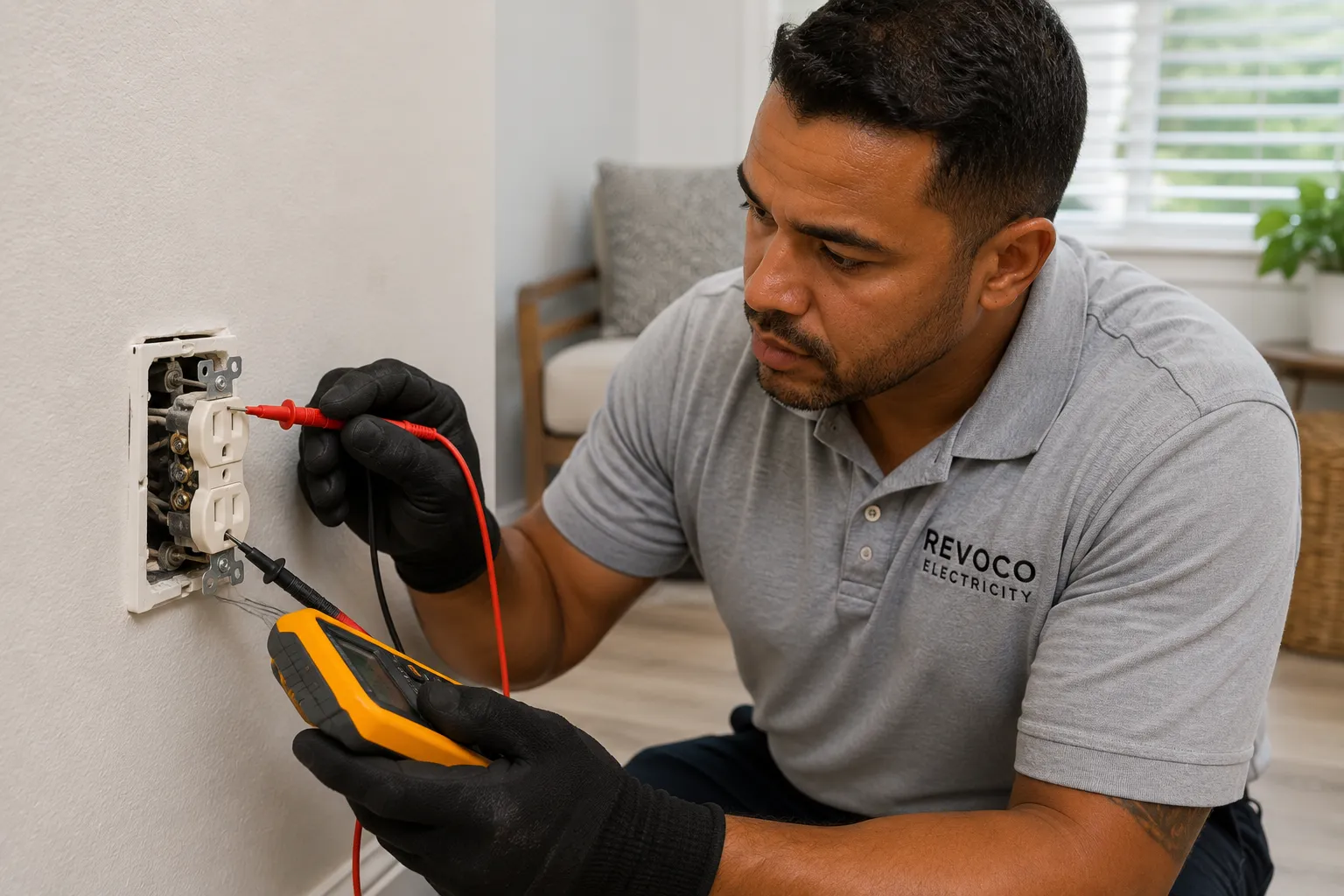
4. Burning Smells or Buzzing Sounds
Your home’s electrical system should operate quietly.
If you notice:
- Buzzing sounds.
- Humming inside the electrical panel.
- Crackling outlets.
- A burning odor.
- The smell of melting plastic.
turn off power to the affected area if it is safe to do so and avoid using the circuit until it has been inspected.
These symptoms may indicate damaged wiring, overheating, or electrical arcing that requires immediate professional attention.
5. Sparking Outlets or Switches
A very small spark may occasionally occur when plugging in certain appliances. However, repeated sparking, large visible sparks, or sparks accompanied by smoke, heat, or unusual sounds are not normal.
Potential causes include:
- Loose electrical connections.
- Worn outlets.
- Damaged switches.
- Faulty wiring.
- Internal electrical faults.
These situations should always be evaluated by a licensed electrician.
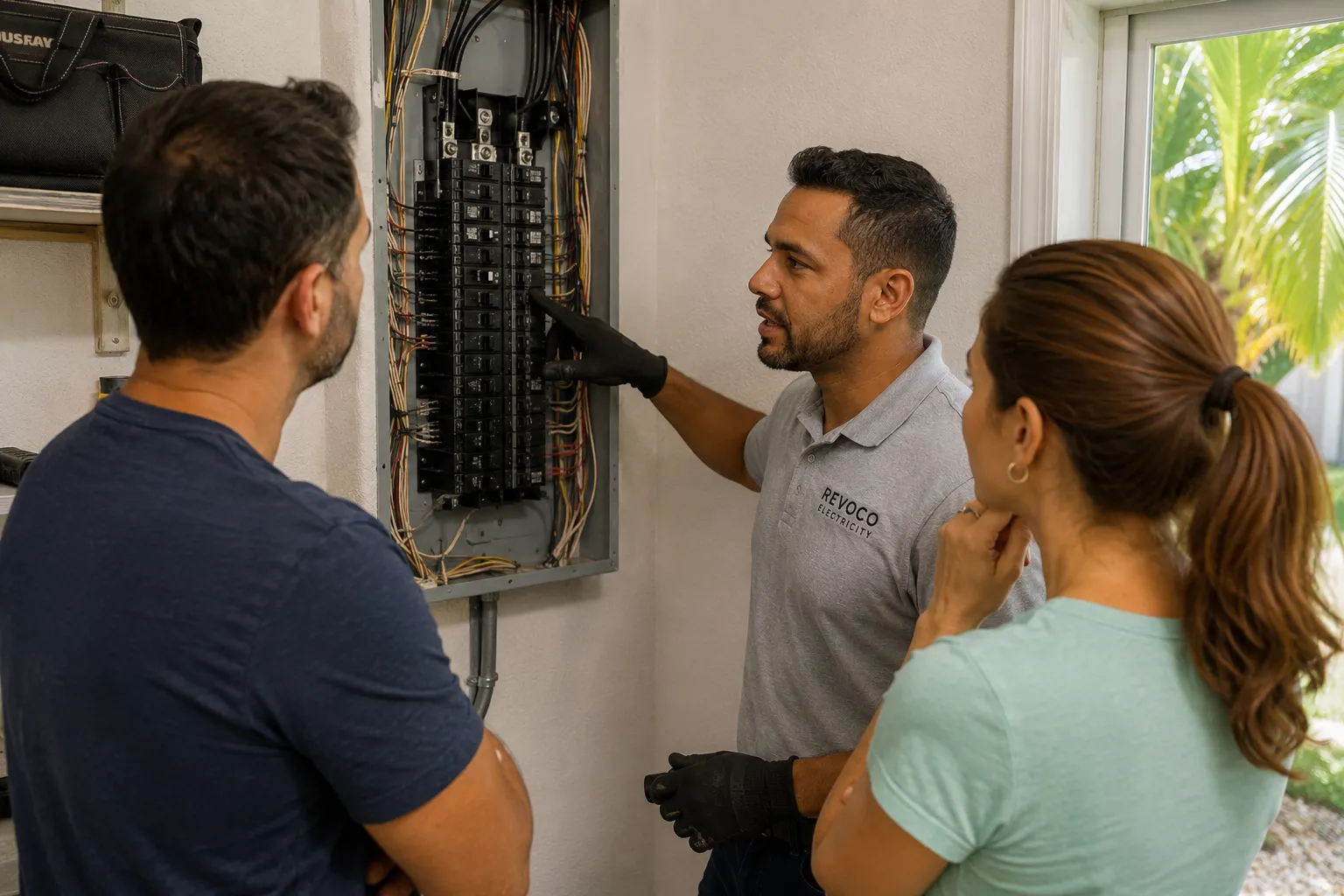
6. Frequently Blown Fuses or Older Electrical Panels
Although many homes now use circuit breakers, some older homes still have fuse boxes or aging electrical panels.
Older electrical equipment may no longer meet the demands of today’s homes, especially if new appliances, air conditioning systems, or electric vehicle chargers have been added over the years.
Signs that your electrical panel may need professional evaluation include:
- Frequent breaker trips.
- Limited available breaker space.
- Rust or corrosion.
- Unusual noises.
- Warm panel surfaces.
- Difficulty resetting breakers.
A professional inspection can determine whether repairs or an electrical panel upgrade would improve safety and reliability.
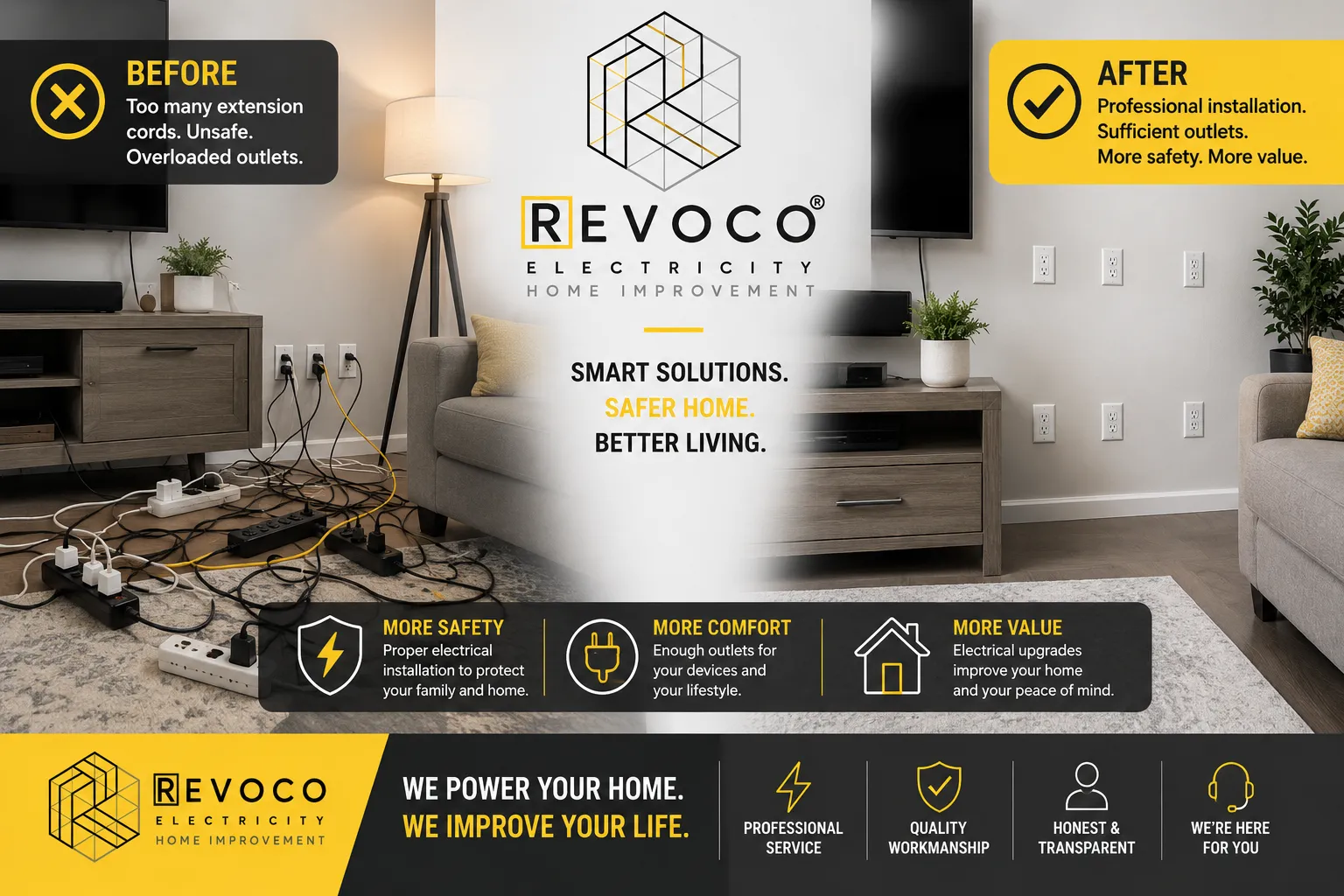
7. Your Home Does Not Have Enough Outlets
If your family depends on:
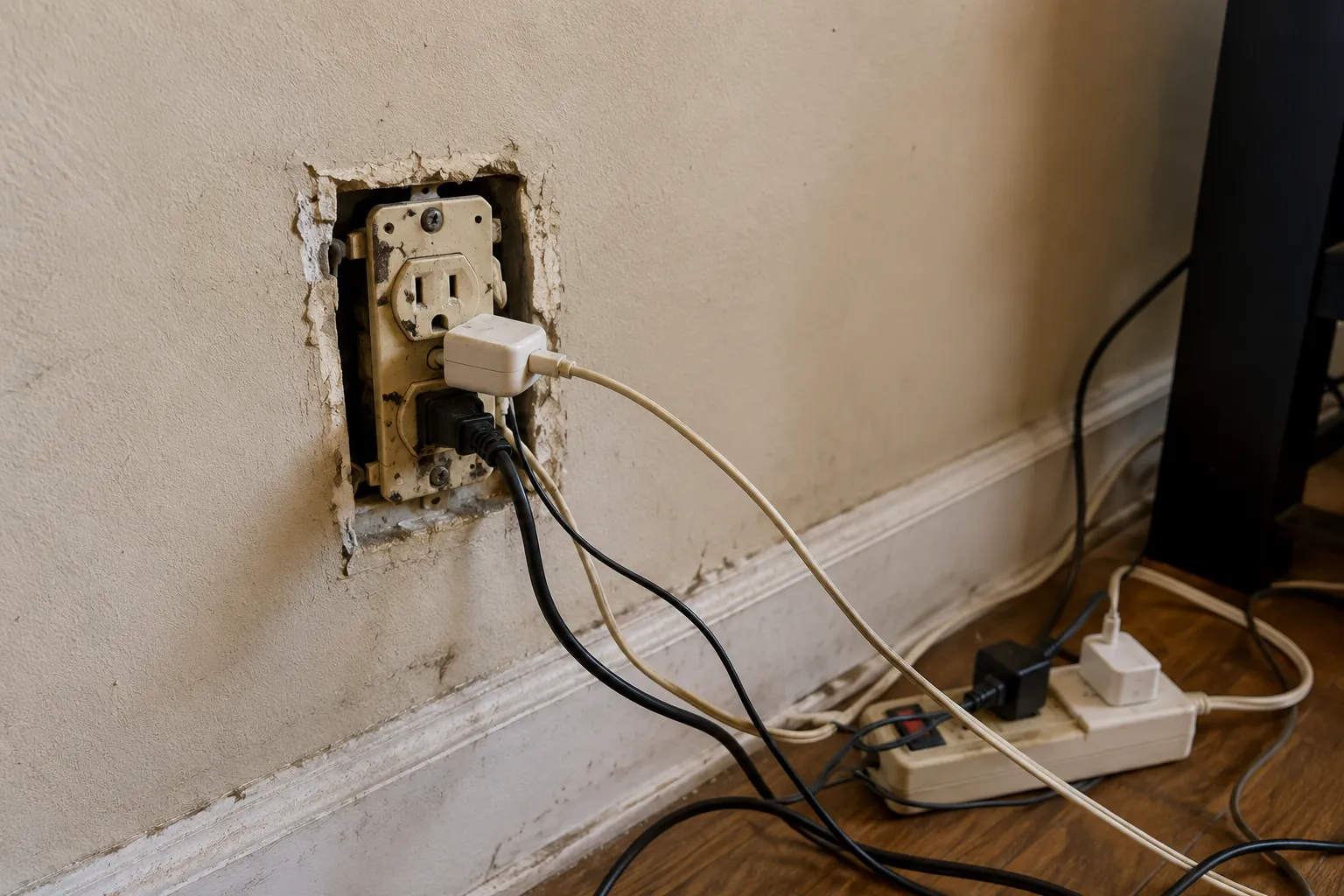
- Extension cords.
- Power strips.
- Multi-plug adapters.
throughout the house, your electrical system may no longer meet your daily needs.
Overloading outlets increases electrical demand and may create unnecessary safety risks. Adding properly installed outlets or dedicated circuits can improve convenience while reducing electrical strain.
Quick Homeowner Safety Checklist
If you answer Yes to any of the questions below, consider scheduling a professional electrical evaluation:
- Do your circuit breakers trip frequently?
- Do your lights flicker or dim unexpectedly?
- Have you noticed warm outlets or switches?
- Do you smell something burning near electrical devices?
- Are you using multiple extension cords every day?
- Is your electrical panel more than 25 years old?
- Are you planning to install an EV charger, hot tub, or other high-demand equipment?
Electrical issues are often easier, and less expensive, to address when they are identified early.
How to Protect Your Home’s Electrical System
Protecting your home’s electrical system does not always require major upgrades or expensive renovations. In many cases, small preventive measures and routine maintenance can significantly reduce the risk of electrical failures, protect valuable appliances, and help your electrical system perform reliably for years to come.
Florida’s climate presents unique challenges, including lightning, hurricanes, high humidity, and increasing electrical demands, making proactive protection even more important for homeowners.
1. Install Whole-Home Surge Protection
Power surges are one of the leading causes of damage to modern electronics and appliances.
In Florida, lightning strikes and utility power fluctuations can send sudden spikes of electricity through your home’s wiring, even if lightning does not directly strike your property.
While many homeowners rely on power strips, these only protect the devices plugged into them.
A whole-home surge protection system is installed directly at your electrical panel and helps reduce the impact of electrical surges throughout your home’s electrical system.
It provides an additional layer of protection for:
- Air conditioning systems.
- Refrigerators.
- Washing machines.
- Dryers.
- Smart TVs.
- Computers.
- Internet equipment.
- Kitchen appliances.
- Smart home devices.
Although no surge protection device can prevent every possible electrical event, it can greatly reduce the risk of damage caused by many common power surges.
2. Test Your GFCI Outlets Regularly
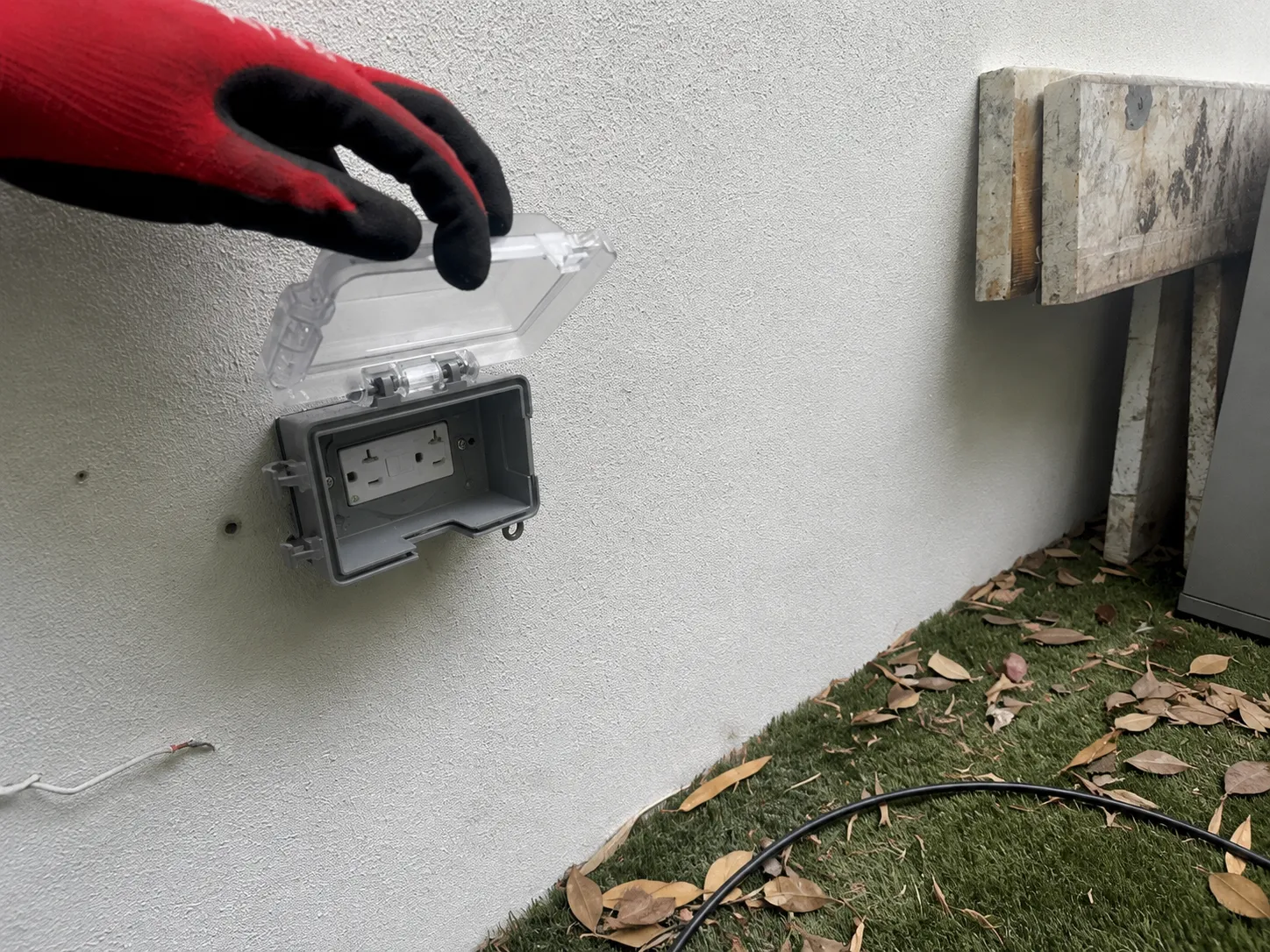
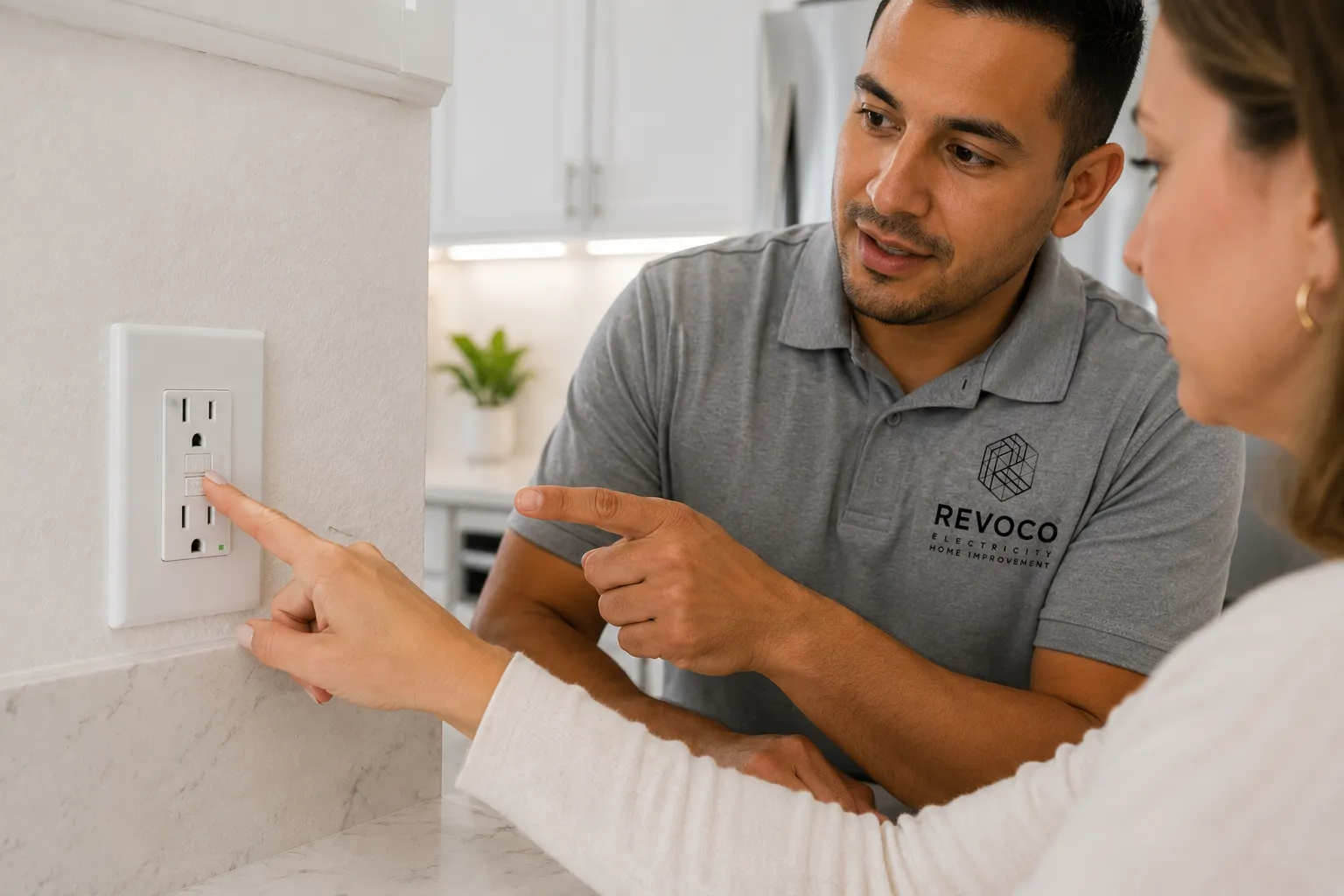
Ground Fault Circuit Interrupter (GFCI) outlets are designed to help protect people from electrical shock in areas where electricity and water may come into contact.
You will commonly find GFCI outlets in:
- Kitchens.
- Bathrooms.
- Laundry rooms.
- Garages.
- Outdoor areas.
- Pool equipment areas.
These outlets include TEST and RESET buttons that allow homeowners to verify they are functioning properly.
A simple monthly test only takes a few seconds and helps ensure these important safety devices are working as intended. If a GFCI outlet fails to reset or does not respond correctly during testing, it should be inspected by a licensed electrician.
3. Avoid Overloading Electrical Circuits
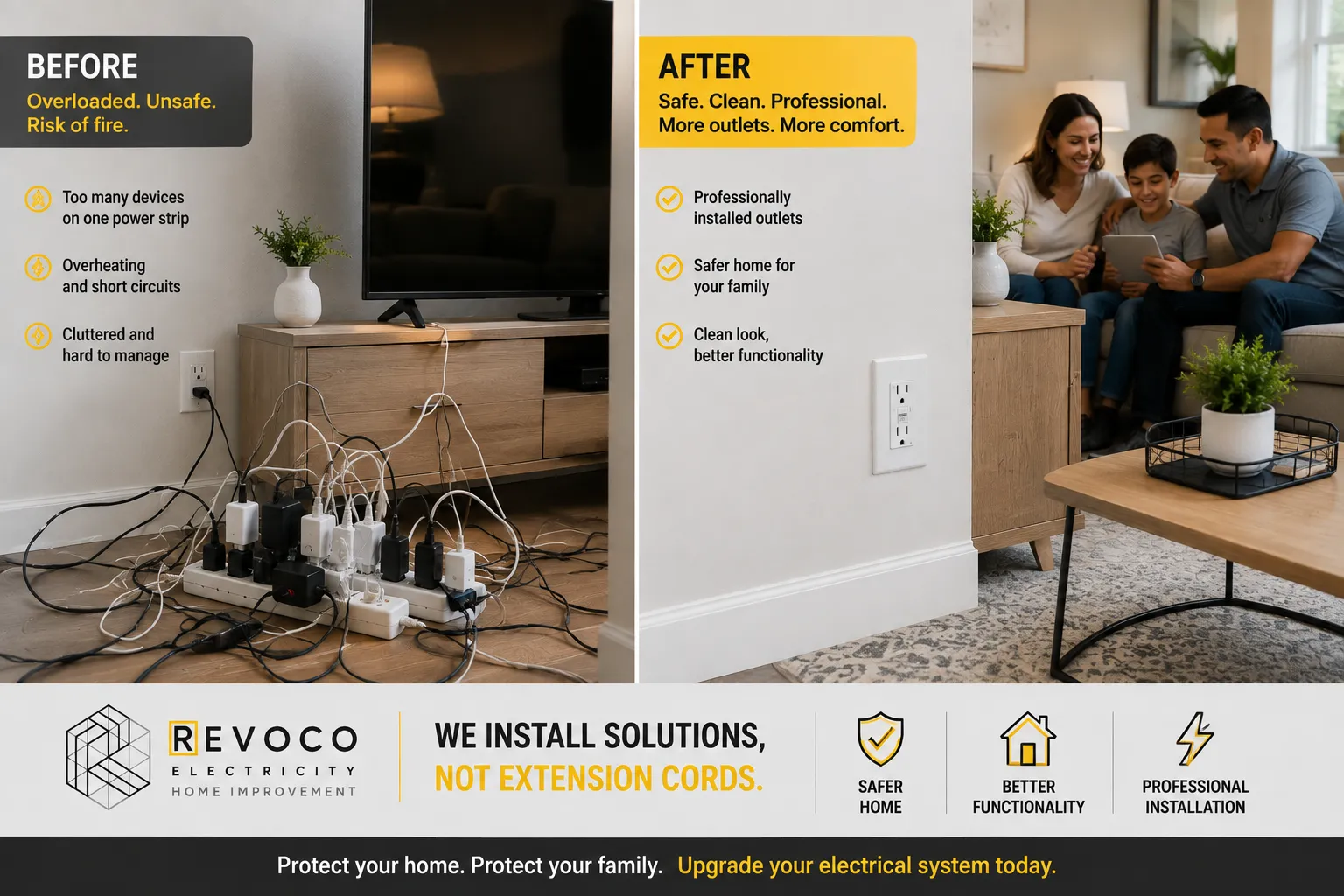
Today’s homes use far more electricity than they did just a few decades ago.
High-powered appliances, home offices, entertainment systems, and electric vehicle chargers all place greater demands on residential electrical systems.
To reduce unnecessary stress on your electrical circuits:
- Avoid plugging multiple high-powered devices into the same outlet.
- Use extension cords only as temporary solutions.
- Install dedicated circuits for large appliances when needed.
- Replace damaged power strips immediately.
- Never daisy-chain multiple power strips together.
Keeping electrical loads properly balanced helps improve both safety and reliability.
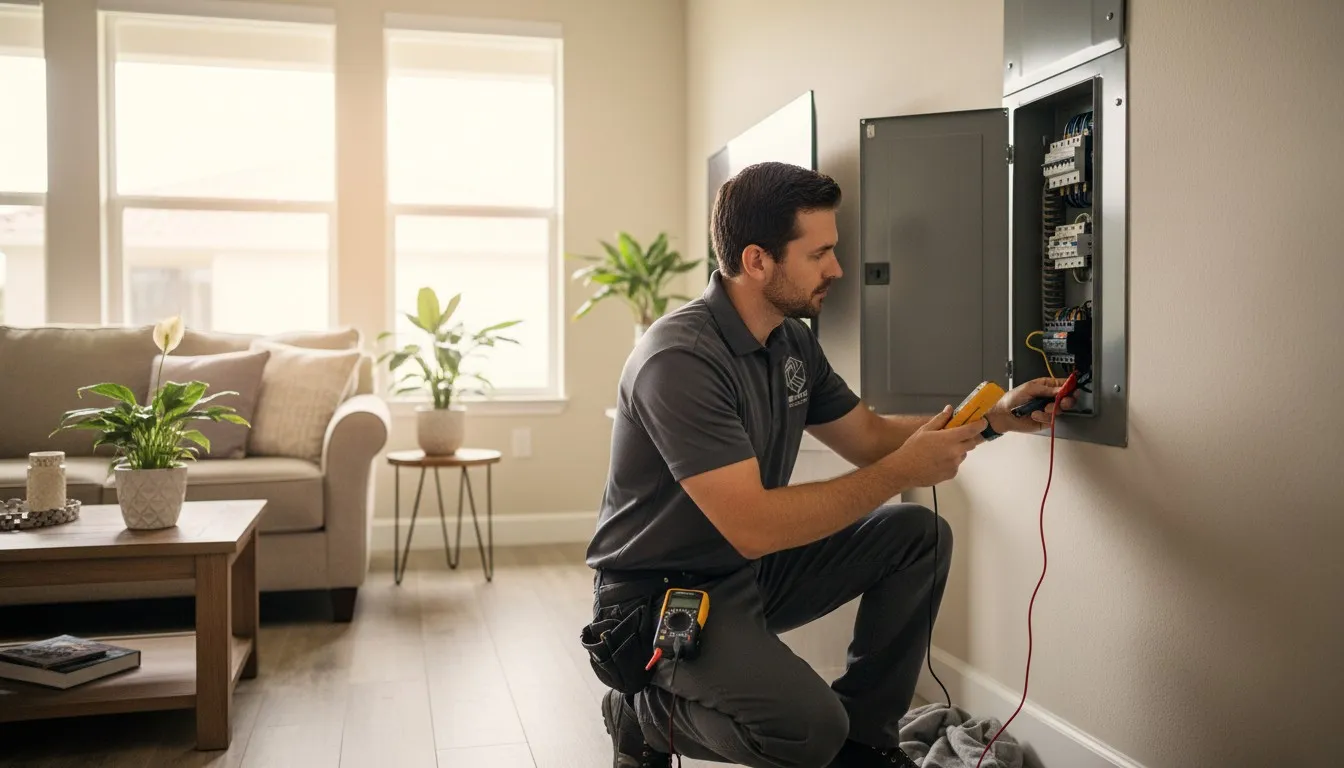
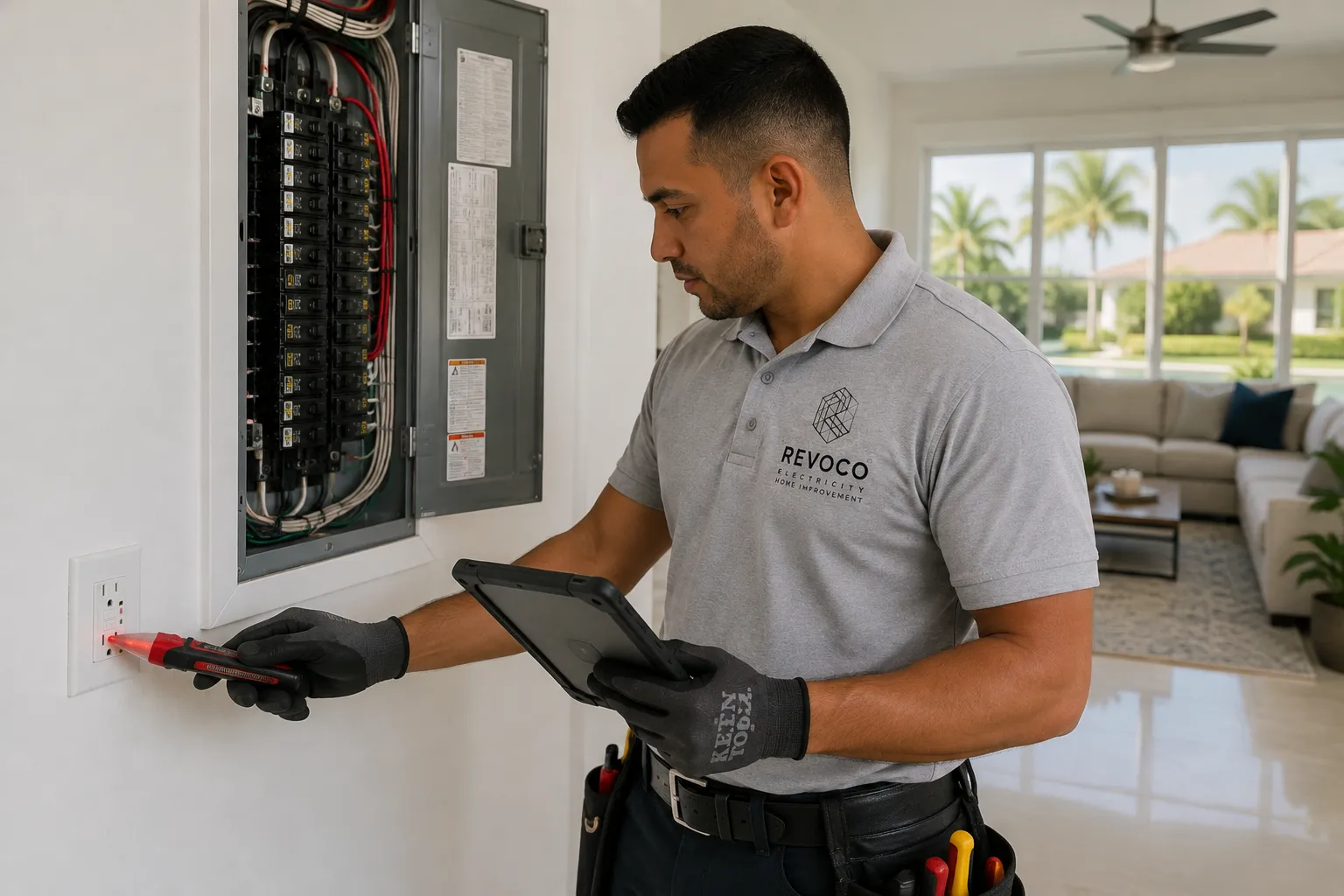
4. Schedule Periodic Electrical Inspections
Many electrical problems develop gradually and remain hidden behind walls or inside electrical panels.
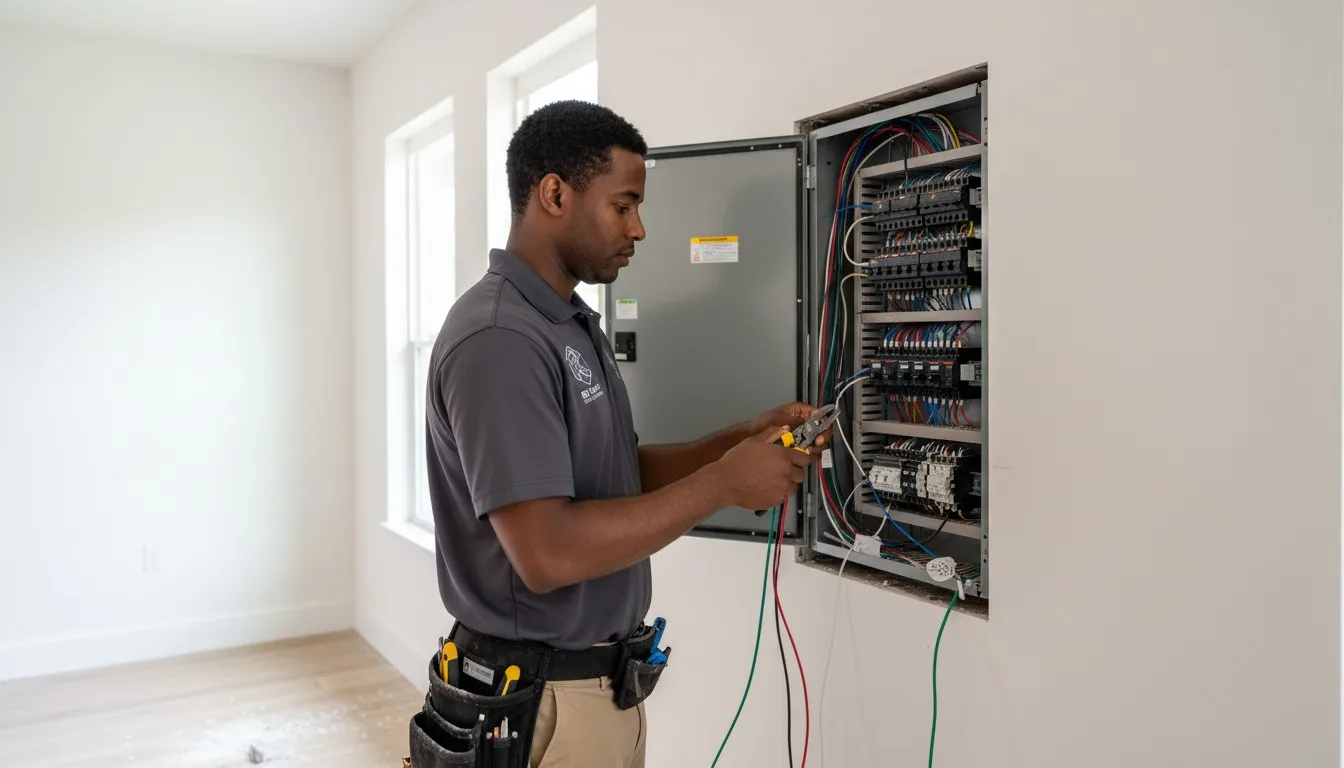
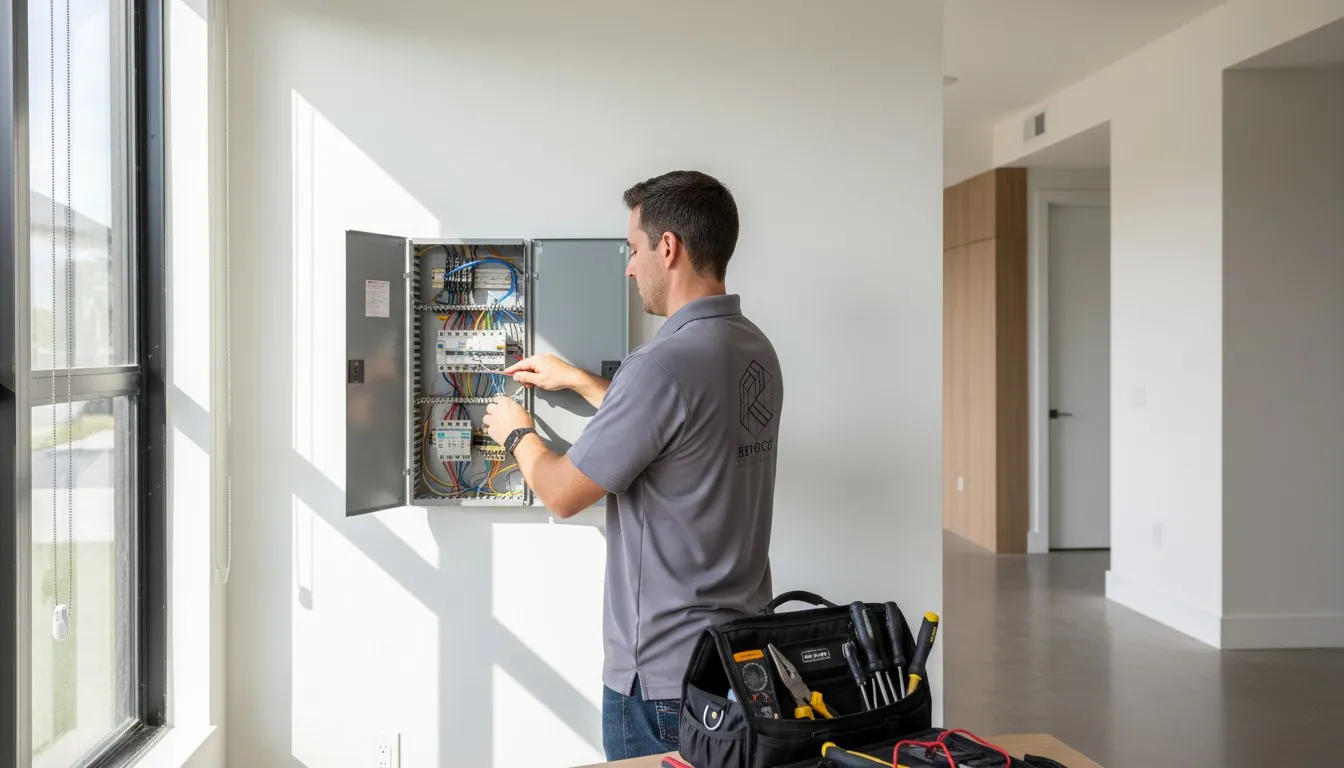
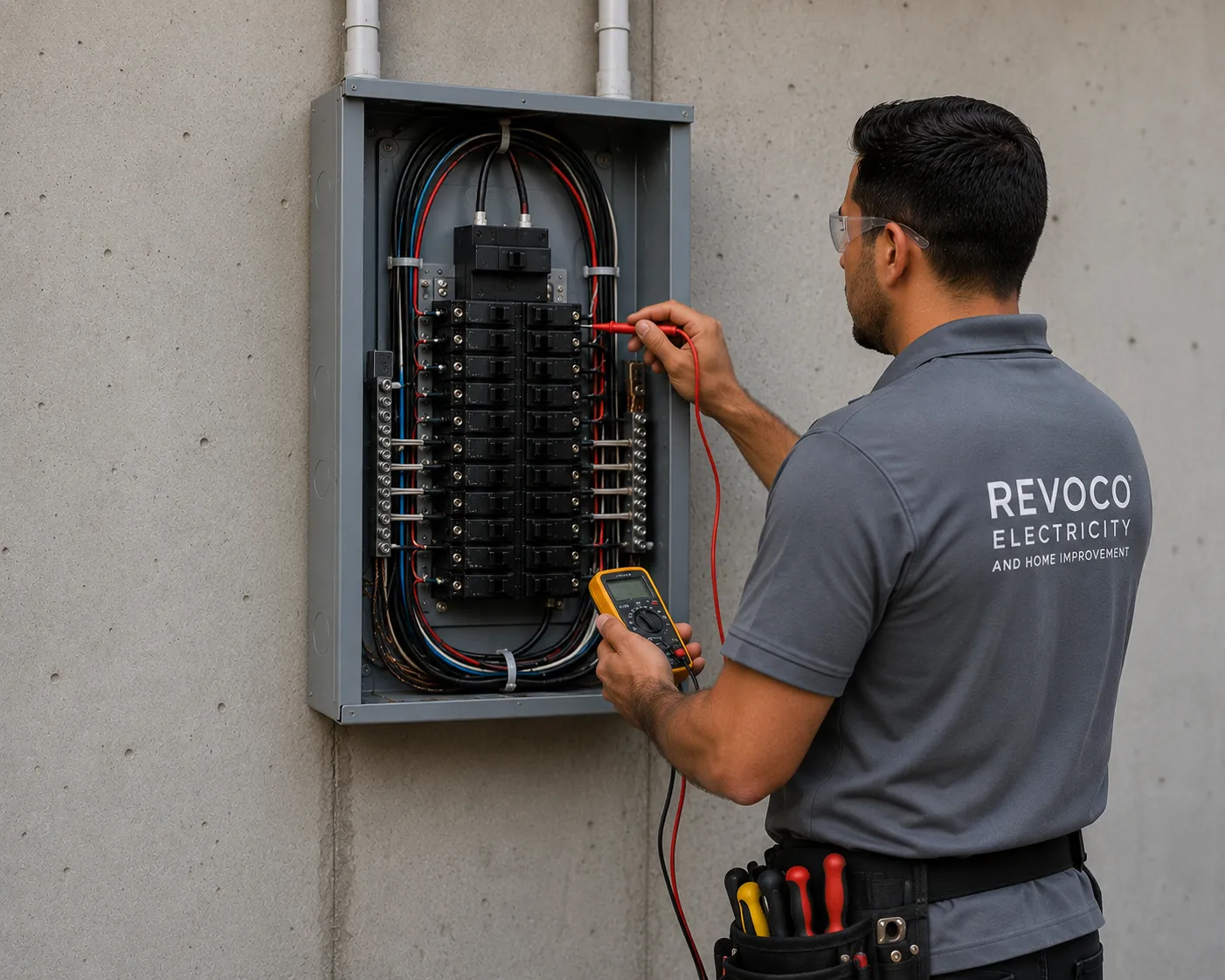
Routine inspections allow a licensed electrician to identify potential issues before they become larger repairs.
During a professional electrical inspection, an electrician may evaluate:
- Electrical panel condition.
- Circuit breaker performance.
- Wiring connections.
- GFCI protection.
- AFCI protection.
- Outdoor electrical equipment.
- Grounding and bonding.
- Signs of corrosion or overheating.
Regular inspections are especially valuable for:
- Older homes.
- Homes near the coast.
- Recently purchased homes.
- Homes preparing for insurance inspections.
- Homes planning major renovations.
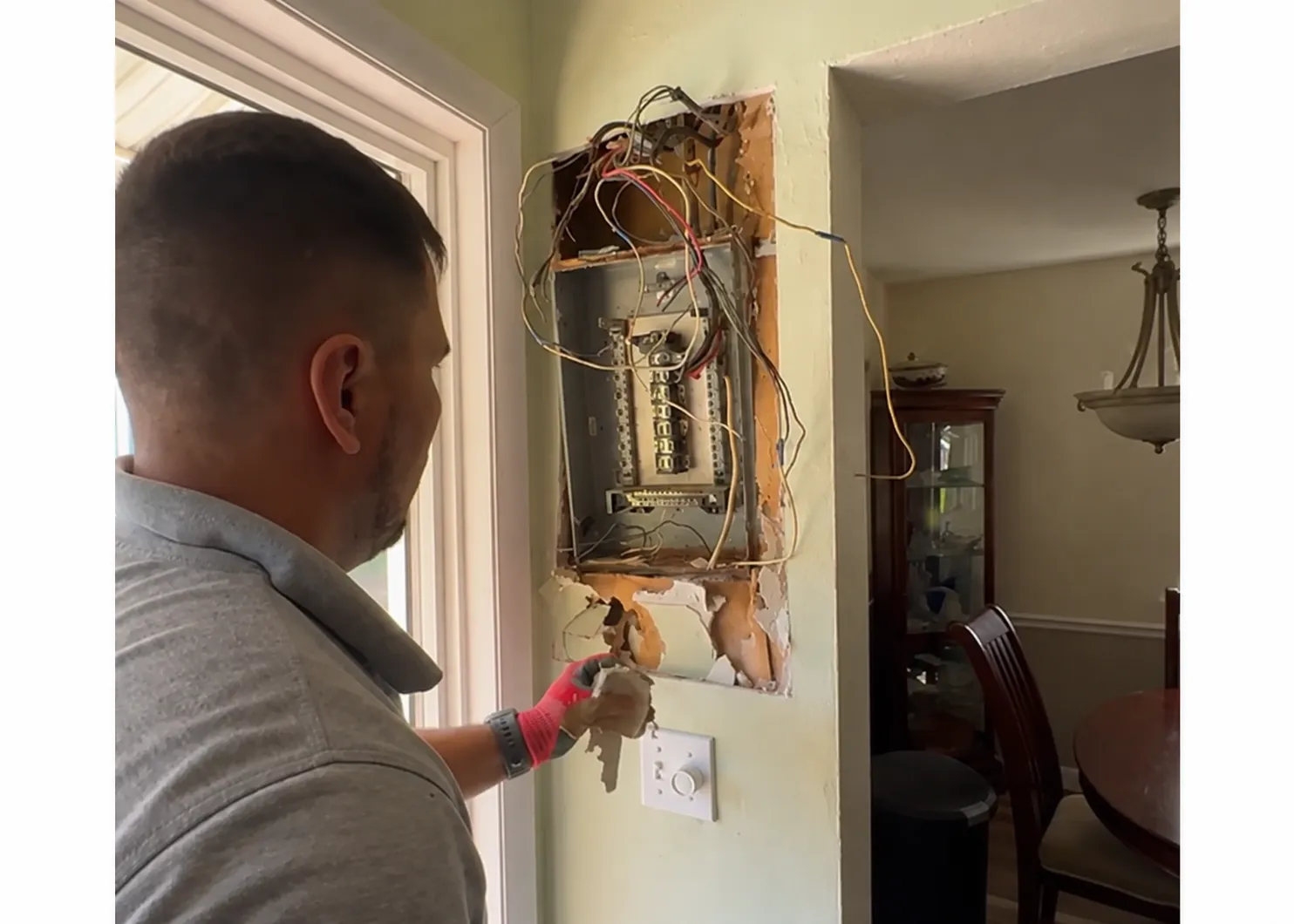
5. Upgrade Older Electrical Equipment When Necessary
Electrical technology continues to evolve.
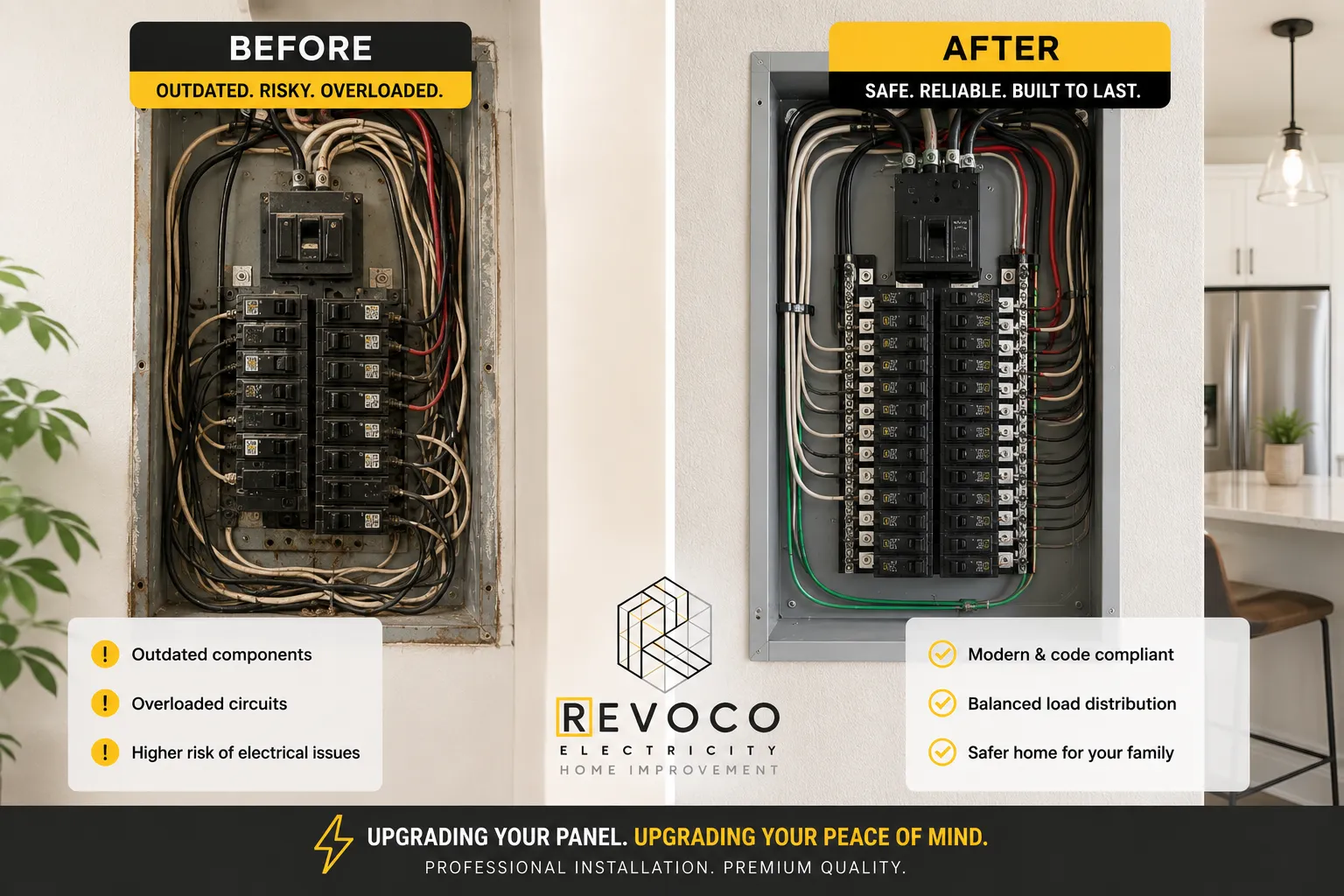
If your home’s electrical system is several decades old, certain components may no longer provide the level of safety or capacity needed for today’s lifestyle.
Depending on your home’s age and electrical usage, upgrades may include:
- Electrical panel replacement.
- Additional dedicated circuits.
- GFCI outlet installation.
- AFCI protection.
- Whole-home surge protection.
- Modern grounding improvements.
Upgrading aging electrical equipment not only improves reliability but can also help support future additions such as electric vehicle chargers, home offices, outdoor kitchens, and smart home technology.
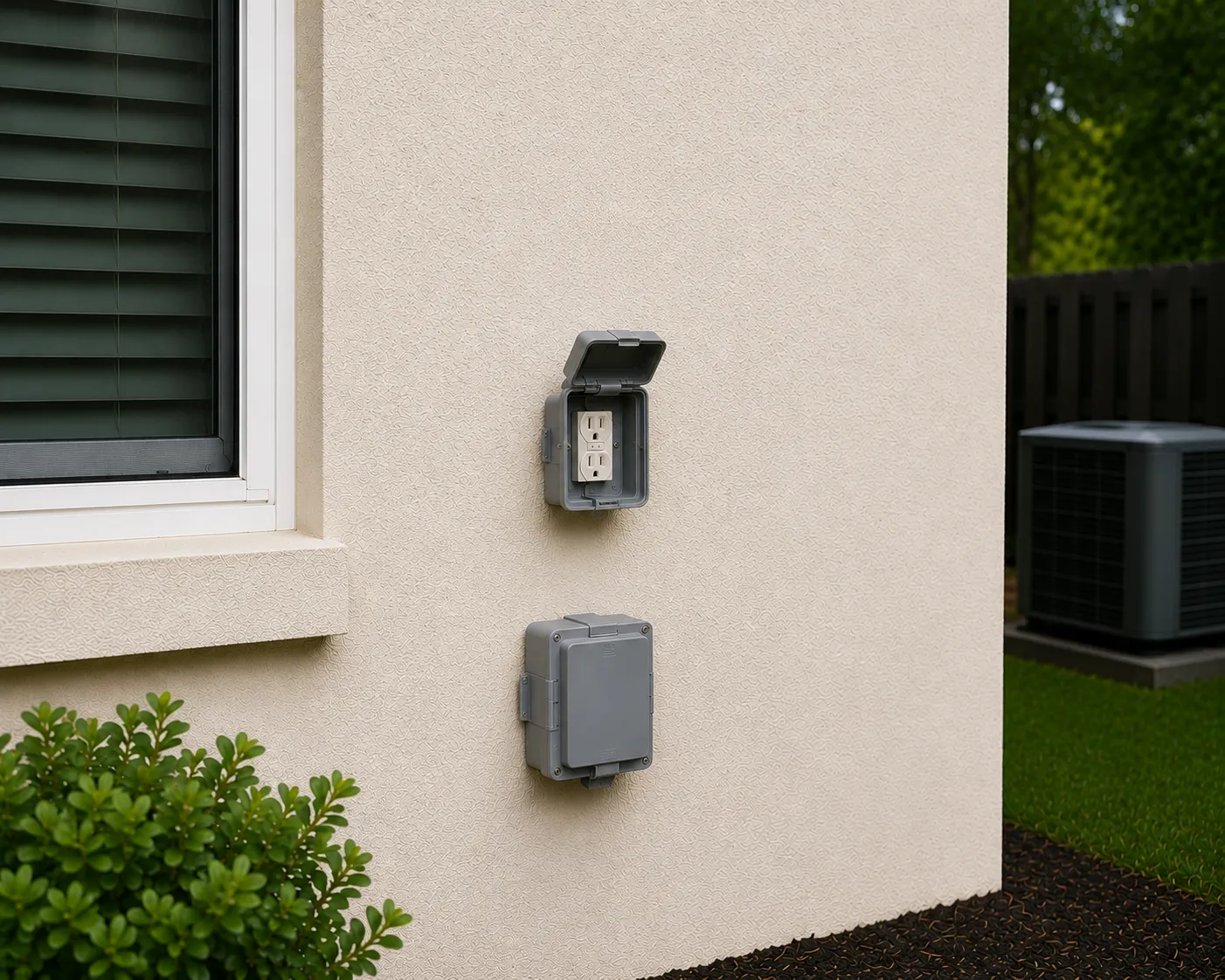
6. Keep Outdoor Electrical Equipment Protected
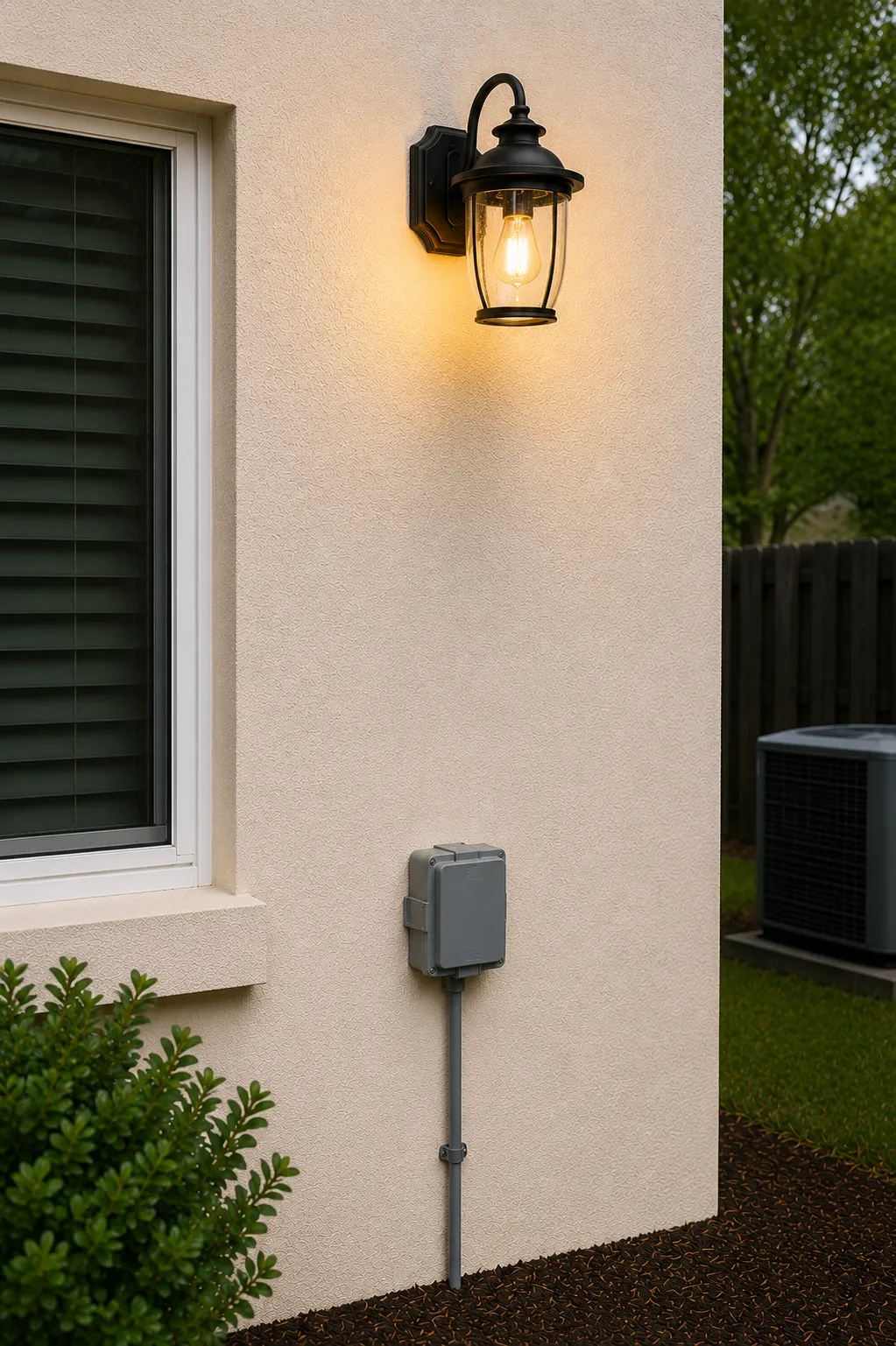
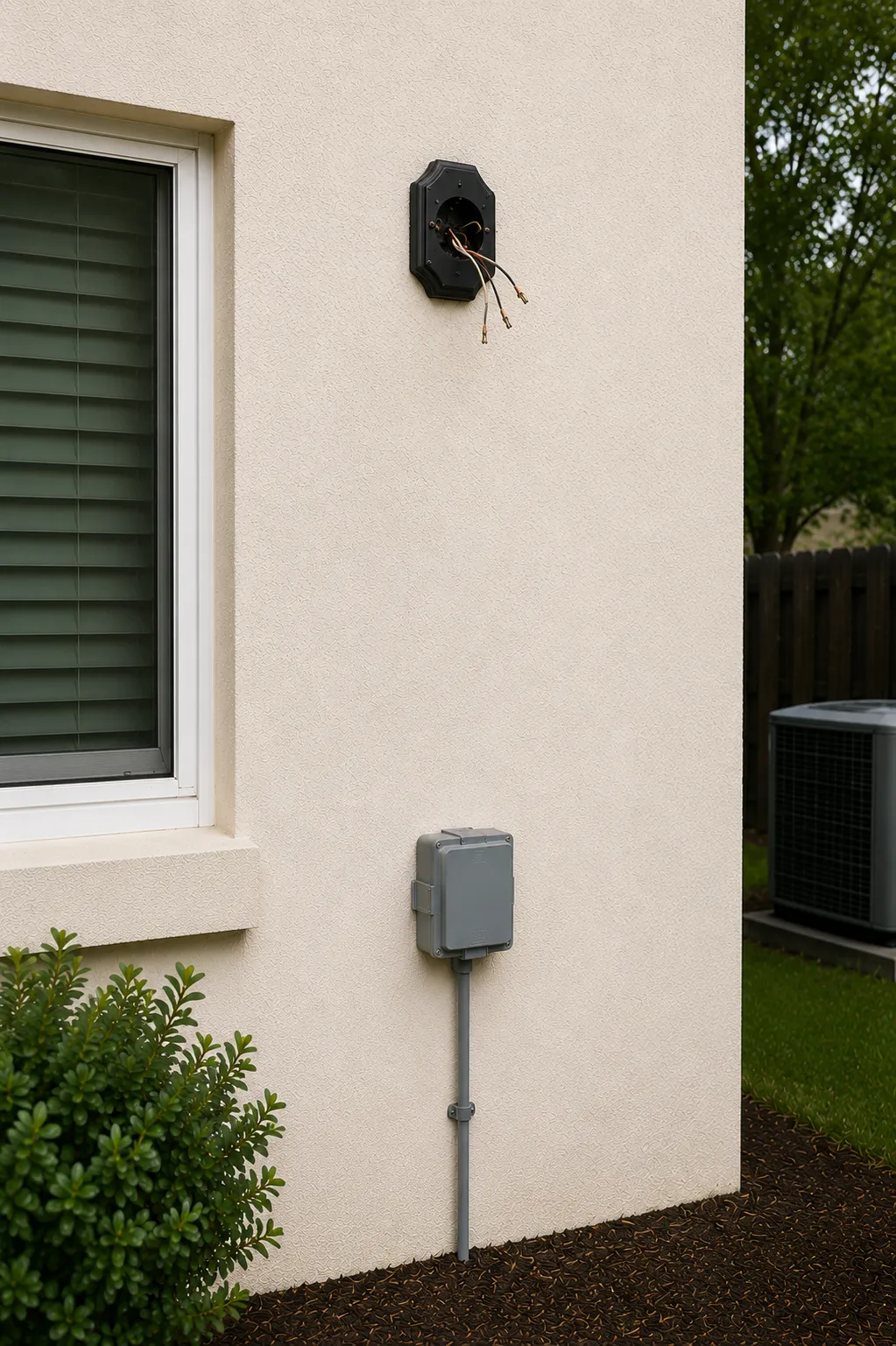
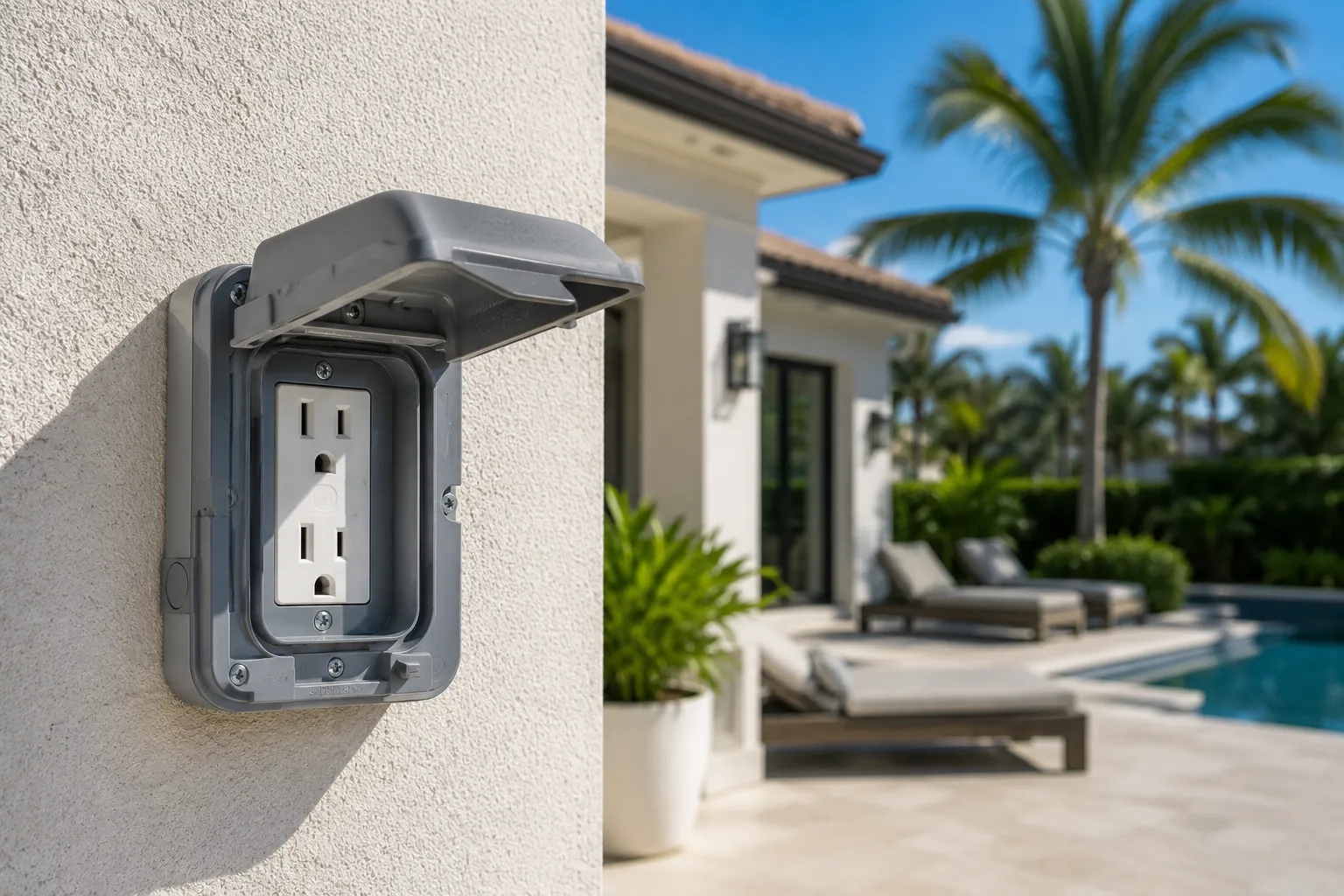
Florida’s weather exposes outdoor electrical equipment to rain, heat, humidity, salt air, and debris throughout the year.
Homeowners should periodically inspect outdoor electrical components for signs of:
- Cracked outlet covers.
- Rust.
- Corrosion.
- Loose fixtures.
- Water intrusion.
- Damaged conduit.
Keeping outdoor electrical equipment properly maintained helps improve both safety and long-term performance.
7. Prepare Your Electrical System Before Hurricane Season
One of the best ways to protect your home is to prepare before severe weather arrives.
Before hurricane season begins, consider:
- Testing GFCI outlets.
- Checking your electrical panel for visible signs of wear.
- Verifying surge protection is installed.
- Inspecting outdoor electrical equipment.
- Ensuring backup power equipment is ready if applicable.
Taking these preventive steps before storm season can reduce the likelihood of electrical damage and help you recover more quickly after severe weather.
Essential Home Electrical Safety Checklist
Use this simple checklist to help keep your home’s electrical system in top condition:
- Install whole-home surge protection.
- Test GFCI outlets monthly.
- Avoid overloading outlets and circuits.
- Replace damaged outlets or switches promptly.
- Schedule periodic electrical inspections.
- Inspect outdoor electrical equipment.
- Prepare your electrical system before hurricane season.
- Upgrade aging electrical equipment when necessary.
Final Thoughts
Many electrical emergencies can be prevented through routine inspections, proper maintenance, and timely upgrades.
Rather than waiting for a problem to interrupt your daily life, taking a proactive approach helps protect your family, your property, and the valuable electronics your home depends on every day.
A well-maintained electrical system not only improves safety, it also provides peace of mind, knowing your home is prepared for Florida’s unique environmental challenges.