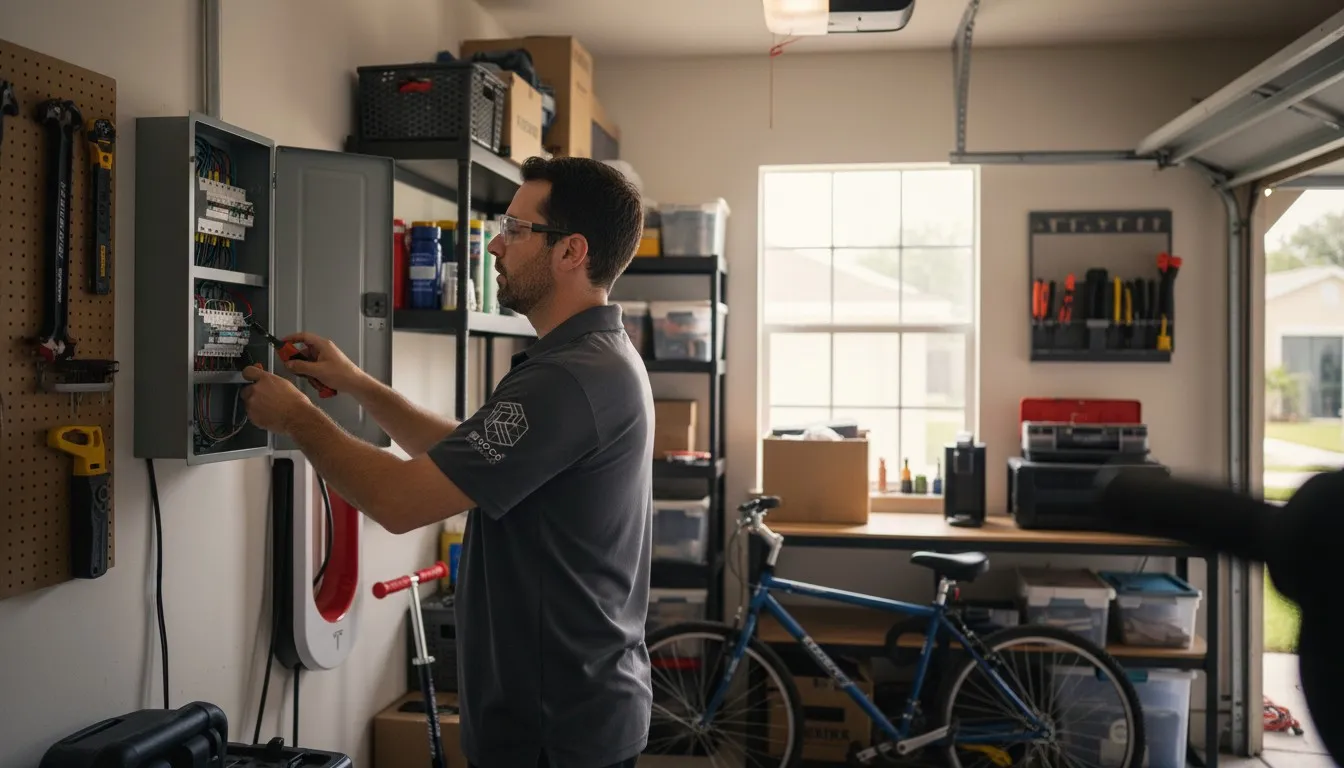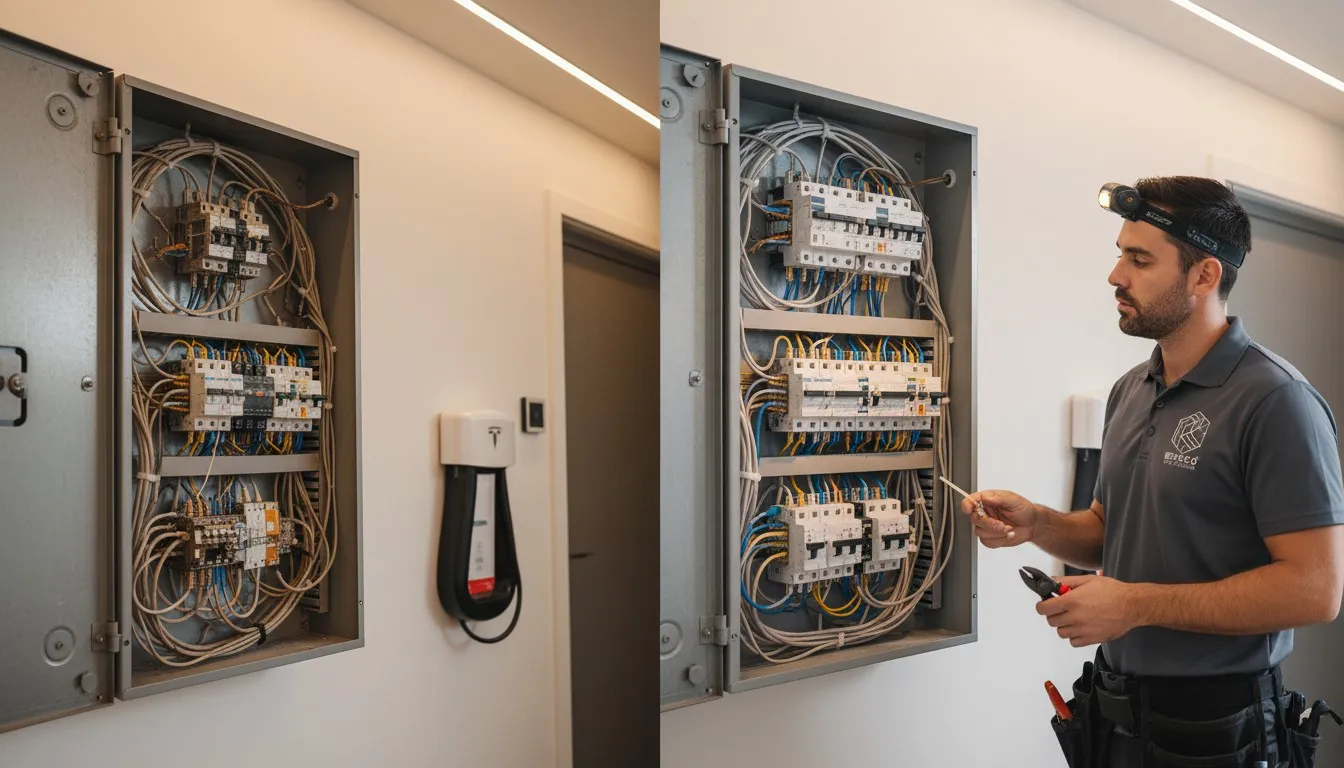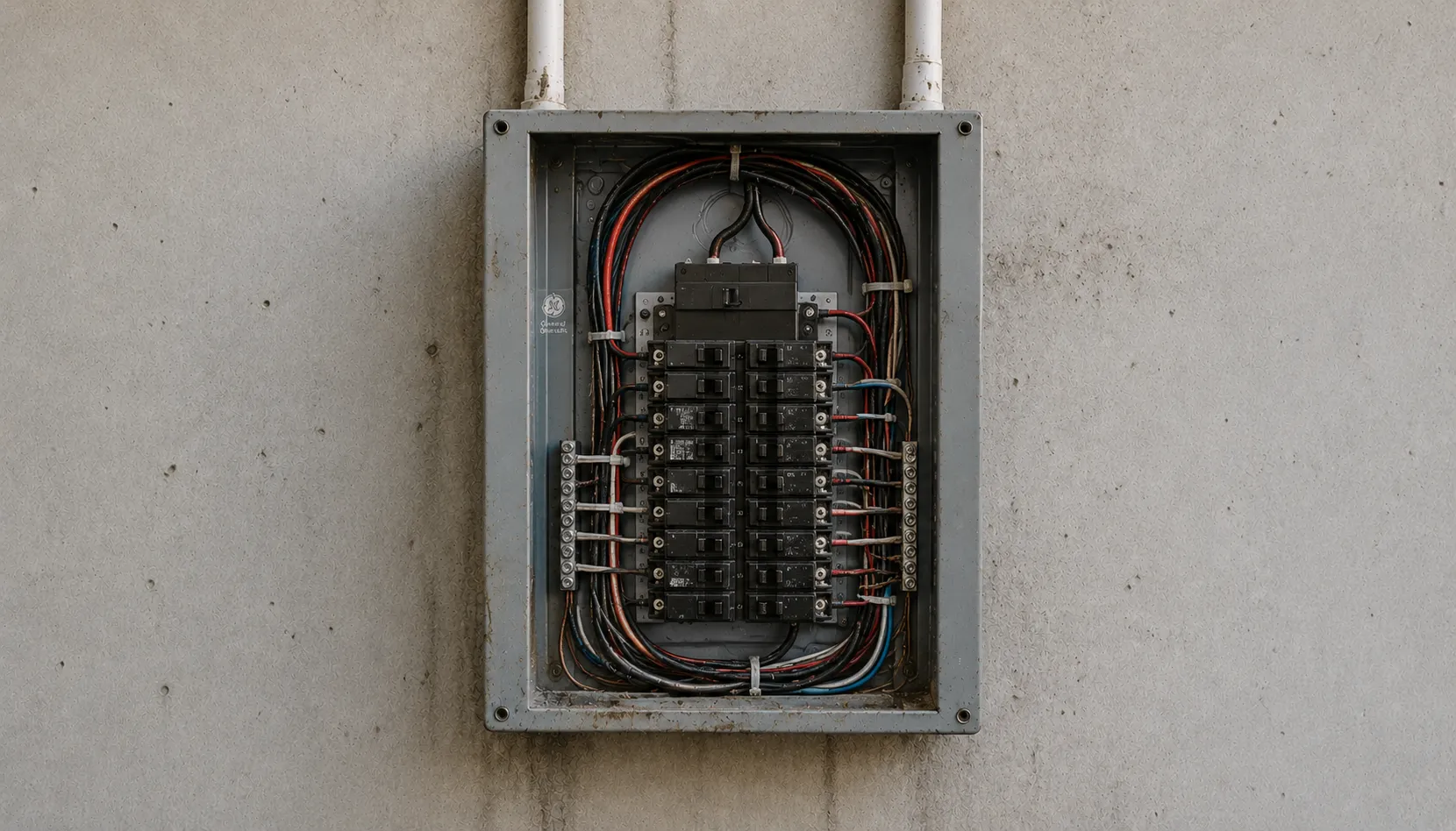
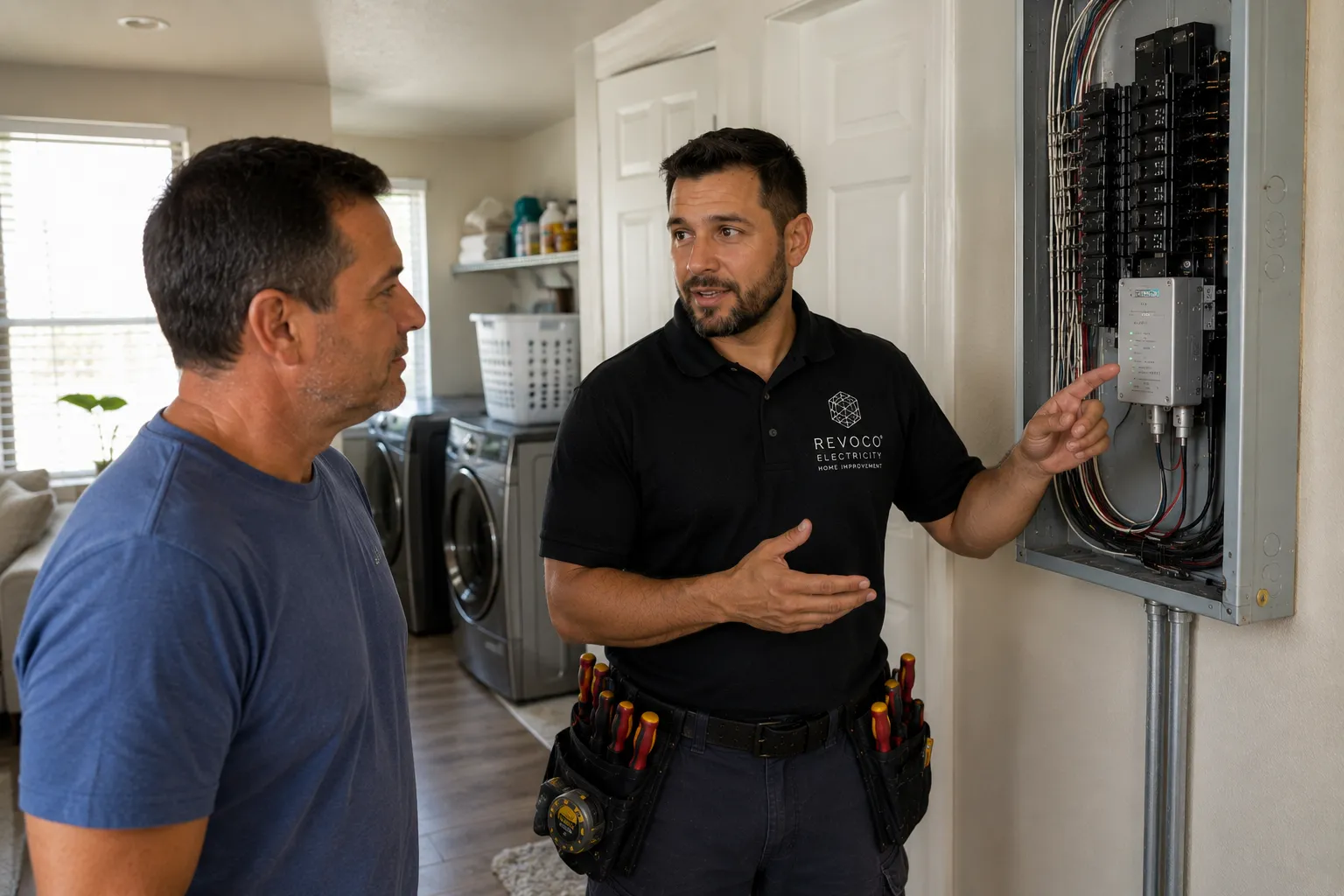
Florida Home Electrical Maintenance Guide: Year-Round Safety Tips Every Homeowner Should Know
Table of Contents
- Annual Electrical Maintenance Calendar
- Preparing Your Home’s Electrical System Before Hurricane Season
- When Should You Call a Professional Electrician?
- Frequently Asked Questions
- Final Thoughts
- Homeowner Resources
Your home’s electrical system works every day, often without a second thought. It powers your lighting, air conditioning, appliances, home office, security systems, and countless other devices that keep your family comfortable and safe. Yet, like any other major home system, it requires routine maintenance to continue operating efficiently and reliably.
In Florida, electrical systems face additional challenges. High humidity, salt air in coastal areas, frequent thunderstorms, hurricane season, extreme summer temperatures, and growing household electrical demands can all accelerate wear and increase the risk of unexpected electrical problems. Preventive maintenance is one of the most effective ways to reduce costly repairs, improve system reliability, and help protect your home throughout the year.
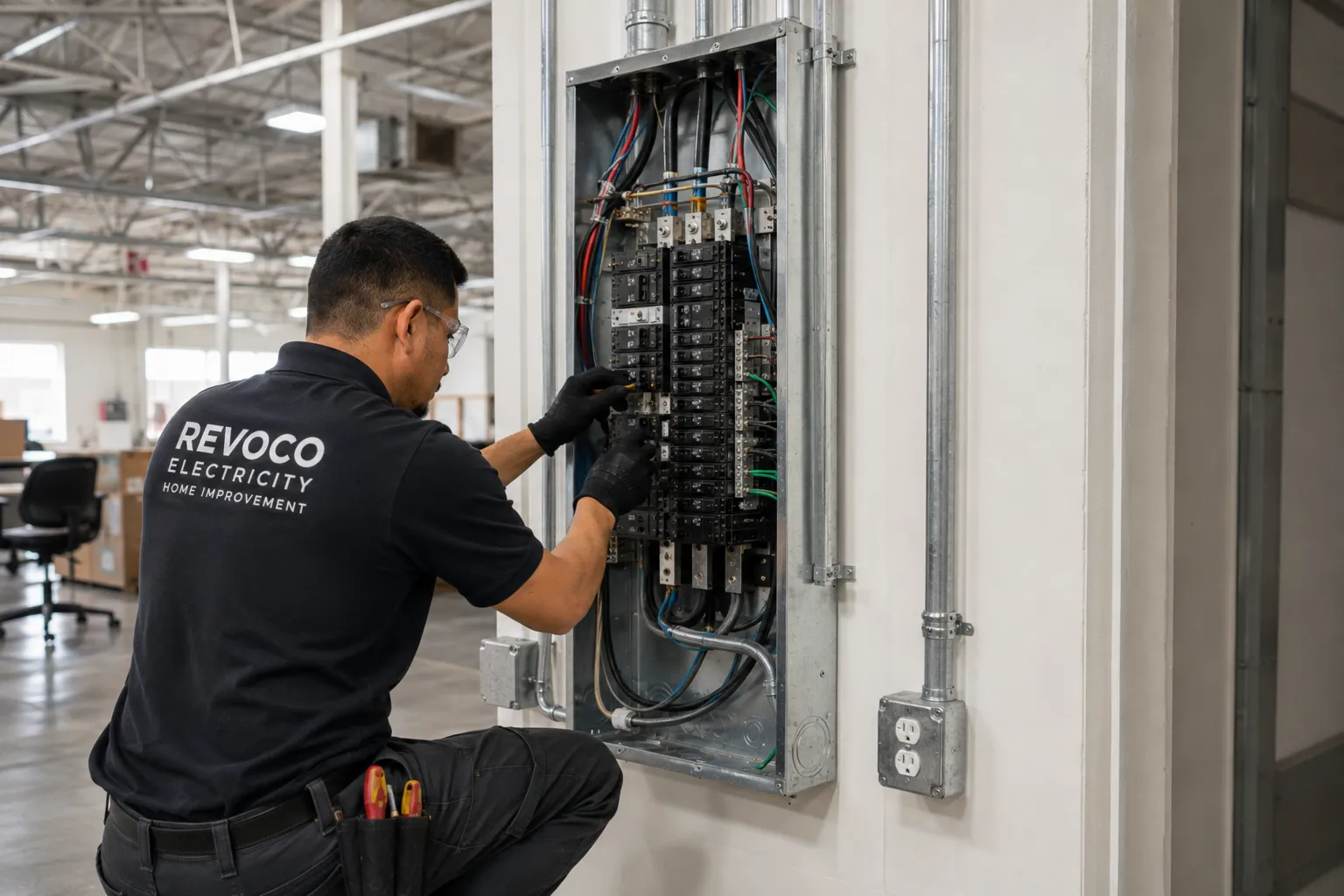
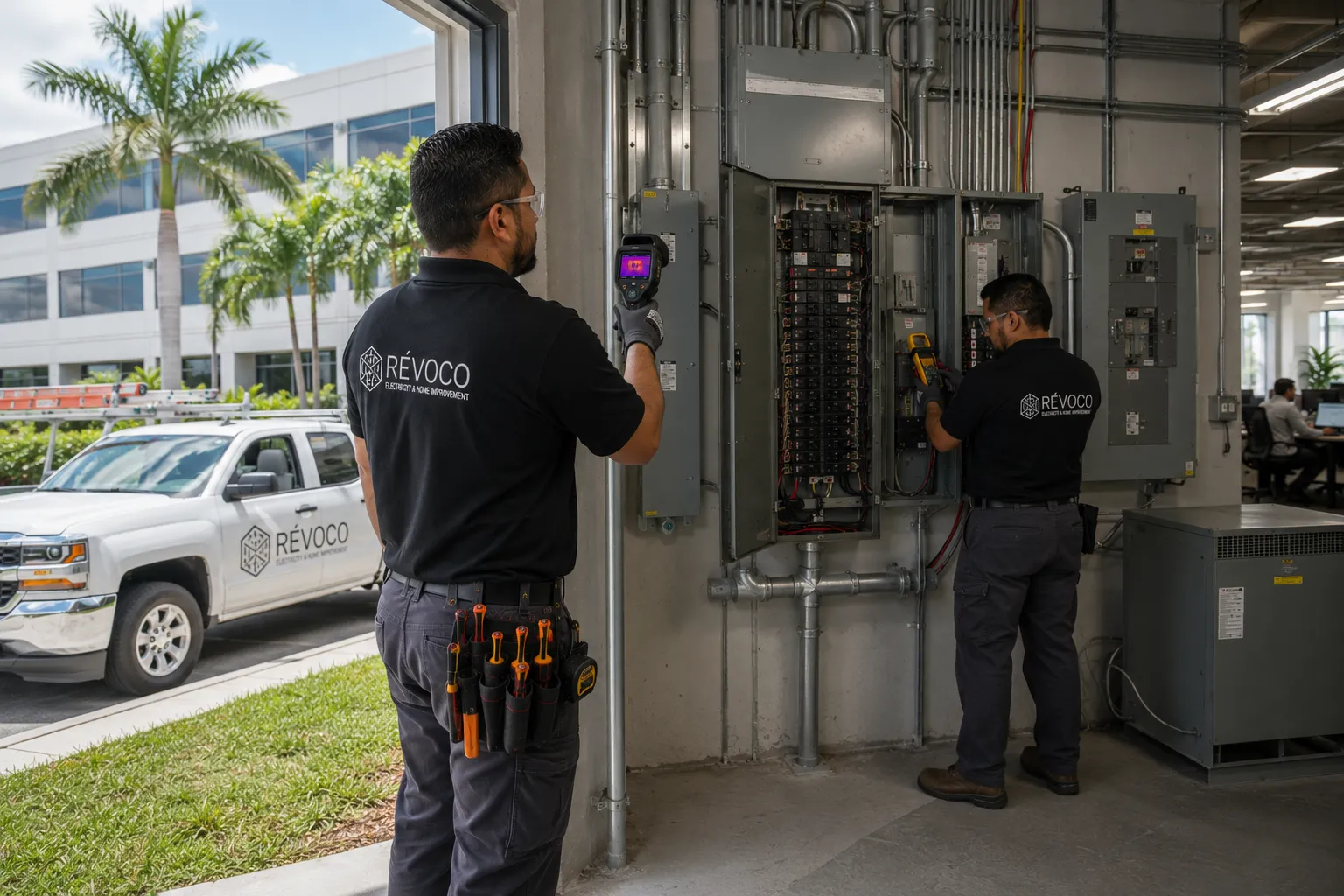
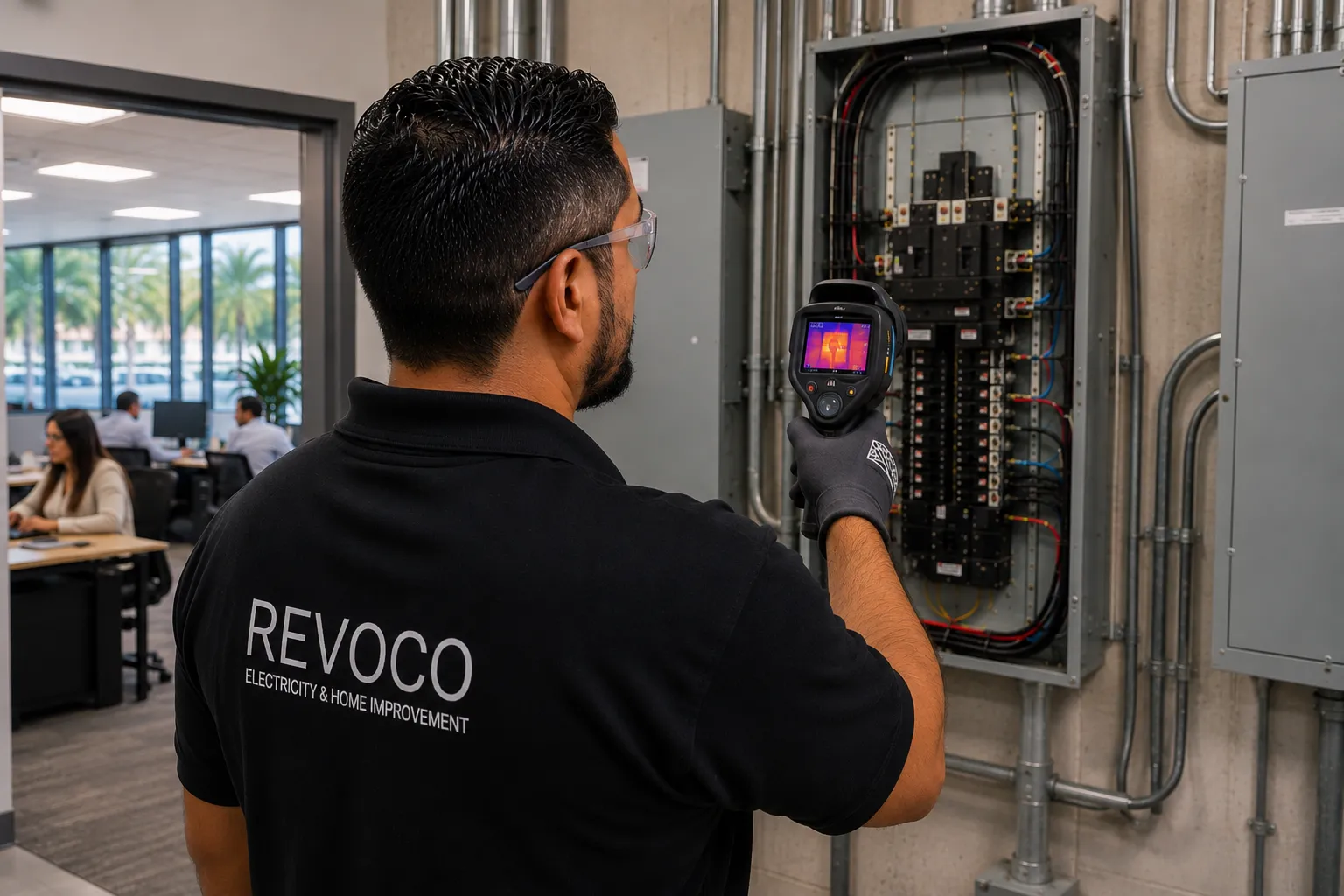
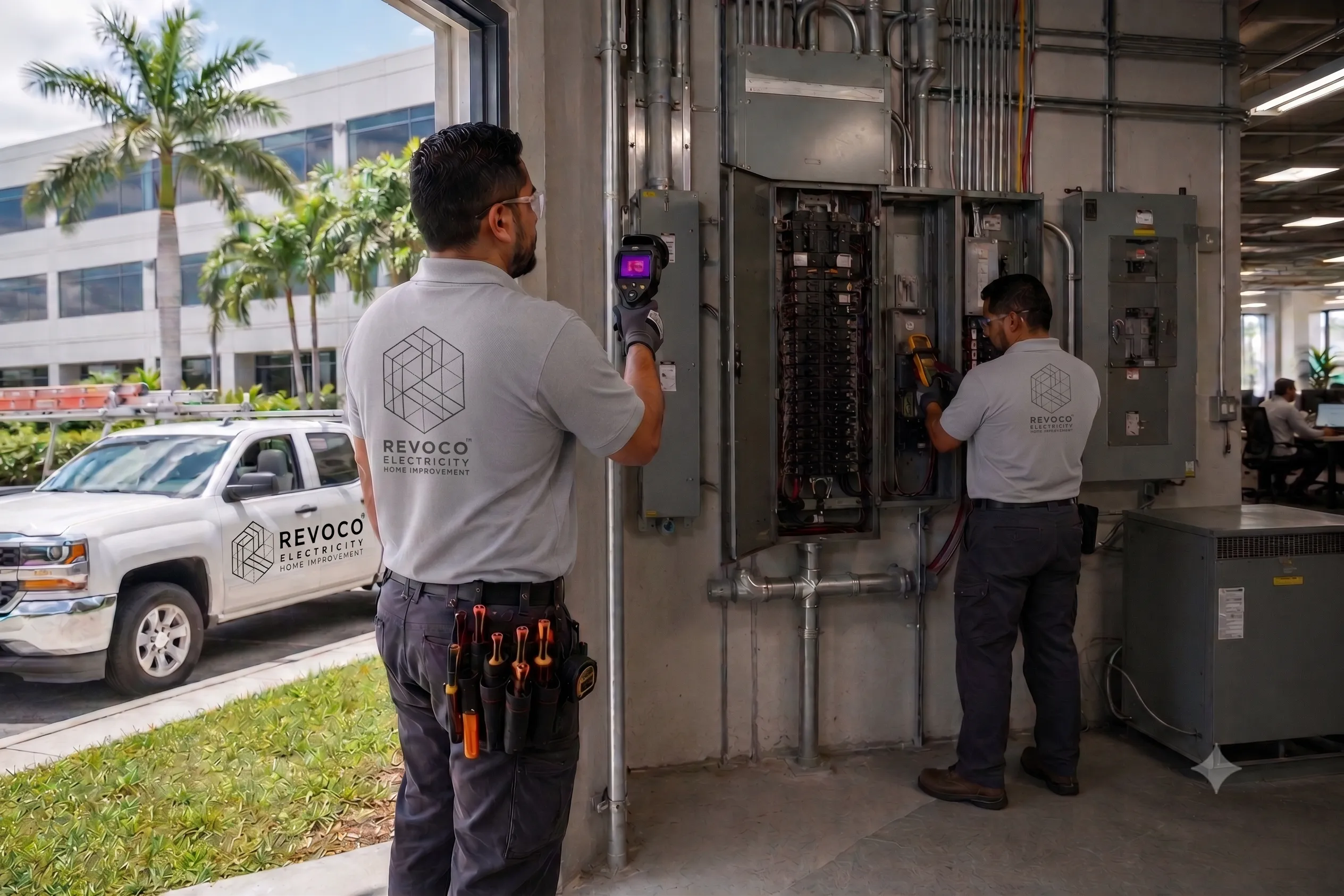
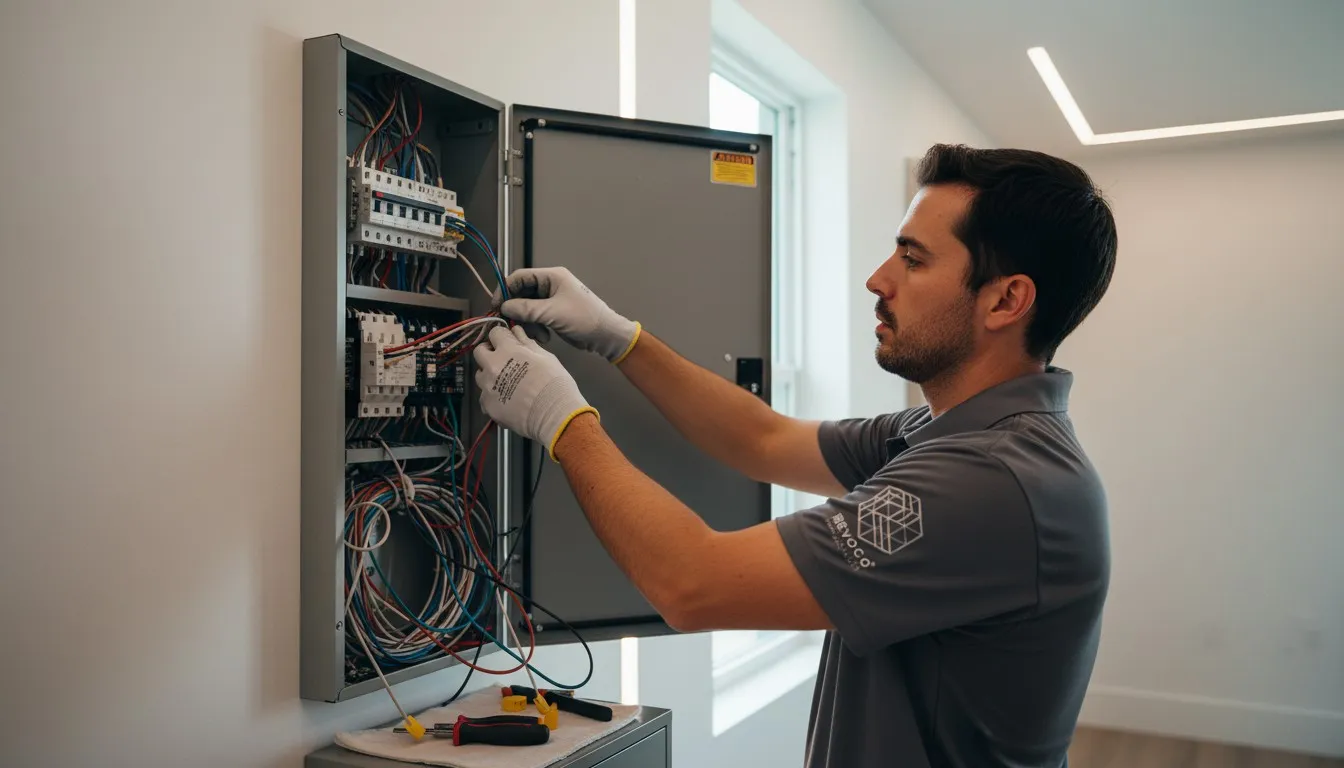
This guide provides a practical, season-by-season electrical maintenance plan specifically designed for Florida homeowners. The electrical professionals at Revoco Electricity & Home Improvement share expert recommendations to help you identify potential issues early, prepare your home for severe weather, and keep your electrical system operating safely year-round.
A few simple maintenance habits today can help prevent expensive repairs and unexpected electrical emergencies tomorrow. Let’s explore the essential steps every Florida homeowner should include in their annual electrical maintenance routine.
Annual Electrical Maintenance Calendar
A Month-by-Month Guide to Keeping Your Florida Home Safe
Your home’s electrical system works every day of the year, yet it’s one of the most overlooked parts of routine home maintenance.
Just like your HVAC system, plumbing, or roof, your electrical system benefits from regular inspections and preventive care. Small maintenance tasks performed throughout the year can help identify potential issues early, improve safety, extend the lifespan of your electrical equipment, and reduce the likelihood of unexpected repairs.
Because Florida’s climate presents unique challenges, including high humidity, lightning, hurricanes, and salt air, following a simple annual maintenance schedule can help keep your home’s electrical system operating safely and efficiently.
Here’s a practical month-by-month guide every Florida homeowner can follow.
January - Start the Year with a Safety Inspection
The beginning of the year is the perfect time to evaluate your home’s electrical system.
Use this month to:
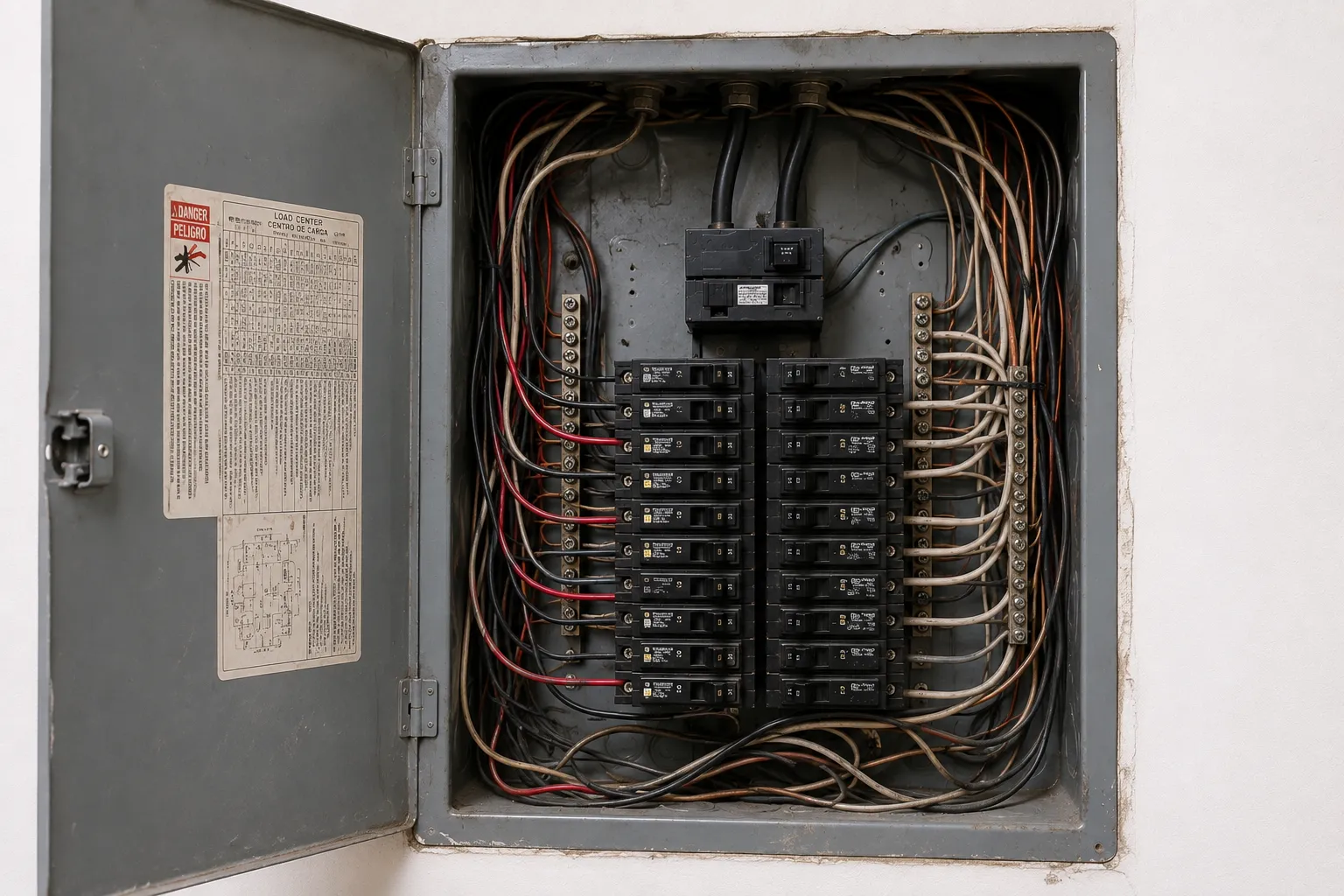
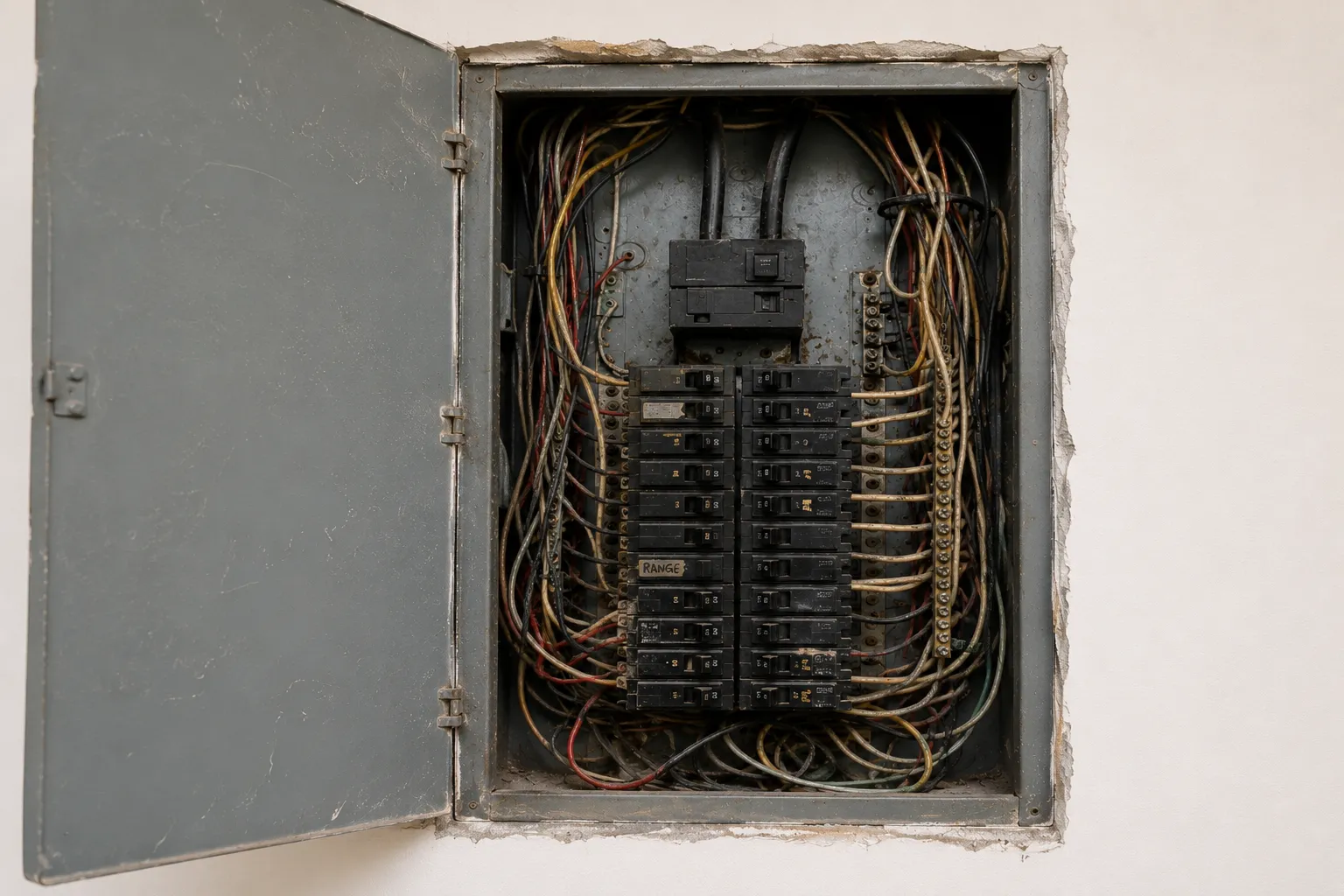
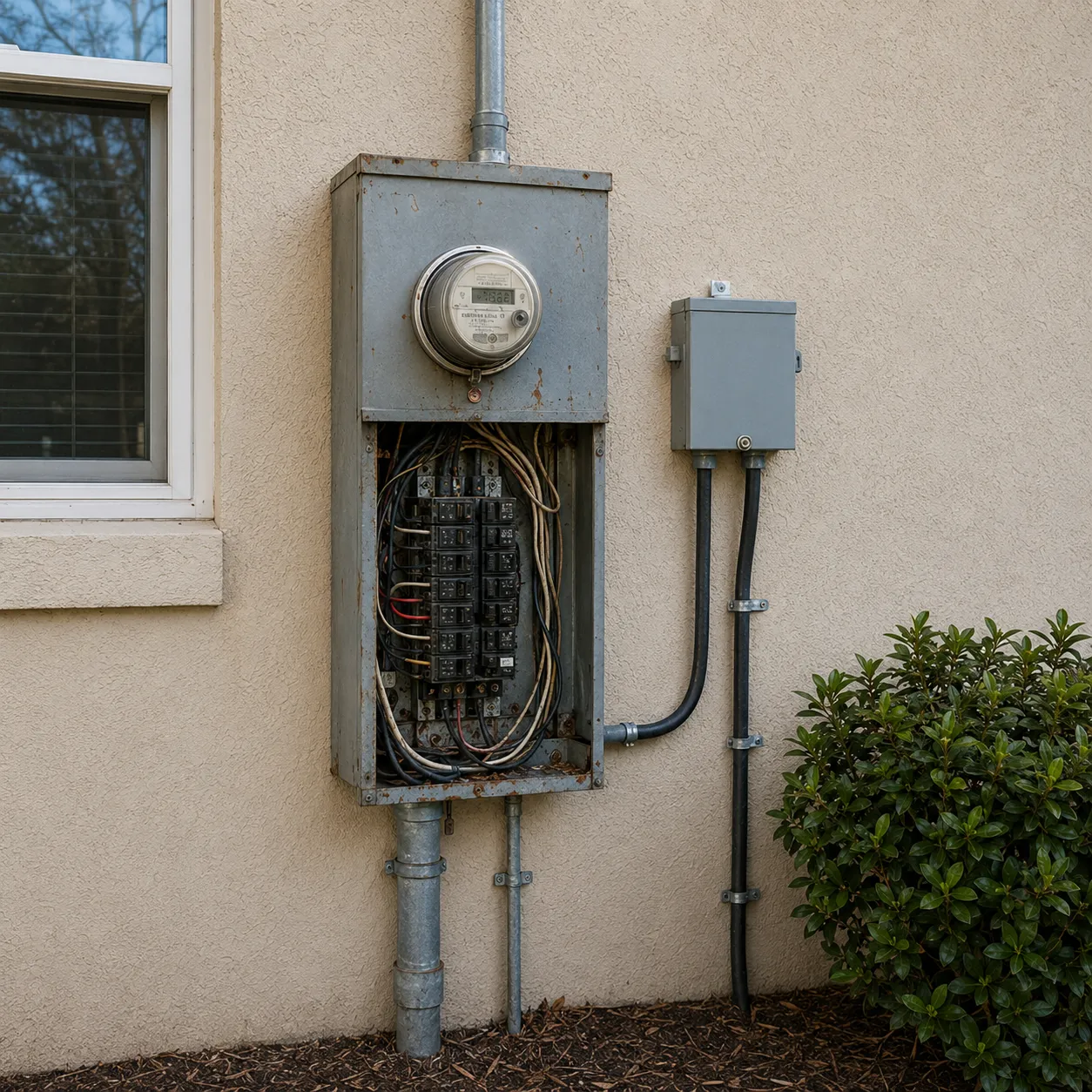
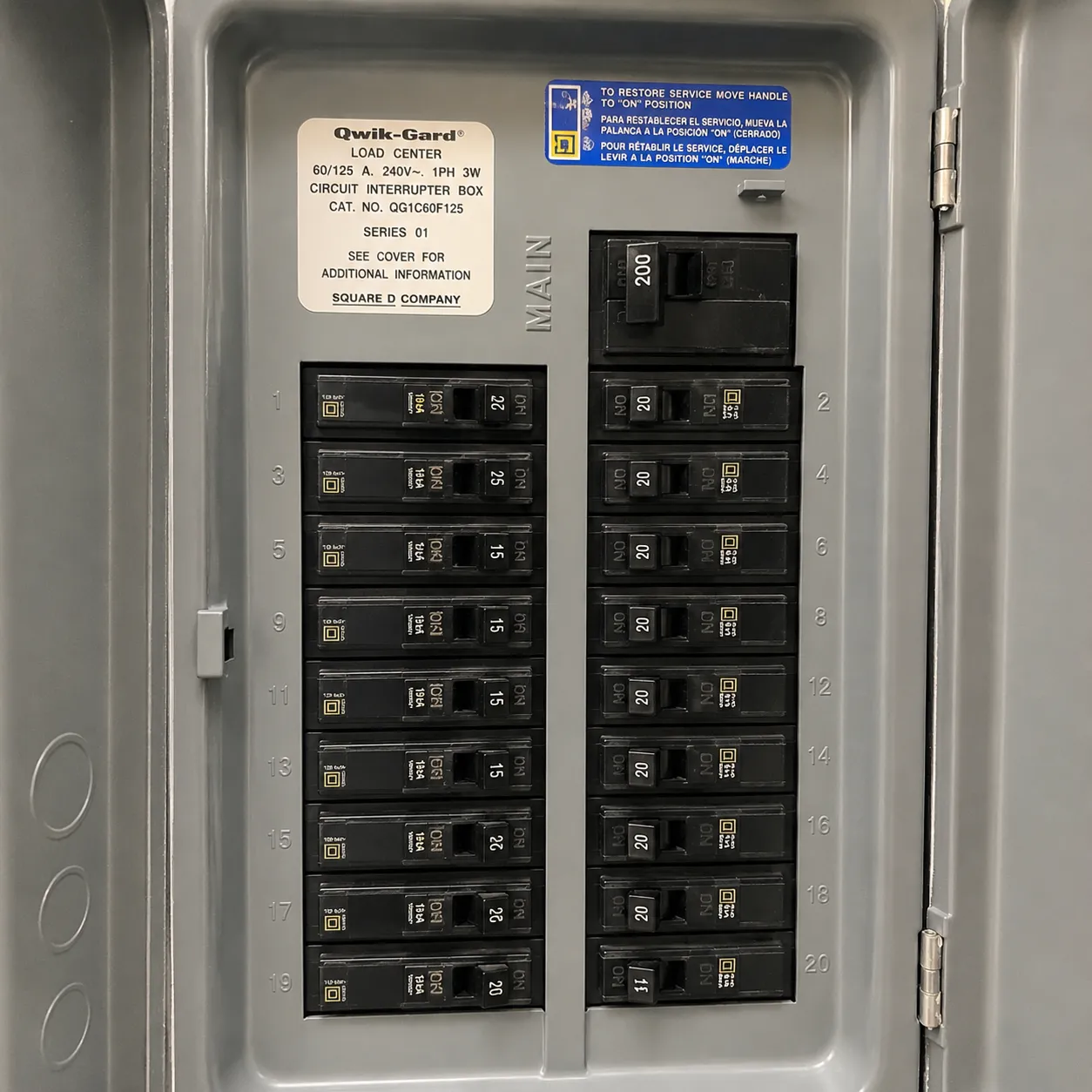
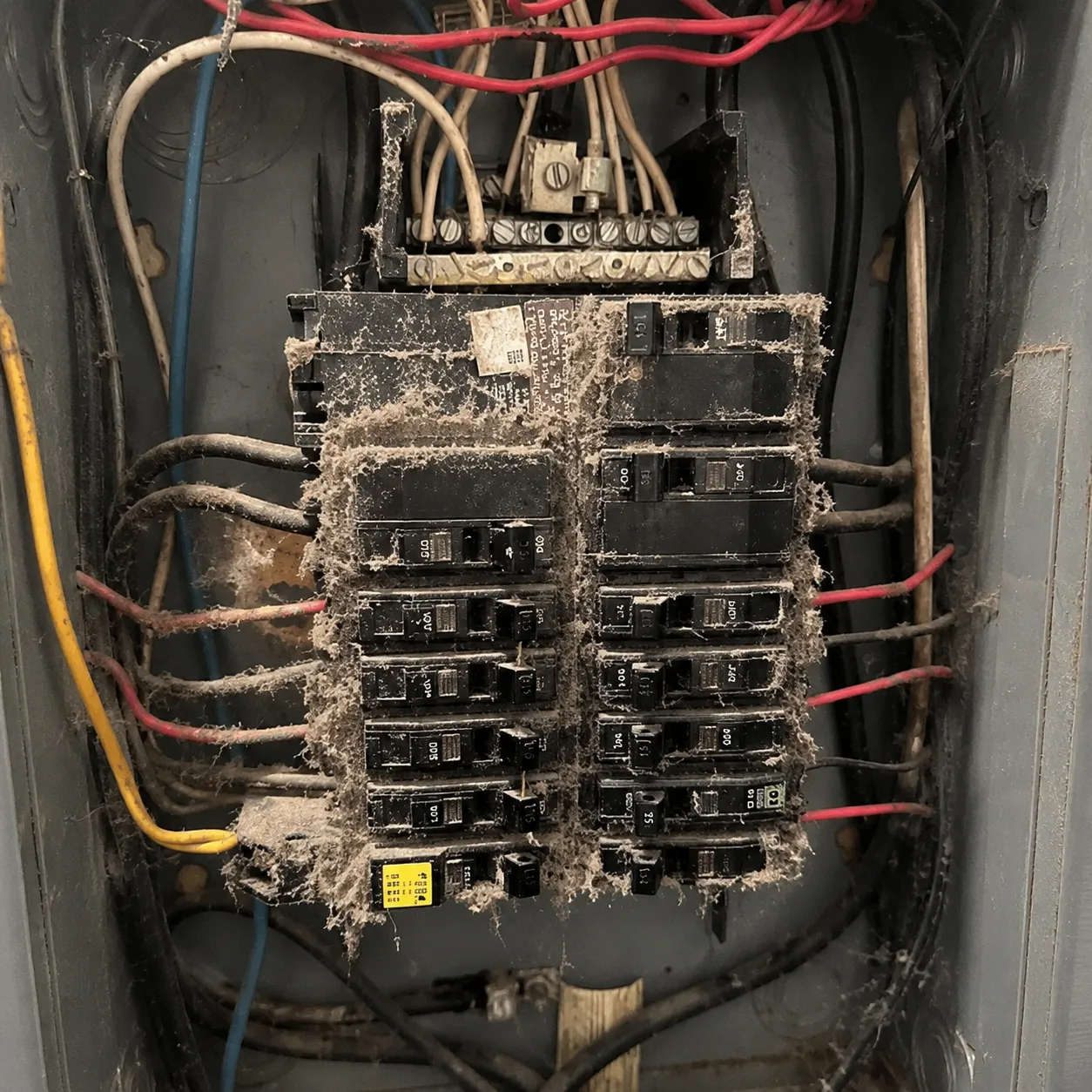
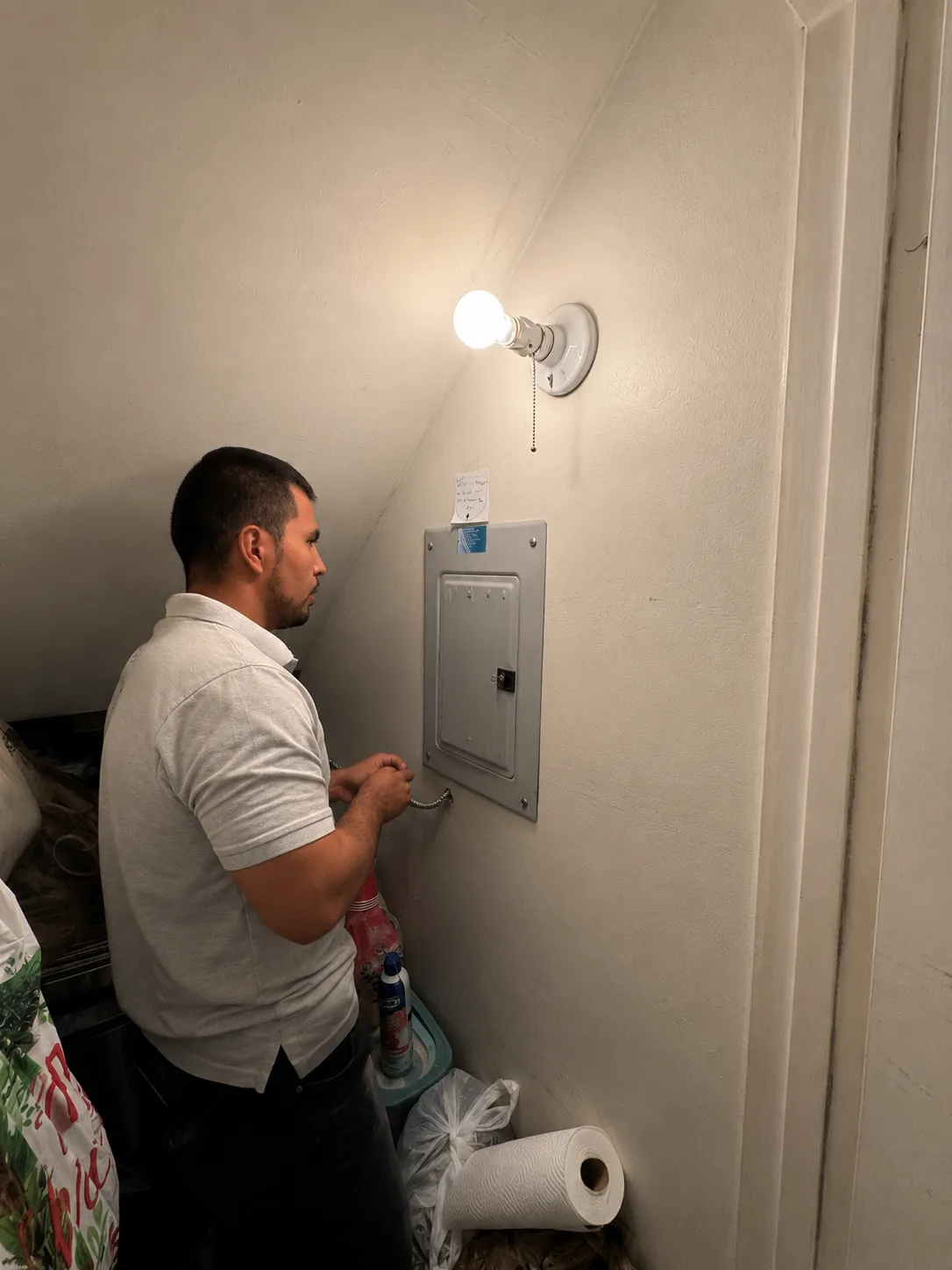
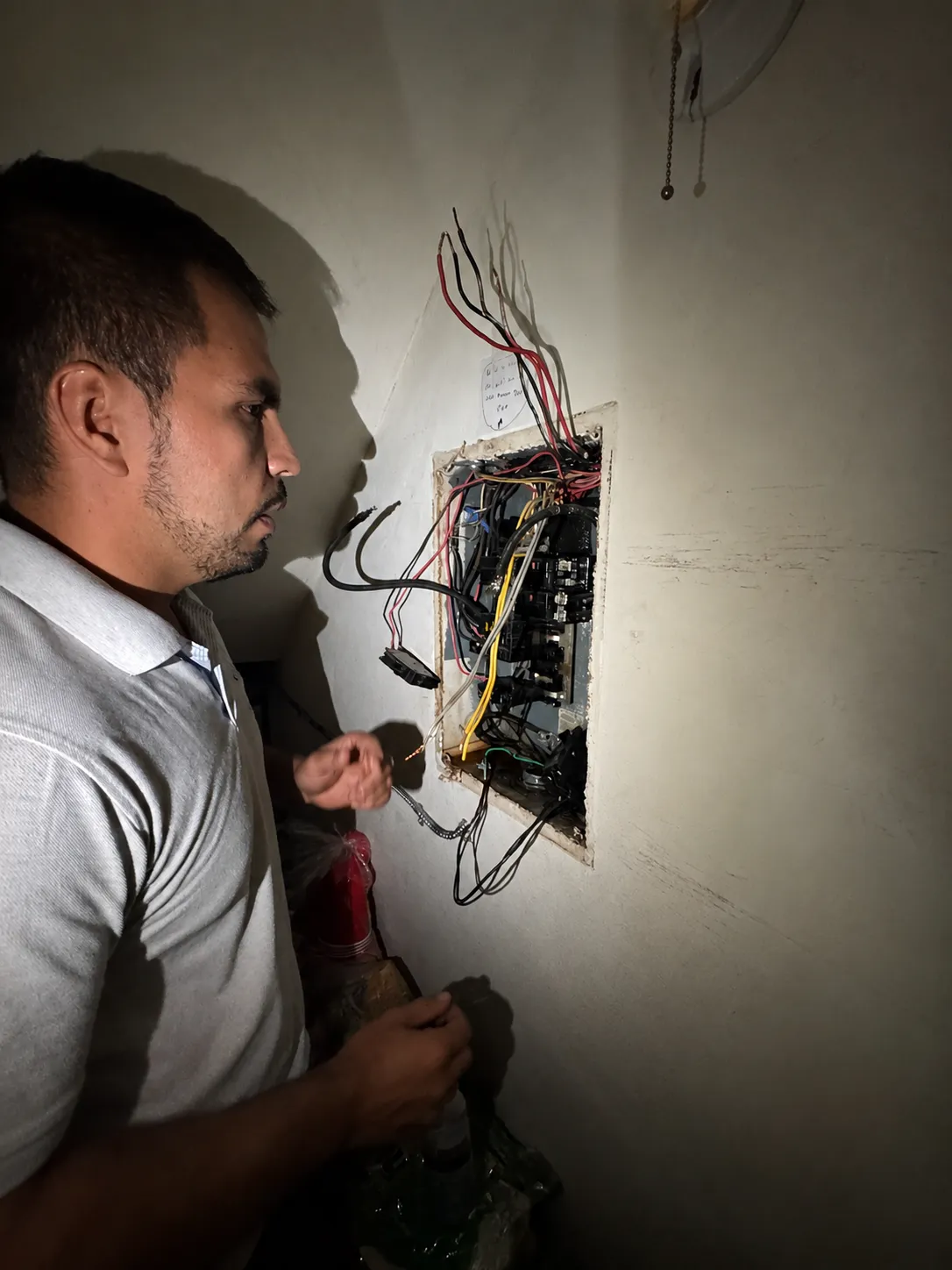
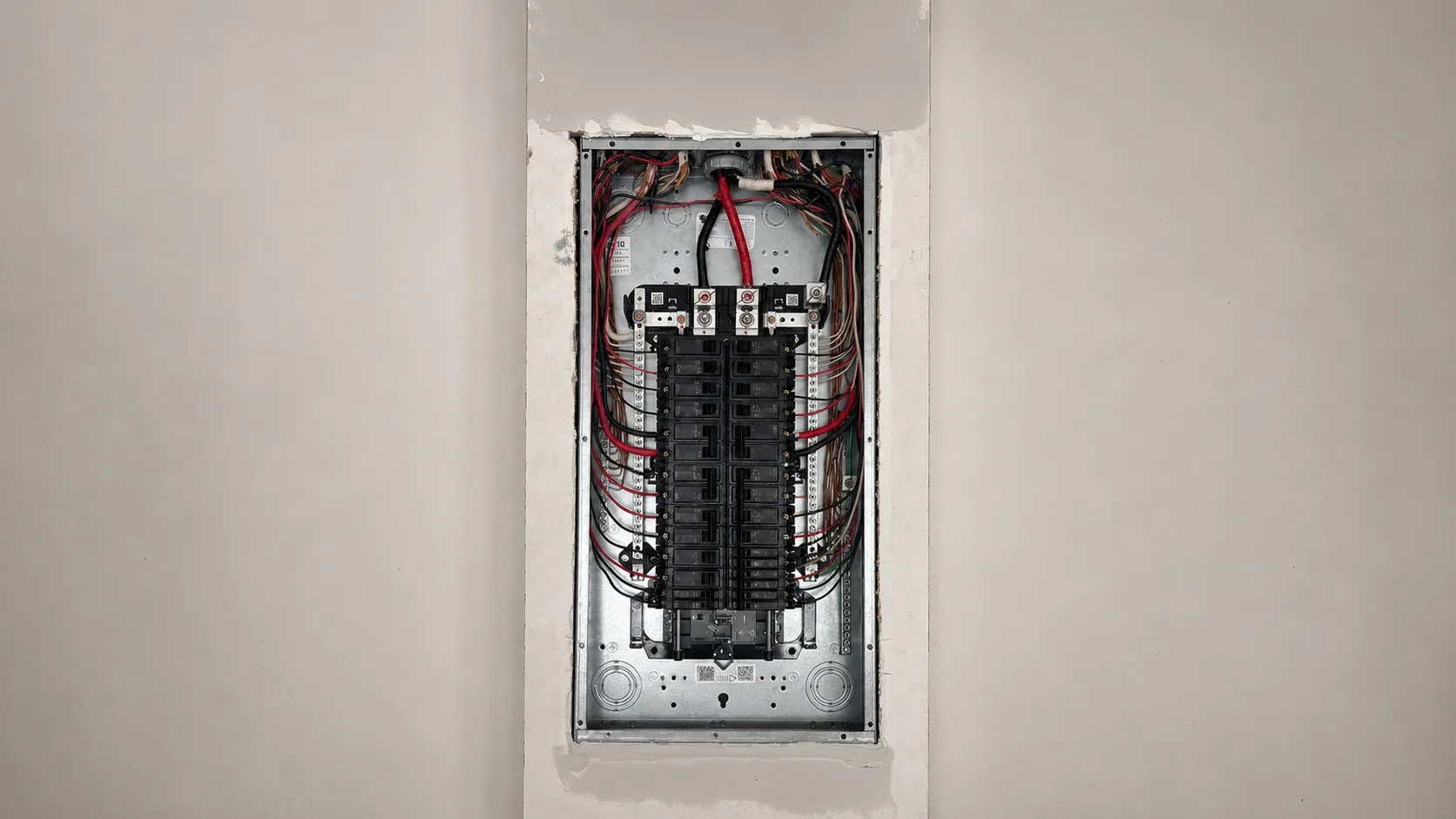
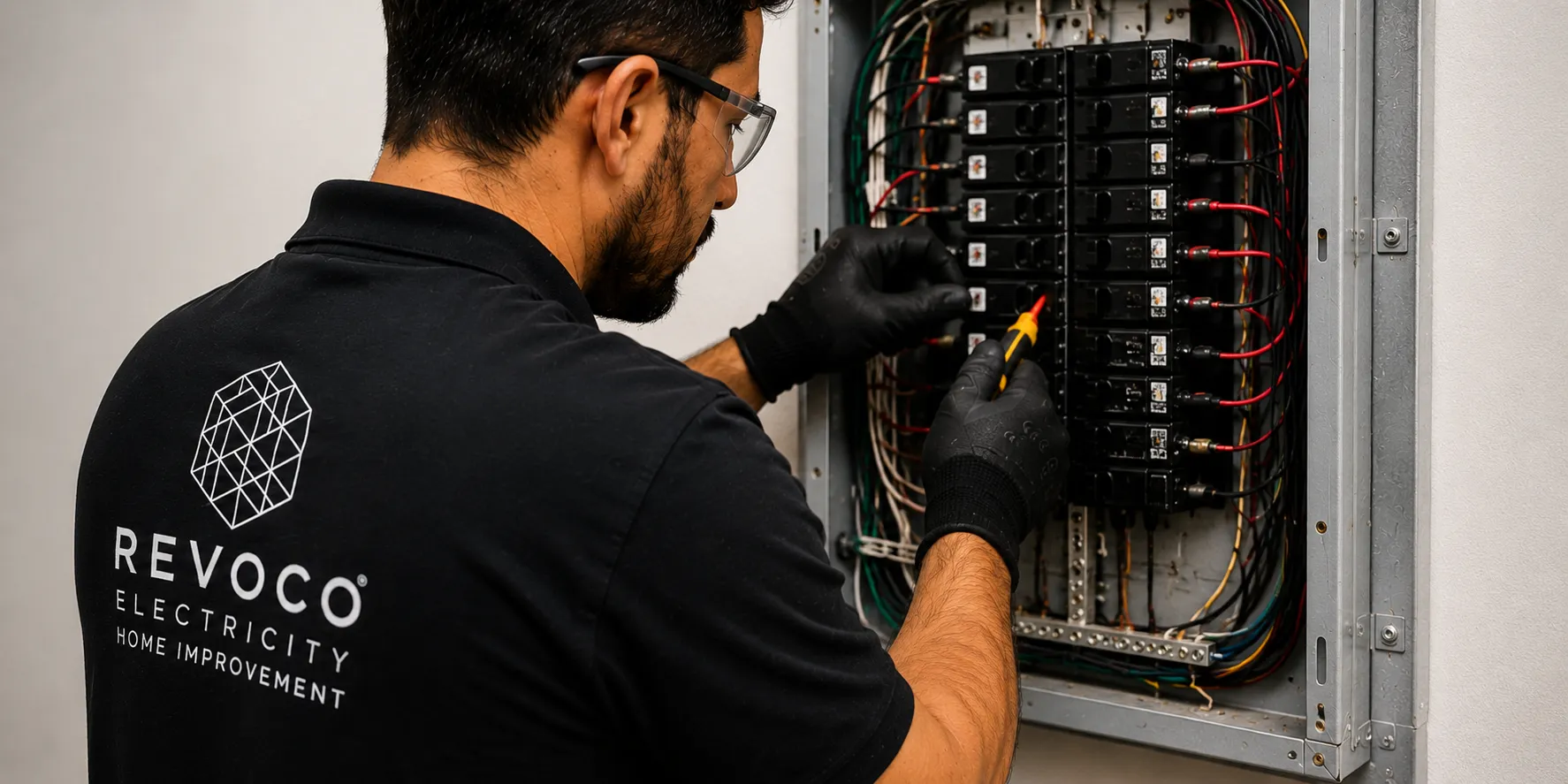
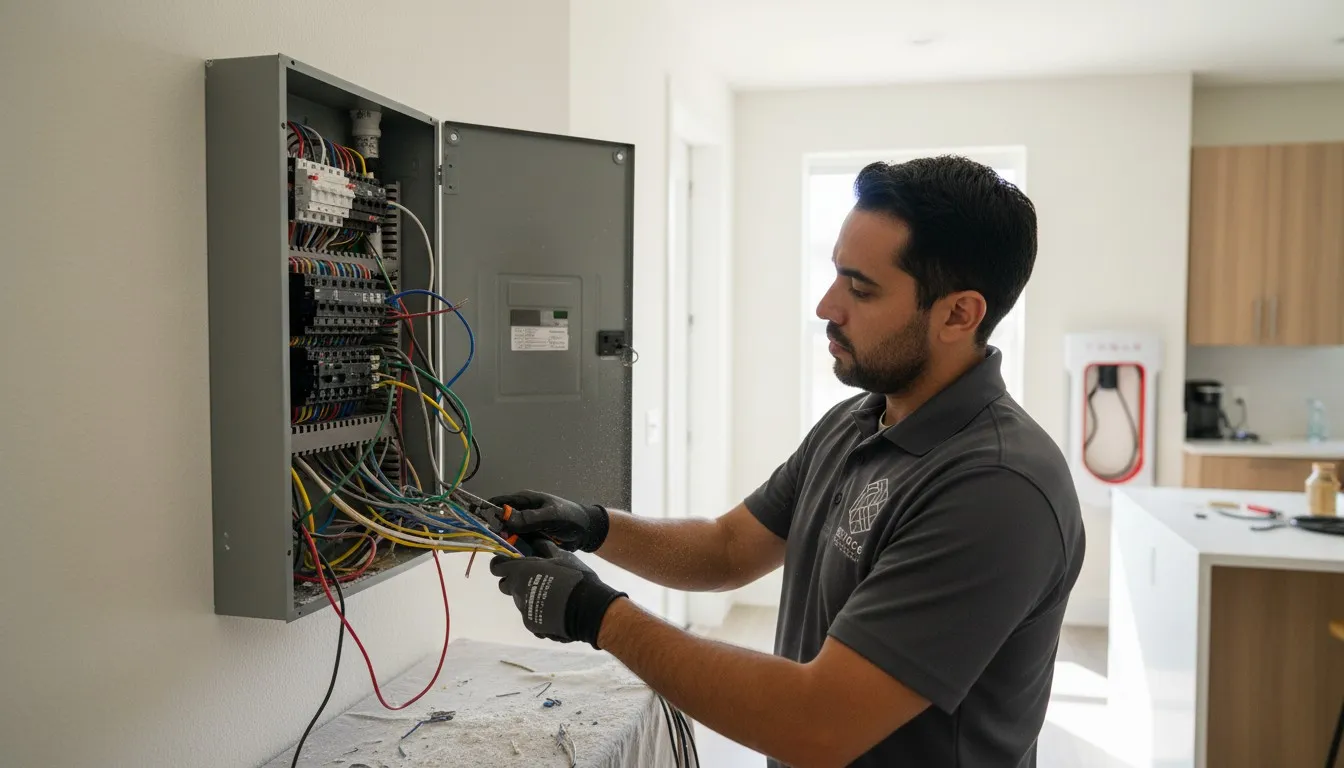
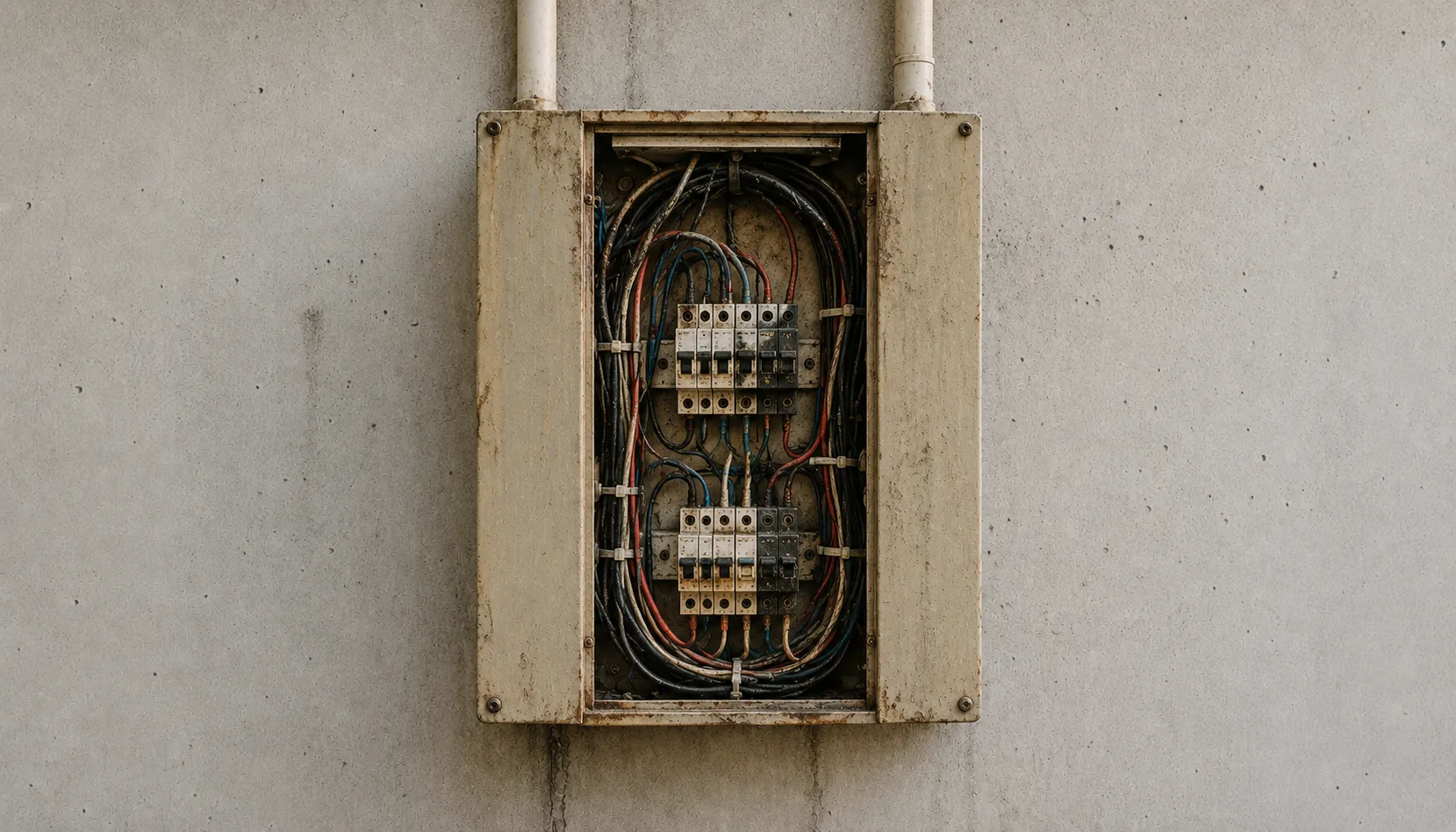
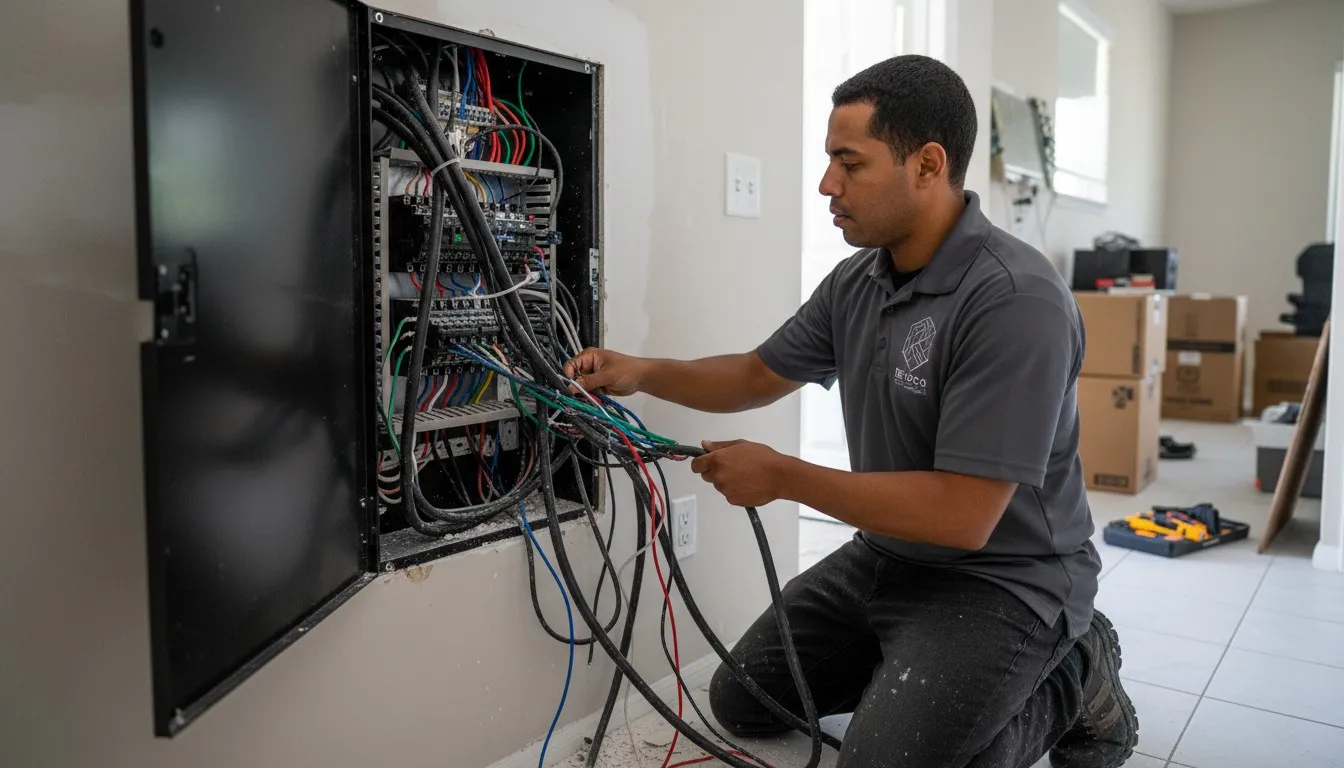
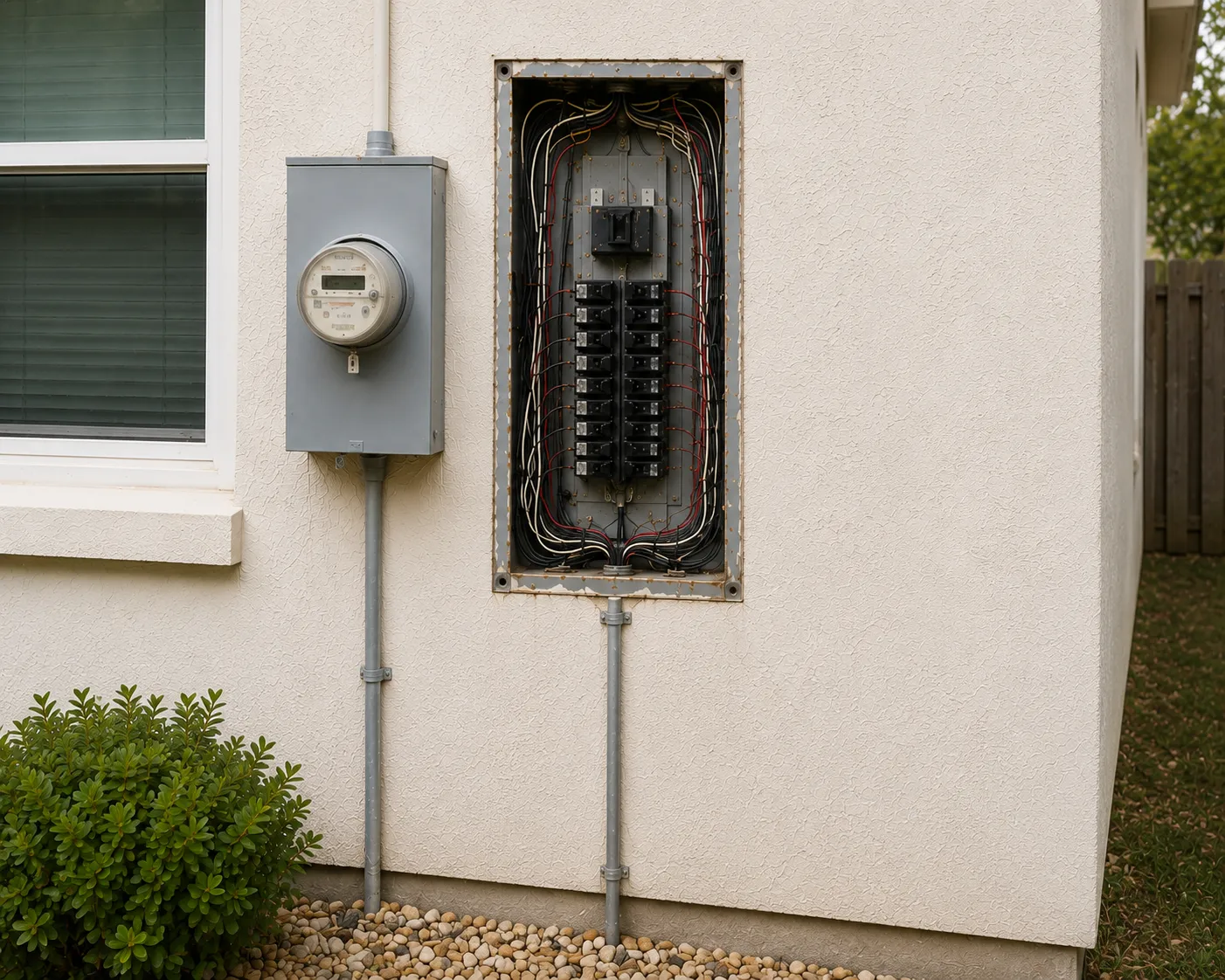
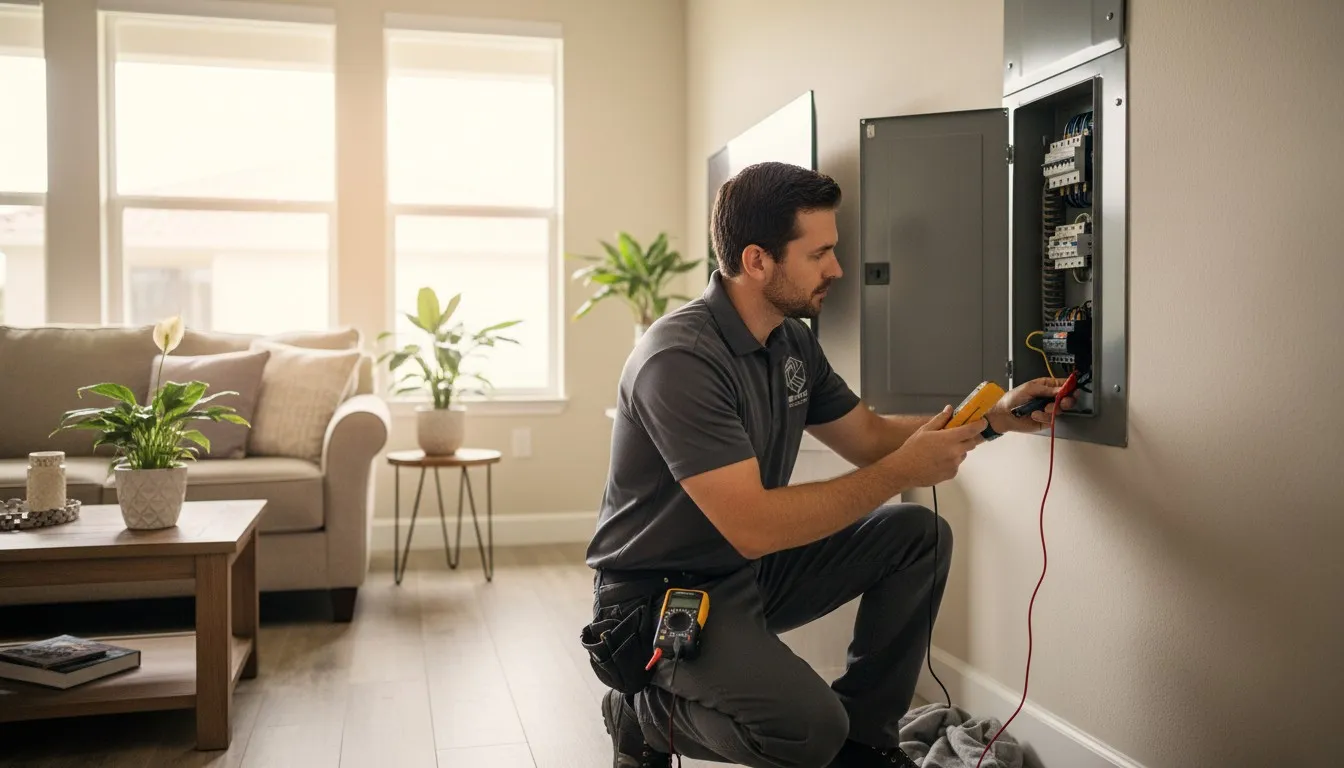
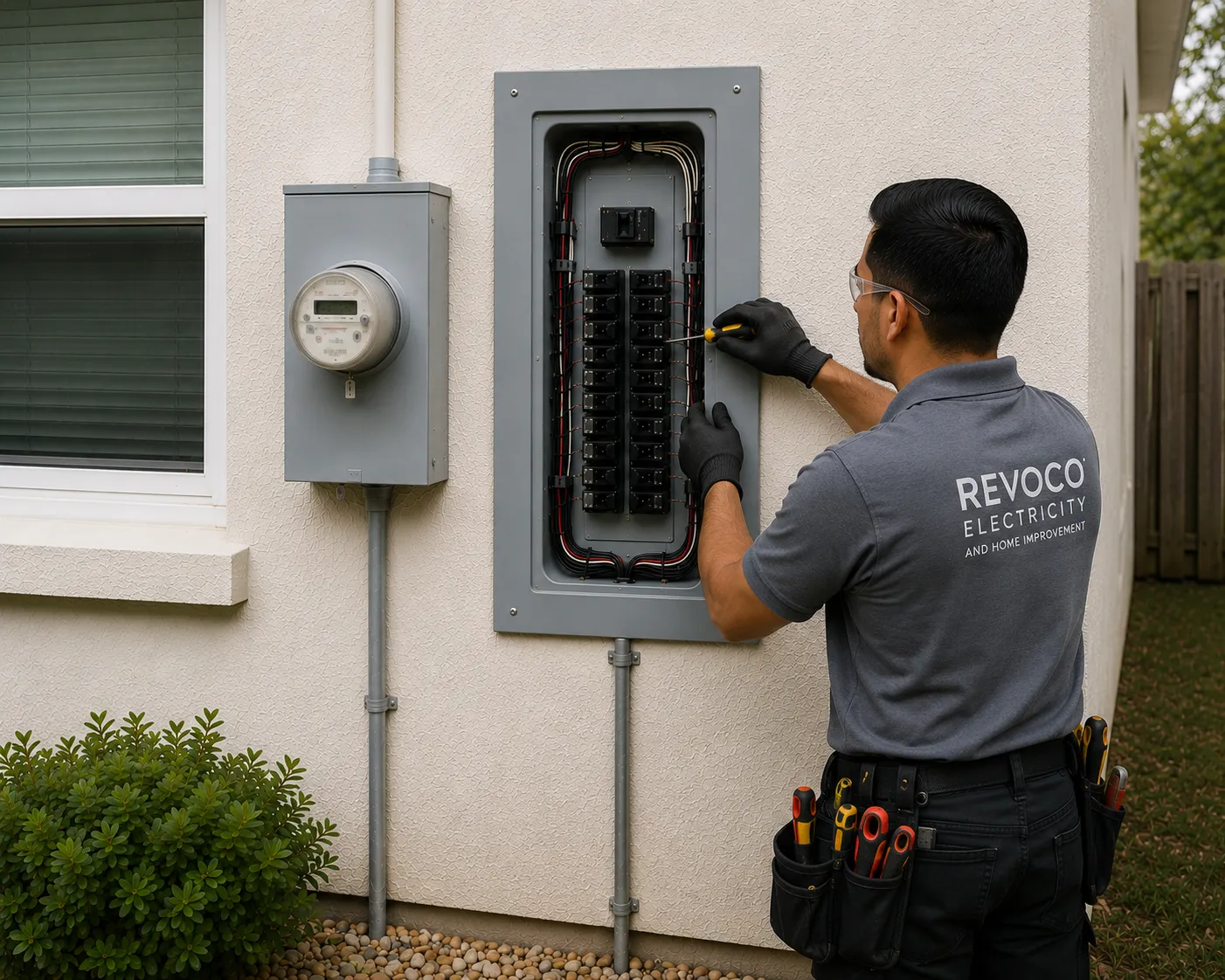
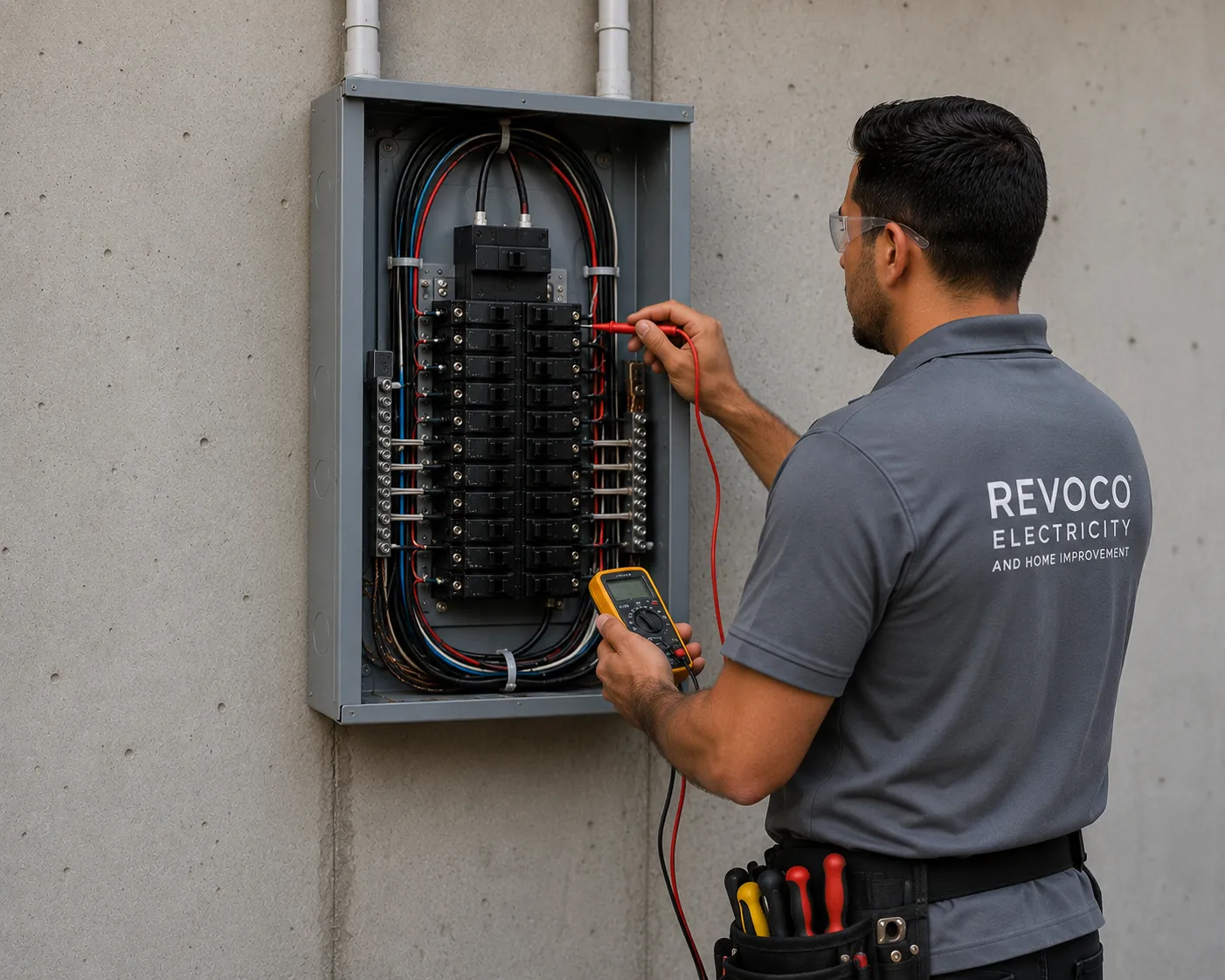
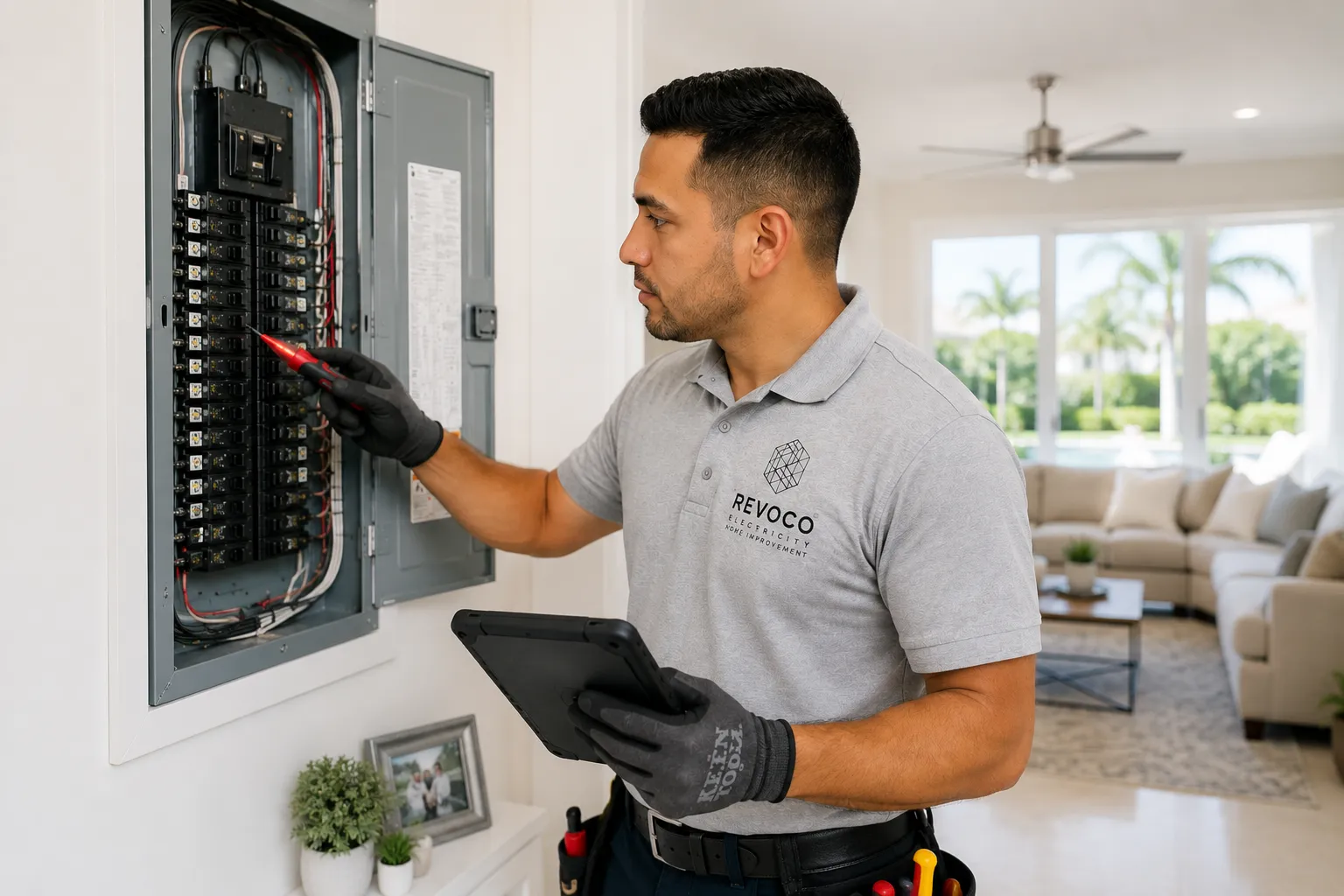
- Inspect your electrical panel for signs of rust, corrosion, or moisture.
- Verify that all circuit breakers are clearly labeled.
- Check that nothing is blocking access to your electrical panel.
- Schedule a professional electrical inspection if your home is more than 20 years old.
Starting the year with a general inspection can help identify potential problems before they become larger issues.
February - Test Your GFCI Outlets
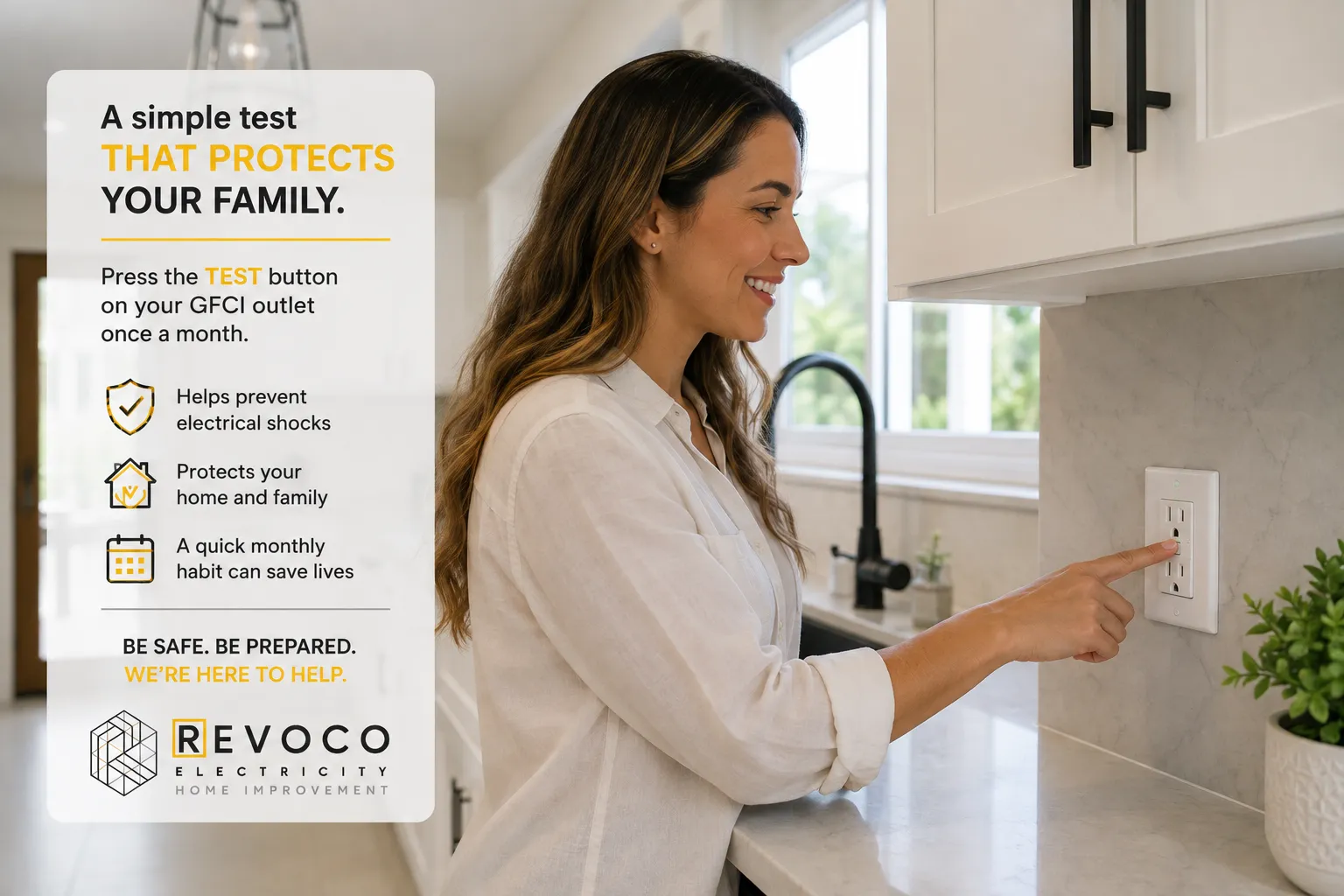
Ground Fault Circuit Interrupter (GFCI) outlets help protect your family from electrical shock in areas exposed to moisture.
This month:
- Press the TEST button on each GFCI outlet.
- Verify power turns off.
- Press RESET to restore power.
- Replace any outlet that does not operate properly.
Common GFCI locations include:
- Bathrooms
- Kitchens
- Garages
- Laundry rooms
- Outdoor outlets
Testing these outlets only takes a few minutes and helps ensure they continue providing important safety protection.
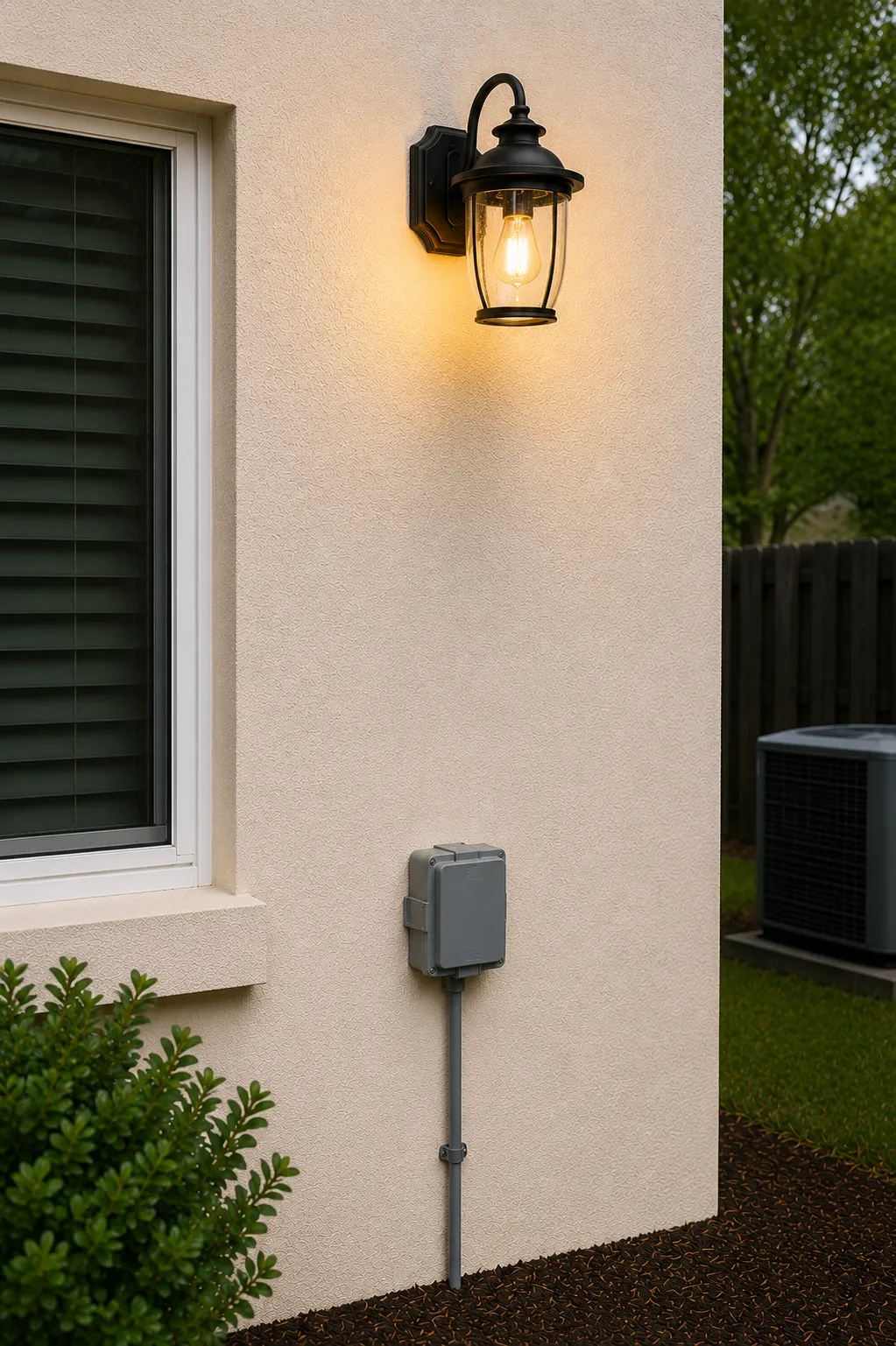
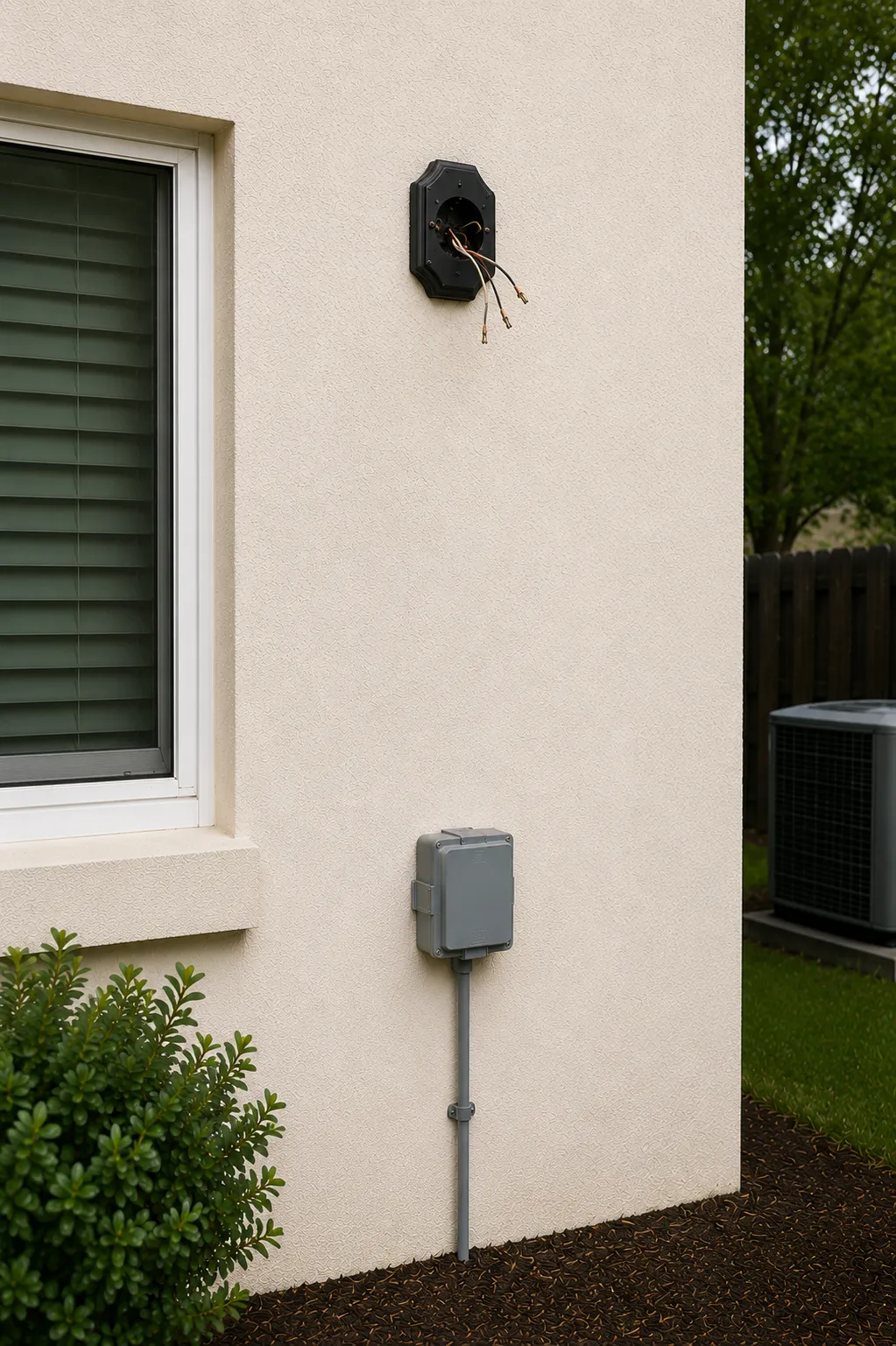
March - Inspect Outdoor Electrical Equipment
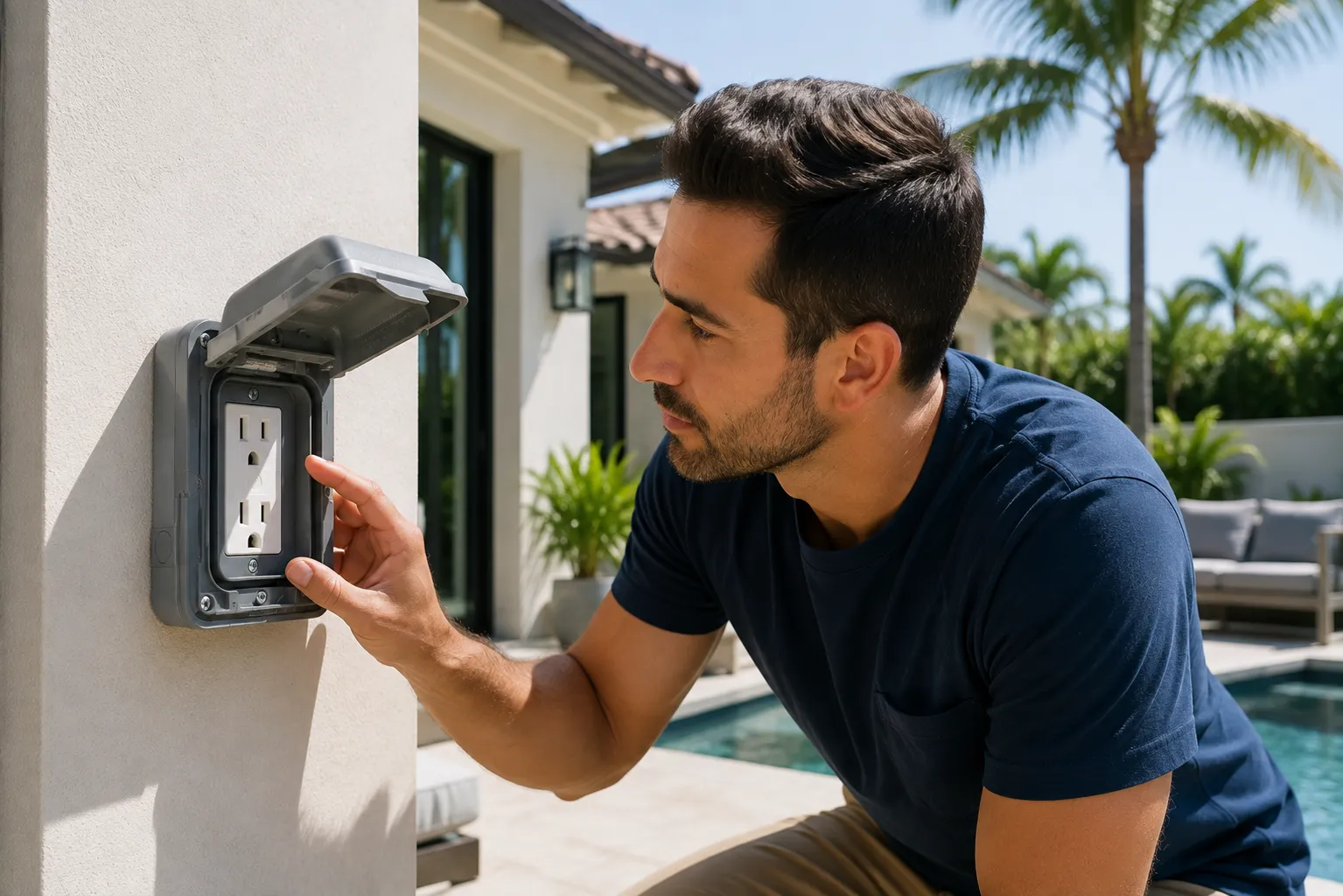
As temperatures begin to rise, inspect all exterior electrical components.
Look for:
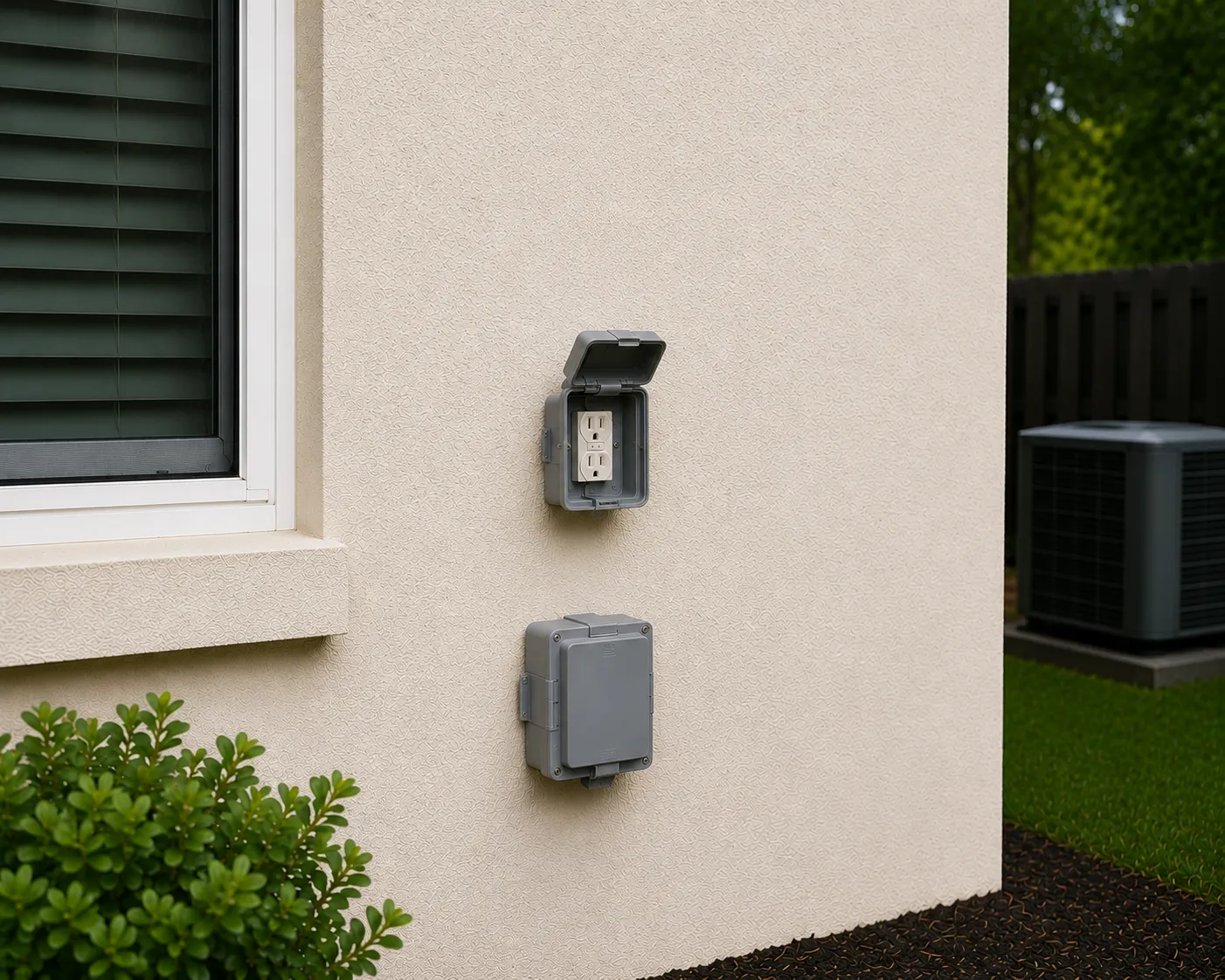
- Cracked outlet covers
- Loose fixtures
- Rust or corrosion
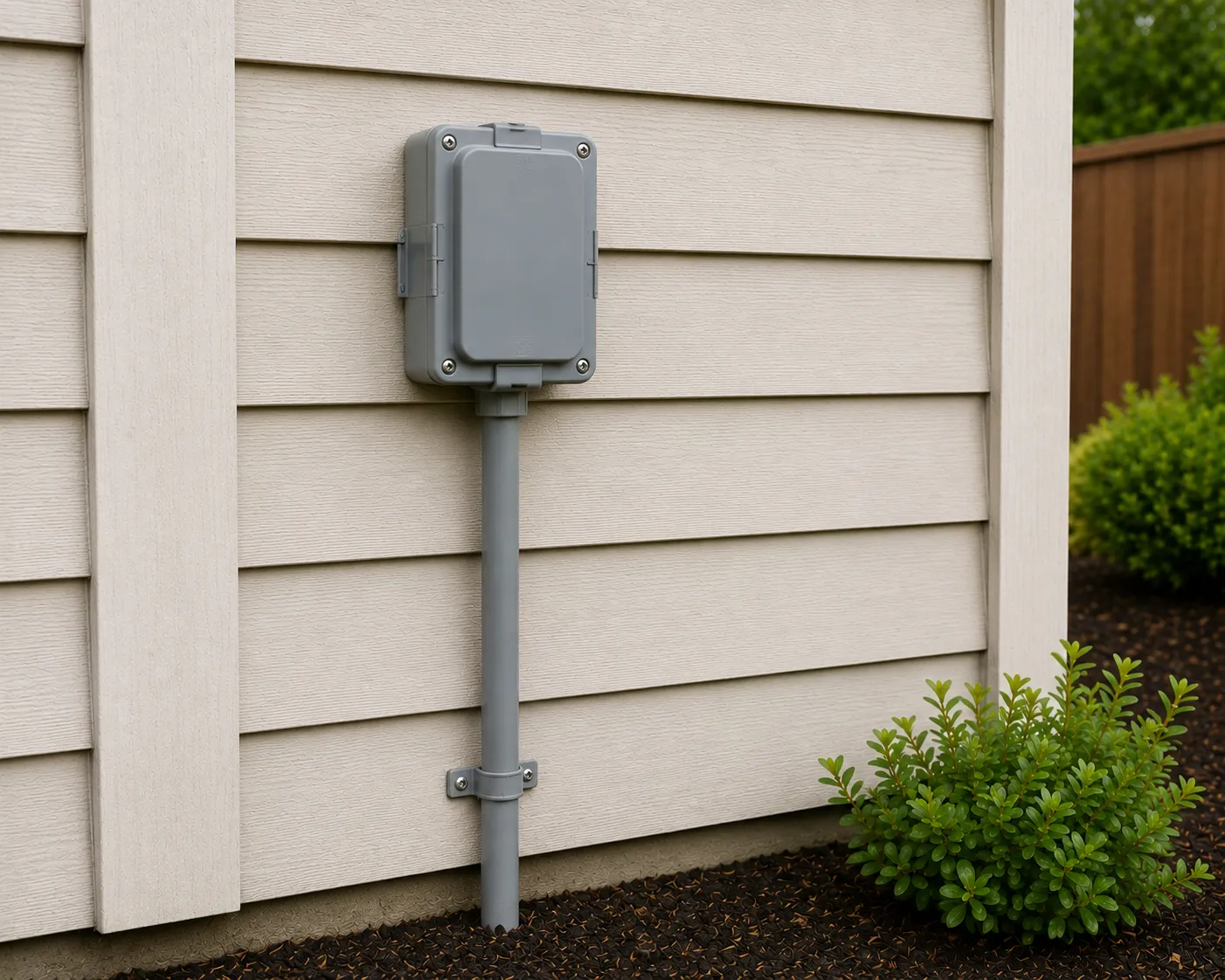
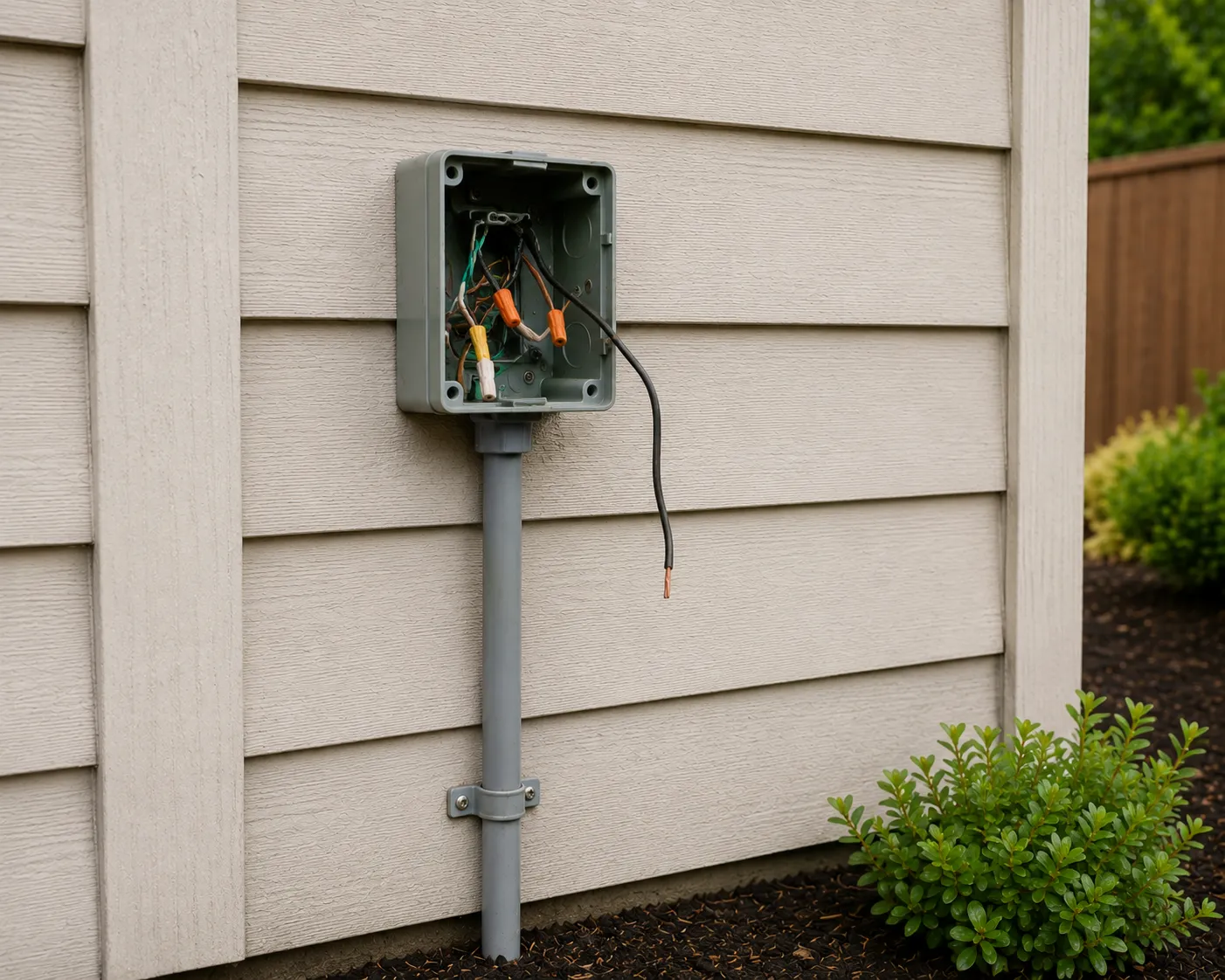
- Damaged conduit
- Signs of insects or moisture
Florida’s humidity and weather can accelerate wear on outdoor electrical equipment.
April - Prepare for Increased Energy Usage
Warmer weather often means increased air conditioning use.
This is a good time to:
- Replace HVAC filters.
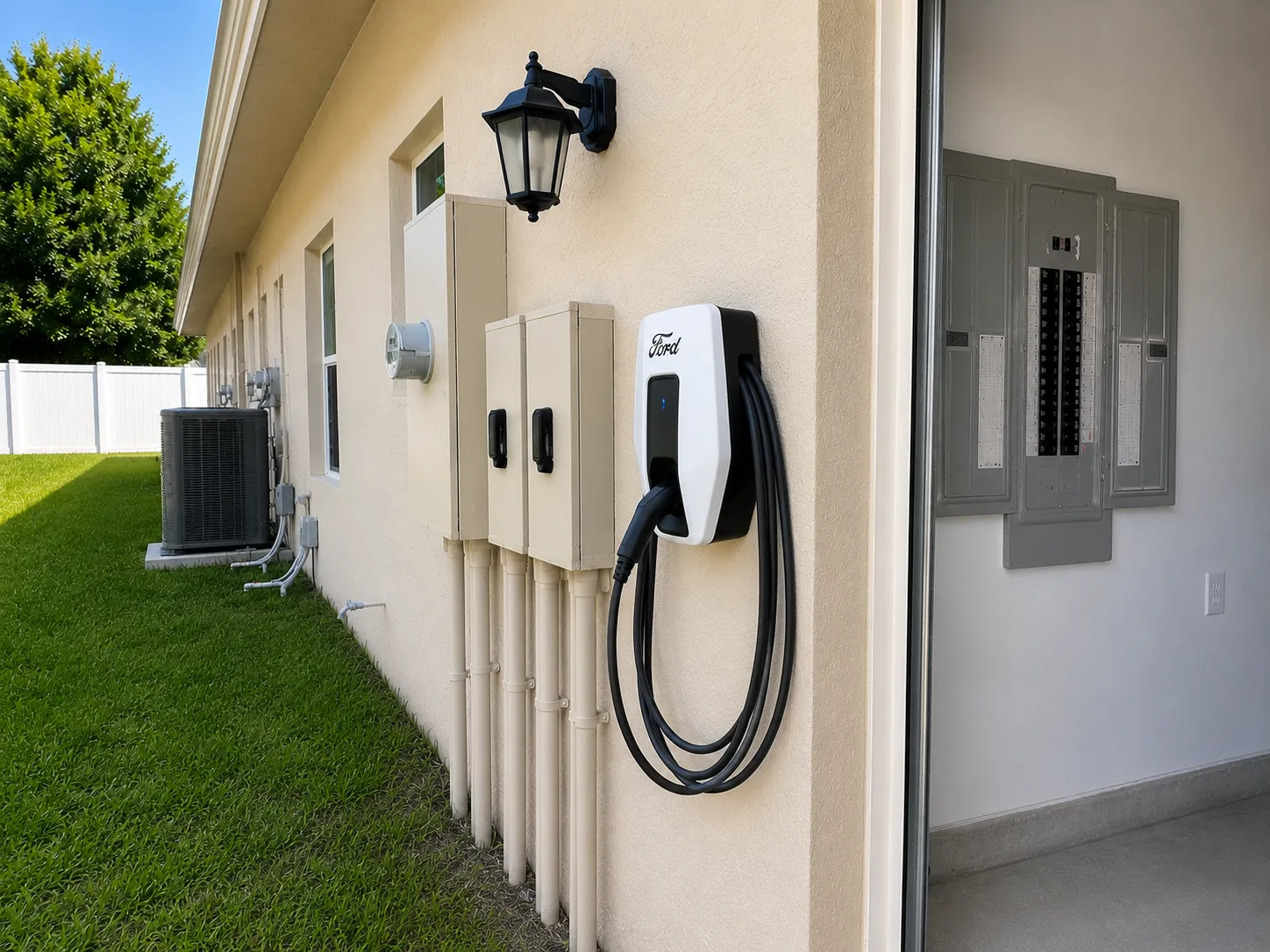
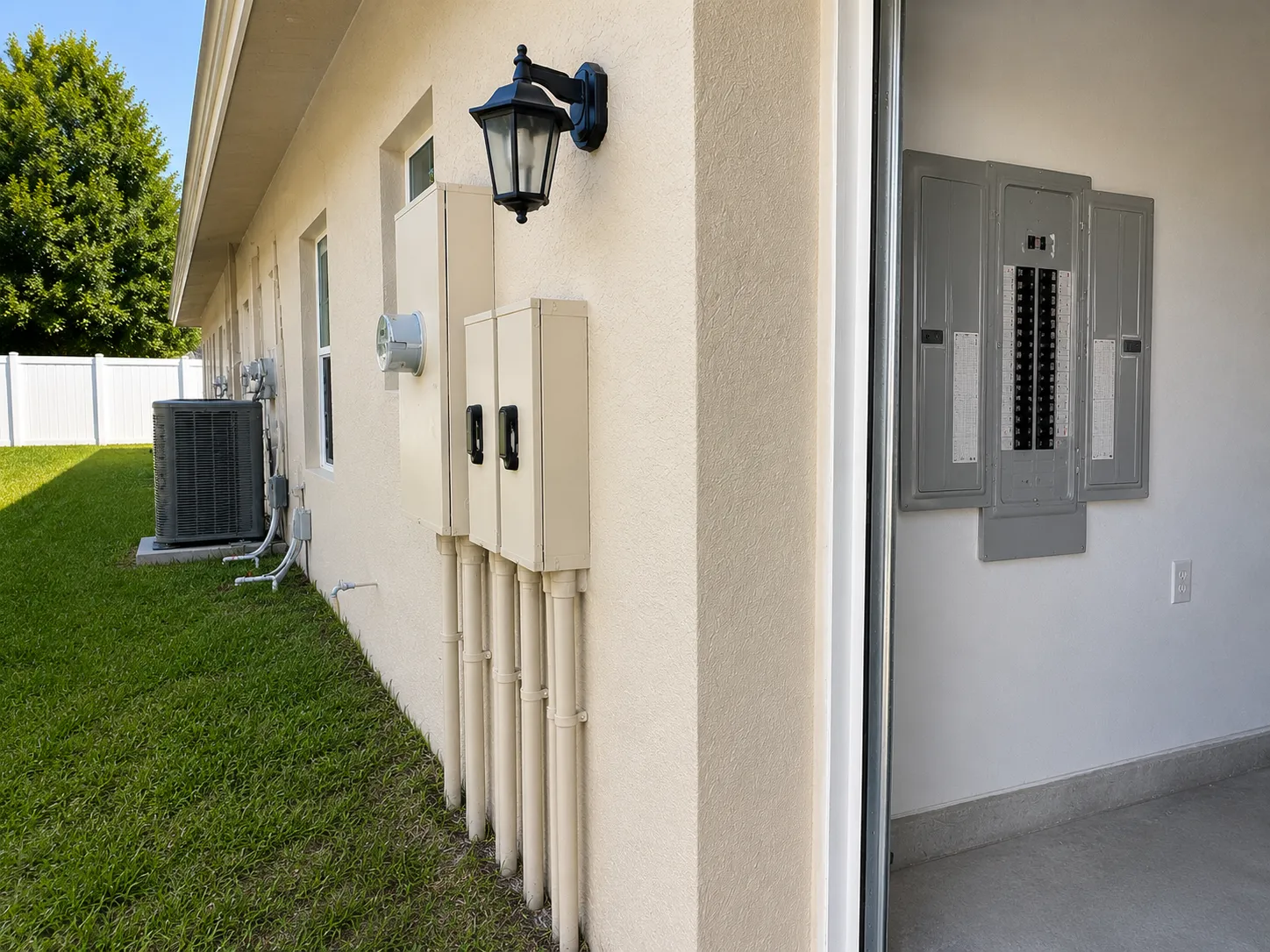
- Inspect disconnect boxes near outdoor AC units.
- Check for unusual breaker trips when the AC starts.
- Monitor electrical panel temperature.
If your electrical system struggles during heavy air conditioning use, consider having it evaluated before summer.
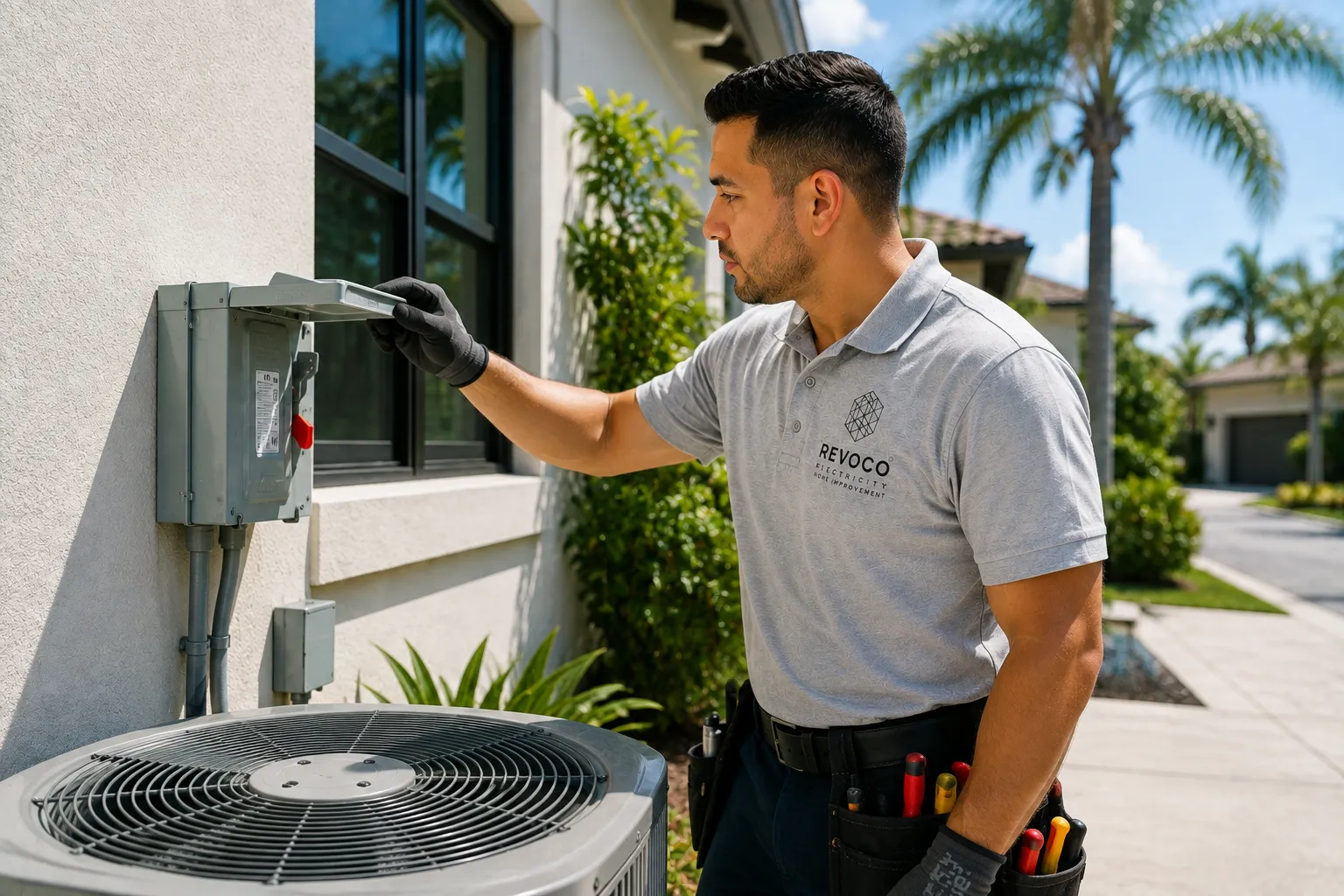
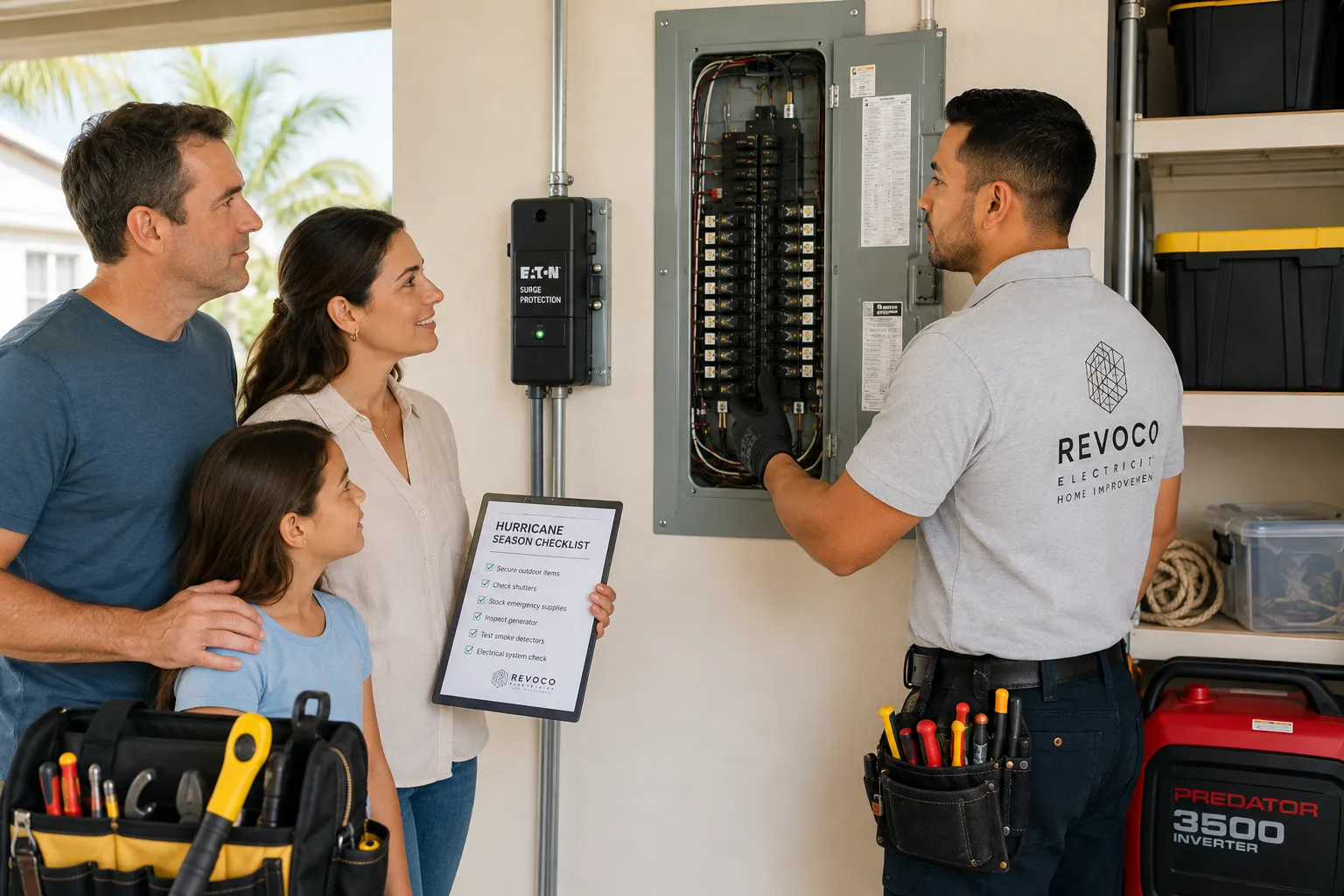
May - Prepare Before Hurricane Season
Hurricane season officially begins in June.
During May:
- Schedule an electrical inspection.
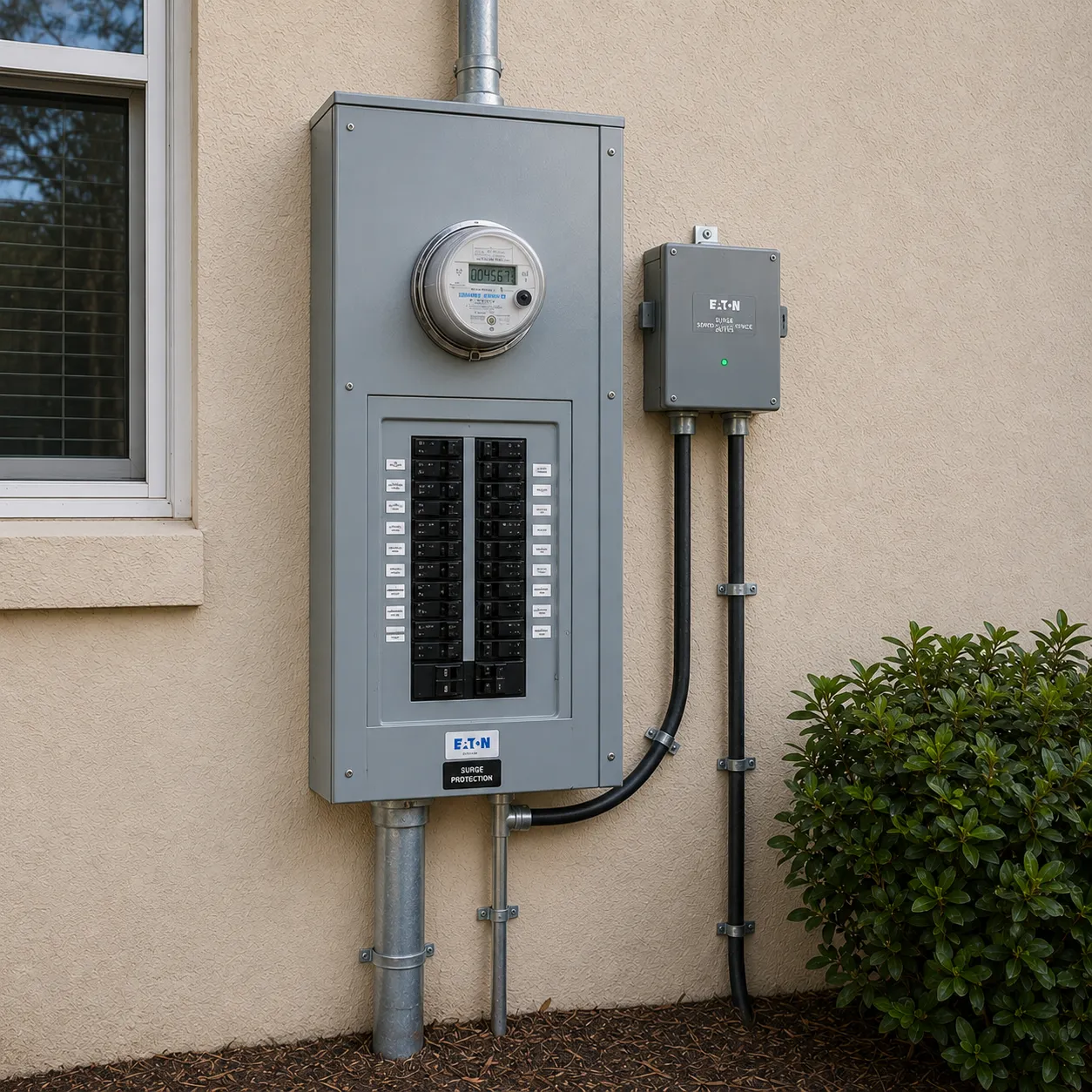
- Test whole-home surge protection.
- Check backup generators.
- Trim tree branches near electrical service lines.
- Replace damaged extension cords.
Preparing early allows time to address issues before severe weather arrives.
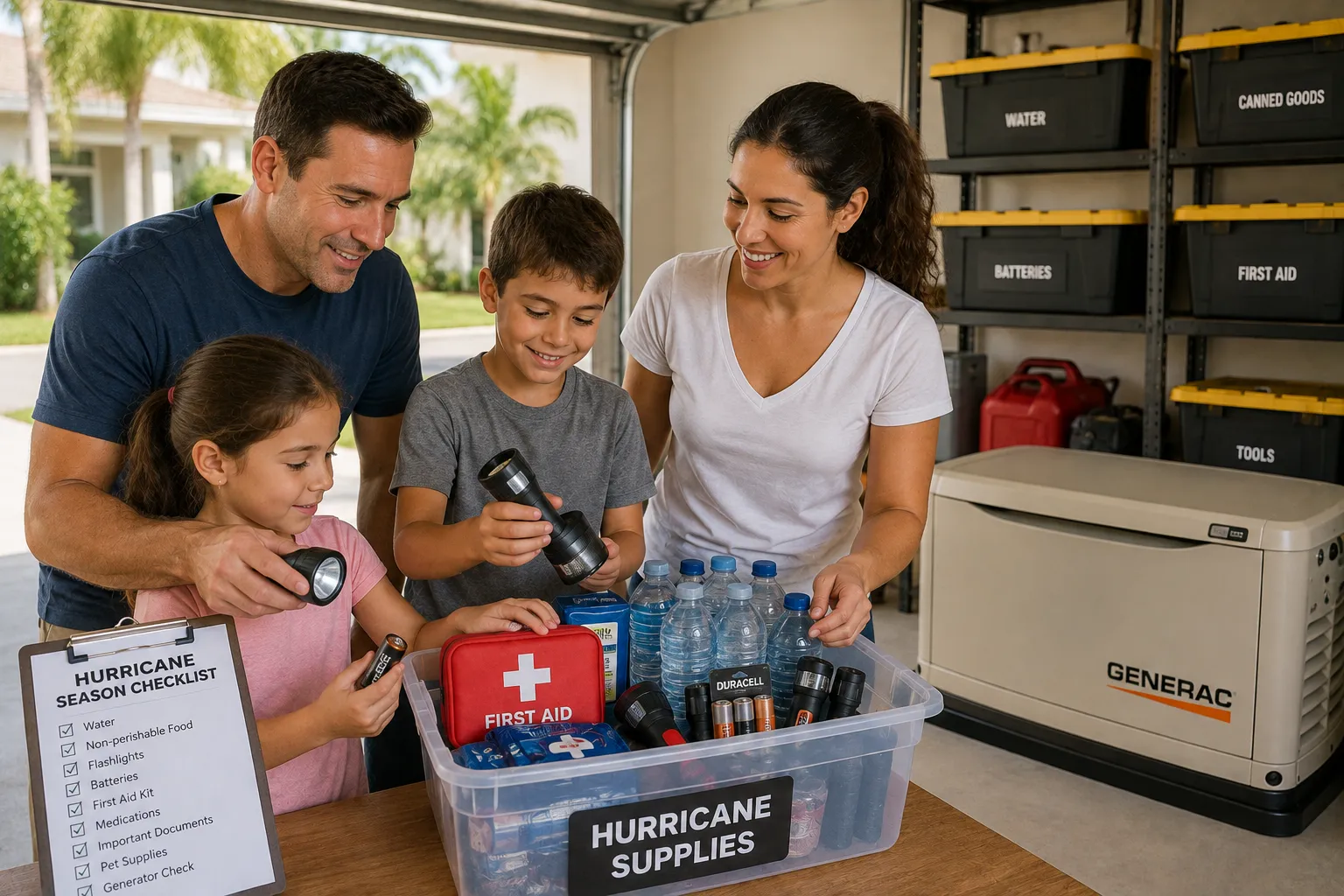
June - Review Emergency Power Plans
Make sure your family knows what to do if the power goes out.
Review:
- Generator safety.
- Flashlight locations.
- Battery supplies.
- Emergency contact numbers.
- Safe procedures for shutting off power if necessary.
Preparation helps reduce stress during emergencies.
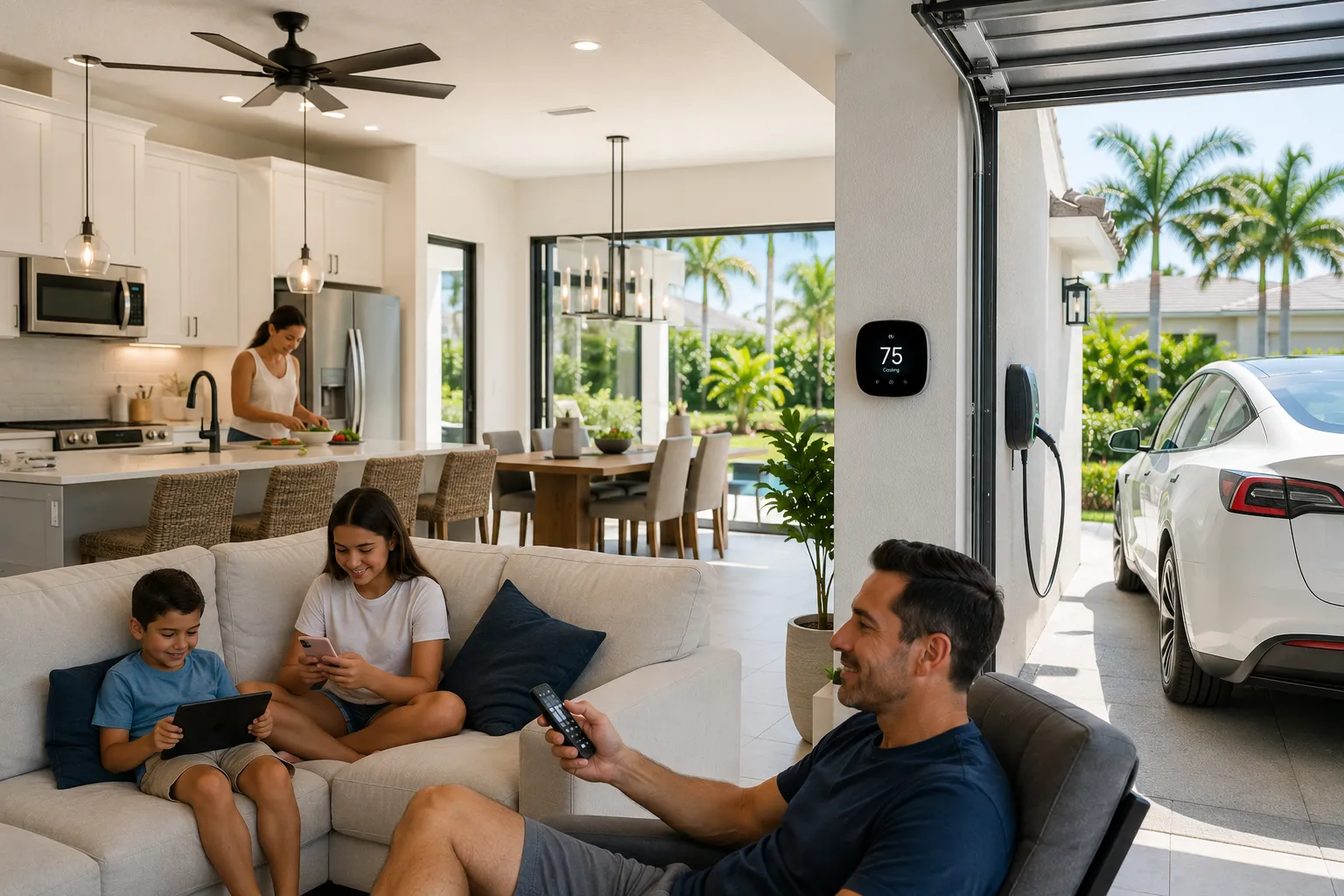
July - Monitor Summer Electrical Loads
Summer places significant demand on residential electrical systems.
Pay attention to:
- Frequent breaker trips.
- Flickering lights.
- Warm outlets.
- Extension cord use.
- Heavy appliance usage.
High electrical demand may reveal problems that were not noticeable during cooler months.
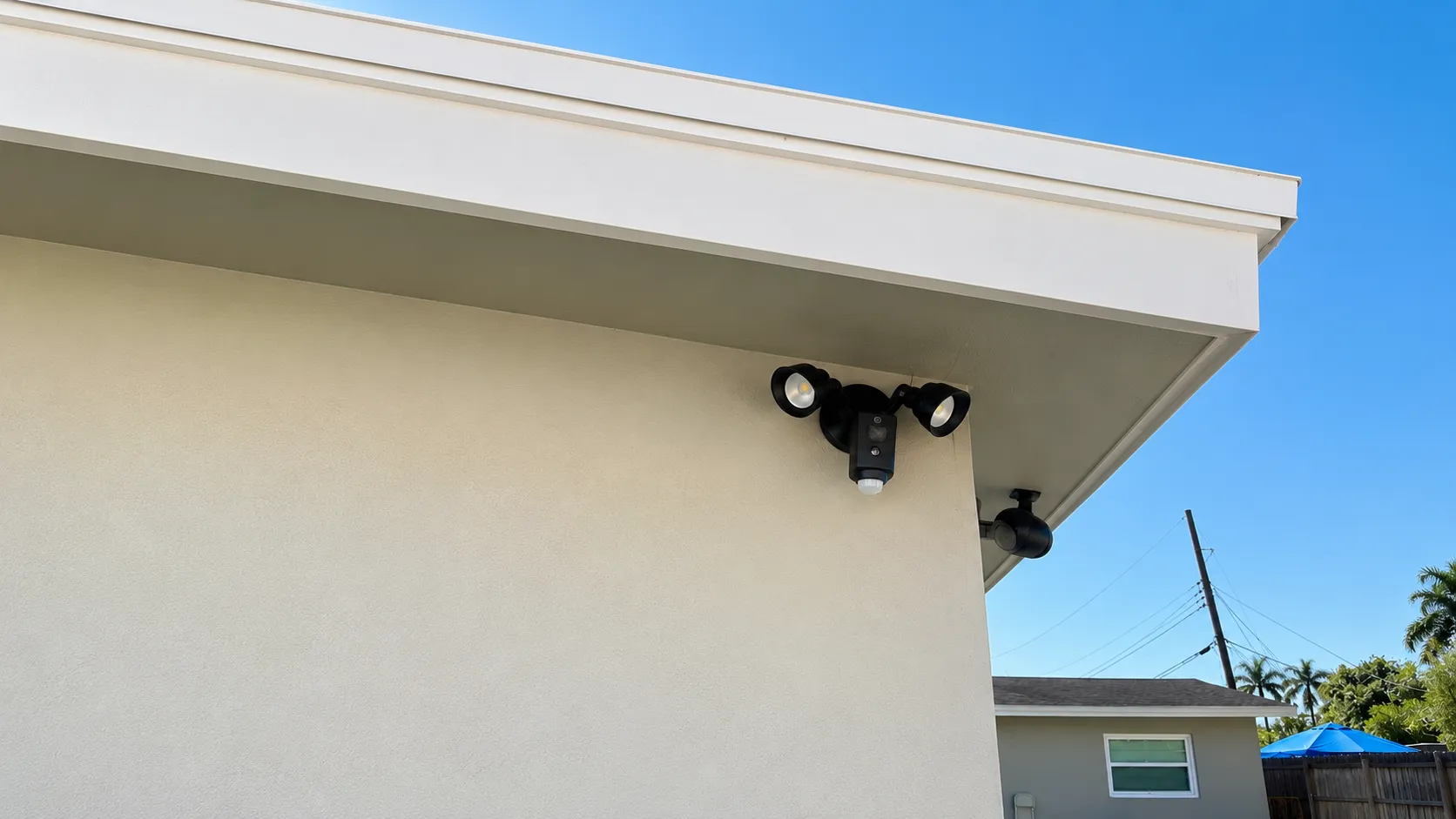
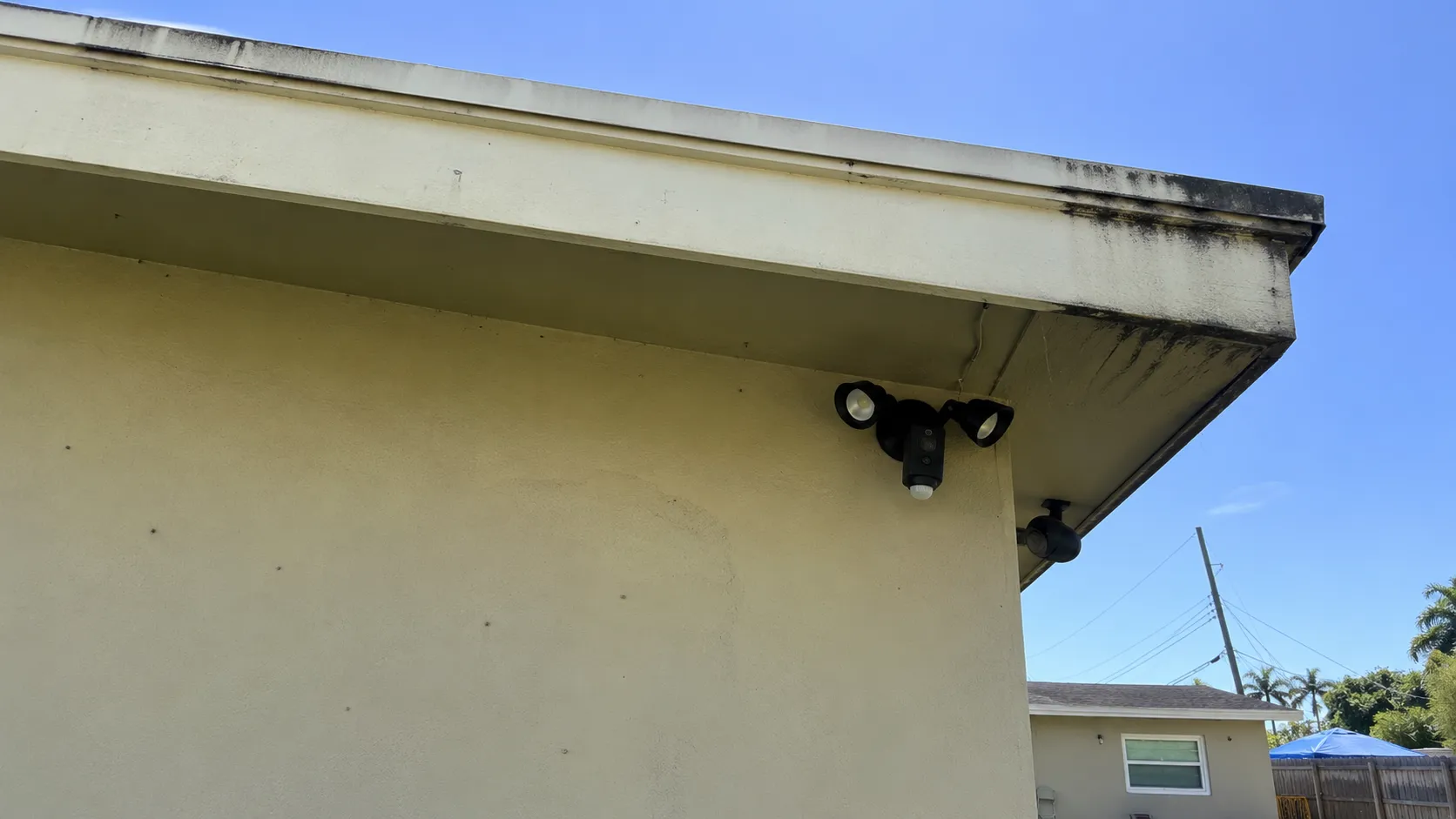
August - Inspect Outdoor Lighting
Storms and heavy rain may affect exterior lighting.
Inspect:
- Landscape lighting.
- Security lights.
- Motion sensors.
- Pool lighting.
- Garage lighting.
Replace damaged fixtures before hurricane season reaches its peak.

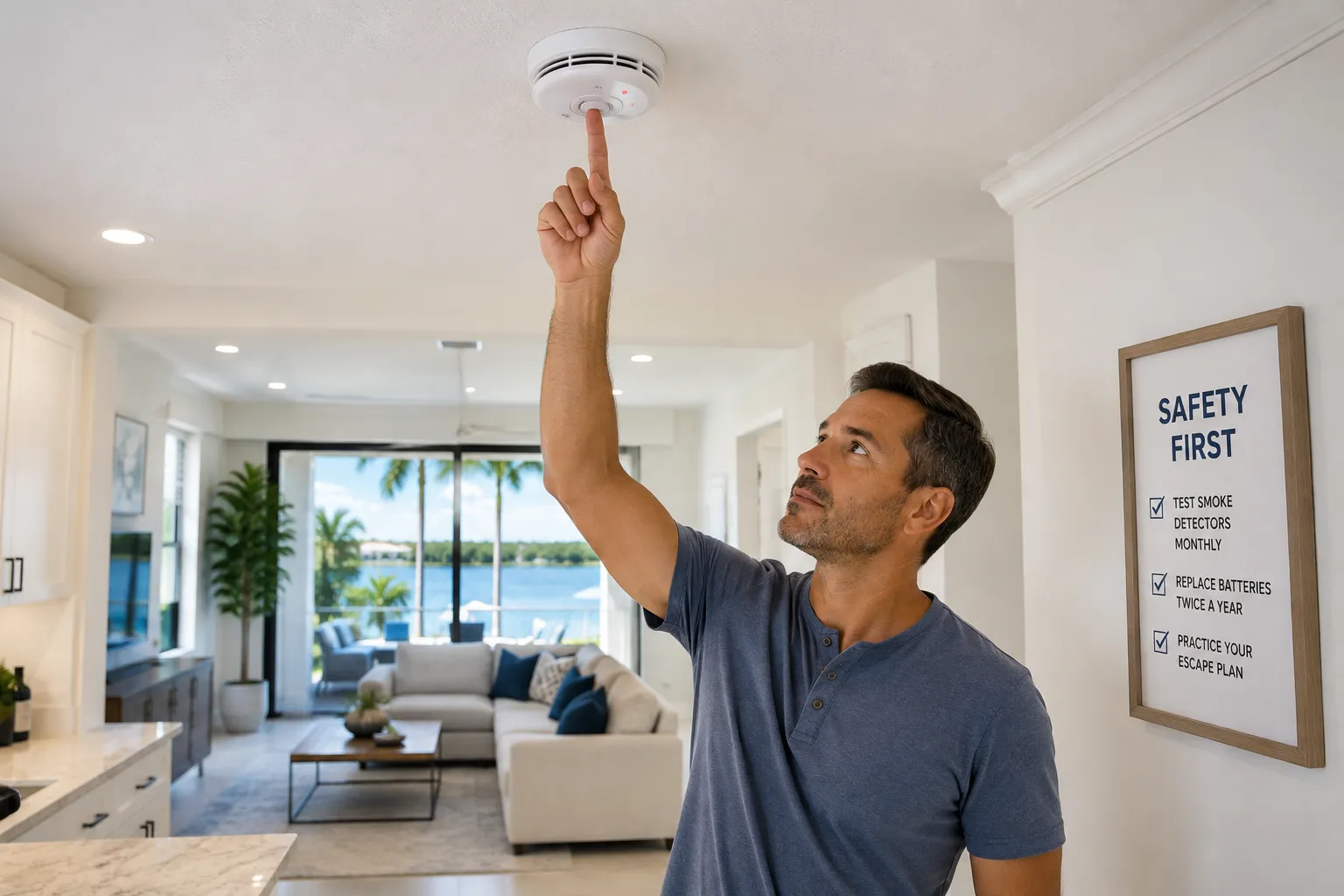
September - Check Smoke and Carbon Monoxide Alarms
Although smoke alarms are not part of your home’s electrical system, they are an important part of your family’s overall safety.
This month:
- Test all alarms.
- Replace batteries if needed.
- Verify expiration dates.
- Replace outdated units.
Properly functioning alarms provide critical early warning during emergencies.
October - Organize Your Electrical Panel
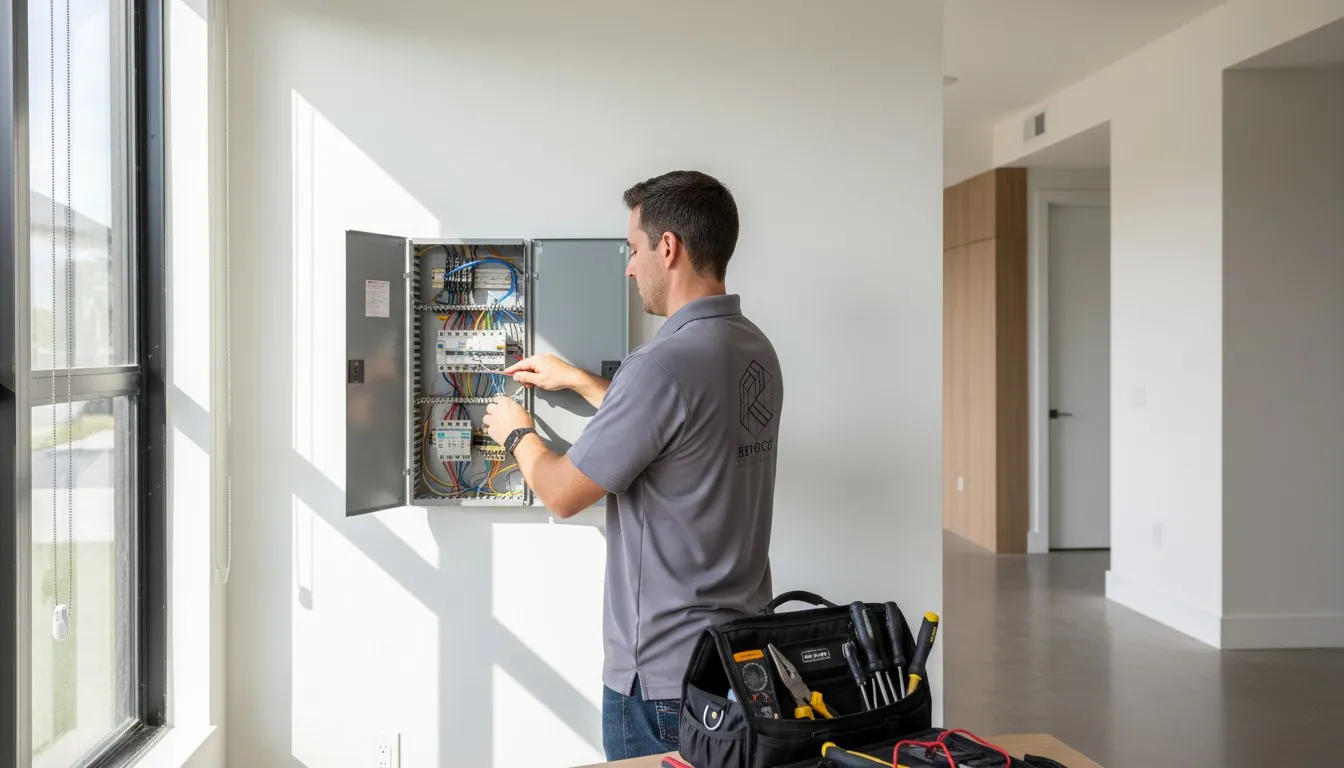
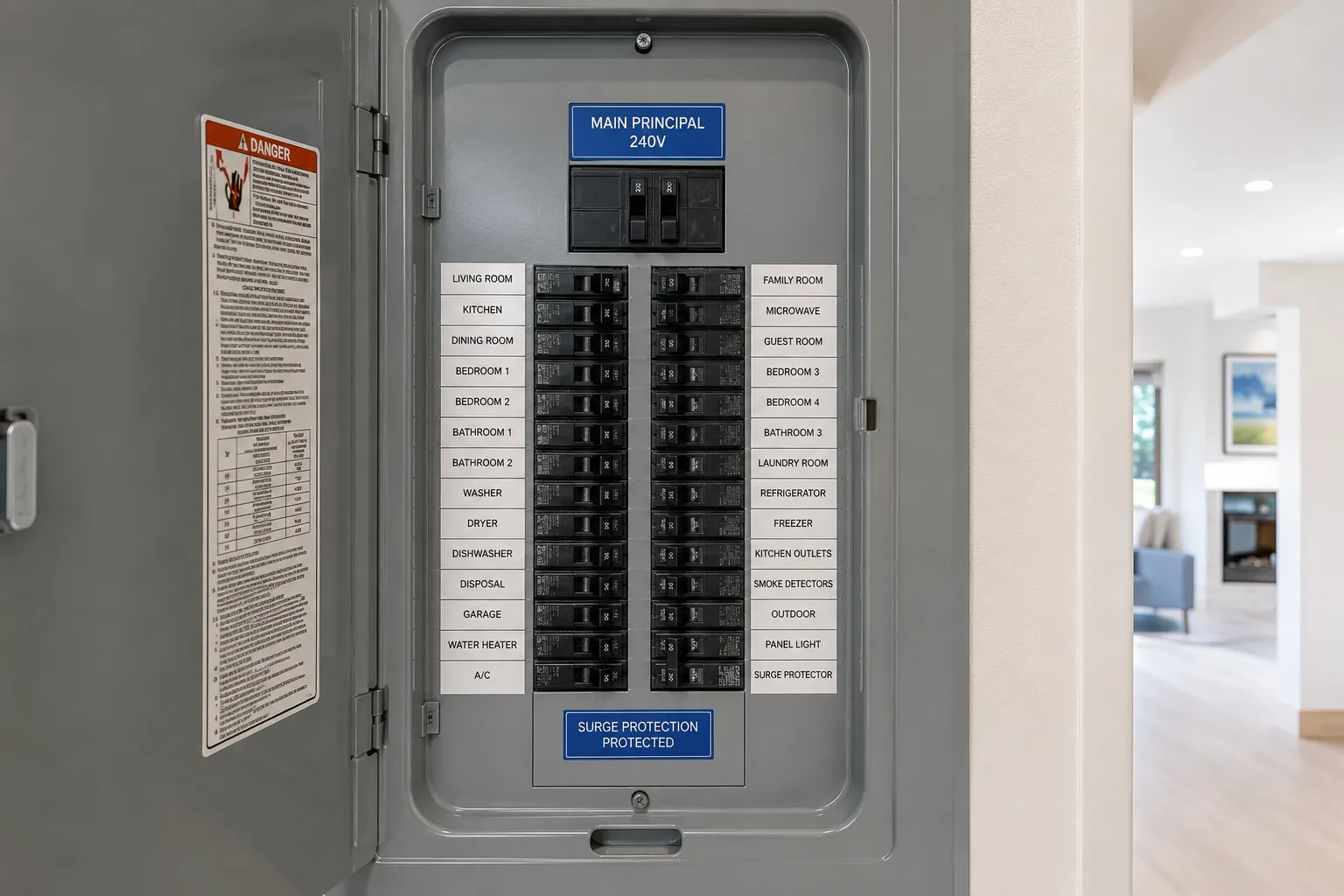
Take a few minutes to ensure your electrical panel remains organized.
Verify:
- Breakers are labeled.
- Panel door closes properly.
- Area around panel remains clear.
- No signs of moisture.
Quick visual inspections throughout the year help identify changes early.
November - Prepare for Holiday Decorations
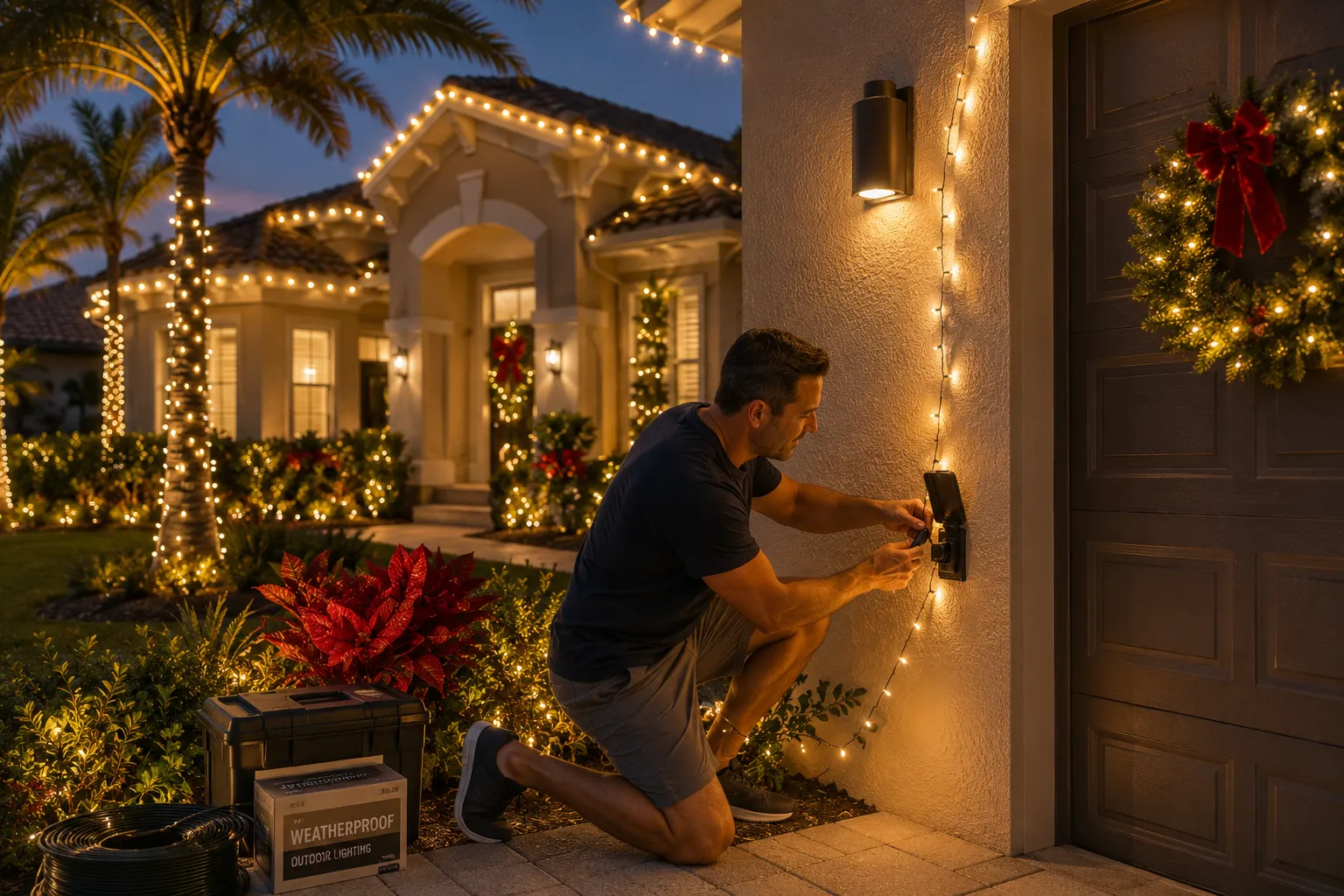
Holiday lighting increases electrical demand.
Remember:
- Use outdoor-rated extension cords.
- Avoid overloading outlets.
- Inspect decorative lights before installation.
- Keep electrical connections away from standing water.
Safe decorating helps prevent unnecessary electrical hazards.
December - Review Your Year’s Electrical Maintenance
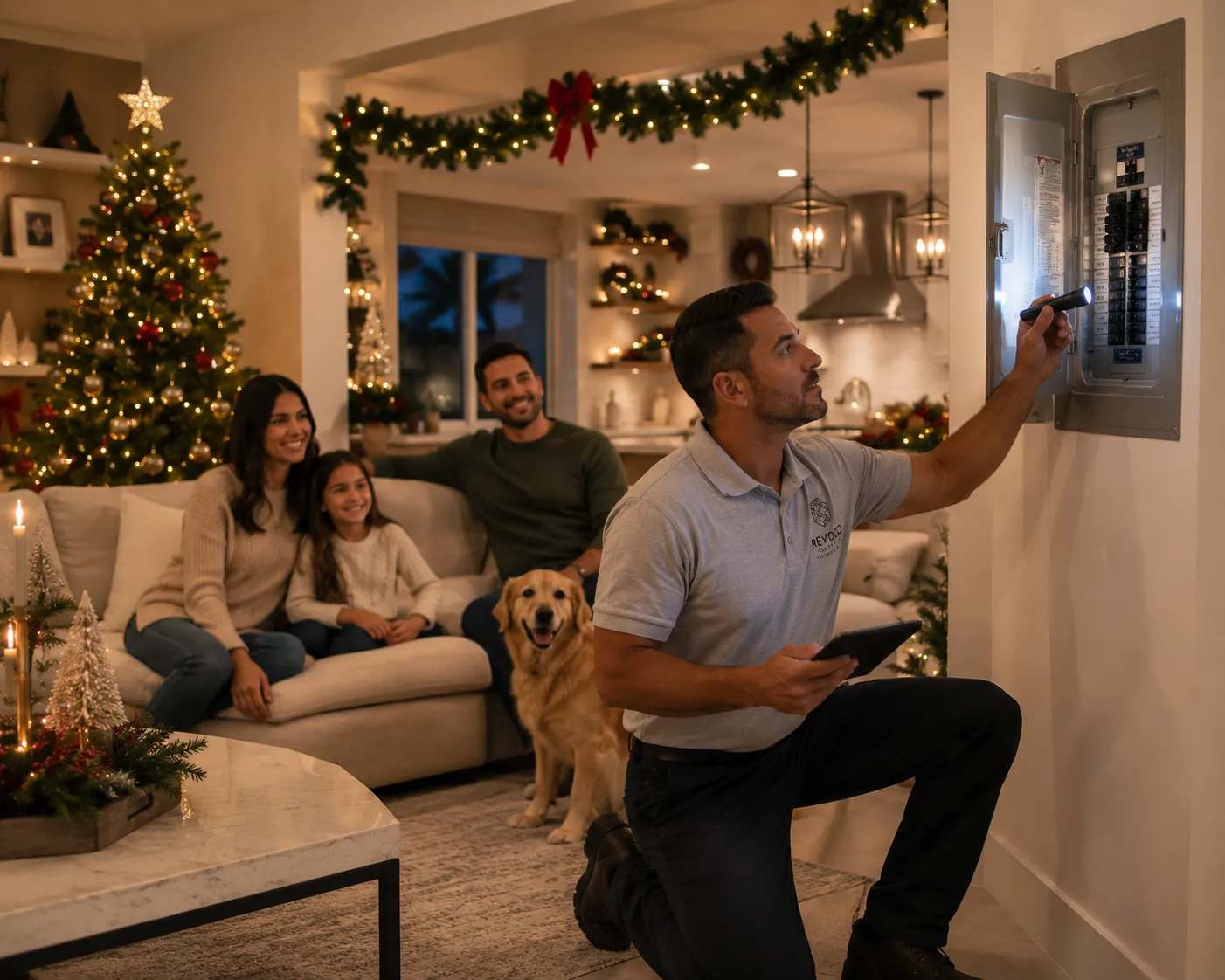
Finish the year by reviewing your home’s electrical system.
Ask yourself:
- Did any breakers trip frequently?
- Were any electrical repairs needed?
- Are you planning renovations next year?
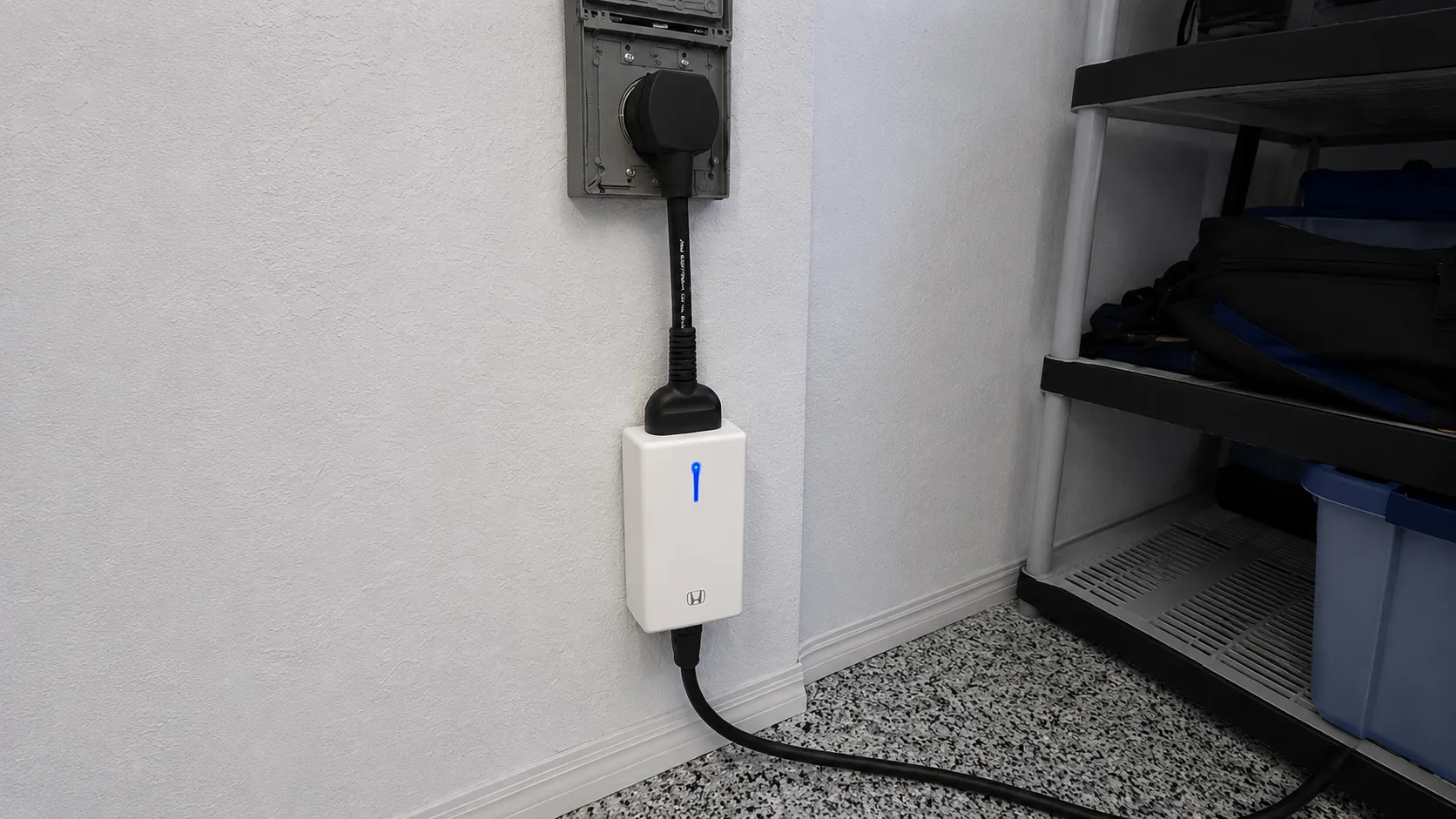
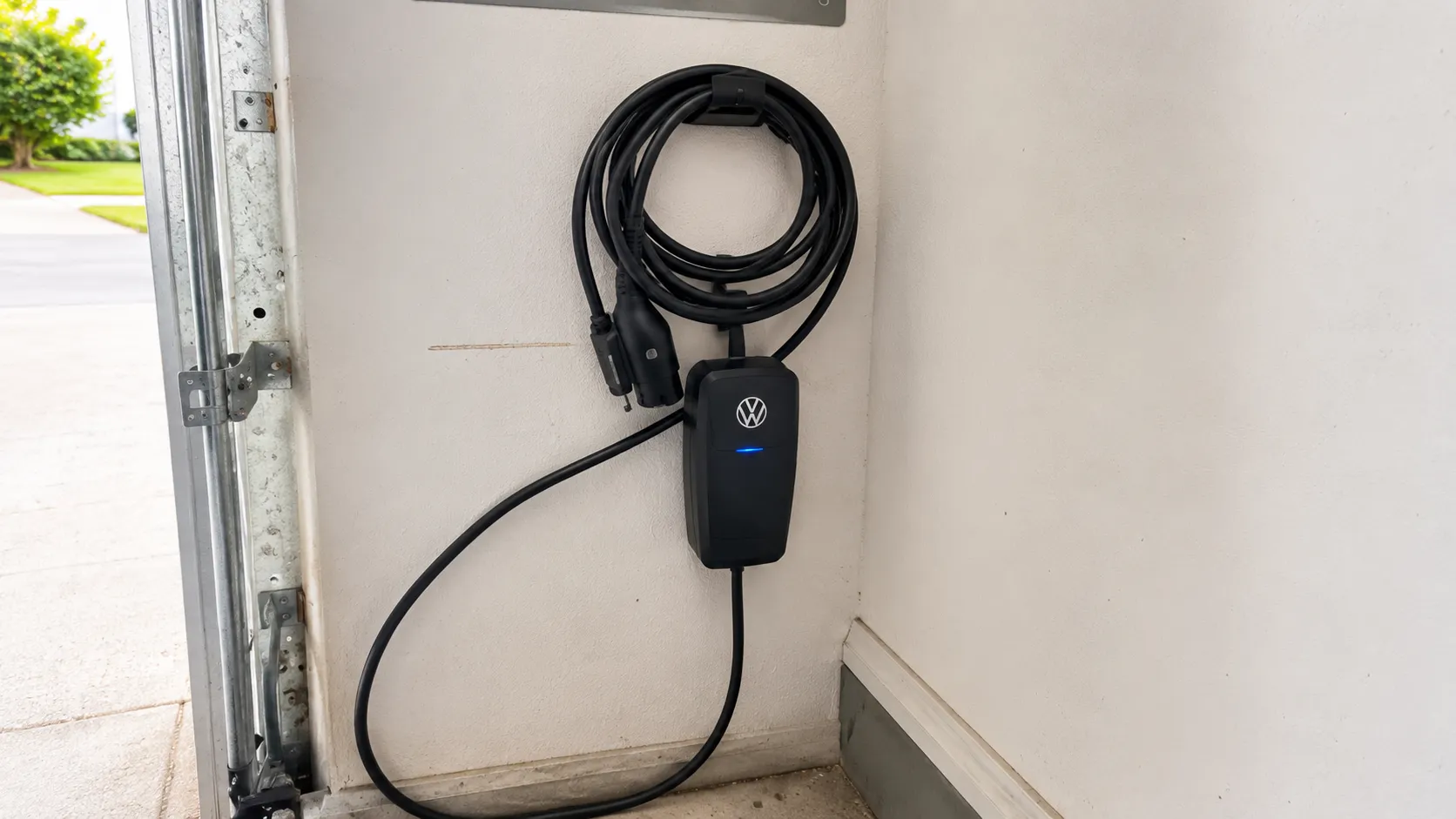
- Will you install an EV charger or new appliances?
Planning ahead makes future upgrades easier and helps maintain a safe, reliable electrical system.
Quick Annual Maintenance Checklist
Use this checklist as a simple reminder throughout the year:
- Inspect your electrical panel annually.
- Test GFCI outlets monthly or quarterly.
- Check outdoor electrical equipment.
- Prepare before hurricane season.
- Monitor breaker performance.
- Inspect surge protection.
- Test smoke alarms.
- Keep your electrical panel accessible.
- Schedule professional inspections when needed.
A Little Prevention Can Save You Thousands
Routine electrical maintenance is one of the simplest ways to improve your home’s safety, protect valuable appliances, and avoid unexpected repair costs.
By following this annual maintenance calendar, Florida homeowners can stay ahead of potential electrical issues, extend the life of their electrical system, and enjoy greater peace of mind throughout the year.
Remember: The best time to address an electrical problem is before it becomes an emergency. A few minutes of preventive maintenance each month can make a significant difference in the long-term safety and reliability of your home.
Preparing Your Home’s Electrical System for Hurricane Season
A Florida Homeowner’s Checklist to Stay Safe Before, During, and After the Storm
For Florida homeowners, hurricane season is not just about stocking up on water, food, and emergency supplies. It is also an important time to prepare your home’s electrical system.
Strong winds, heavy rain, flooding, lightning, and extended power outages can all affect electrical equipment and increase the risk of damage to your home’s electrical system.
Fortunately, taking a few preventive steps before a storm arrives can help protect your property, reduce costly repairs, and improve your family’s safety during severe weather.
Why Hurricane Preparation Matters
Florida experiences one of the longest hurricane seasons in the United States.
Each year, powerful storms bring:
- Heavy rain
- High winds
- Lightning
- Flooding
- Falling trees
- Extended power outages
- Utility power surges
These conditions place tremendous stress on residential electrical systems.
Preparing ahead of time is always safer and often much less expensive than dealing with unexpected electrical damage after a storm.
Step 1 - Schedule an Electrical Inspection Before Hurricane Season
One of the smartest investments a homeowner can make is a preventive electrical inspection before storm season begins.
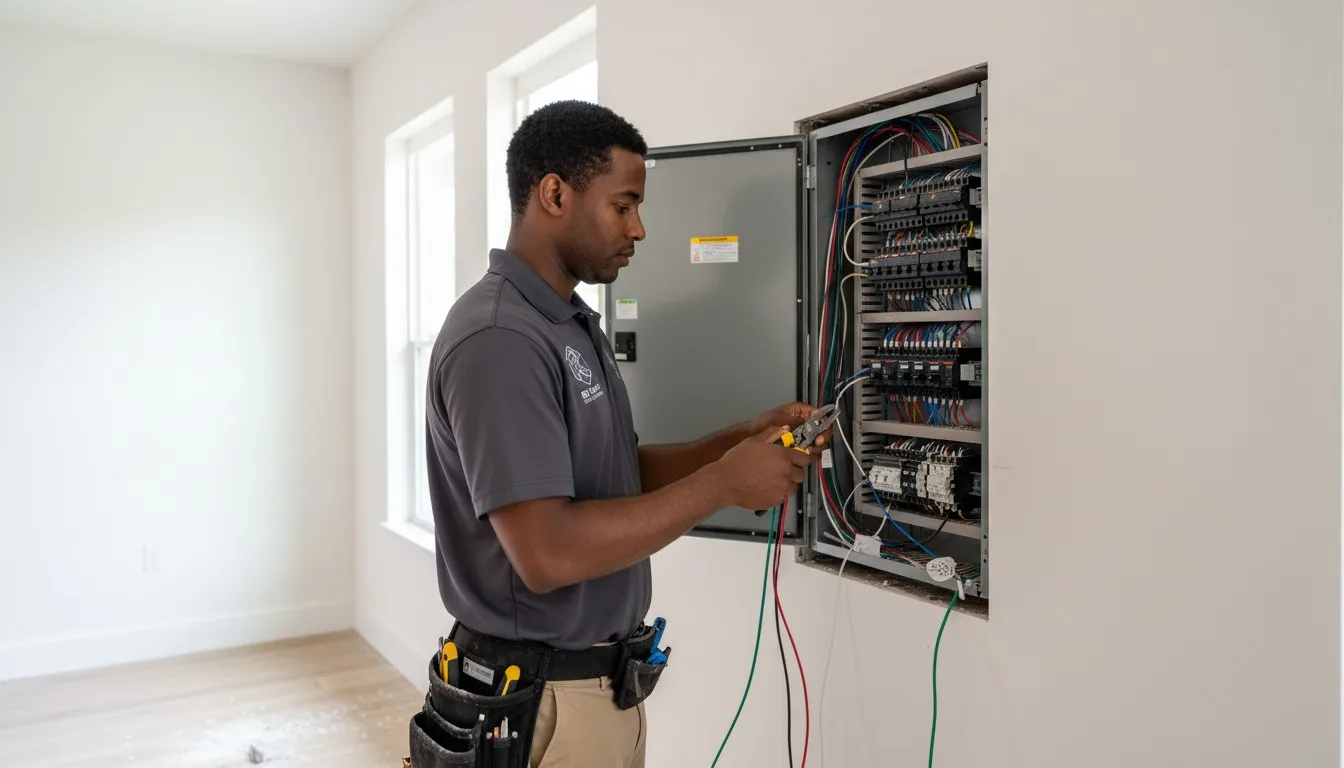
A licensed electrician can evaluate the condition of your electrical system and identify issues that may become more serious during severe weather.
A typical inspection may include checking:
- The electrical panel
- Circuit breakers
- Grounding system
- Outdoor electrical equipment
- Surge protection
- GFCI outlets
- Service entrance connections
- Signs of corrosion or loose wiring
Identifying small issues early can help prevent larger problems during or after a storm.
Step 2 - Protect Your Home from Power Surges
Power surges are one of the most common electrical problems after severe storms.
When utility power is interrupted and later restored, sudden voltage fluctuations may damage sensitive electronics and appliances throughout the home.
Installing a Whole-Home Surge Protection System provides an additional layer of protection for many of the electrical devices your family depends on every day, including:
- Air conditioning systems
- Refrigerators
- Televisions
- Computers
- Wi-Fi equipment
- Kitchen appliances
- Smart home devices
While no surge protection device can eliminate every risk, it can significantly reduce damage caused by many common electrical surges.
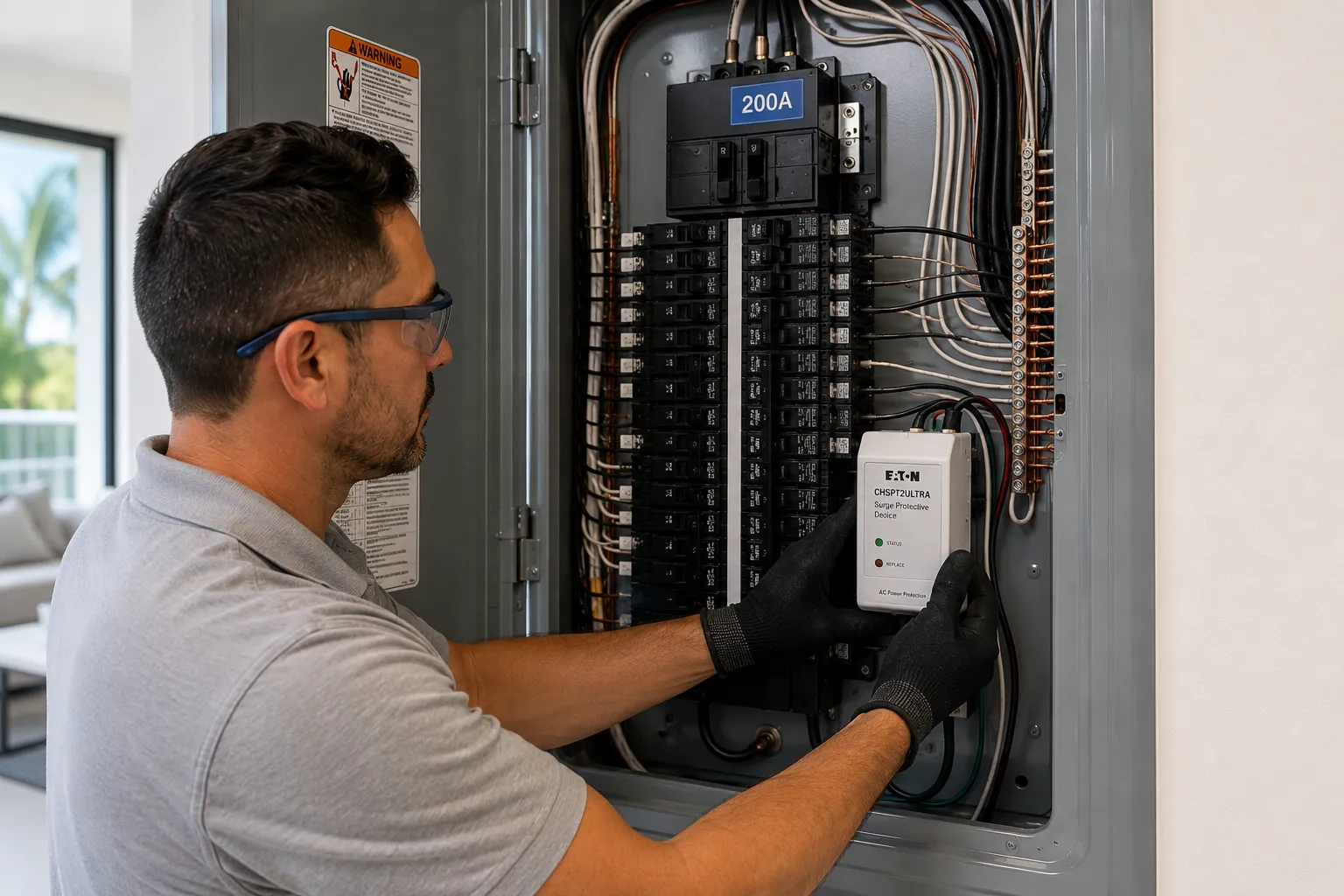
Step 3 - Check Outdoor Electrical Equipment
Florida’s weather can be especially harsh on exterior electrical components.
Before hurricane season, inspect visible outdoor electrical equipment for signs of:
- Cracked covers
- Rust
- Corrosion
- Loose conduit
- Water intrusion
- Damaged fixtures
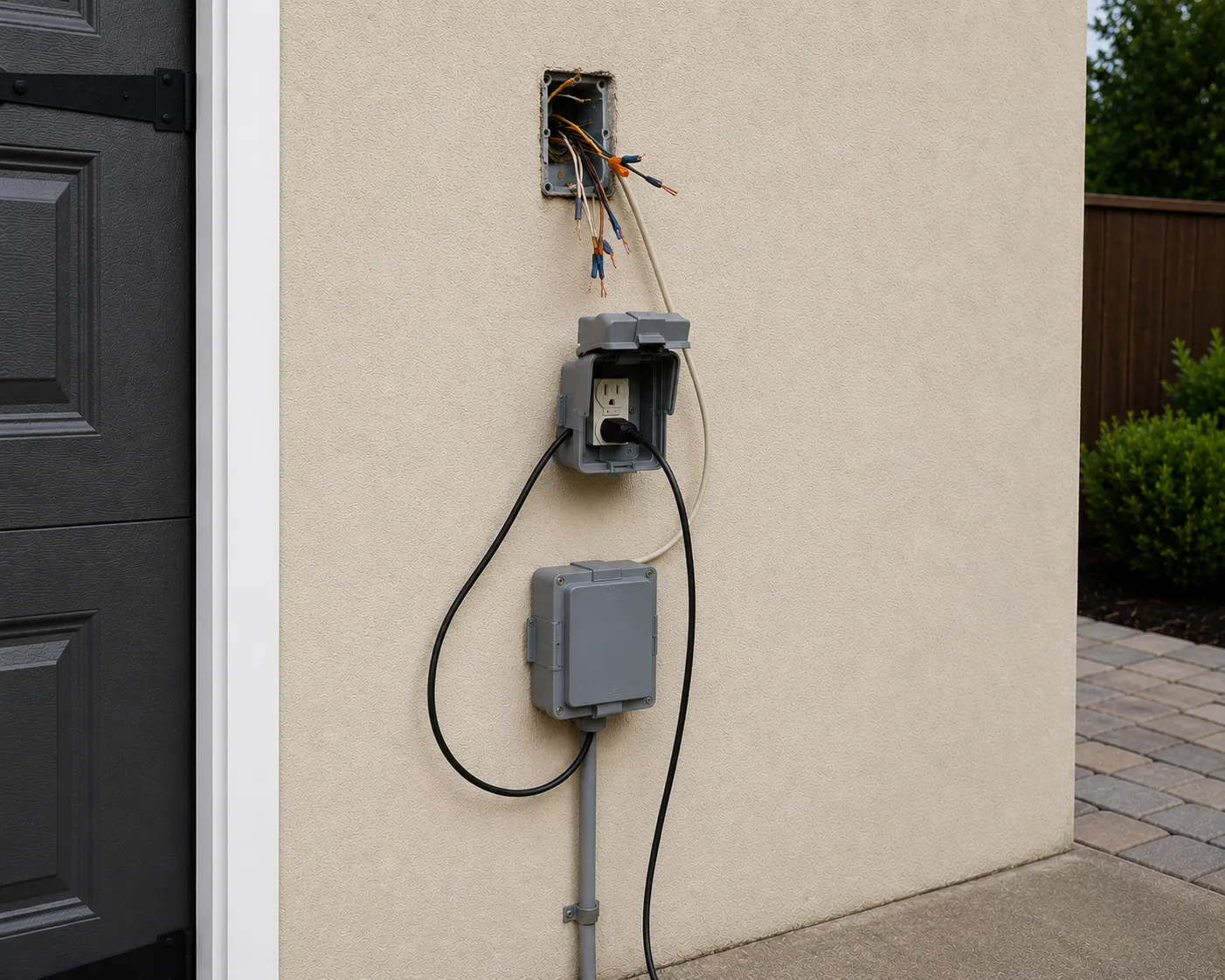
If anything appears damaged, avoid using the equipment until it has been evaluated by a licensed electrician.
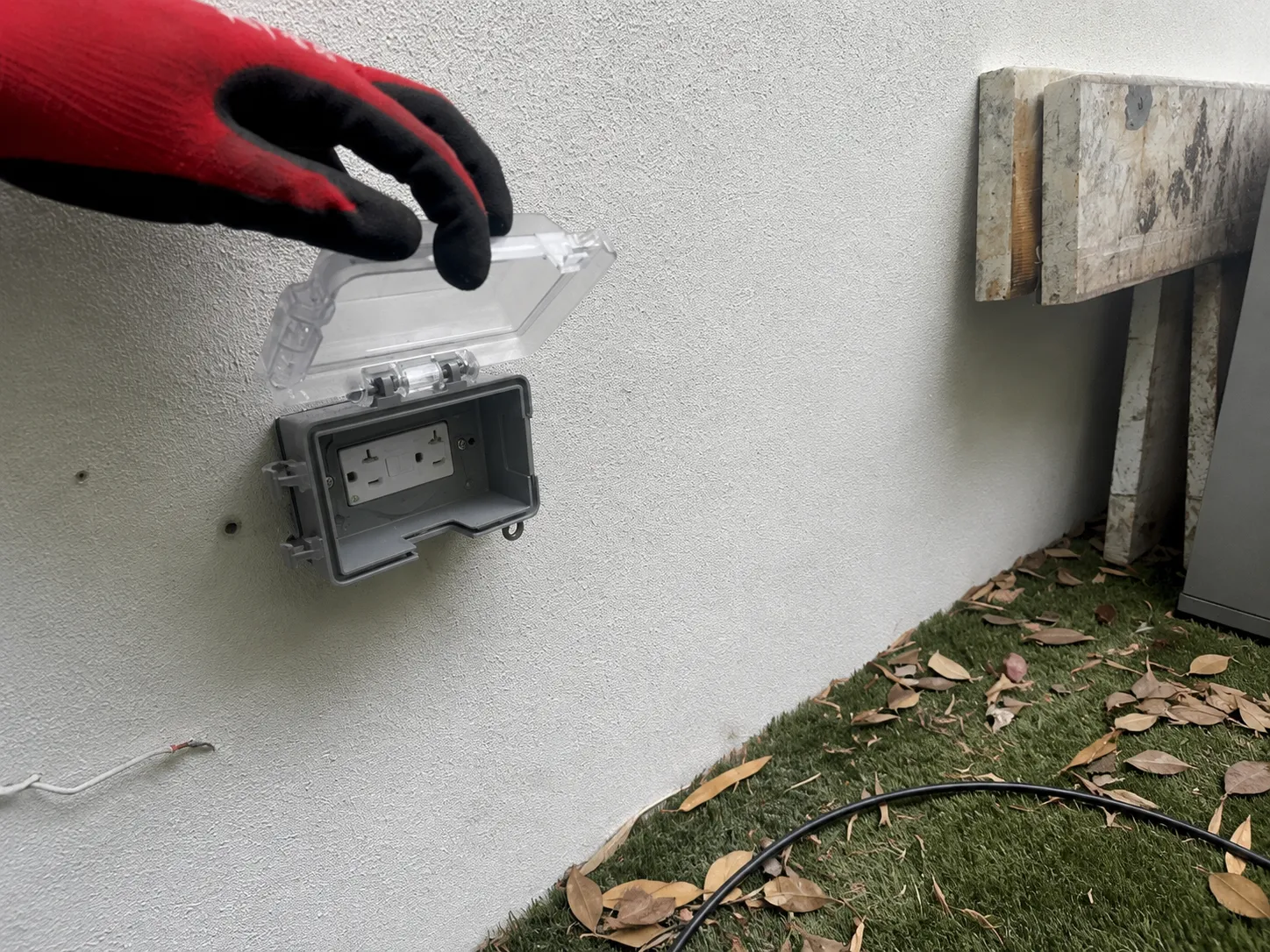
Outdoor outlets should always have weather-resistant covers to help protect against rain and moisture.
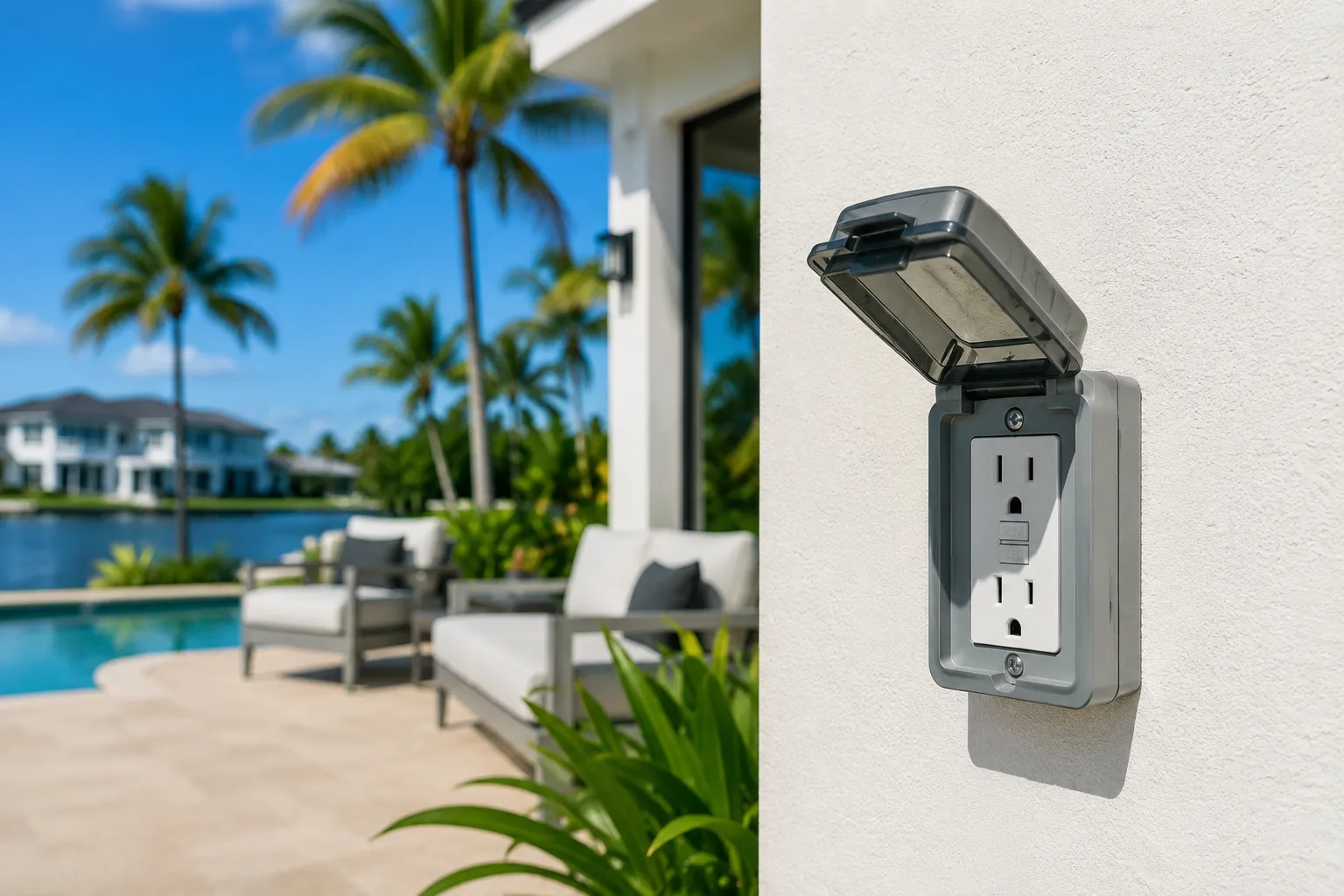
Step 4 - Prepare Your Backup Power Equipment
If your home uses a portable generator or standby generator, hurricane season is the time to ensure everything is operating properly.
Homeowners should:
- Read the manufacturer’s operating instructions.
- Test the generator before hurricane season begins.
- Store fuel safely if applicable.
- Keep extension cords rated for generator use.
- Never operate portable generators inside garages or enclosed spaces.
Improper generator use can create serious safety hazards, including carbon monoxide exposure and electrical backfeeding.
If your home has a standby generator connected to the electrical system, periodic professional maintenance helps ensure it will operate reliably during an emergency.
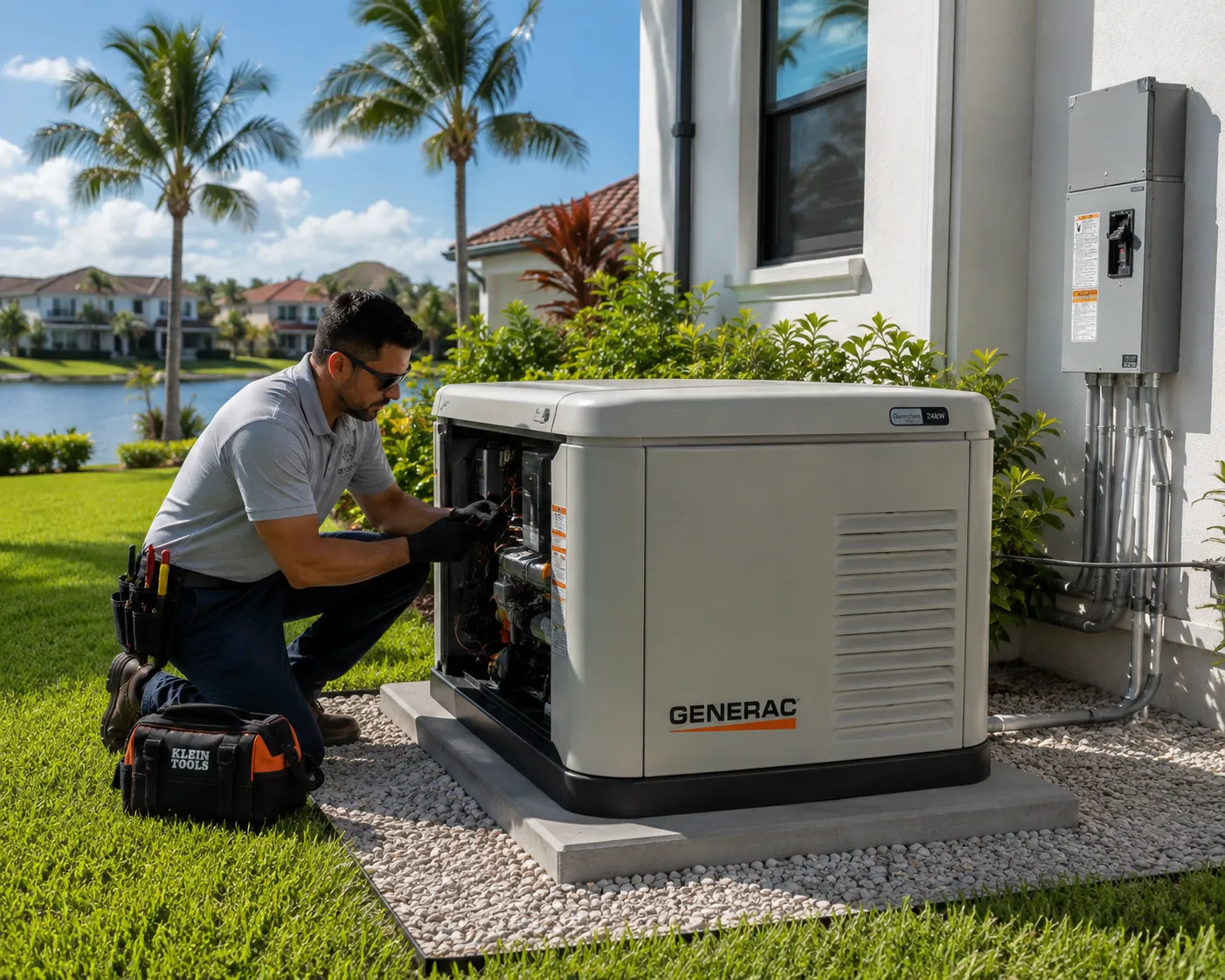
Step 5 - Know What to Do During a Power Outage
Power outages are common during severe storms.
If your home loses power:
- Keep refrigerator and freezer doors closed as much as possible.
- Unplug sensitive electronics if it is safe to do so.
- Use flashlights instead of candles whenever possible.
- Never touch downed power lines.
- Stay away from flooded areas containing electrical equipment.
- Follow instructions provided by your local utility company.
Remaining calm and following basic electrical safety practices can help reduce unnecessary risks during an outage.
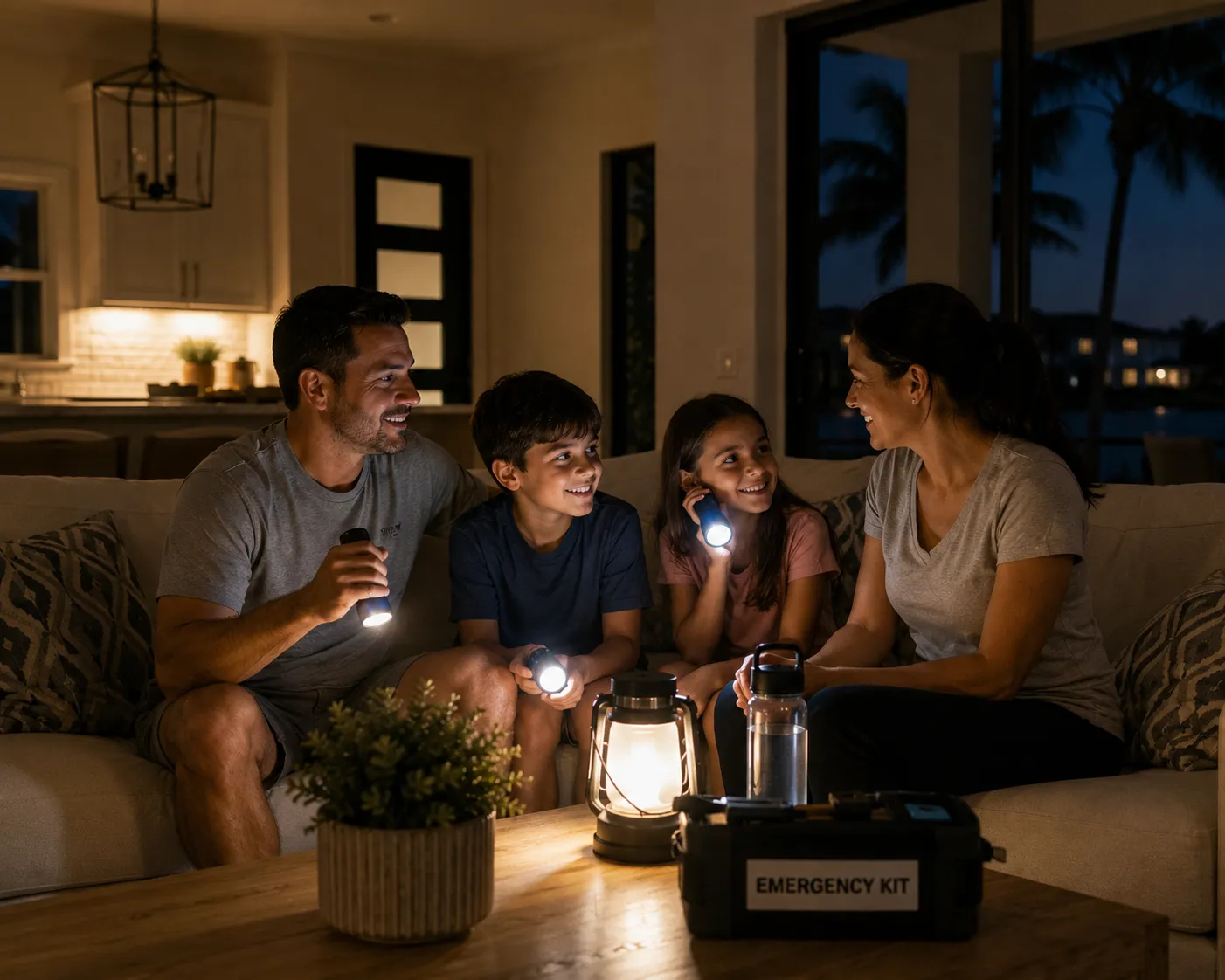
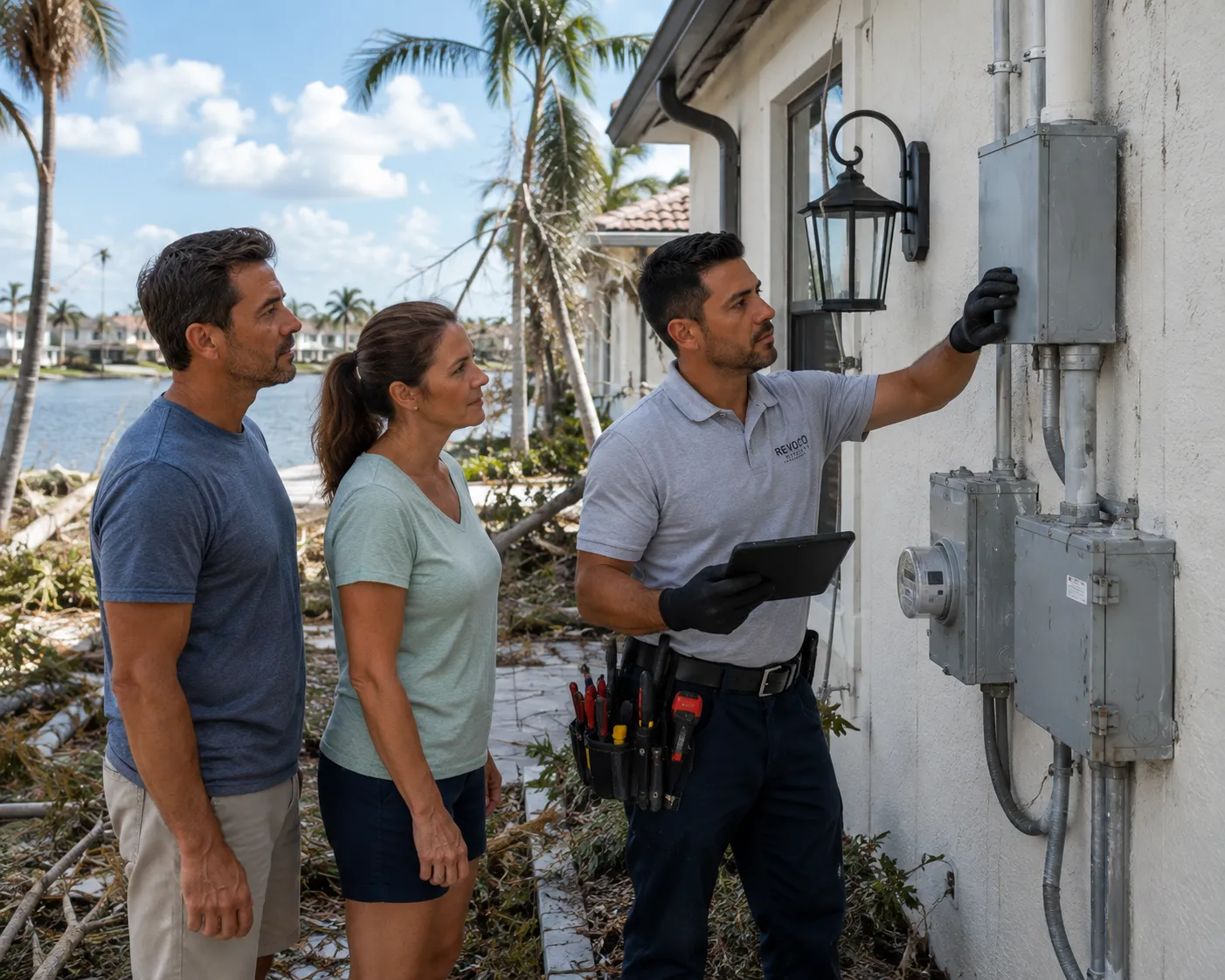
Step 6 - Inspect Your Home After the Storm
Once local authorities indicate it is safe to do so, take time to visually inspect your property.
Look for:
- Damaged service lines
- Flooded electrical equipment
- Fallen tree limbs affecting power lines
- Burn marks
- Broken exterior fixtures
- Water around electrical panels or outlets
If you suspect any electrical damage, avoid attempting repairs yourself.
Water and electricity can be an extremely dangerous combination.
A licensed electrician can safely evaluate the system before power is fully restored to affected areas.
Hurricane Season Electrical Checklist
Before hurricane season begins, review this checklist:
- Schedule a professional electrical inspection.
- Install whole-home surge protection.
- Test GFCI outlets.
- Inspect outdoor electrical equipment.
- Trim tree branches near service lines.
- Test your generator.
- Replace damaged extension cords.
- Store emergency flashlights and batteries.
- Learn how to safely shut off power if necessary.
Keeping this checklist in mind each year can help reduce electrical risks and improve your home’s resilience during severe weather.
Peace of Mind Starts Before the Storm
Hurricanes are an unavoidable part of life in Florida, but electrical emergencies do not have to be.
Preparing your home’s electrical system before storm season can help protect your family, preserve valuable appliances, and reduce unexpected repair costs.
By combining routine maintenance, professional inspections, and proper surge protection, homeowners can feel more confident knowing their electrical system is better prepared for whatever the season may bring.
Related Resources
To learn more about protecting your home, explore these additional guides:
- The Complete Florida Homeowner’s Guide to Electrical Safety
- How to Know if Your Home Needs an Electrical Panel Upgrade
- Why Florida Insurance Companies Reject Certain Electrical Panels
- Whole-Home Surge Protection: Is It Worth It?
- What Every Homeowner Should Know Before a 4-Point Electrical Inspection
When Should You Call a Professional Electrician?
Knowing When Professional Help Is the Safest Choice
Many homeowners enjoy taking care of small maintenance projects around the house. Changing light bulbs, replacing air filters, or painting a room are all common DIY tasks.
However, your home’s electrical system is different.
Electricity is one of the most complex and potentially dangerous systems in your home. While understanding how it works is valuable, certain electrical problems should always be evaluated by a licensed electrician to help protect your family, your property, and your investment.
Knowing when to seek professional assistance can prevent costly repairs, reduce safety risks, and provide peace of mind.
1. Your Circuit Breakers Keep Tripping
An occasional tripped breaker may simply indicate that too many appliances are running on the same circuit.
However, if the same breaker trips repeatedly, it may be a sign of:
- An overloaded circuit
- Damaged wiring
- A faulty appliance
- A short circuit
- An aging electrical panel
Resetting the breaker over and over without determining the cause is never recommended.
A licensed electrician can identify the underlying issue and recommend the appropriate solution.
2. Your Lights Flicker Regularly
Occasional flickering during a severe storm may not be unusual.
However, lights that flicker frequently or dim whenever large appliances turn on could indicate:
- Loose electrical connections
- Voltage fluctuations
- Overloaded circuits
- Electrical panel capacity issues
- Aging wiring
Because these symptoms may become more serious over time, they should be professionally evaluated.
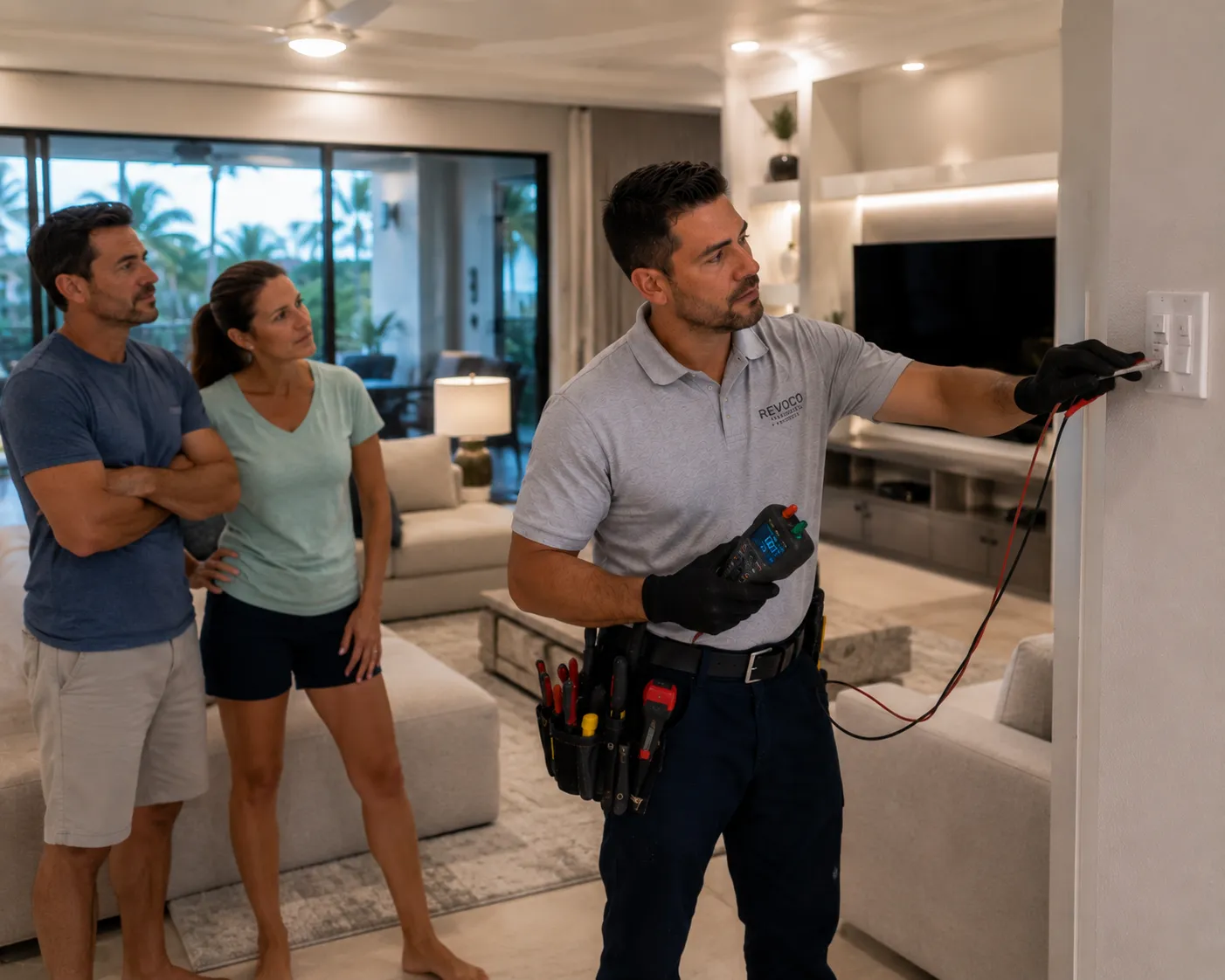
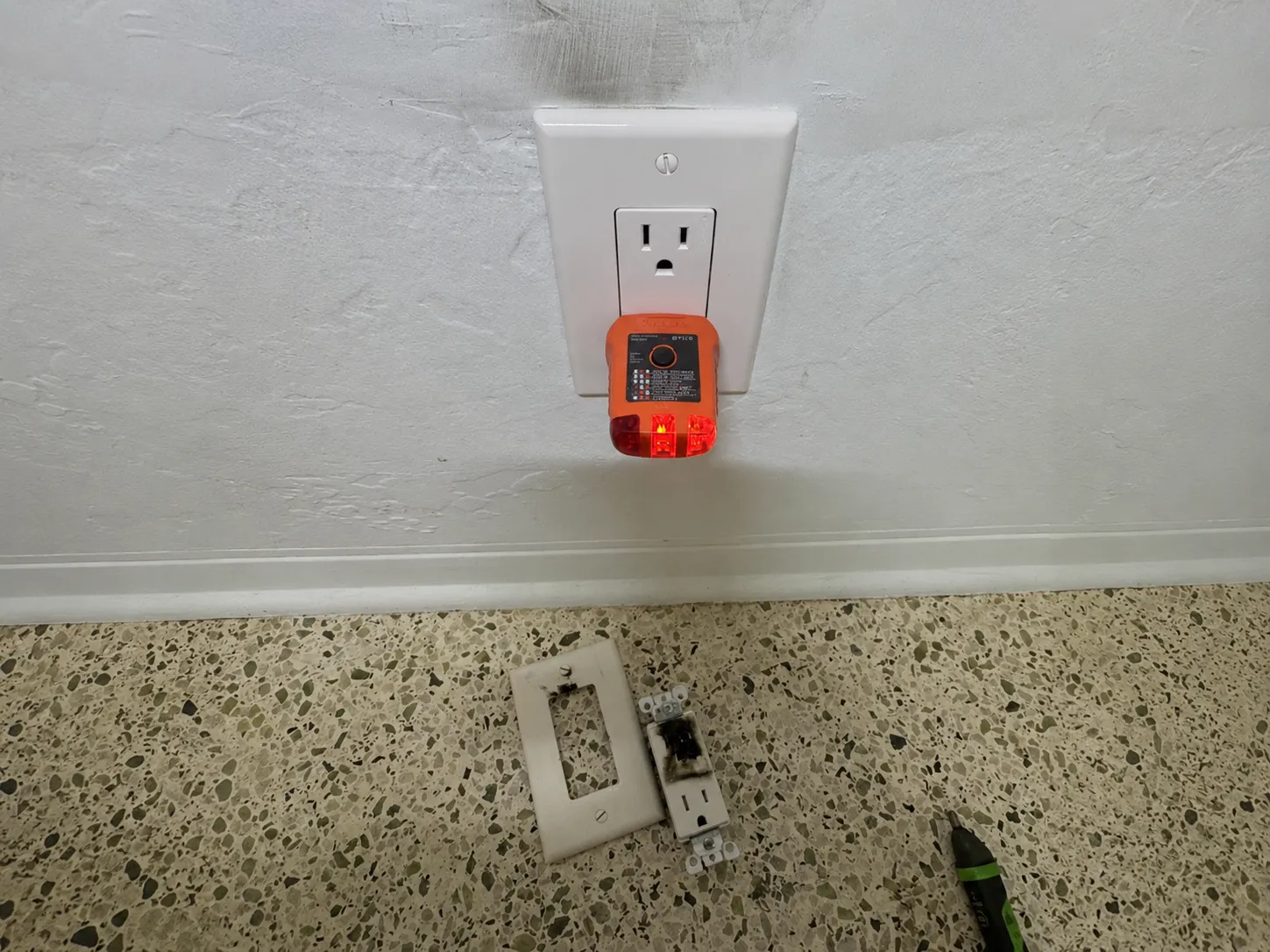
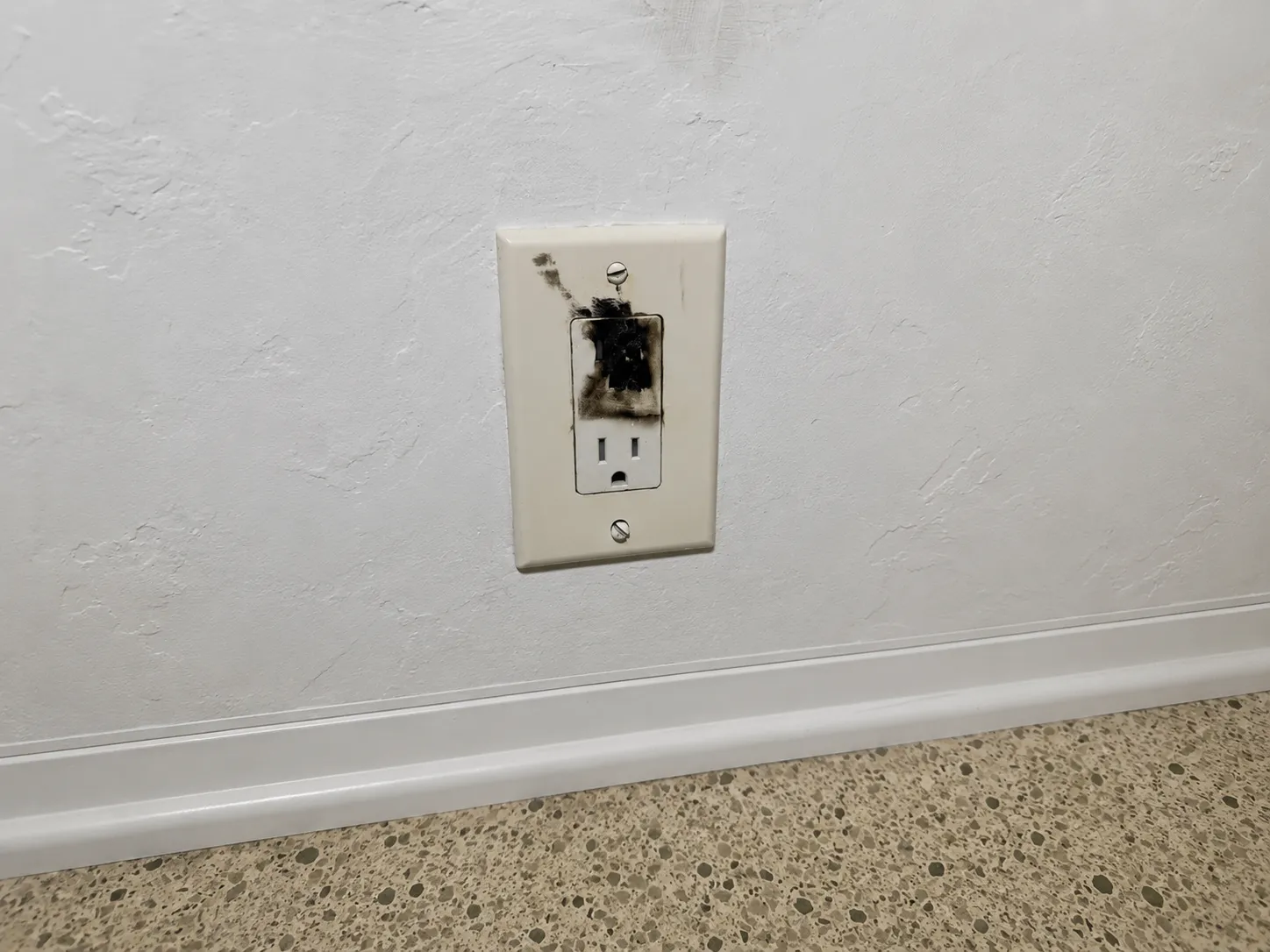
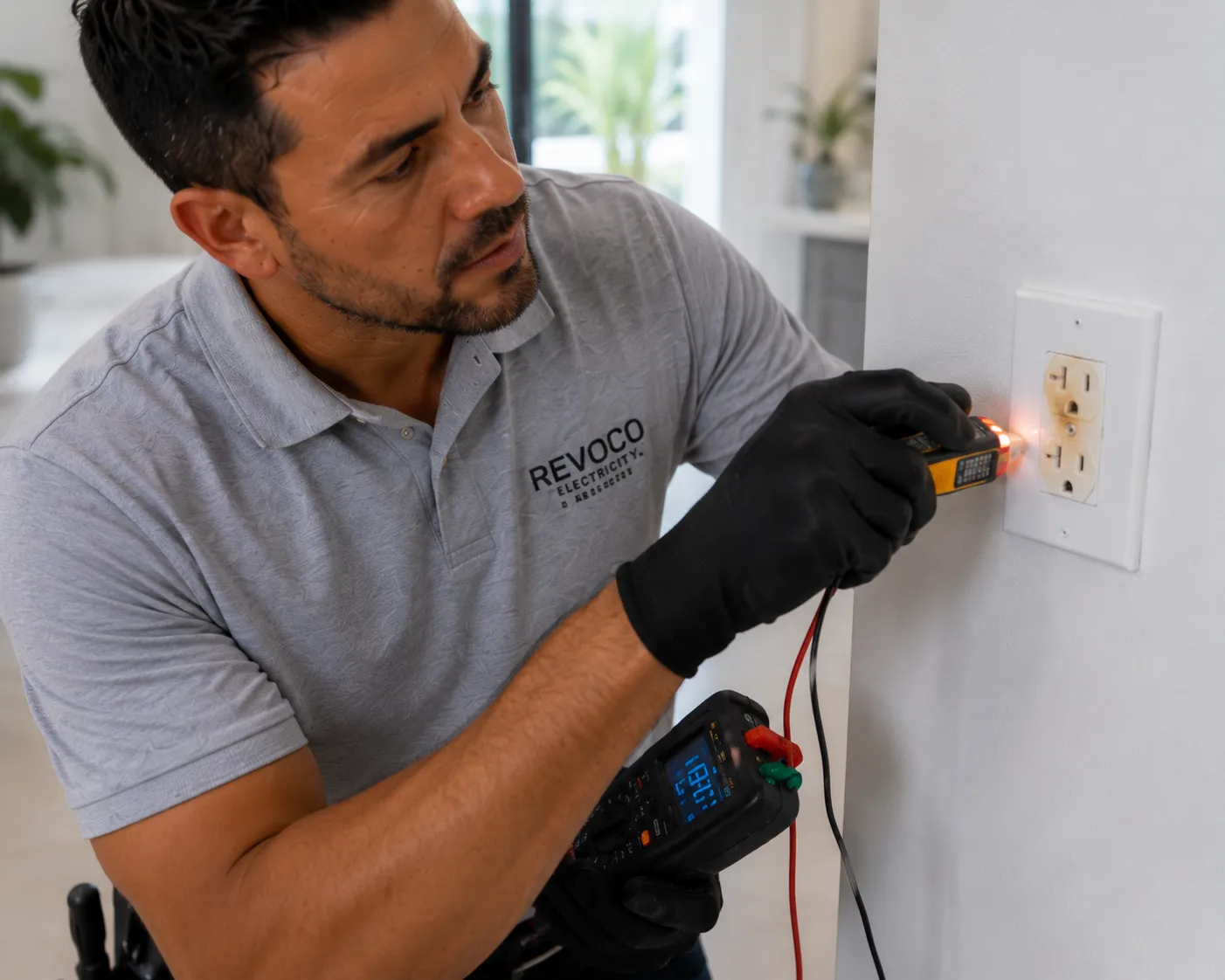
3. You Notice Burning Smells or Warm Outlets
Electrical outlets, switches, and panels should never become hot or produce a burning odor.
If you notice:
- Warm outlets
- Burn marks
- Buzzing sounds
- Burning smells
- Melted outlet covers
stop using the affected outlet or circuit if it is safe to do so and arrange for a professional inspection.
These warning signs may indicate overheating or damaged electrical components that require immediate attention.
4. You’re Planning a Home Renovation
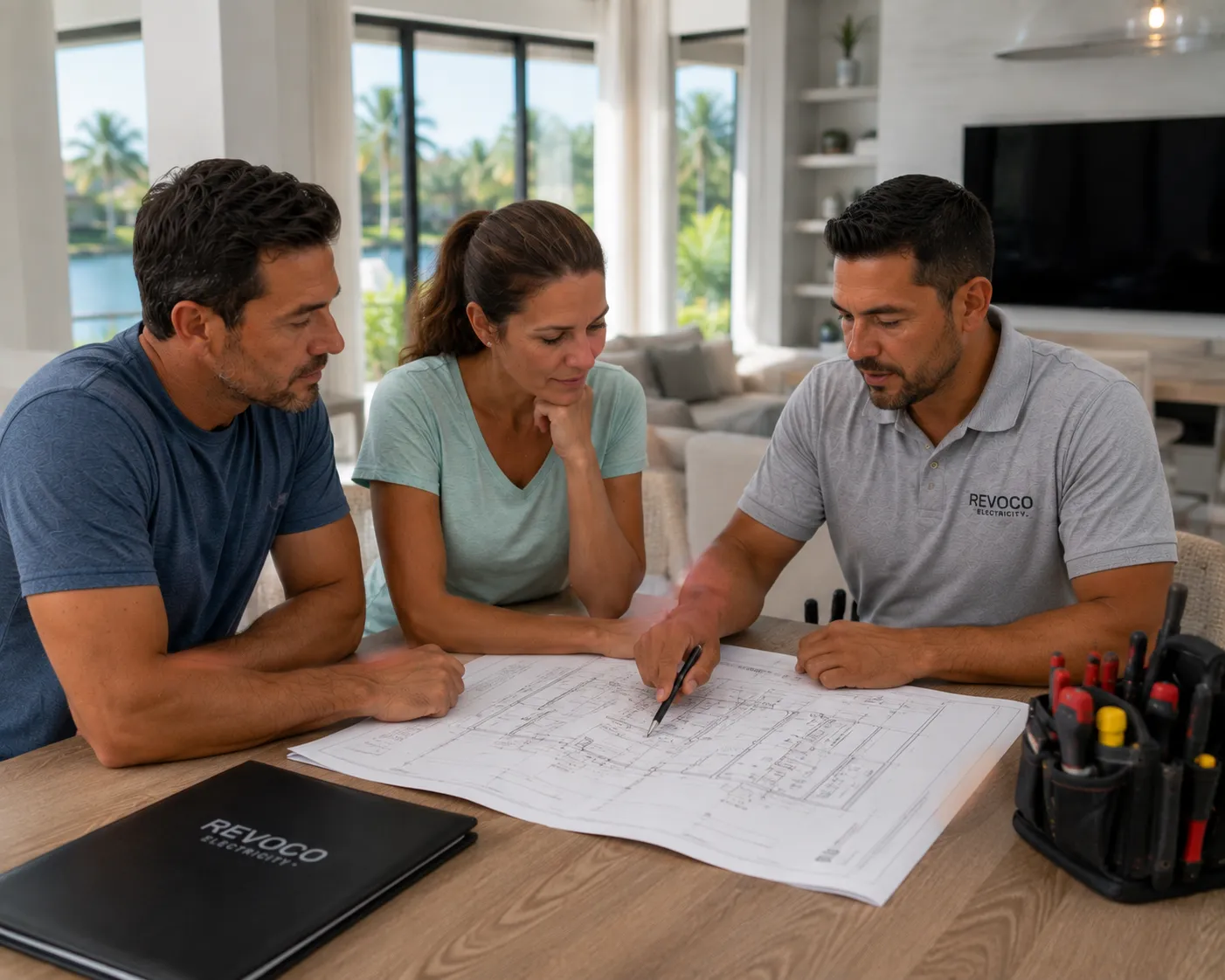
Many remodeling projects require modifications to your home’s electrical system.
If you’re planning to:
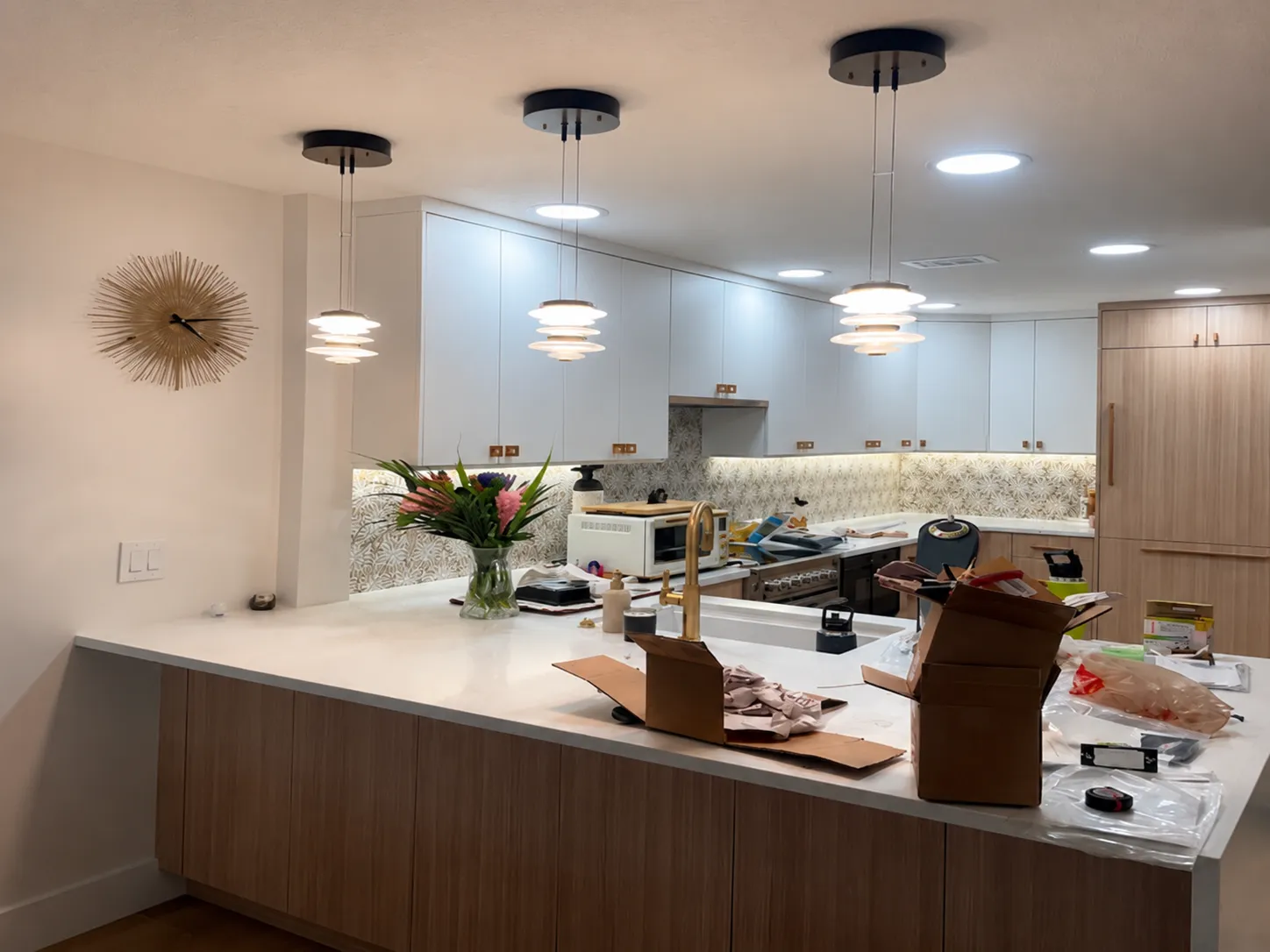
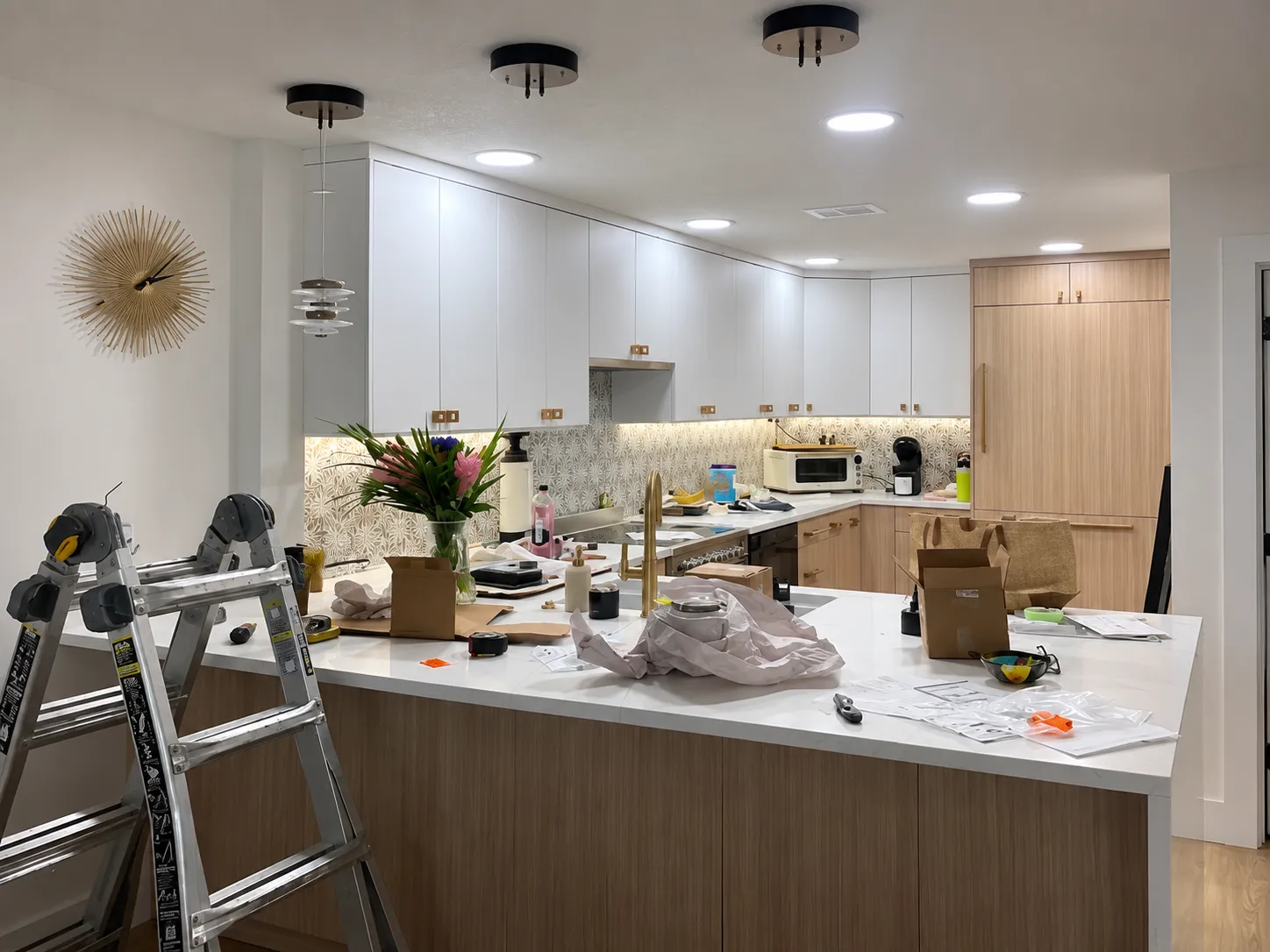
- Remodel your kitchen
- Renovate a bathroom
- Finish a garage
- Build an addition
- Install outdoor lighting
- Upgrade your electrical panel
it is a good idea to consult a licensed electrician during the planning stage.
Proper electrical planning helps ensure your home’s system can safely support the additional electrical demand.
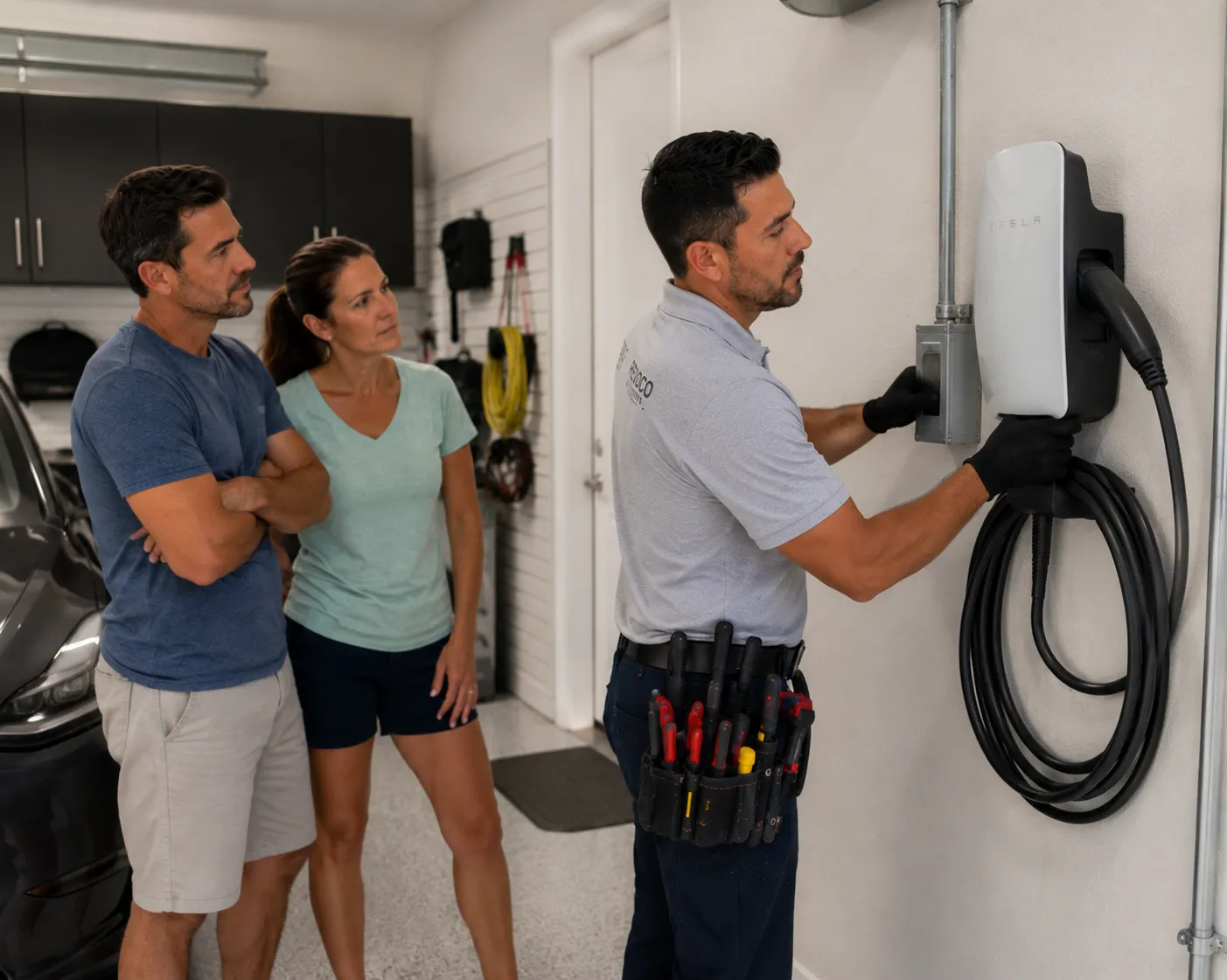
5. You’re Adding High-Powered Equipment
Today’s homes often require more electricity than they did when they were originally built.
If you’re planning to install:
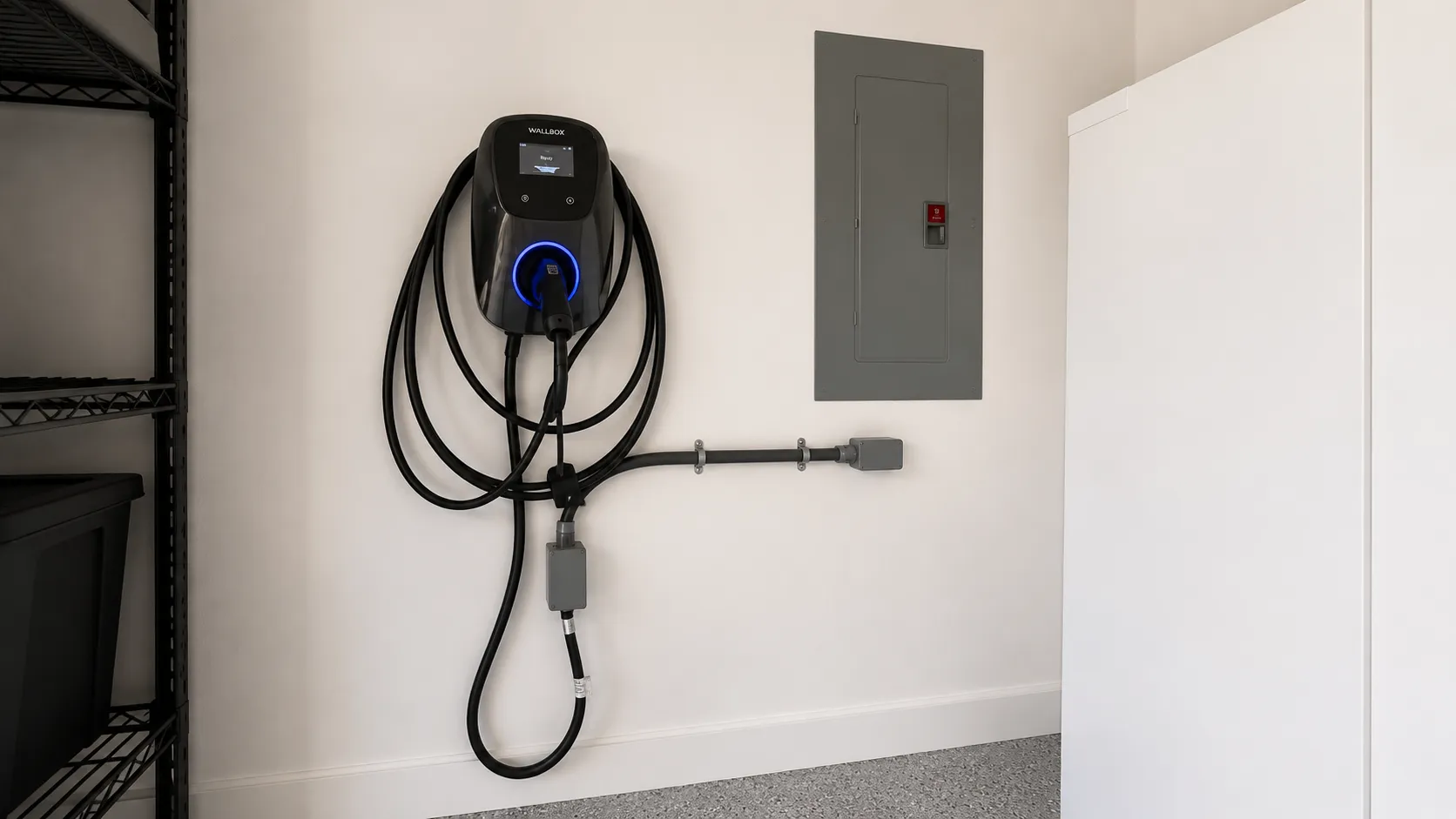
- An electric vehicle charger
- A hot tub or spa
- A new HVAC system
- A pool
- A home generator
- Large kitchen appliances
your electrical system may need additional capacity or dedicated circuits.
A licensed electrician can evaluate whether your current system is prepared for these upgrades.
6. You’re Buying or Selling a Home
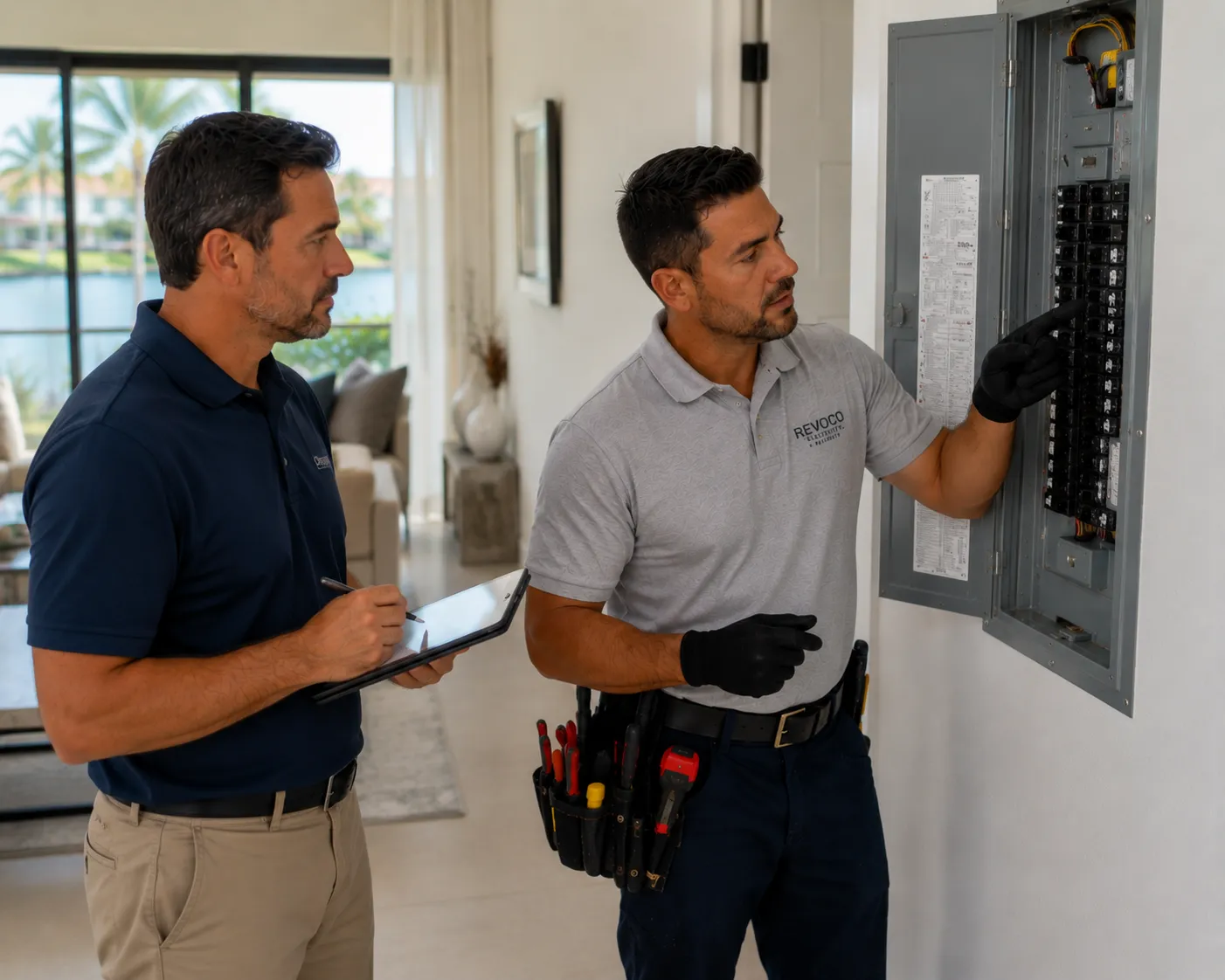
Whether you’re purchasing your first home or preparing to sell your current one, an electrical inspection can provide valuable information about the condition of the property’s electrical system.
An inspection may identify:
- Outdated electrical panels
- Aging wiring
- Improper modifications
- Missing safety protection
- Potential code concerns
Understanding these issues before closing or listing a property can help homeowners make informed decisions.
7. Your Home Is More Than 25 Years Old
Older homes often have electrical systems that were designed for a different era.
Even if everything appears to be working properly, a professional evaluation may help identify opportunities to improve:
- Electrical safety
- System capacity
- Reliability
- Energy efficiency
- Future readiness
This is especially important if the home has undergone multiple renovations over the years.
What to Expect During a Professional Electrical Inspection
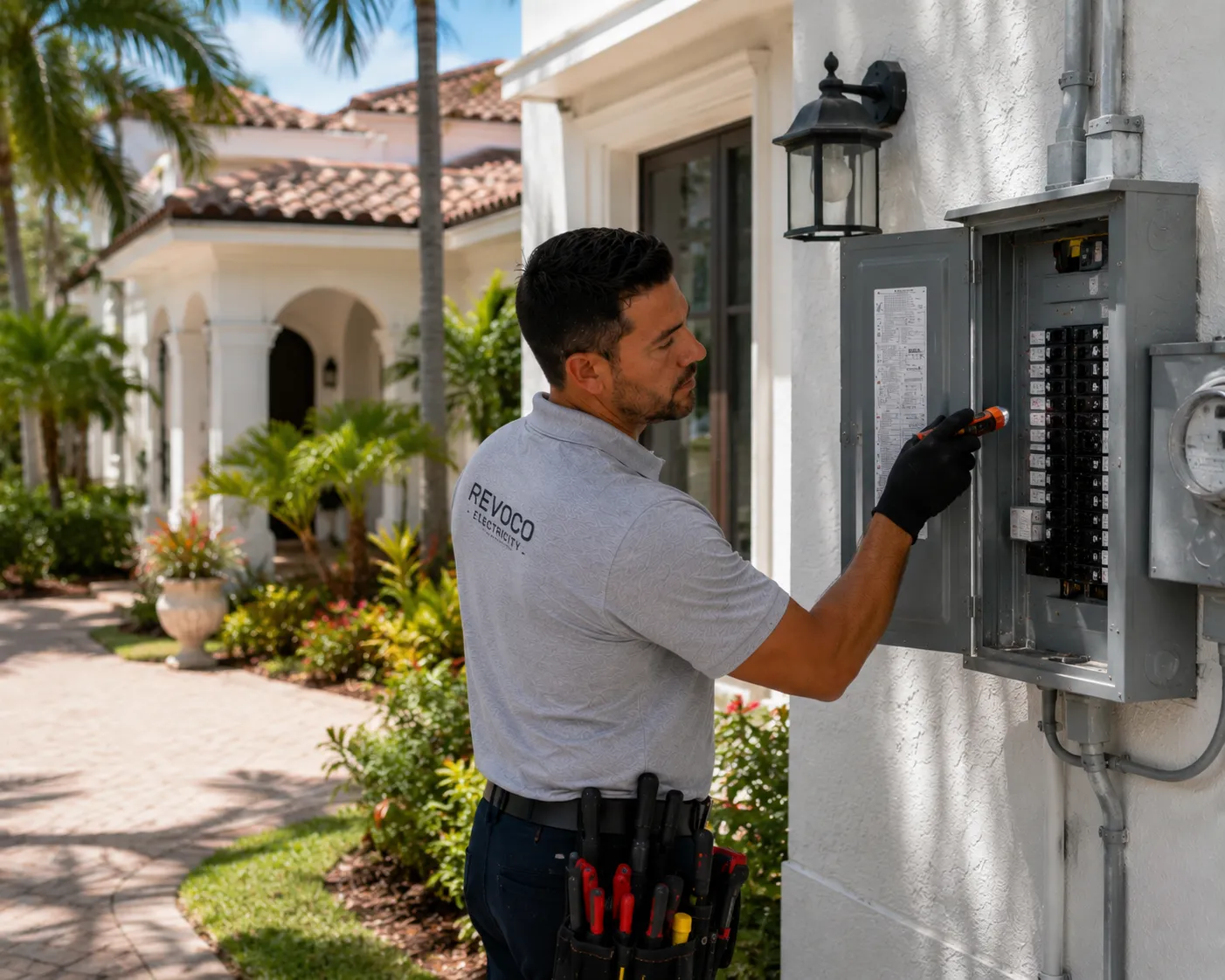
Many homeowners hesitate to schedule an inspection because they are not sure what the process involves.
A typical residential electrical inspection may include evaluating:
- Electrical panel condition
- Circuit breakers
- Wiring connections
- Grounding and bonding
- GFCI protection
- AFCI protection
- Outdoor electrical equipment
- Visible signs of overheating or corrosion
The purpose of the inspection is to identify potential concerns and provide recommendations that help improve the safety and reliability of your home’s electrical system.
Choosing the Right Electrical Professional
When hiring an electrician, homeowners should look for a company that values:
- Safety
- Professionalism
- Clear communication
- Quality workmanship
- Transparent recommendations
- Respect for your home
A trustworthy electrician will take the time to explain findings, answer questions, and recommend solutions that are appropriate for your home’s specific needs.
Peace of Mind Starts with Professional Guidance
Your home’s electrical system is too important to ignore.
While many small maintenance tasks can be handled by homeowners, recognizing when professional assistance is needed is one of the best ways to protect your family and your property.
At Revoco Electricity & Home Improvement, we believe that informed homeowners make better decisions. Whether you need an inspection, repairs, a panel upgrade, surge protection, or simply have questions about your home’s electrical system, our goal is to provide honest guidance, quality workmanship, and dependable service you can trust.
Frequently Asked Questions
Answers to the Most Common Questions Florida Homeowners Ask About Their Electrical Systems
Understanding your home’s electrical system does not have to be complicated. Below are answers to some of the most common questions homeowners ask about electrical safety, maintenance, and inspections.
How often should I have my home’s electrical system inspected?
There is no single schedule that fits every home. However, many homeowners choose to have a professional electrical inspection every few years or whenever they purchase an older home, complete a major renovation, install new high-powered equipment, or notice signs of electrical problems.
Regular inspections help identify potential issues before they become costly repairs.
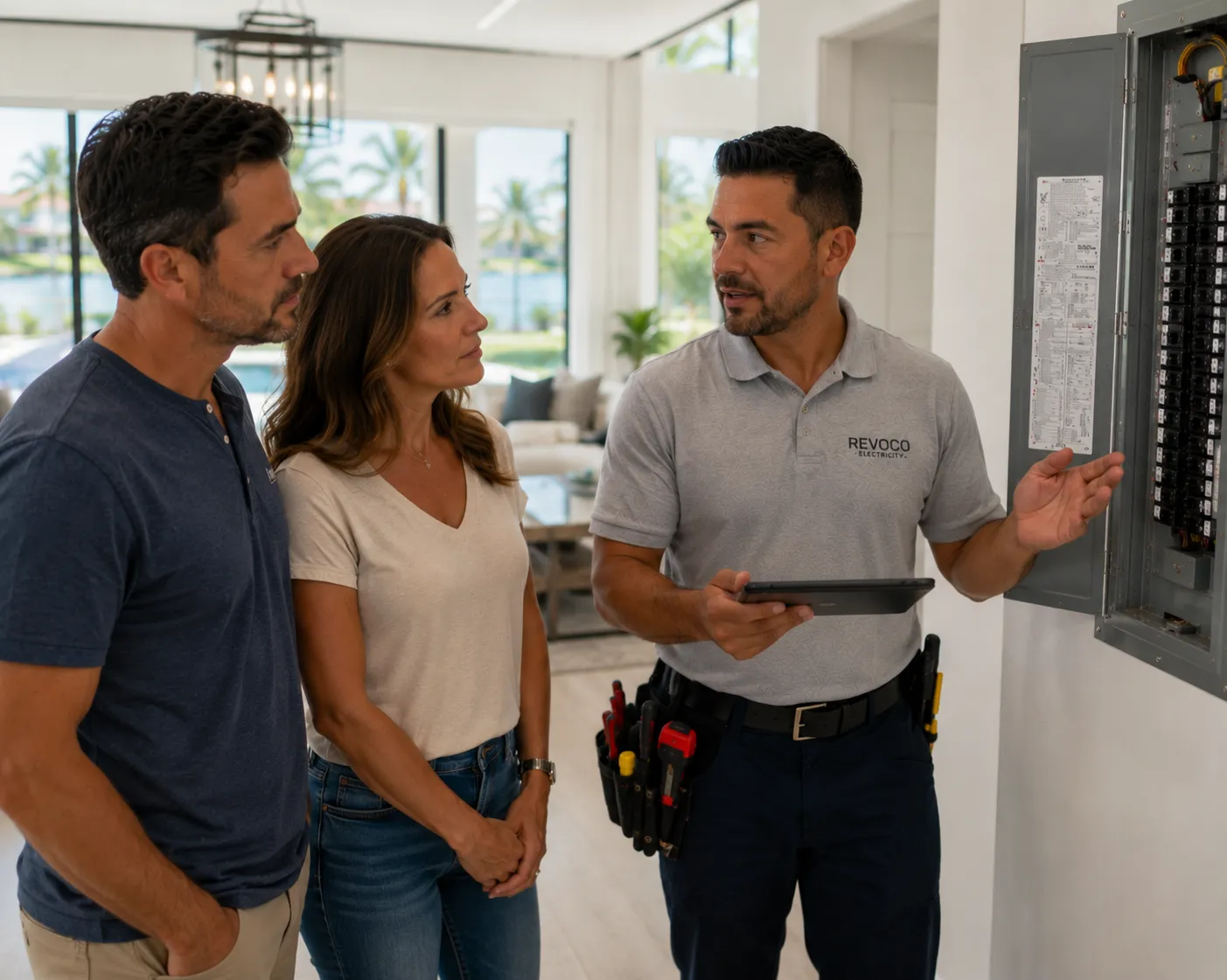
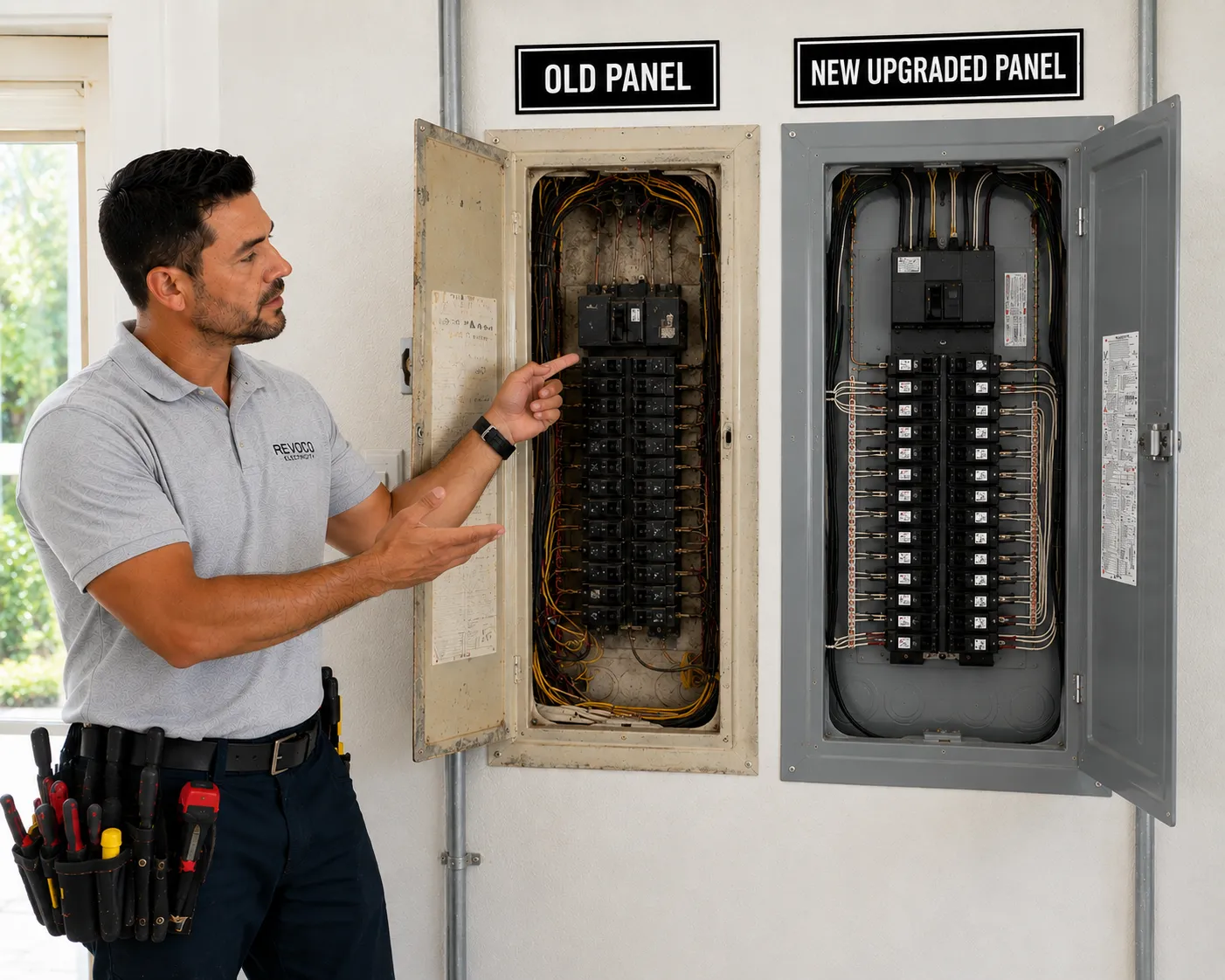
How do I know if my electrical panel is outdated?
An electrical panel may benefit from professional evaluation if you notice:
- Frequent circuit breaker trips
- Rust or corrosion
- Limited breaker space
- Flickering lights
- Buzzing sounds
- Warm panel surfaces
Homes built several decades ago may also have electrical panels that were not designed for today’s electrical demands.
A licensed electrician can determine whether your existing panel is operating safely or whether upgrades should be considered.
Should I install whole-home surge protection?
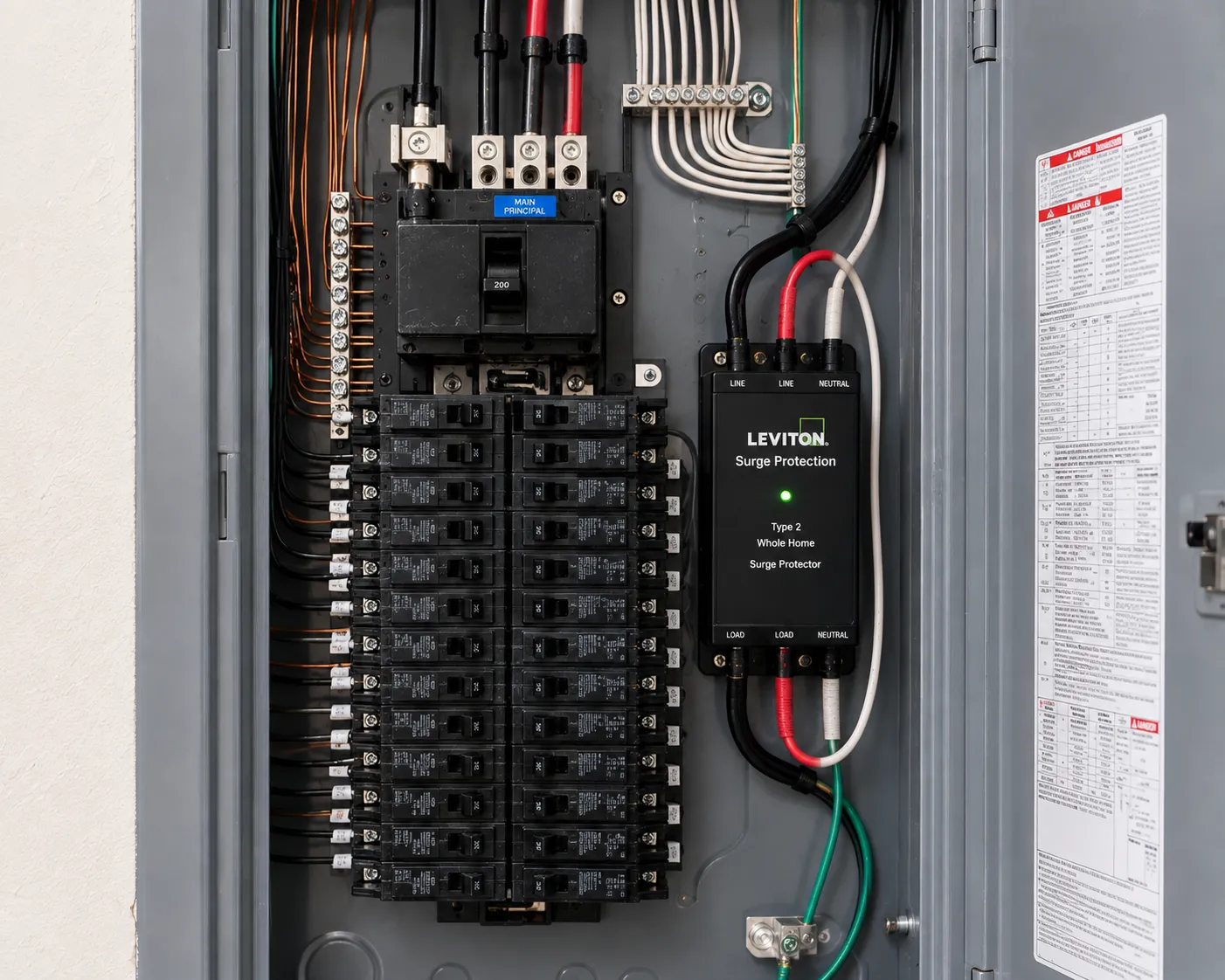
Florida experiences frequent lightning storms and power fluctuations throughout the year.
A Whole-Home Surge Protection System provides an additional layer of protection for many of the appliances and electronic devices connected to your home’s electrical system.
Many homeowners consider surge protection an important investment for protecting expensive electronics and improving long-term electrical reliability.
Why do my circuit breakers keep tripping?
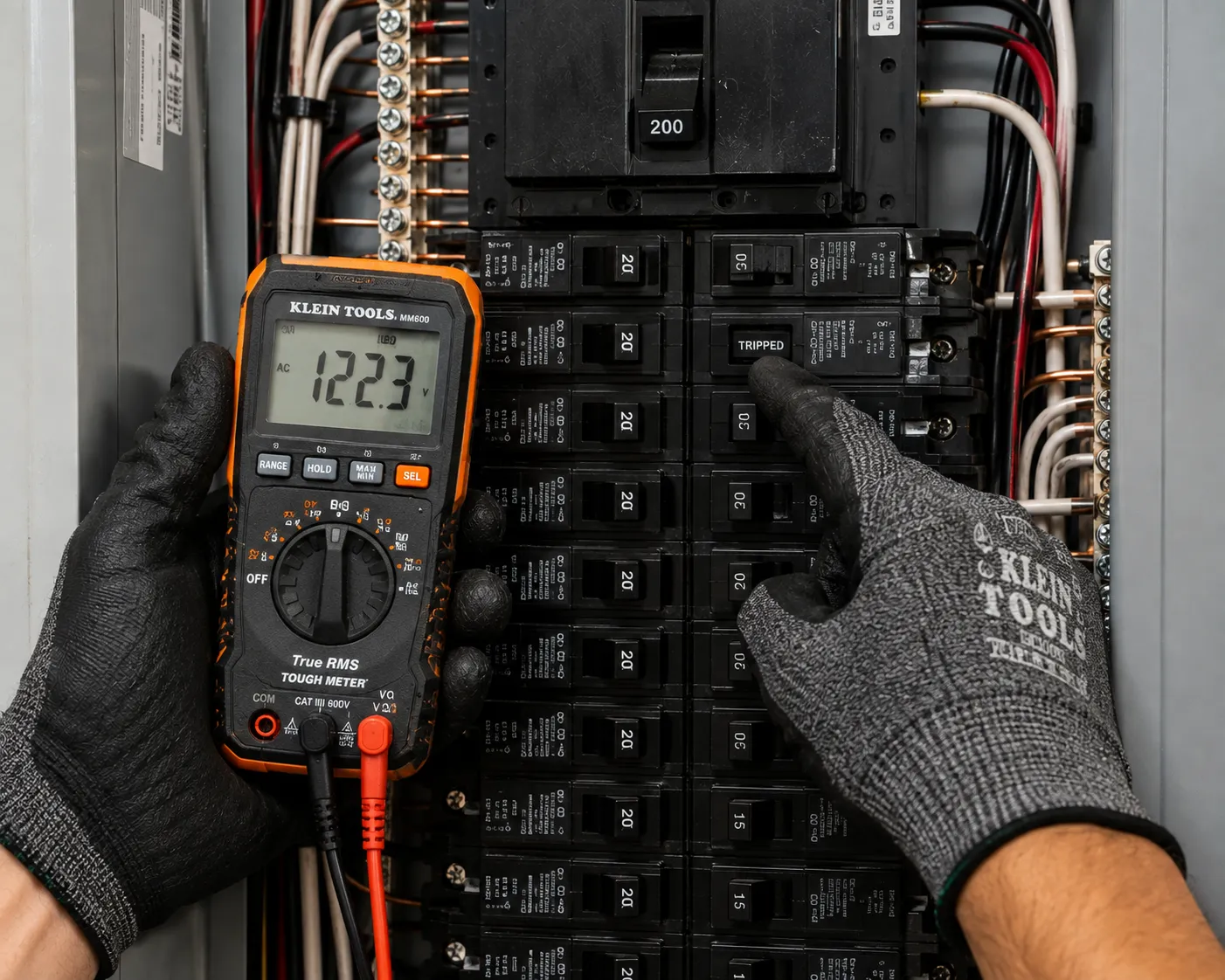
Circuit breakers are designed to protect your home.
Frequent breaker trips may indicate:
- Overloaded circuits
- Faulty appliances
- Damaged wiring
- Short circuits
- Electrical panel capacity issues
Rather than repeatedly resetting the breaker, it is best to identify the underlying cause.
Can lightning damage my home’s electrical system?
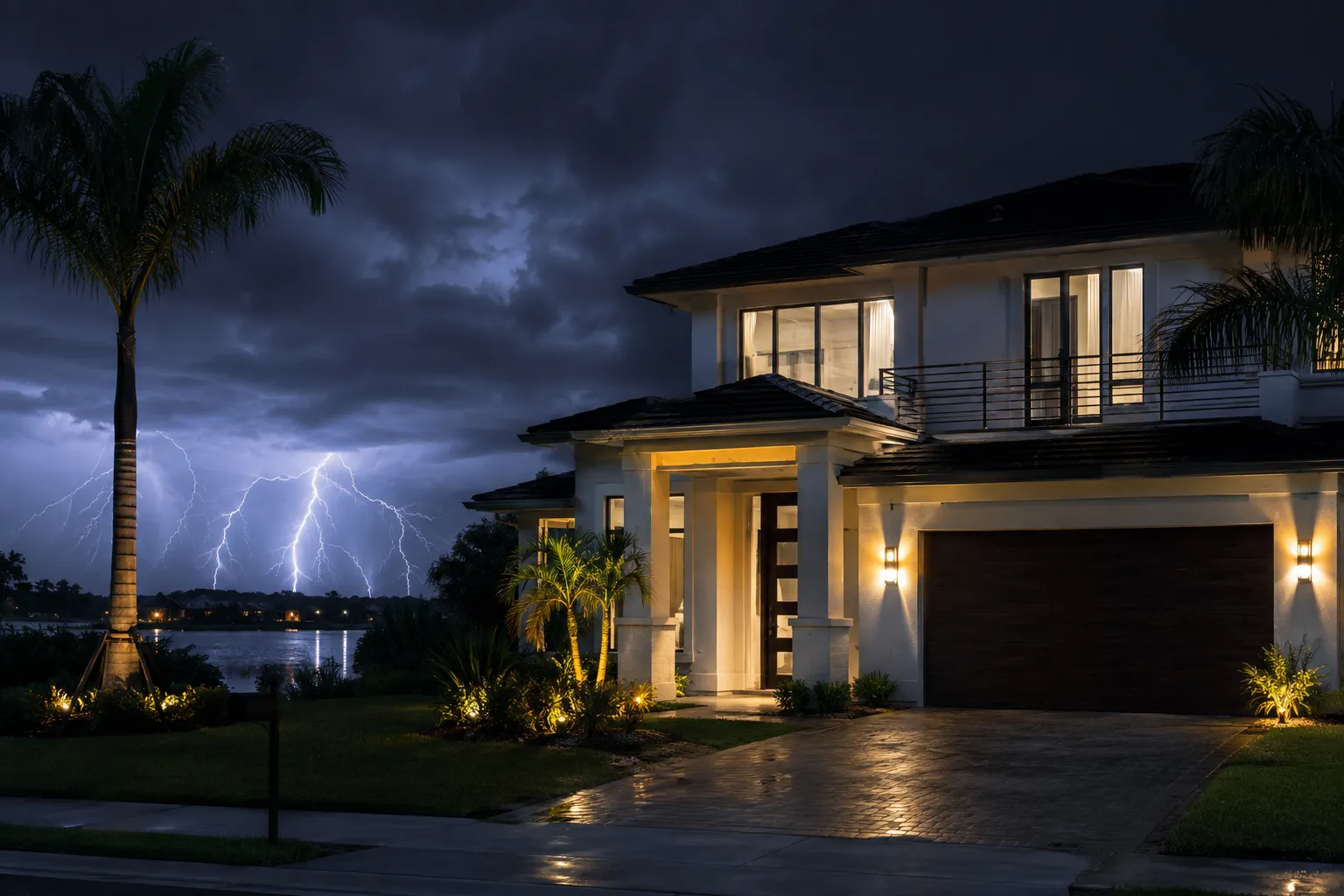
Yes.
Even if lightning does not directly strike your home, nearby strikes can create powerful electrical surges capable of damaging sensitive electronics and appliances.
Installing surge protection and maintaining your electrical system can help reduce this risk.
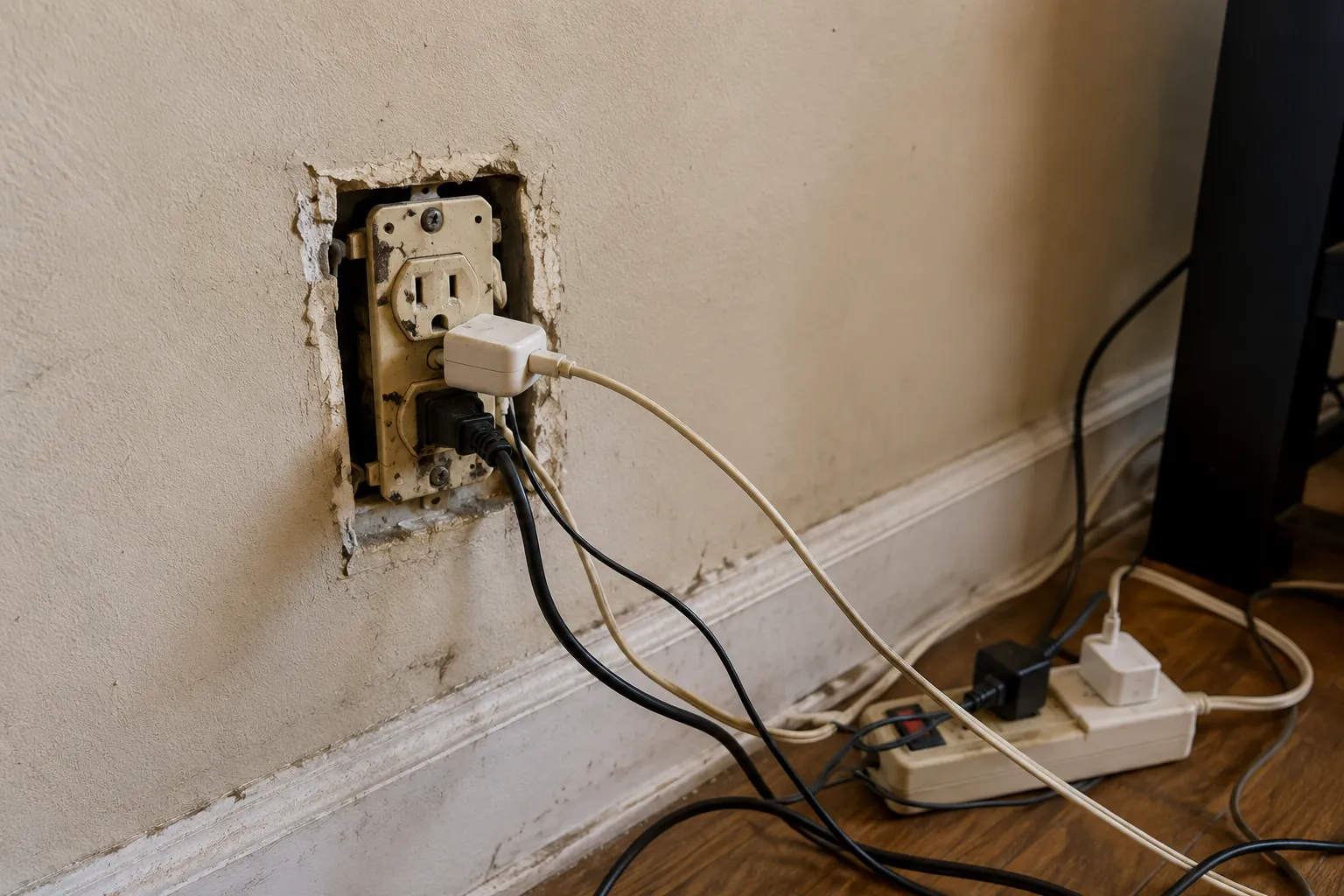
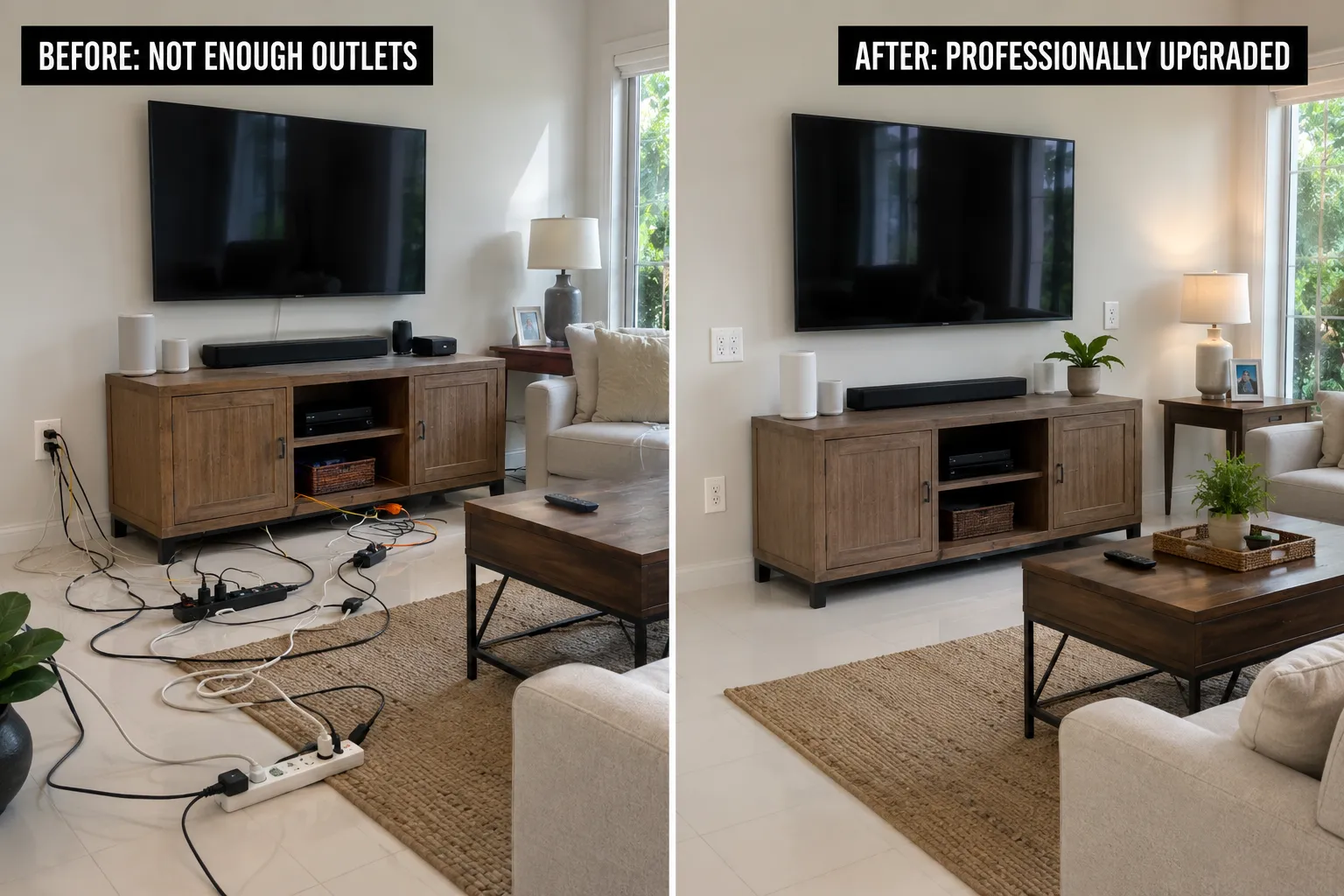
Is it safe to use extension cords every day?
Extension cords are designed for temporary use.
If your home depends on extension cords or power strips every day, it may indicate that additional outlets or dedicated electrical circuits would improve both safety and convenience.
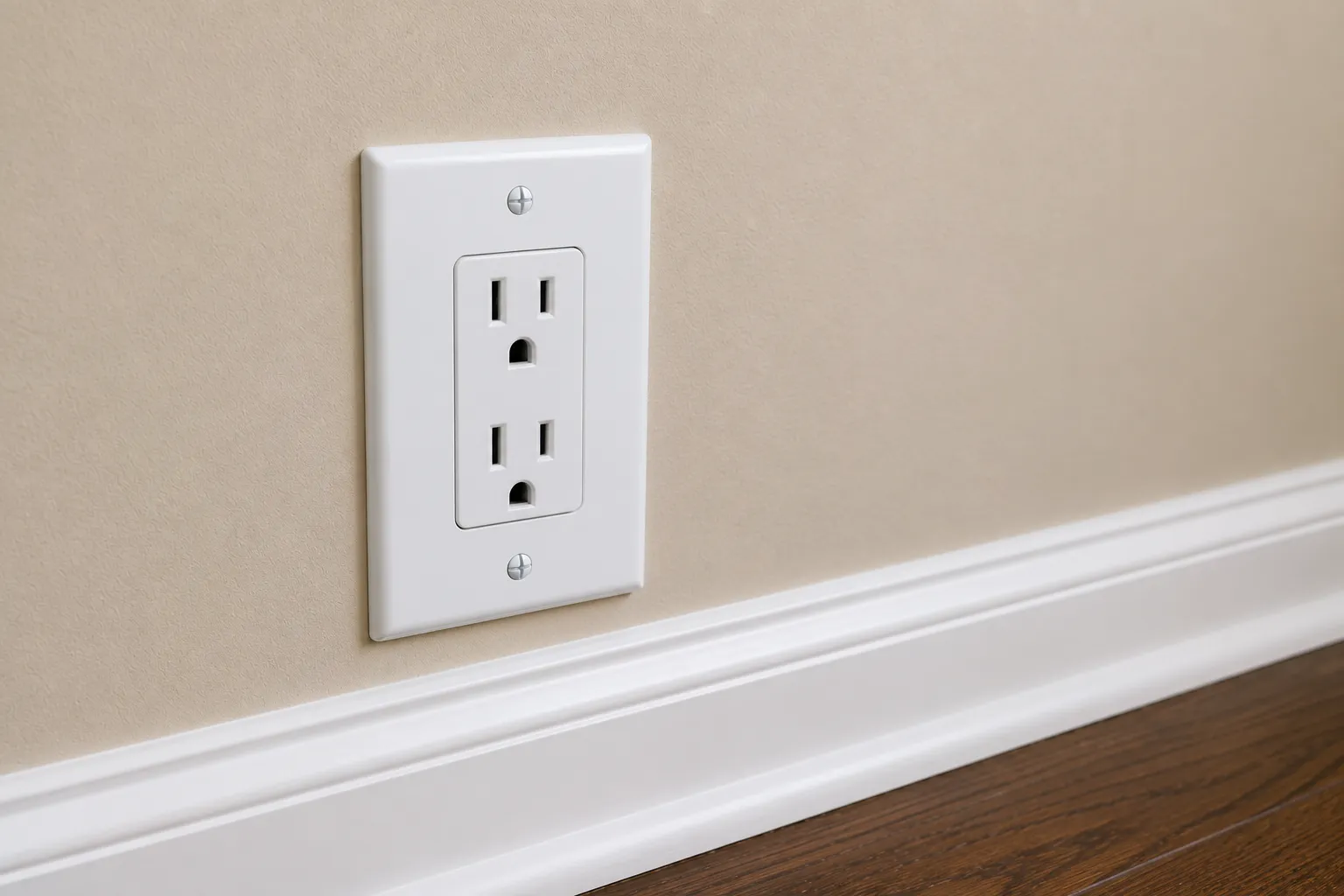
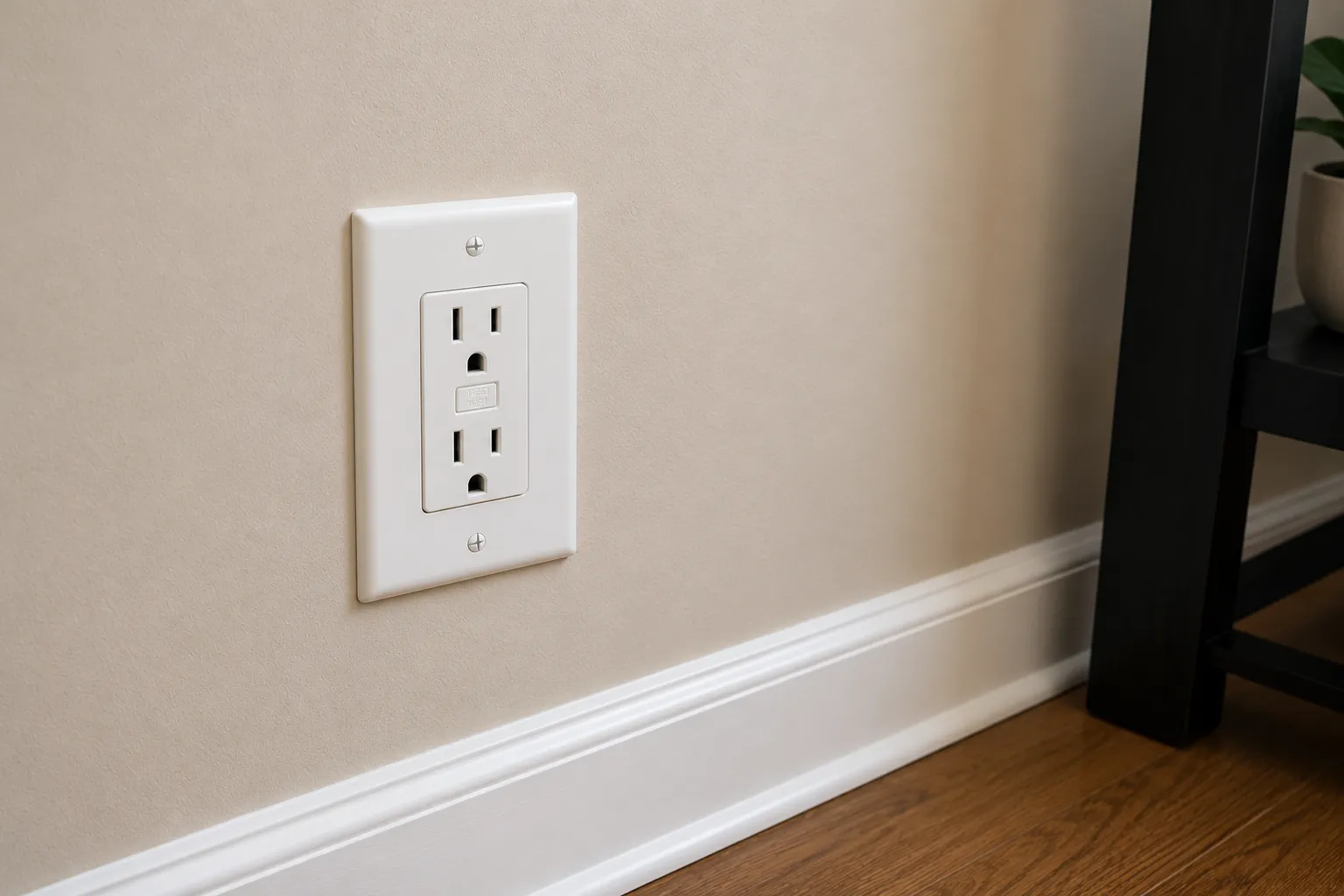
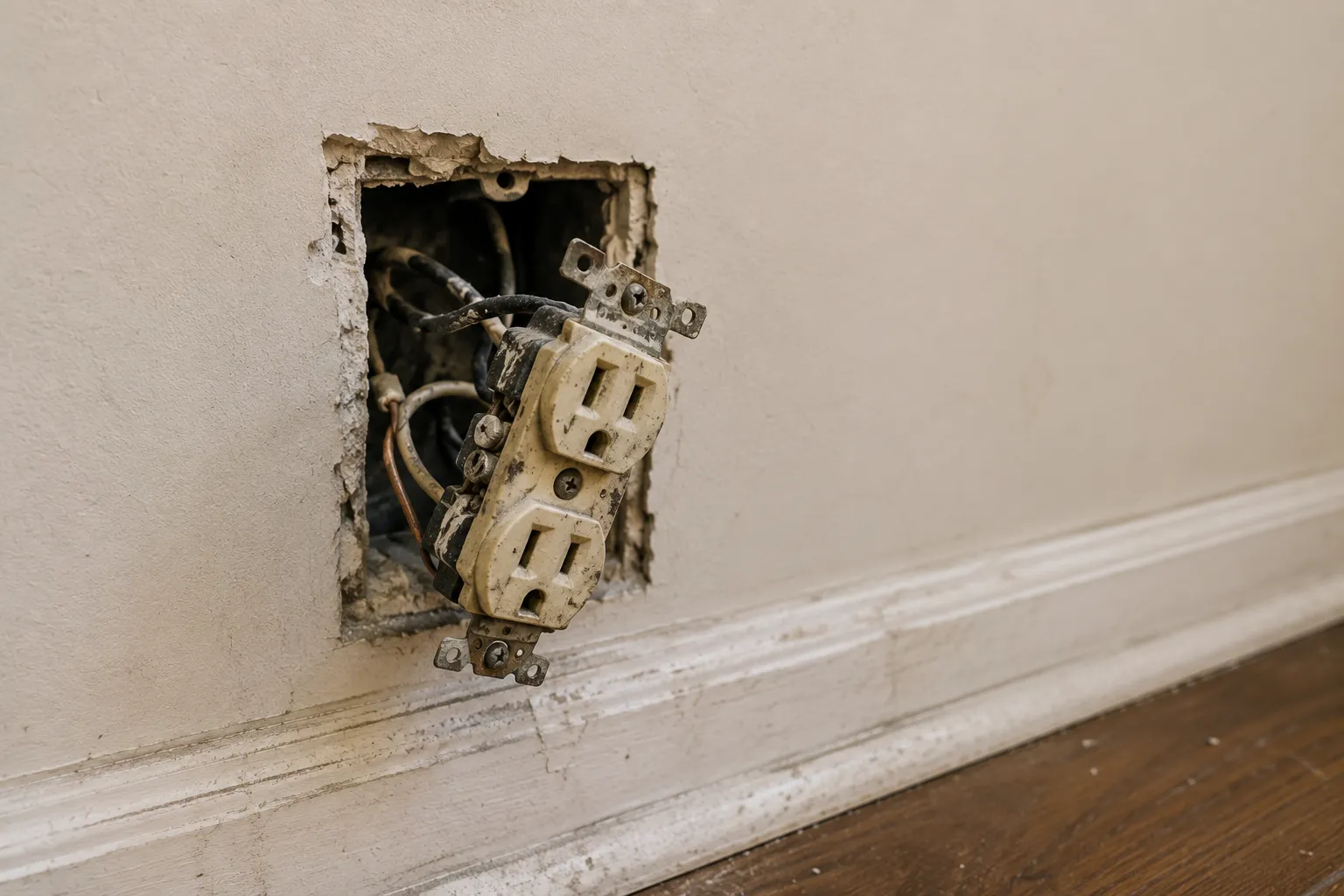
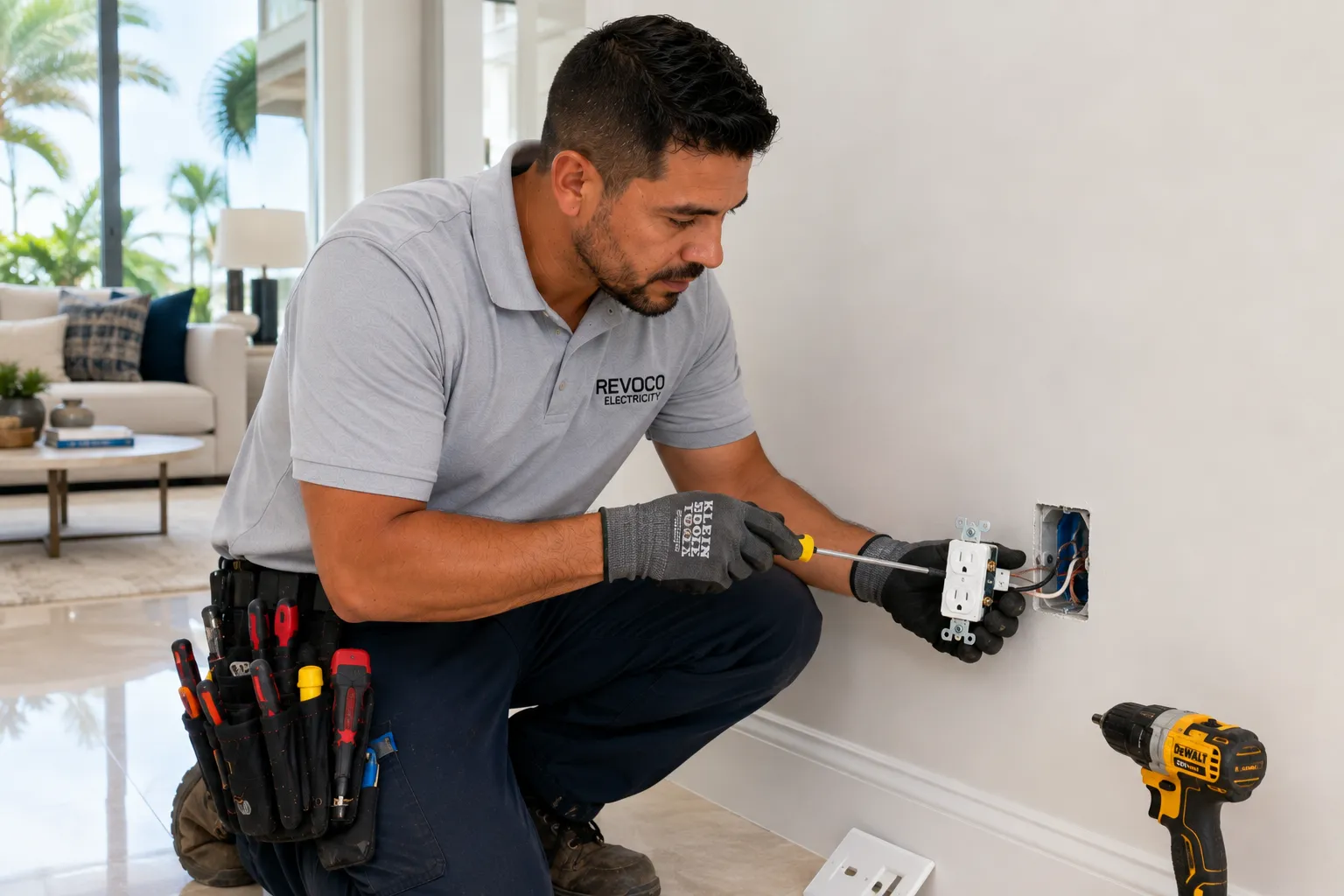
When should I replace electrical outlets?
Electrical outlets may need replacement if they become:
- Loose
- Cracked
- Discolored
- Warm
- Damaged
- Difficult to hold plugs securely
Modern outlets can also provide additional safety features, including GFCI protection in moisture-prone areas.
What should I do if I smell something burning near an outlet?
Turn off power to the affected circuit if it is safe to do so and avoid using the outlet until it has been professionally inspected.
Burning odors, buzzing sounds, or visible damage should never be ignored, as they may indicate overheating or damaged electrical components.
Does my older home need an electrical upgrade?
Not every older home requires major electrical upgrades.
However, homes built many years ago may benefit from a professional evaluation to determine whether the electrical system continues to meet today’s safety standards and electrical demands.
Factors such as remodeling, additional appliances, home offices, or electric vehicle chargers may increase the need for system improvements.
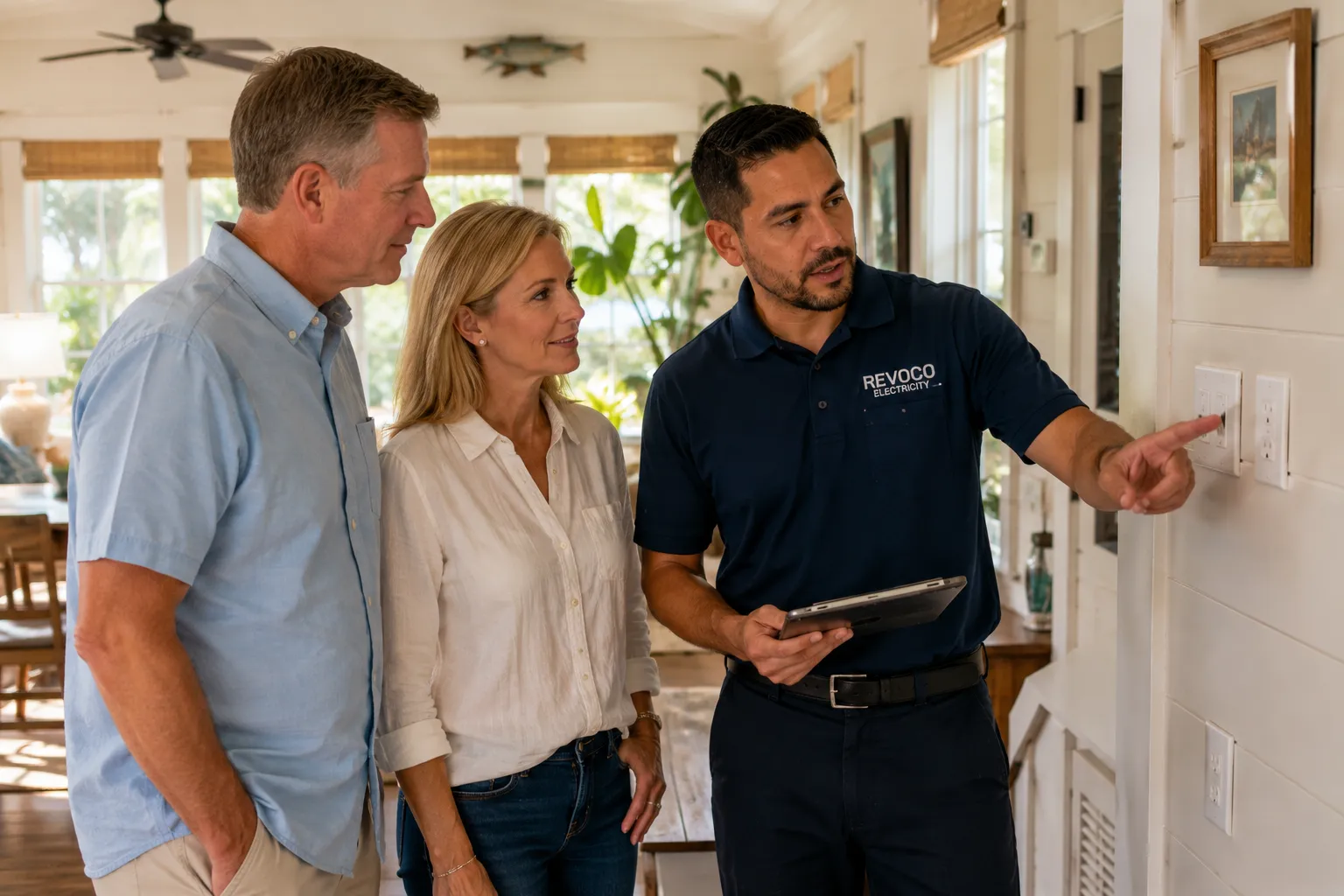
How can I improve my home’s electrical safety?
Some of the best ways to improve electrical safety include:
- Scheduling periodic electrical inspections.
- Testing GFCI outlets regularly.
- Installing whole-home surge protection.
- Avoiding overloaded circuits.
- Replacing damaged outlets and switches.
- Preparing your electrical system before hurricane season.
Preventive maintenance remains one of the most effective ways to reduce electrical risks and protect your home.

Final Thoughts
Your home’s electrical system is one of its most valuable assets, yet it is often overlooked until a problem occurs.
By understanding how your electrical system works, recognizing early warning signs, following a simple maintenance routine, and preparing for Florida’s unique environmental challenges, you can improve safety, protect your investment, and reduce the likelihood of unexpected repairs.
At Revoco Electricity & Home Improvement, we believe education is just as important as quality workmanship. Our mission is not only to provide dependable electrical services but also to help homeowners make informed decisions with confidence.
Whether you are planning an upgrade, preparing for hurricane season, buying a home, or simply looking to better understand your electrical system, we hope this guide has provided practical information you can use for years to come.
Ready to Protect Your Home’s Electrical System?
If you have questions about your home’s electrical system or would like a professional evaluation, the team at Revoco Electricity & Home Improvement is here to help.
Whether you need:
- Electrical repairs
- Panel upgrades
- Whole-home surge protection
- Electrical safety inspections
- EV charger installation
- Lighting installation
- Wiring and rewiring
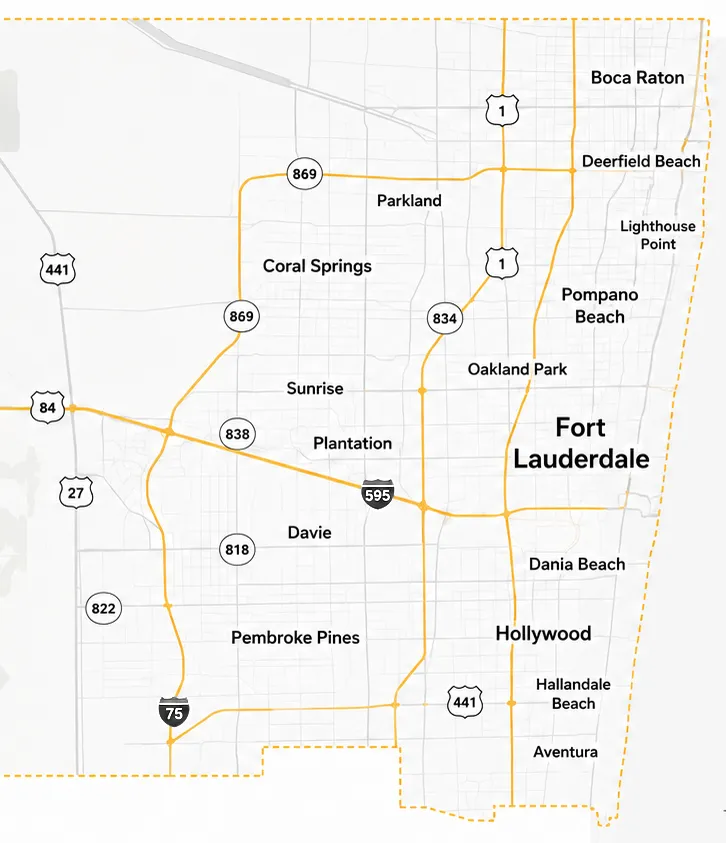
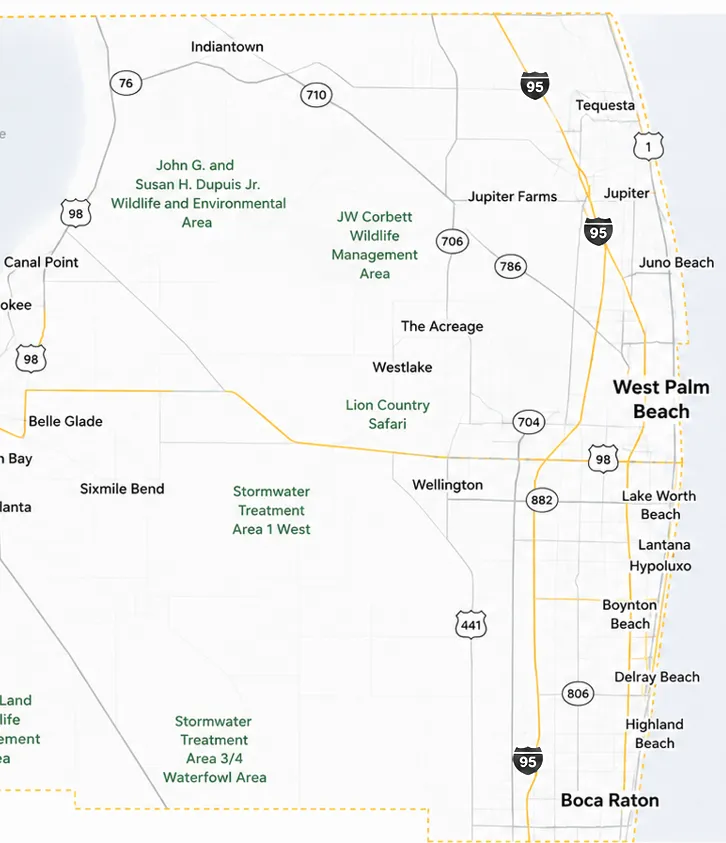
our experienced team is committed to providing safe, reliable, and high-quality electrical solutions for homeowners throughout Broward County and Palm Beach County.
Contact Revoco today to learn how we can help keep your home’s electrical system safe, reliable, and ready for the future.
Homeowner Resources
Continue learning with these homeowner guides:
- Annual Electrical Maintenance Calendar
- Preparing Your Home’s Electrical System for Hurricane Season
- Common Warning Signs Every Homeowner Should Never Ignore
- How to Protect Your Home’s Electrical System
- What Every Florida Homeowner Should Know Before a 4-Point Inspection